A May wildfire on Santa Rosa Island reached a critically endangered Torrey pine grove after burning more than a third of the island. Only about 2% of the grove escaped the blaze, and federal estimates project 60–80% mortality. Torrey pines are key to local moisture capture and ecosystem health; seed banks and a conservation grove provide hope, but a full damage assessment and recovery plan may take at least a year.
Human-Caused Santa Rosa Fire Threatens Critically Endangered Torrey Pine Grove
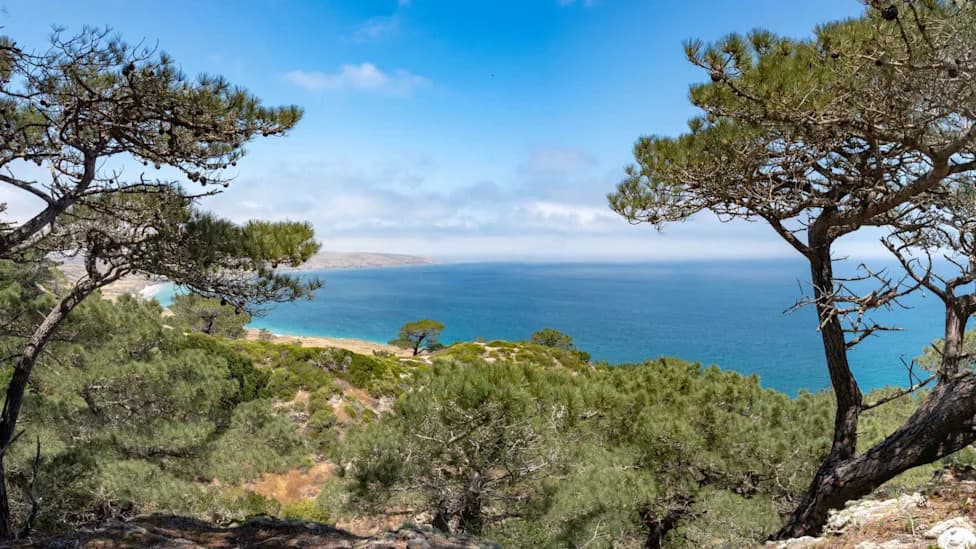
Photo Credit: iStock
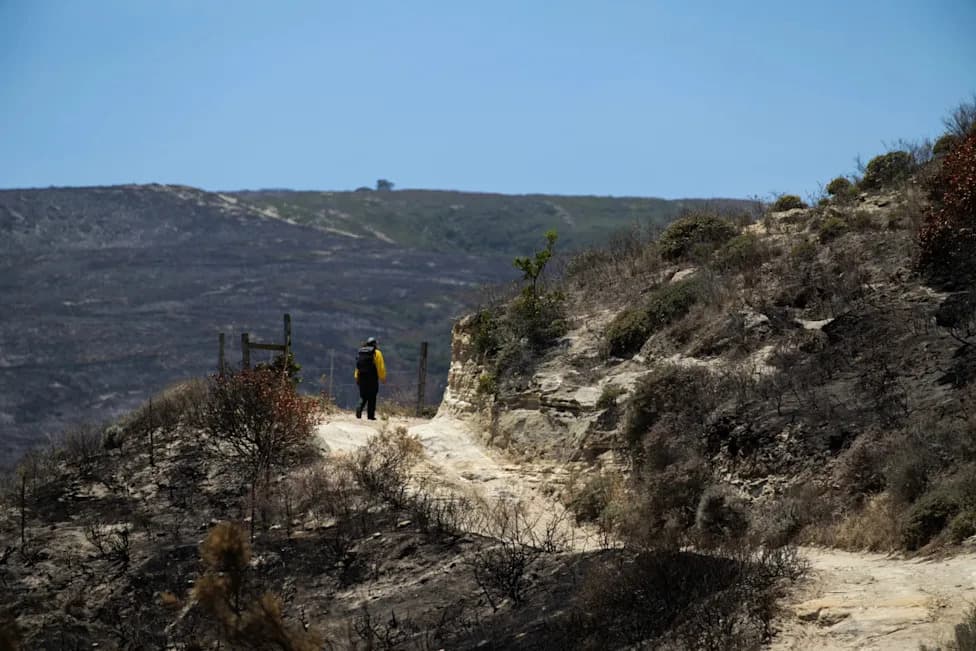
A human-caused wildfire in May on Santa Rosa Island did more than blacken a remote stretch of California coast — it reached a critically endangered Torrey pine grove and may trigger a large-scale die-off of one of the rarest pine populations on Earth.
Damage and Scope
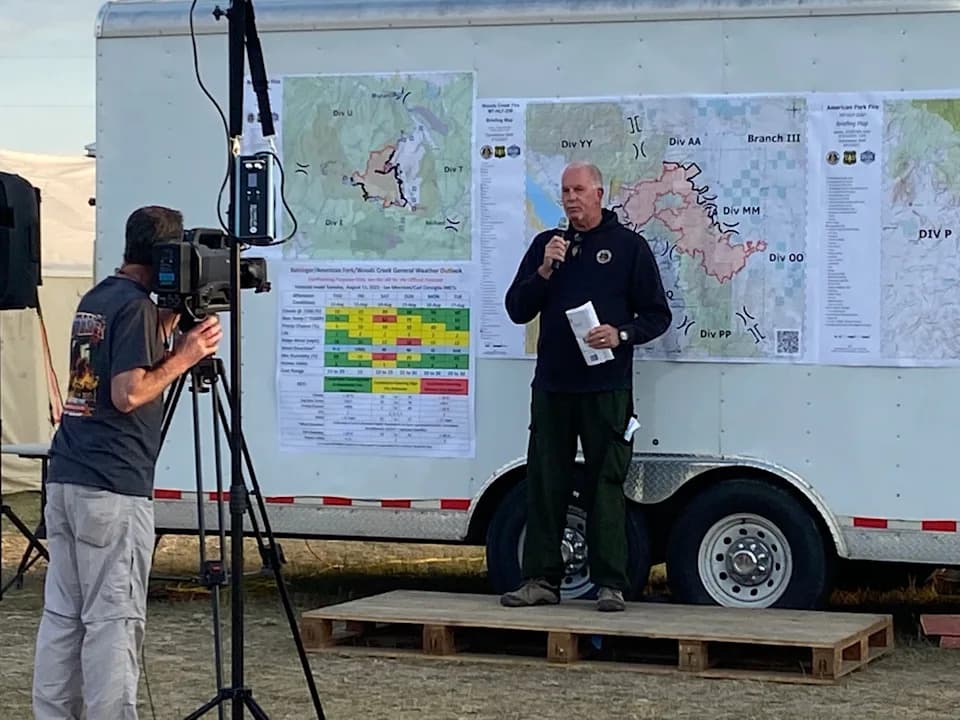
Preliminary assessments indicate the blaze consumed more than a third of wildlife-rich Santa Rosa Island, located about 26 miles off the Southern California mainland in Channel Islands National Park. National Park Service spokesperson Ana Cholo said only about 2% of the Torrey pine grove escaped burning, and federal estimates project that roughly 60–80% of the trees may die. The wildfire was the largest in the park’s history.
Why This Grove Matters
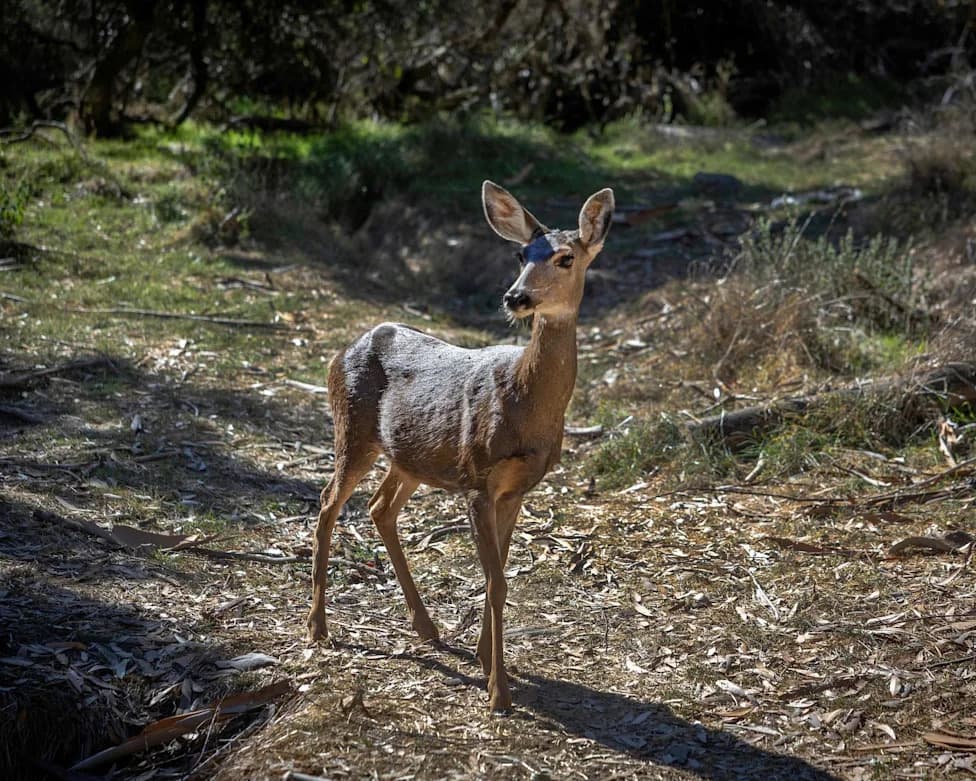
The Santa Rosa Island Torrey pine already occupied a tiny range and had a limited gene pool, making the population highly vulnerable to extinction even before this fire. These trees play outsized ecological roles: their twisted needles intercept coastal fog and direct moisture to the ground, helping sustain nearby plants and animals in a harsh island environment.
"Because Torrey pines are not well adapted to fire, even low-severity burns may result in delayed mortality," Ana Cholo told CNN. "A detailed assessment is underway, and the full extent of impacts may not be known for at least a year."
Conservation Response and Outlook
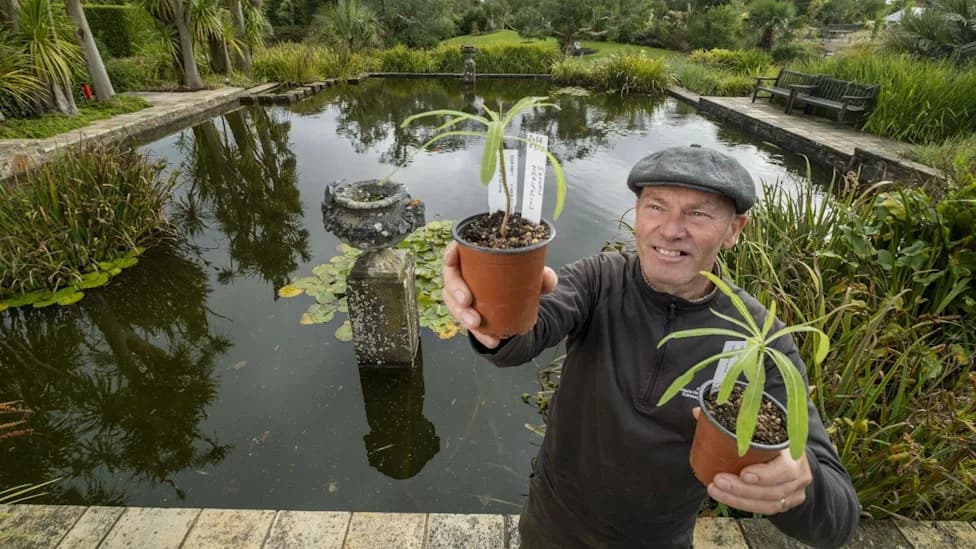
Conservation organizations already had taken steps that now offer a measure of hope. The Santa Barbara Botanic Garden had collected seeds from the island population and established a conservation grove; it also maintains roughly 40 additional island trees in its nursery. The Center for Plant Conservation and other seed banks are storing backups while researchers determine whether the burned grove can recover naturally or will require active restoration.
Scientists also note that some seeds may have survived inside intact pine cones, potentially providing material for regeneration. Still, experts warn that a loss on this scale can erode genetic diversity that helps the species resist disease and adapt to changing conditions — and once genetic diversity is lost, it cannot be recovered.
What Comes Next
Park biologists and conservationists will conduct a detailed assessment over the coming months; full impacts and long-term recovery prospects may take a year or more to understand. Restoration options could include assisted regeneration from stored seed, planting of nursery-grown trees, and targeted habitat management to reduce future fire risk.
While the situation is serious, existing seed collections and cultivated trees give researchers concrete options for supporting recovery if active intervention is needed.
Help us improve.