Key findings: A small pilot trial found that oral fecal microbiota transplants helped some people with severe peanut allergy tolerate multiple peanuts, and antibiotic pre‑treatment improved donor bacterial engraftment in some participants. Responders showed higher bile salts and immune changes that could explain reduced allergic reactions. Separately, a small series of 14 pregnancies after CAR‑T therapy reported eight healthy full‑term births so far with no newborns showing CAR‑T cells or pregnancy‑related disease flares. Larger studies are needed to confirm both findings.
Gut Microbiome Pills Eased Severe Peanut Allergy in Some Patients; Small Study Finds Pregnancy After CAR‑T Appears Safe
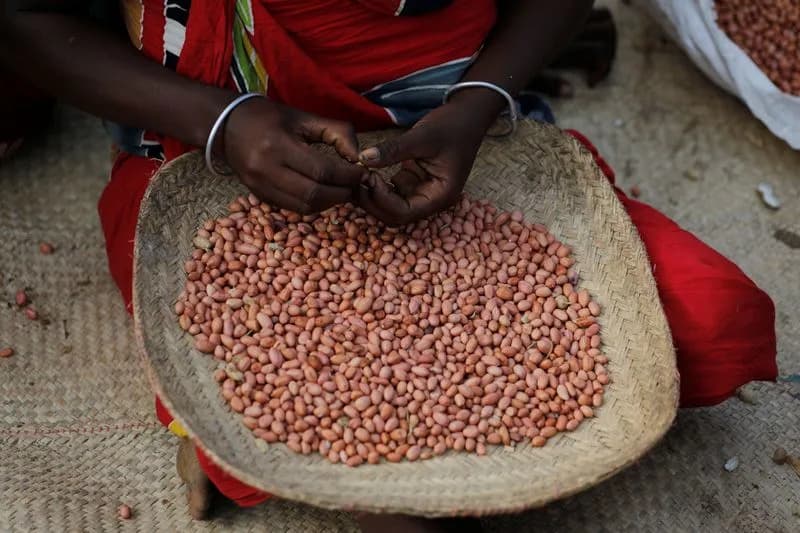
A woman peels peanuts in the village of Lambokely near the city of Morondava, Madagascar, August 31, 2019. Picture taken REUTERS/Baz Ratner/File Photo
Two small but important studies link the gut microbiome to food allergy outcomes and report reassuring early results on pregnancy after CAR‑T therapy for autoimmune disease.
Gut Bacteria Treatment May Reduce Severe Peanut Allergies
A pilot study suggests that reshaping intestinal bacteria through fecal microbiota transplantation (FMT) delivered in frozen oral capsules can reduce the severity of peanut allergy for some patients. Researchers enrolled 10 young adults with severe peanut allergy who reacted to trace amounts of peanut and gave them donor-derived frozen capsules containing beneficial gut bacteria.
Three months after treatment, three participants tolerated multiple peanuts without an allergic reaction, the team reported in Science Translational Medicine. In a subsequent phase, five additional volunteers received a short course of antibiotics before FMT to suppress their native gut microbes and potentially improve donor bacterial engraftment. Of those five, three showed improved peanut tolerance and could ingest more than four peanuts before reacting, suggesting antibiotic pre-treatment boosted donor bacteria transfer in some cases.
Blood analyses found that participants who responded to the therapy had higher levels of certain bile salts—molecules that help the small intestine digest fats and absorb nutrients. The donor bacteria appeared better able to metabolize those bile salts than the recipients’ original microbes. Laboratory experiments further indicated that enhanced bile‑salt processing by the transferred bacteria was associated with increases in immune cells that protect against allergic responses, offering a plausible biological mechanism for the clinical improvements.
"This landmark study was the first to demonstrate that a microbiome‑based therapy may improve food allergy in people while also revealing how gut bacteria, their metabolites, and the immune system work together to influence treatment response," said study leader Dr. Rima Rachid of Boston Children's Hospital.
The investigators emphasized that these are early, small-scale results that require confirmation in larger, controlled trials to identify which patients are most likely to benefit and to pinpoint specific bacterial strains that could be developed into targeted probiotic therapies for food allergy.
Pregnancy After CAR‑T Cell Therapy Appears Safe in a Small Series
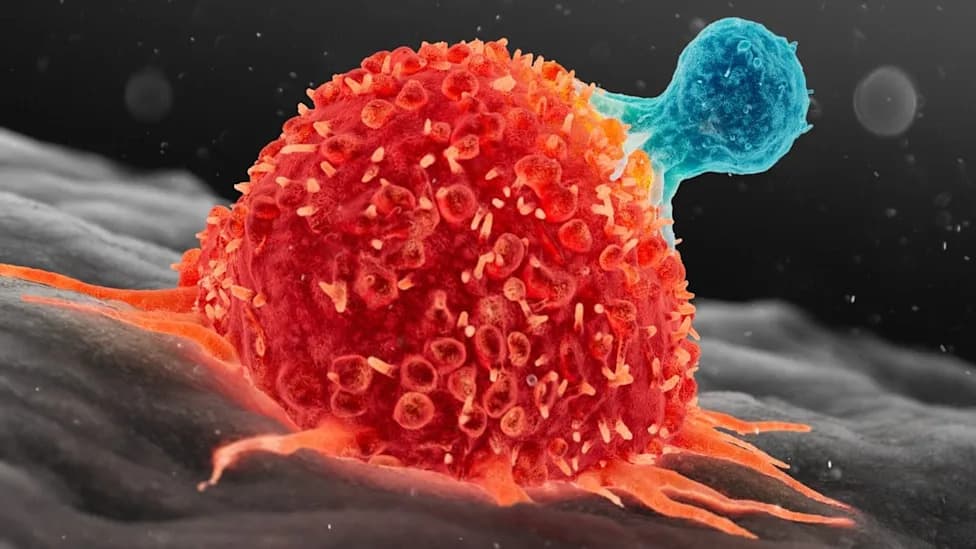
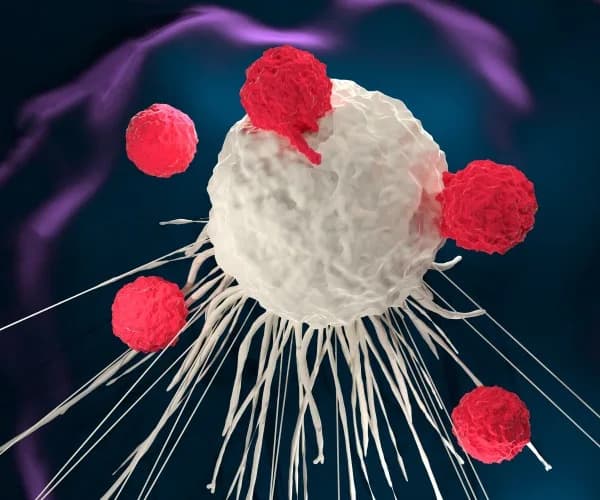
A separate small study examined pregnancy outcomes after CAR‑T cell therapy administered for autoimmune diseases. CAR‑T involves collecting a patient’s white blood cells, genetically modifying them to target immune pathways, and reinfusing them to modulate or reset the immune system. While CAR‑T has been used widely in cancer care, it is increasingly being tested for autoimmune disorders such as lupus, multiple sclerosis and rheumatoid arthritis—conditions that often affect women of childbearing age.
Researchers followed 14 pregnancies in 13 women who previously received CAR‑T therapy; all conceptions were spontaneous and reported in The New England Journal of Medicine. Of eight infants delivered so far, all were healthy, born at term, and showed normal growth and immune markers. No CAR‑T cells or CAR‑T–related complications were detected in any newborn, and none of the pregnancies was accompanied by a flare of the mother's autoimmune disease. Five pregnancies remain ongoing.
While these early outcomes are reassuring, the authors note the need for larger studies with longer follow-up to fully establish safety for mothers and infants and to detect any less frequent or delayed effects.
Reporting: Science Translational Medicine; The New England Journal of Medicine. (Original reporting by Nancy Lapid; editing by Bill Berkrot.)
Help us improve.