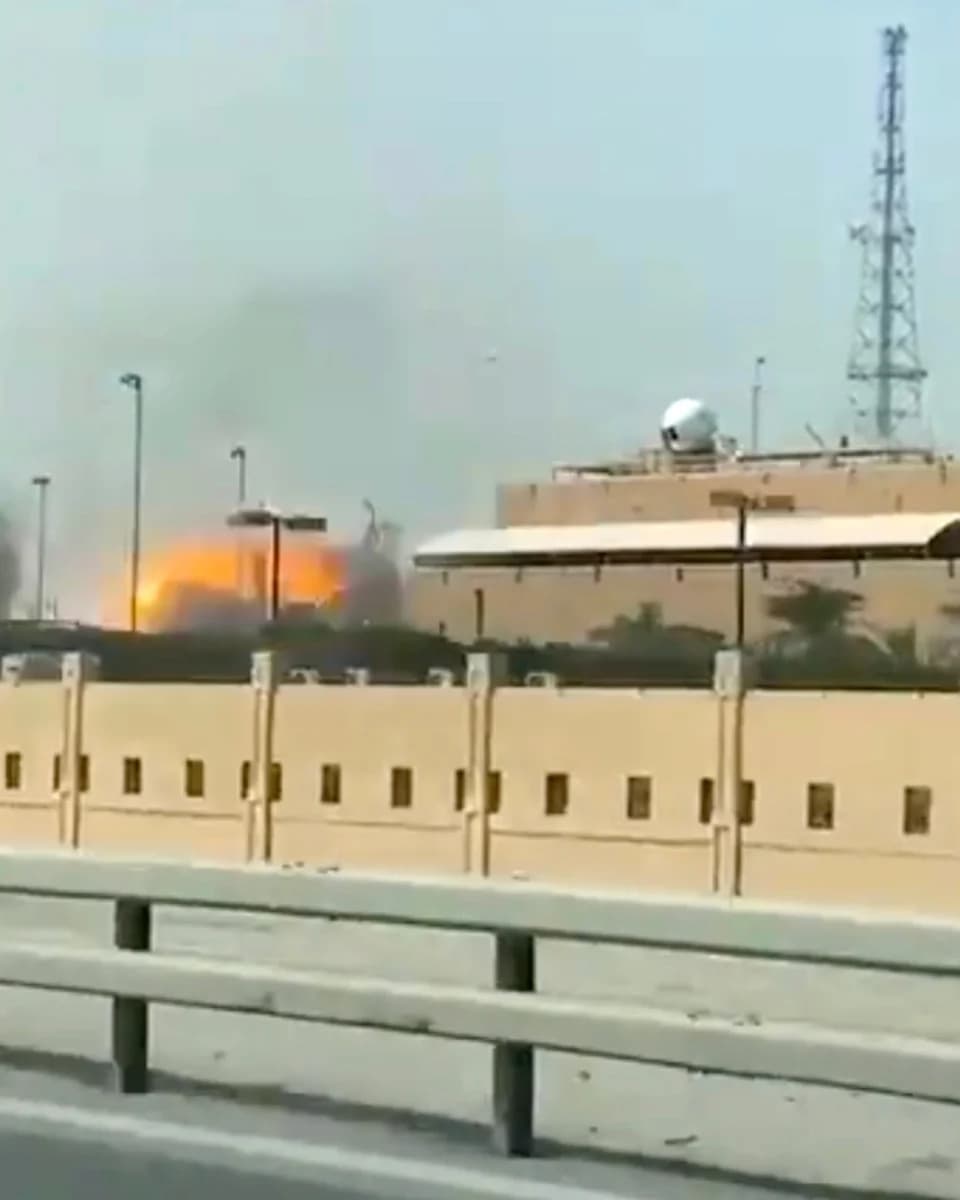
The U.S. campaign against Iran has reportedly consumed significant portions of the Pentagon's munitions stockpiles—an effort costing about $40 billion and prompting warnings of a multiyear rebuild. Reports cite nearly 80% depletion of interceptors for a key defense system, roughly 1,100 long-range stealth cruise missiles expended, and the near exhaustion of Army Tactical Missile Systems and Precision Strike Missiles. The column uses satire—imagining everything from failed Reflecting Pool liner to Trump-branded merchandise as makeshift ordnance—to underscore the gap between official denials and reported shortages.
Are U.S. Missiles Running Low? A Satirical Look at Shortages and Makeshift Fixes
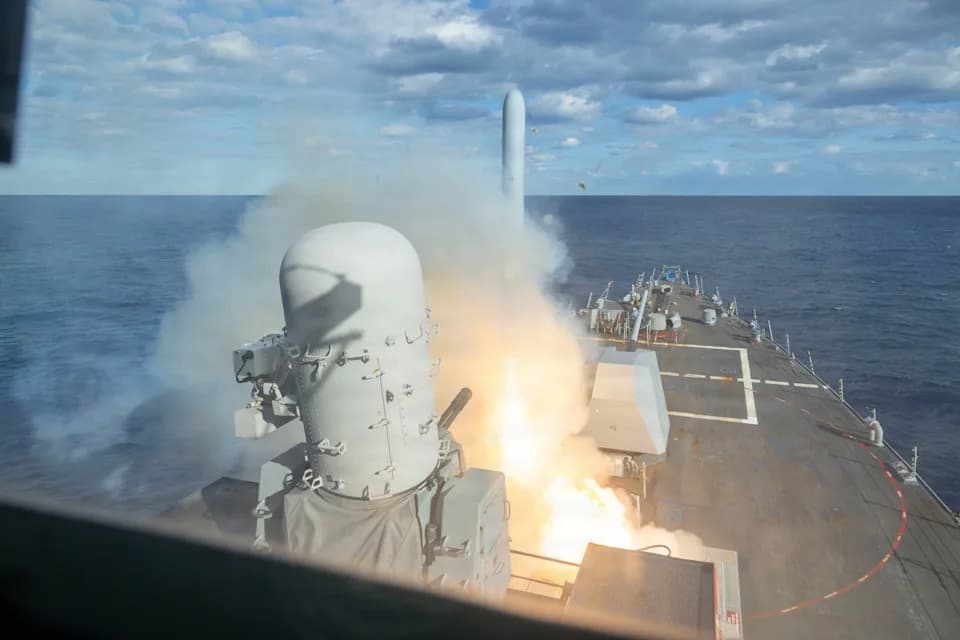
In this U.S. Navy released handout, Arleigh Burke-class guided-missile destroyer USS Bulkeley (DDG 84) fires a Tomahawk Land Attack Missile (TLAM) during operations in support of Operation Epic Fury, on February 28, 2026 at Sea. Iran's Supreme Leader, Ayatollah Ali Khamenei, was confirmed killed after the United States and Israel launched a joint attack on Iran on Feb. 28. Iran retaliated by firing waves of missiles and drones at Israel, and targeting U.S. allies in the region.
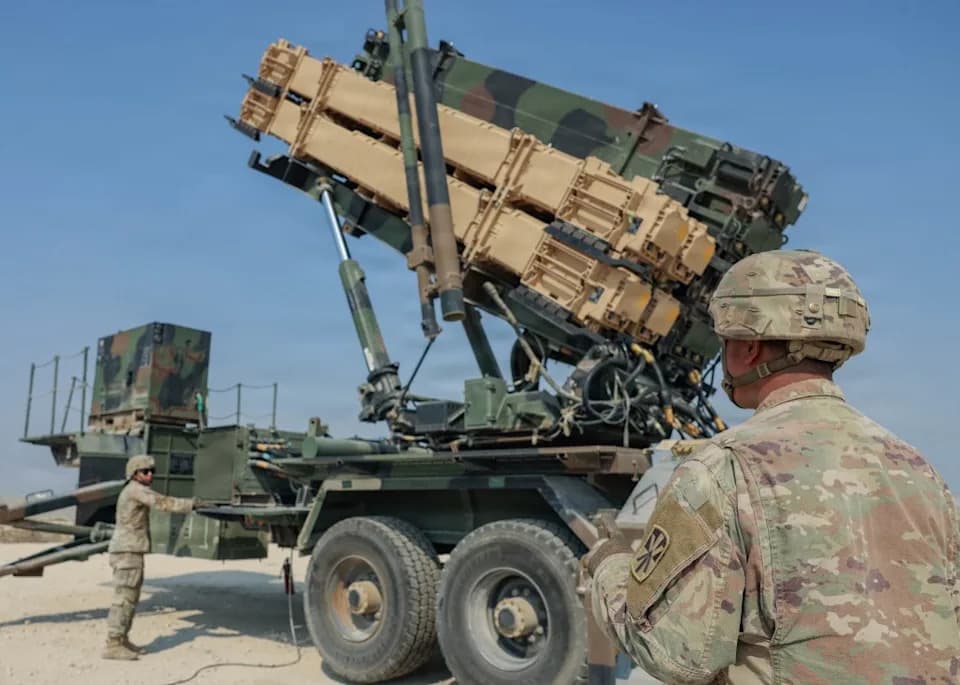
As U.S. forces continue intermittent operations against Iran, multiple reputable outlets report that critical munitions stockpiles have been heavily drawn down. Estimates suggest the campaign has cost roughly $40 billion, and analysts warn that the country may face a prolonged period of replenishment.
What the reporting shows

Reporters and photographers record a piece of detached liner floating in the Lincoln Memorial Reflecting Pool in Washington, DC, on June 18, 2026.
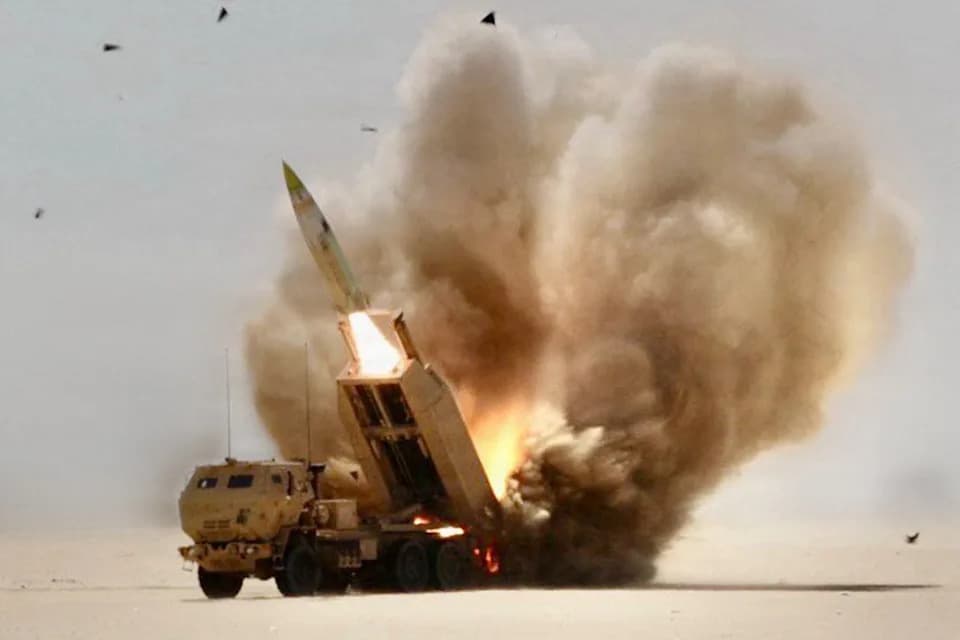
Several sources told CNN that "the US military has exhausted nearly 80% of its interceptors for a key missile defense system," while The New York Times reported the U.S. has used roughly 1,100 long-range stealth cruise missiles and fired more than 1,000 Tomahawk cruise missiles—many times the annual procurement rate. Reuters, citing two defense sources, said the Army has expended "virtually all" of its Army Tactical Missile Systems (ATACMS) and Precision Strike Missiles (PrSM).
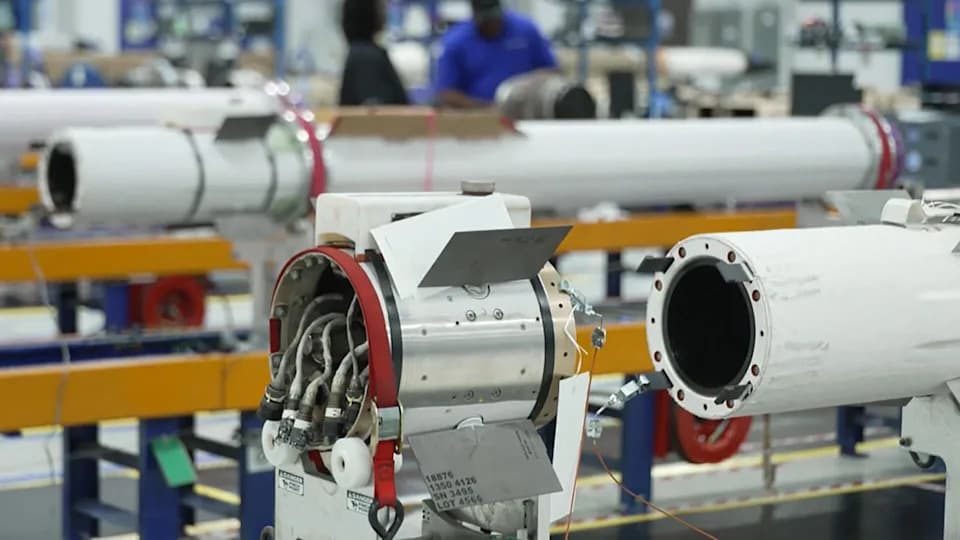
The bipartisan Center for Strategic & International Studies (CSIS) warned on July 31 that even before the current campaign analysts called for larger munitions inventories; Operation Epic Fury has made the shortfall worse, and a multiyear rebuild of stockpiles is likely.

In this photo illustration, an iPhone displays the website for The Trump Organization's mobile phone service and a Trump-branded smartphone on June 16, 2025 in Miami, Florida.
Politics and public messaging
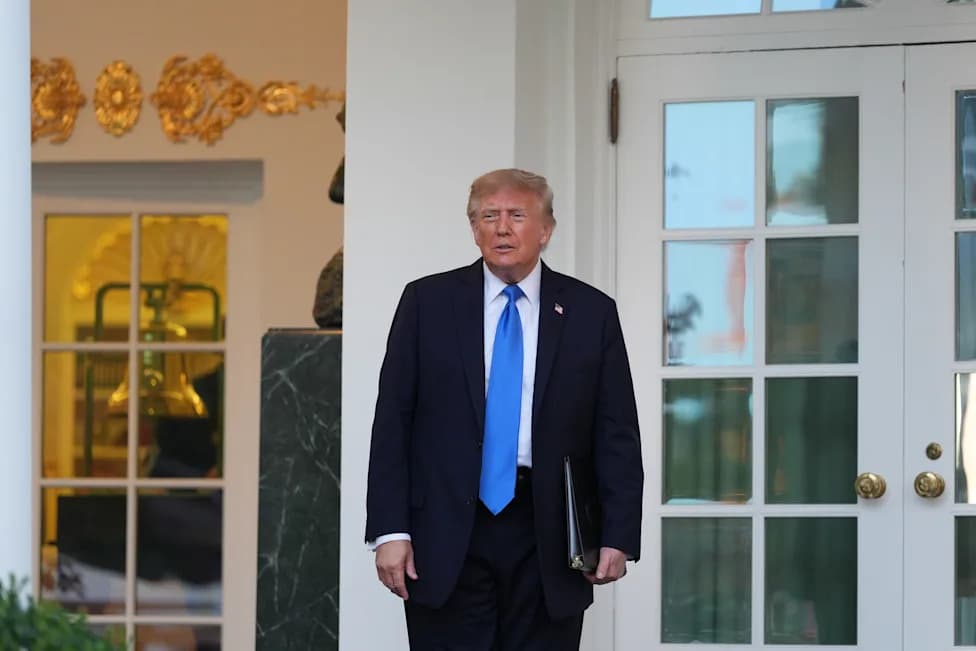
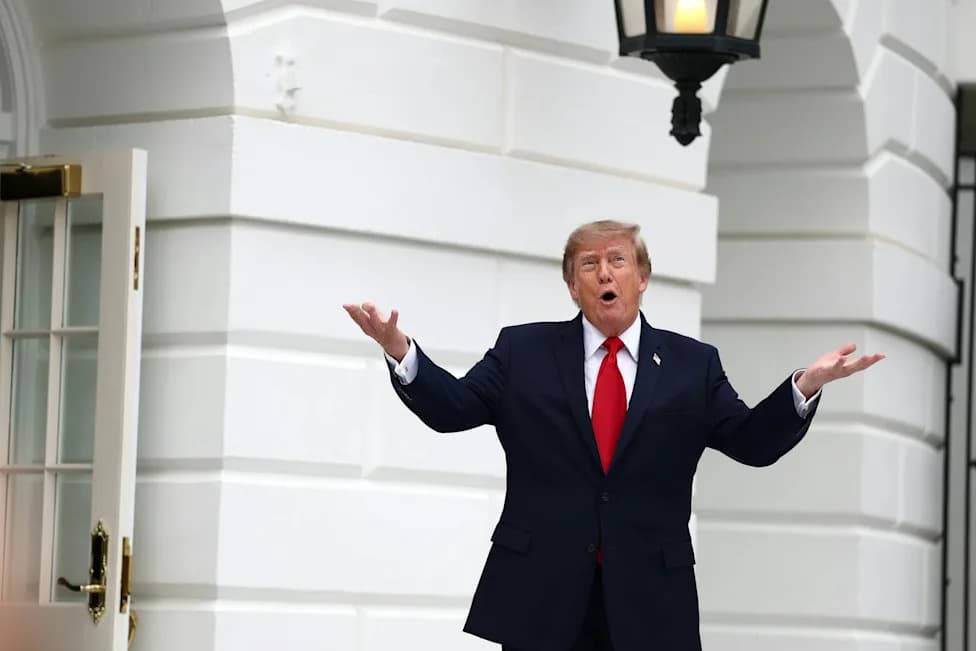
President Donald Trump has publicly disputed claims of shortages, writing on Truth Social: "The U.S. has massive amounts of 'munitions,' especially of certain types." Independent reporting and military officials, however, present a starker picture. A recent Quinnipiac University poll found that 66% of Americans question whether the conflict is worth the effort.
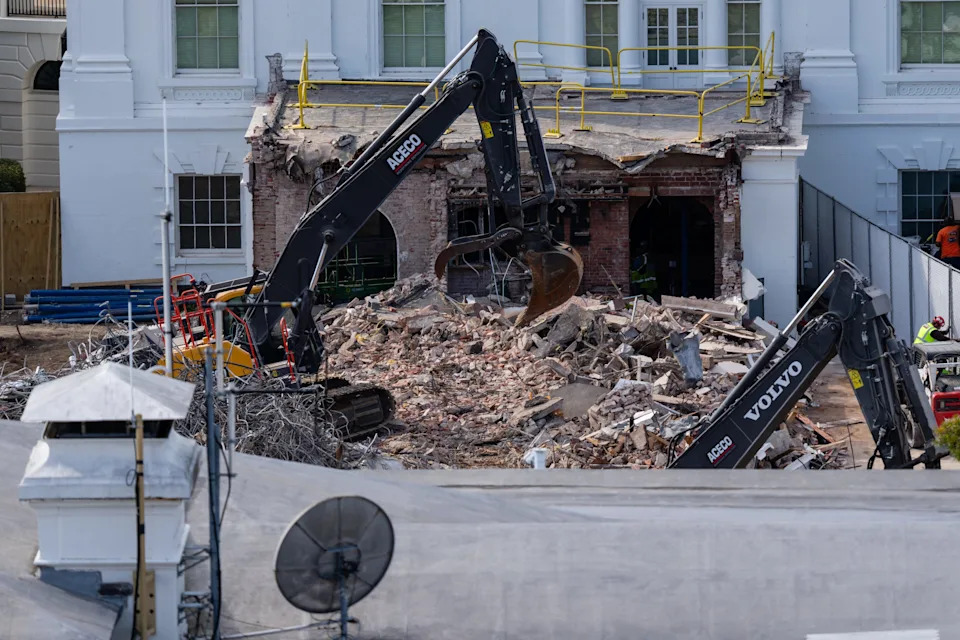
An excavator works to clear rubble after the East Wing of the White House was demolished on Oct. 23, 2025 in Washington, DC. The demolition is part of President Donald Trump's plan to build a ballroom reportedly costing at least $250 million on the eastern side of the White House.
A satirical response
This column offers a tongue-in-cheek catalog of improvised alternatives to conventional munitions—not serious policy proposals, but a satirical critique of supply shortages and political spin. Among the imagined substitutes are pieces of the failed liner from the Lincoln Memorial Reflecting Pool (coatings marketed as Rhino 406 and Pipeliner 5000), surplus consumer merchandise from the Trump Store (tumblers, candles, pickleball rackets and trinkets), debris from White House renovations, and repossessed vehicles and appliances. The intent is irony: to highlight the gap between official assurances and reported realities.
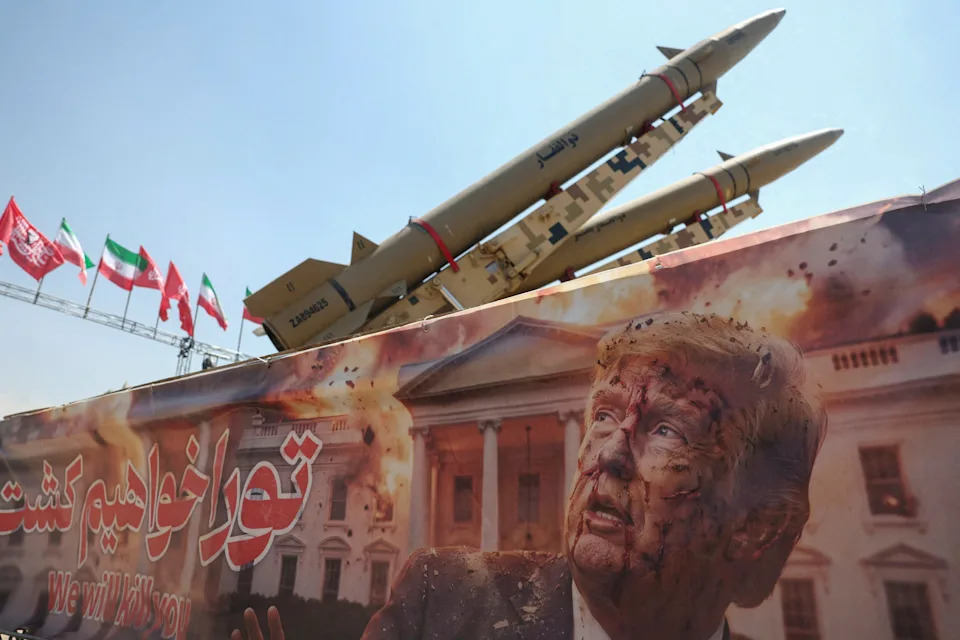
A banner with a picture of U.S. President Donald Trump next to an Iranian missile system at Azadi Square in Tehran, Iran, on July 30, 2026.
Why this matters
The reported depletion of interceptors, long-range cruise missiles and Army tactical missiles raises strategic questions about readiness, deterrence and the time and cost required to rebuild stockpiles. Policymakers will need to balance operational demands, industrial base capacity and long-term procurement plans to restore adequate inventories.
Author note
This piece adapts a satirical column by Rex Huppke originally published in USA TODAY and clarifies the factual reporting behind the satire. The improvised ideas described here are rhetorical devices and not actual military recommendations.
Help us improve.