The Pentagon inspector general's Sept. 14 report — the first formal, congressionally mandated accounting of the Iran conflict through June 30 — finds that Iranian strikes damaged hundreds of structures at U.S. bases across the Middle East and hit the Navy logistics hub in Bahrain. The conflict cost roughly $33.4 billion in the period covered, with an additional $184 million estimated to repair U.S. diplomatic facilities. The report warns of strategic munitions shortfalls and industrial bottlenecks; the Defense Department says it is streamlining procurement and stockpiling critical materials while administration leaders publicly dispute claims of depleted stocks.
Pentagon Watchdog: Iran Strikes Create Munitions Shortfall and Damage Hundreds of U.S. Facilities

Secretary of Defense Pete Hegseth listens as President Donald Trump speaks Sept. 2 during an "End of Summer BBQ" with Republican lawmakers in the Rose Garden at the White House in Washington, D.C. The Pentagon inspector general has released its first report into the Iran conflict, including information on U.S. munitions shortfalls. Photo by Samuel Corum/UPI
The U.S. Defense Department's inspector general released its first congressionally mandated report on Sept. 14 documenting losses from the Iran conflict and warning that munitions inventories have been strained. The review covers activity from the start of the fighting in late February through June 30 and provides the department's initial formal accounting of damage and costs.
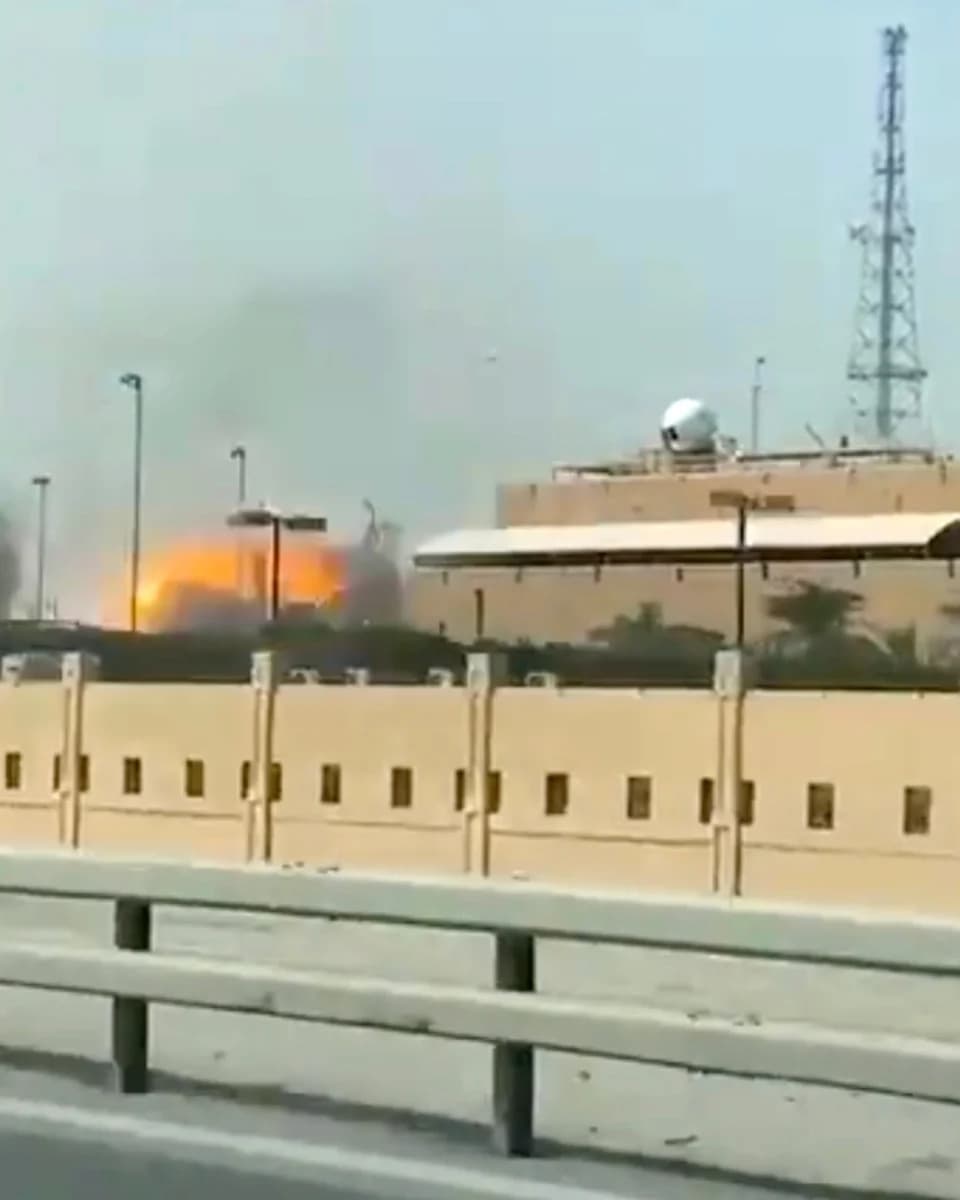
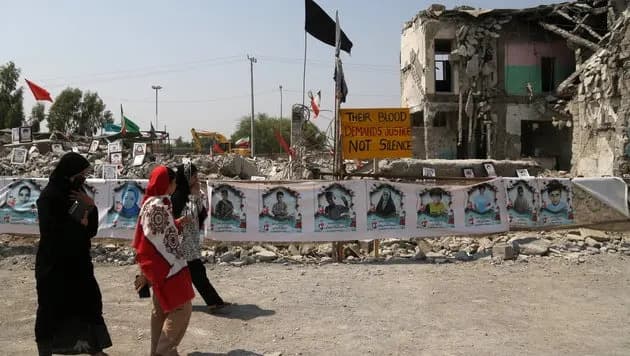
Widespread Damage Across the Region. The report, citing communications with U.S. Central Command, states that "Iranian strikes damaged and destroyed hundreds of buildings and structures at U.S. bases in Kuwait, Bahrain, Qatar, [United Arab Emirates], Saudi Arabia, Iraq, Oman and Jordan." It also confirms that Iran struck the U.S. Navy's principal logistics hub in the region, located in Bahrain.
Costs and Repair Estimates. For the period examined, the conflict incurred roughly $33.4 billion in costs; that figure does not include the price of repairing damaged U.S. military facilities. Other outlets and Pentagon statements have offered different tallies: NBC News reported in July that the war's total cost to date was between $80 billion and $100 billion, while the Pentagon's own July estimate was $37.5 billion — likewise excluding infrastructure repairs and related expenses. The inspector general did not provide a comprehensive estimate for repairing U.S. military installations but identified an estimated $184 million to repair U.S. diplomatic facilities across the Middle East.
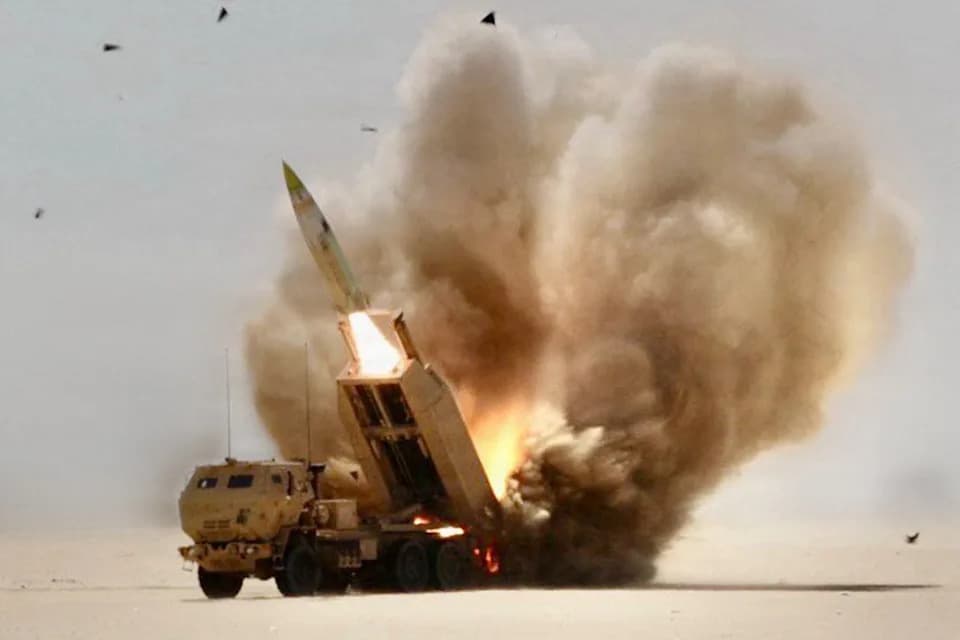
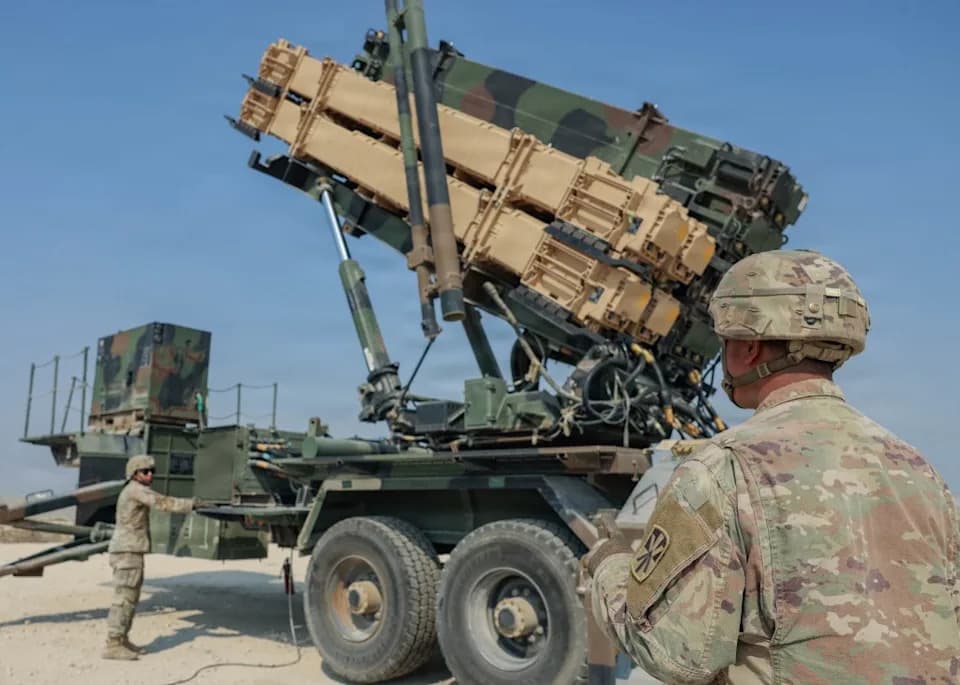
Munitions Shortfalls and Industrial Bottlenecks. On munitions, the report states that "the munitions expenditure ... has resulted in strategic inventory shortfalls and revealed industrial base bottlenecks for munitions resupply." To address these challenges, the Defense Department is working to streamline procurement processes, shorten production lead times, and stockpile critical materials, components and selected munitions to improve rapid-response capability for future contingencies.
Public Statements and Disputes. Administration officials and Pentagon leaders have publicly disputed media accounts that munitions stockpiles were exhausted. The inspector general's report notes those denials while also documenting the operational impacts described above.
President Donald Trump: In social media posts, the president asserted that the United States is "producing more Exquisite and Elite Weapons than at any time in our History" and said armaments "are being delivered on a daily basis to our Forces in the Middle East and beyond." He has also described some reporting of shortages in strong terms.
Implications. The inspector general's findings highlight tensions between public assurances and operational realities: while senior officials emphasize production and replenishment efforts, the report documents concrete inventory pressures and supply-chain constraints that the Defense Department says it is taking steps to remedy. The report underscores the need for continued monitoring of munitions stocks and industrial capacity as operations continue in the region.
Help us improve.