Judge Dabney Friedrich has ruled that an alleged 2012 confession by Libyan suspect Abu Agila Mas'ud Kheir Al-Marimi may be admitted at his upcoming US trial over the 1988 Lockerbie bombing. Defence lawyers argued the statement was coerced, but prosecutors said its detailed claims can be corroborated and the Libyan officer who recorded it has testified in the United States. Al-Marimi denies the charges; jury selection is set to begin later this month.
Judge Permits Alleged Lockerbie Confession to Be Used in US Trial
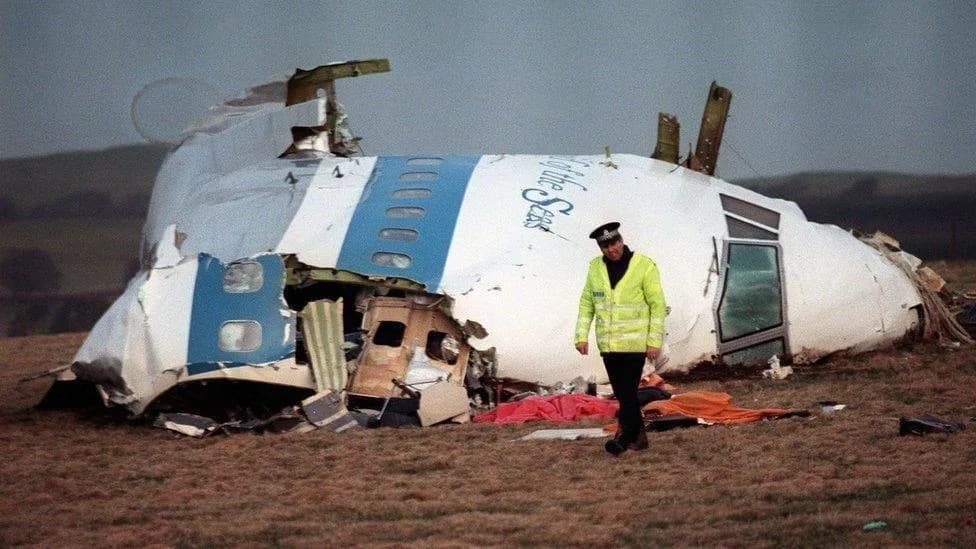
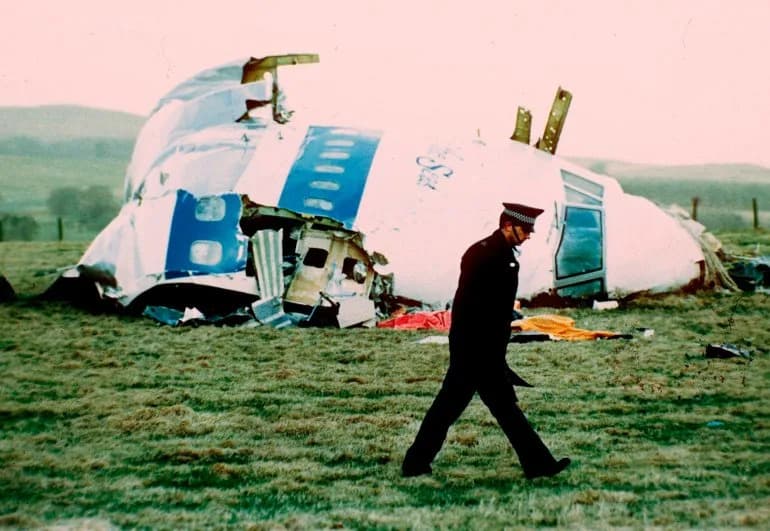
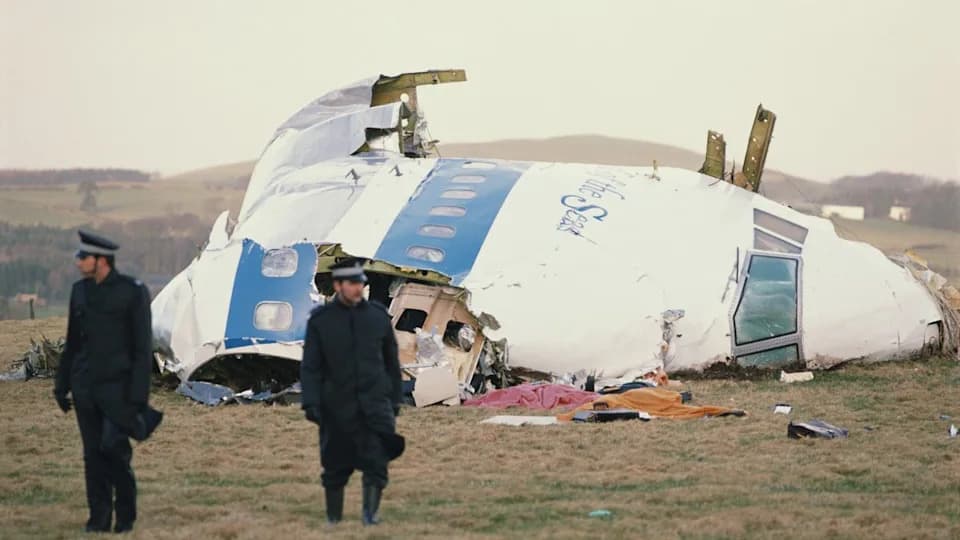
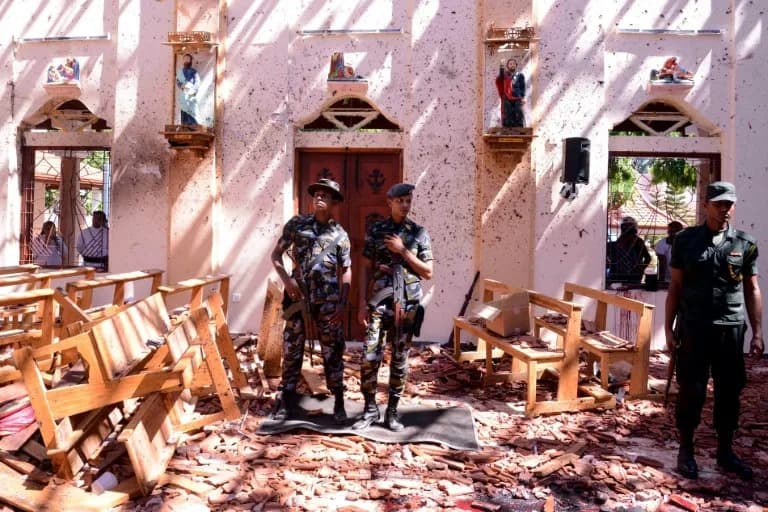
A total of 270 people died in the Lockerbie bombing on 21 December 1988 [Getty Images]
A federal judge has ruled that an alleged 2012 confession by Libyan suspect Abu Agila Mas'ud Kheir Al-Marimi may be admitted as evidence in his upcoming trial in Washington, D.C. The decision clears the way for the disputed statement to form a central piece of the prosecution's case when the deferred trial opens later this month.
Confession, Document Chain and Missing Originals
Prosecutors say a Libyan police officer identified in court as Jamal recorded a handwritten confession and kept a carbon copy in his safe. Jamal reportedly handed those documents to the Libyan Attorney General's Office in 2015; a copy was later shared with Scotland's Crown Office in 2017 and provided to US authorities after Al-Marimi was charged in 2020. At a suppression hearing, prosecutors told the court that Tripoli authorities could not locate the original handwritten page or the carbon copy when asked to produce them.
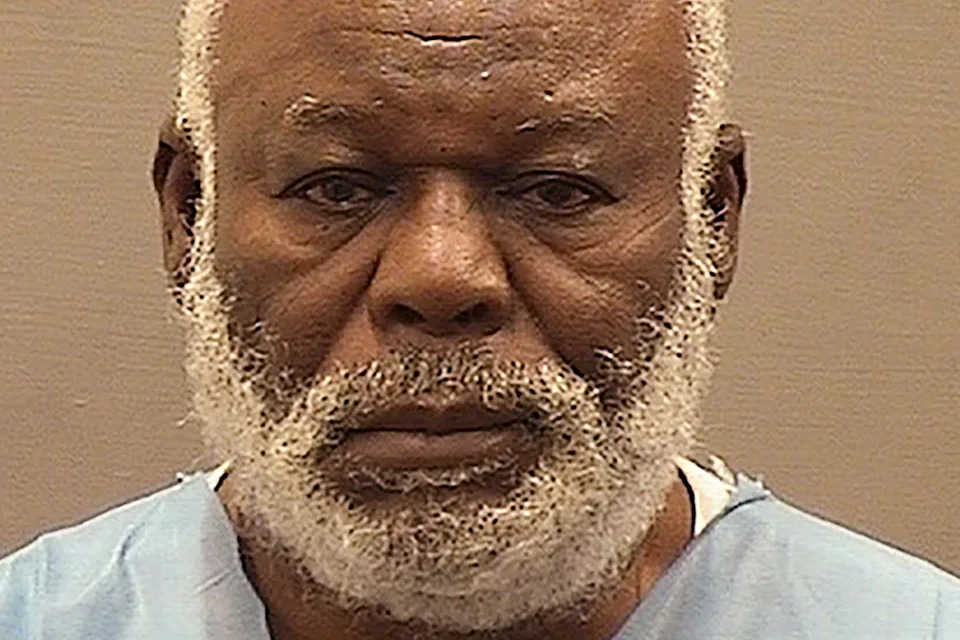
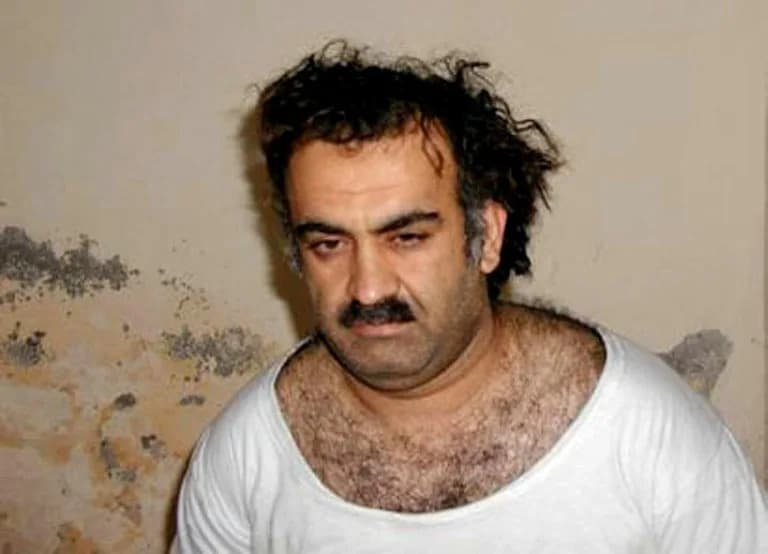
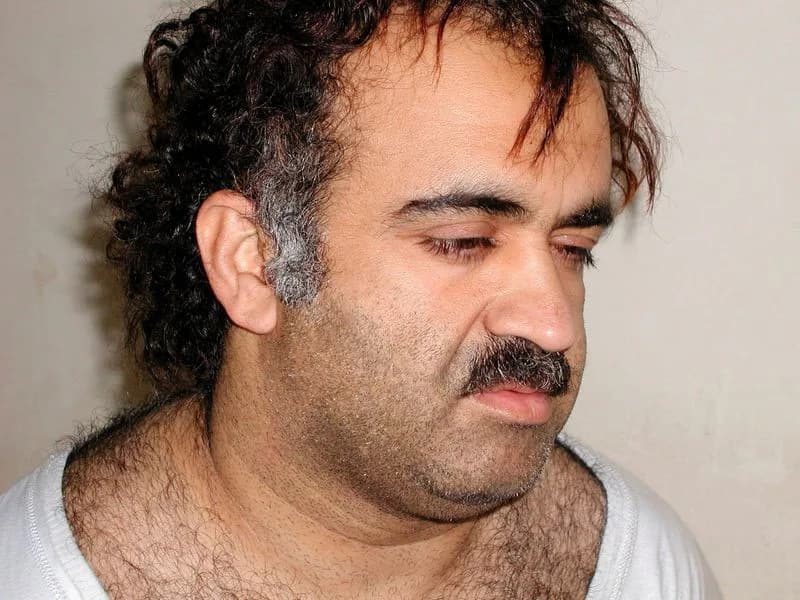
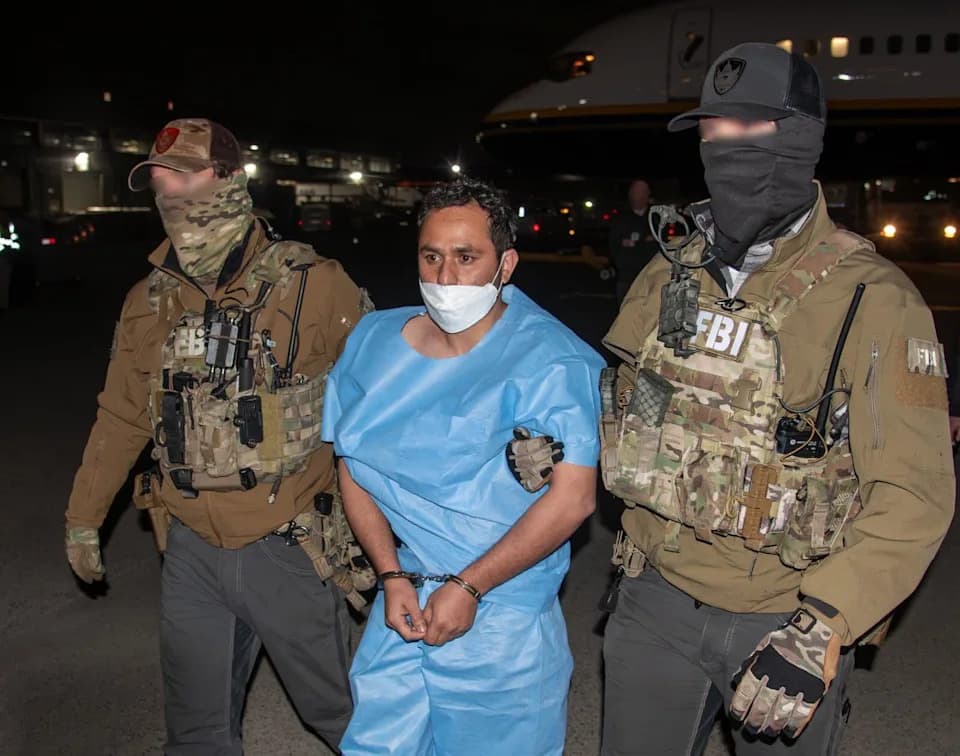
Abu Agila Mas'ud Kheir Al-Marimi has been in custody since December 2022 [Reuters]
What the Confession Allegedly Says
According to an FBI criminal complaint and Jamal's account, Al-Marimi admitted to transporting a bomb concealed in a suitcase from Libya to Malta, setting a timer so the device would detonate roughly 11 hours later, and handing the bag to an accomplice at Malta's Luqa airport. The unaccompanied bag was then introduced into the international baggage system and tagged for the United States. The device later exploded aboard Pan Am Flight 103 at about 31,000 ft, killing 259 passengers and crew and 11 people on the ground in Lockerbie.
Legal Arguments and Hearing
Defense lawyers argued the statement was coerced and false and sought to exclude it from trial. Prosecutors countered that the confession contains detailed information that could be corroborated and is therefore unlikely to be fabricated. Jamal traveled to the United States and testified at a motion to suppress hearing, where his testimony was considered by Judge Dabney Friedrich, who ultimately ruled the statement can be admitted.
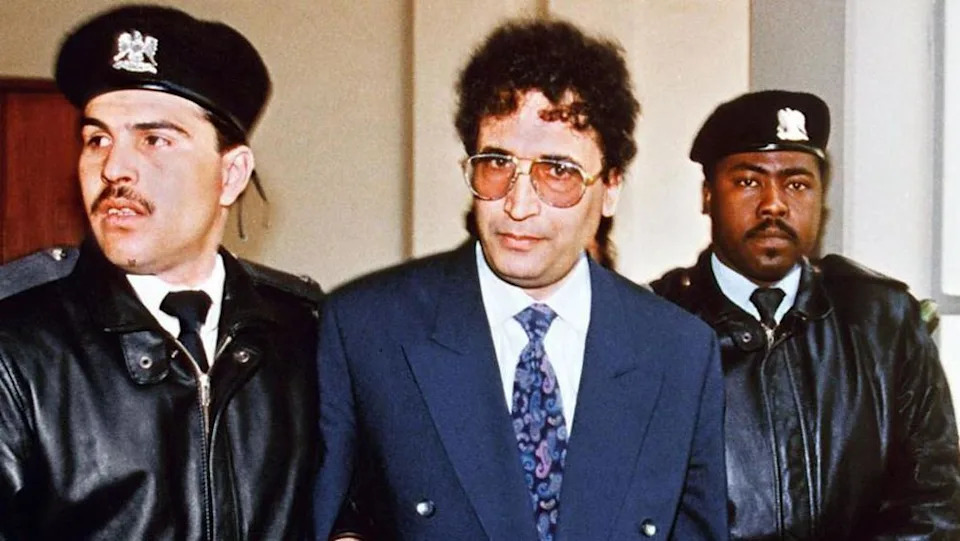
Abdelbaset Ali Mohamed al-Megrahi, centre, is the only person to have been convicted in connection with the Lockerbie bombing [AFP via Getty Images]
Victims, Accused and Trial Timing
Al-Marimi, a grandfather in his seventies, has been in US custody since December 2022 and has pleaded not guilty to a charge of destruction of an aircraft resulting in death. Relatives of the American victims welcomed the judge's decision, calling it another step in their long fight for justice. Jury selection is scheduled to begin later this month.
Historical Context
The Lockerbie bombing on 21 December 1988 remains one of the deadliest terrorist attacks involving an airliner in modern British history. Of the 270 victims, 190 were American and 43 were British. The only previous trial linked to the bombing resulted in the 2001 conviction of Abdelbaset al-Megrahi; he was later released on compassionate grounds in 2009 and died in 2012.
Statement From Victims' Group: "We are pleased with today's ruling. Jamal's courage to come forward with this confession and his testimony during the motion to suppress hearing does not go unnoticed by family members."
The ruling makes it likely that Jamal will be called as a witness at trial, where jurors will be able to hear his testimony and the defence will have the opportunity to challenge his account directly.
Help us improve.