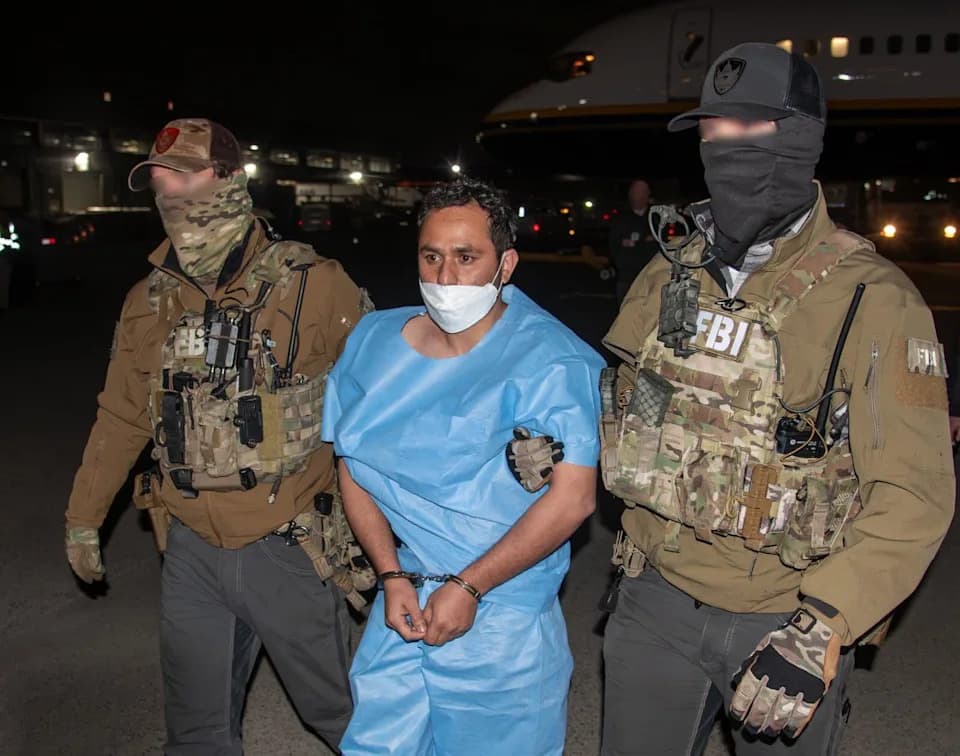
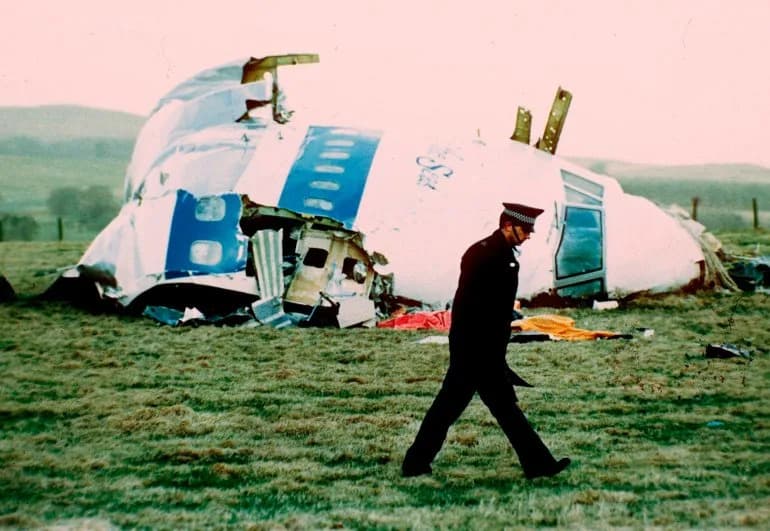
The High Court of Colombo will hand down its verdict in the trial of 24 men accused of plotting the 21 April 2019 Easter Sunday bombings that killed 279 people, including 45 foreigners. Prosecutors have filed a record 23,270 charges and have named Mohamed Naufar as the alleged ringleader; all defendants deny the charges. A parallel investigation probes alleged state links, including accusations against former intelligence chief Suresh Sallay, which the Rajapaksa camp denies.
Verdict Due in Landmark Trial Over 2019 Easter Sunday Bombings in Sri Lanka
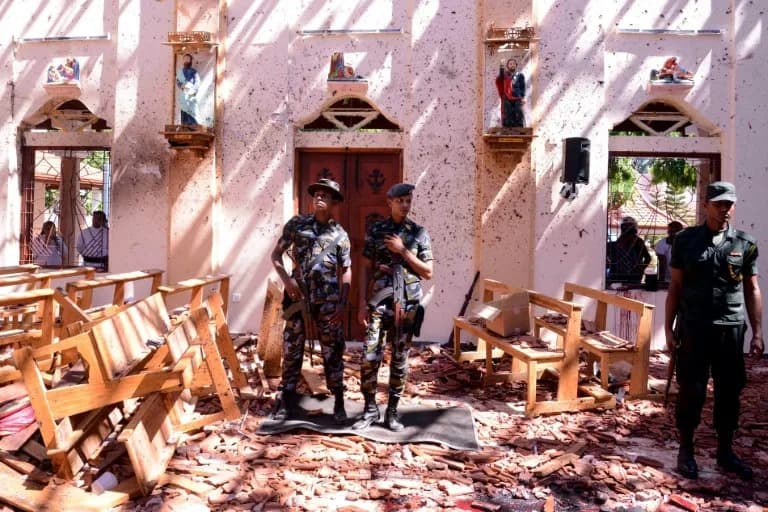
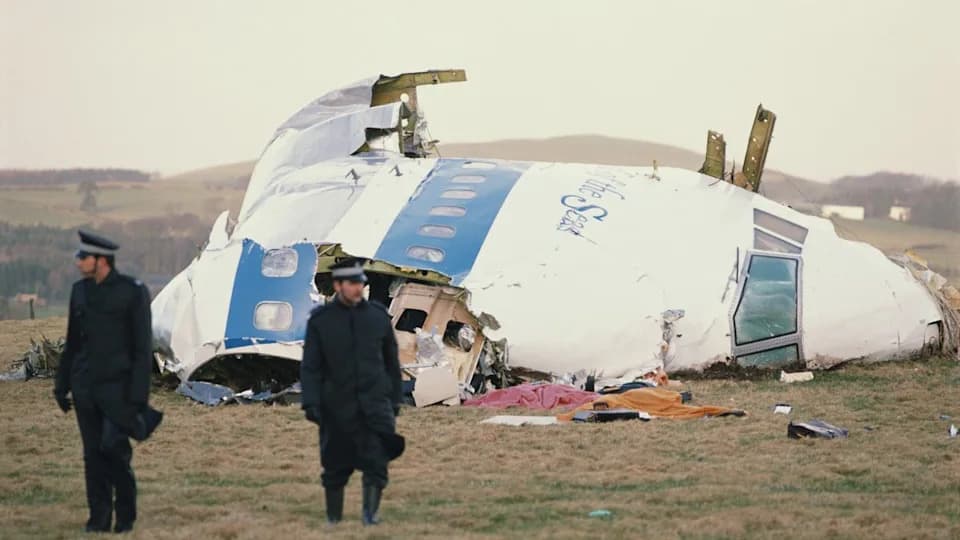
Suicide bombers struck luxury hotels and churches in Sri Lanka on April 21, 2019, killing 279 people (STR)
The High Court of Colombo is set to deliver a verdict in the landmark trial of 24 men accused of plotting the 21 April 2019 Easter Sunday bombings, the deadliest attack on civilians in Sri Lankan history.
Background of the Attacks
On 21 April 2019, suicide bombers struck three luxury hotels and three churches in coordinated blasts that killed 279 people, including 45 foreign nationals. Investigators have attributed the attacks to a homegrown Islamist extremist network.
The Trial
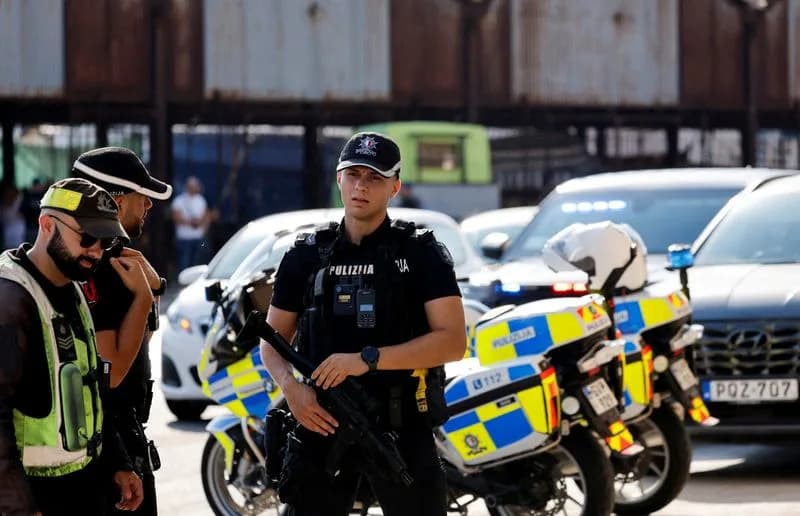
Twenty-five people were originally indicted; one died in custody, leaving 24 defendants on trial. The hearing will open at 9:30 a.m. local time (04:00 GMT) at the High Court of Colombo. Police say extraordinary security measures will be in place around the court complex because of high public interest.
Prosecutors have filed an unprecedented 23,270 charges in this single prosecution — the most ever recorded in Sri Lanka — including counts of murder, conspiracy to commit terrorism and possession of firearms and explosives under the Prevention of Terrorism Act. All defendants deny the allegations.
Key Allegations and Wider Inquiry
Authorities have identified Mohamed Naufar as the alleged ringleader who is accused of supporting the eight-member suicide squad that carried out the attacks. Local reporting says some defendants could face the death penalty if convicted, although Sri Lanka has not executed anyone since 1976 and death sentences are typically commuted to life imprisonment.
The trial continues against the backdrop of a separate and sensitive investigation into possible links between elements of the state and the perpetrators. Former intelligence chief Suresh Sallay is in custody and has been accused by investigators of orchestrating the bombings — allegations he denies. Public Security Minister Ananda Wijepala has publicly described Sallay as the suspected "mastermind".
Investigators allege the network may have been cultivated to manufacture a security threat that would bolster political support for the Rajapaksa family, which returned to power months after the attacks with Gotabaya Rajapaksa elected president. The Rajapaksa camp rejects claims of state involvement; supporters say militants used during the civil war later betrayed their handlers and acted independently.
International Links and Victims
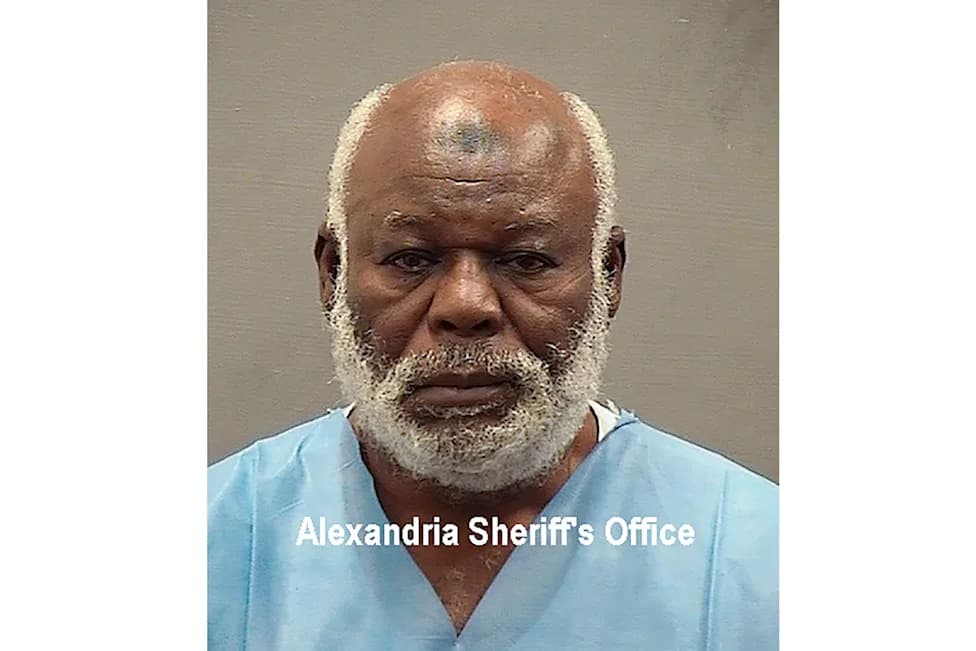
Three of the suspects in custody were also charged by US authorities in December 2020 with terrorism-related offences connected to the bombings. Five Americans were among those killed, along with citizens from Australia, India, the UK, Japan and several other countries.
What to watch: The court’s verdict will be closely followed at home and abroad for its legal significance and potential political ramifications.
Help us improve.