Since January 2025, the Trump administration has acquired ownership stakes in roughly 30 U.S. companies, including MP Materials, L3Harris/Missile Solutions and an $8.9 billion position in Intel that made the government its third-largest shareholder. Critics say the purchases resemble state control of productive assets while President Trump labels opponents "communists." Supporters call the moves voter-driven and strategically necessary; economists warn they risk politicizing investment decisions and distorting markets.
Trump’s Administration Accumulates Stakes in U.S. Industry — Critics Call It State Control While He Labels Opponents 'Communists'
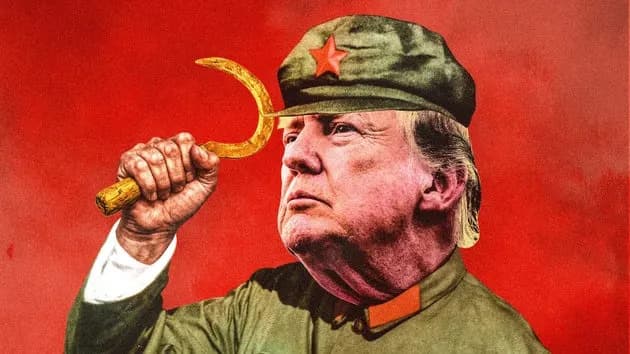
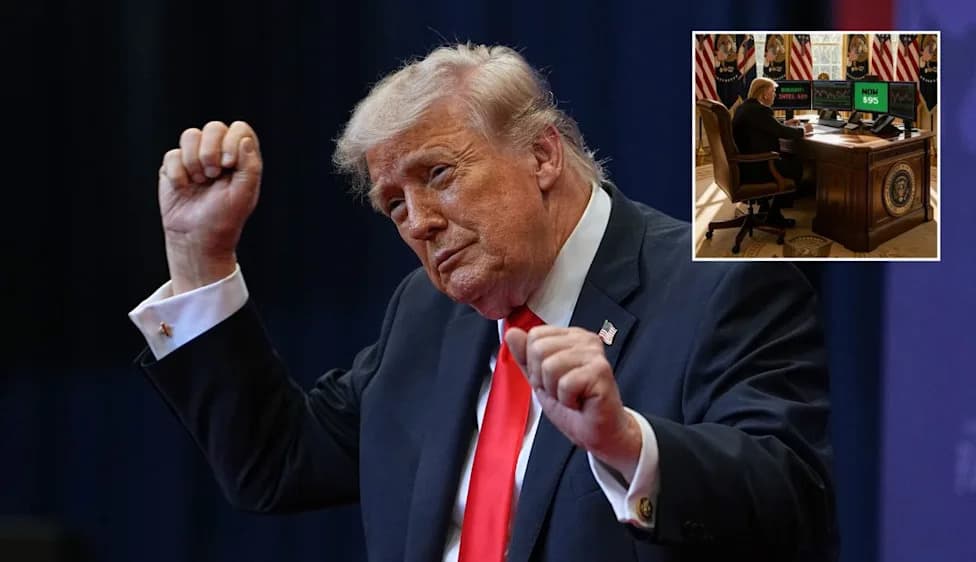
Illustration: Kelly Caminero/HuffPost; Photo: Getty Images
WASHINGTON — Since returning to the White House in January 2025, President Donald Trump’s administration has quietly accumulated ownership stakes in a growing number of U.S. companies. Critics say the practice resembles state involvement in production, even as the president frequently accuses his political opponents of being "communists."
What the Government Bought
Over the past year the executive branch acquired equity or other ownership positions in roughly 30 firms, according to a recent analysis by the Cato Institute. Notable holdings include approximately $400 million in rare-earth miner MP Materials, about $1 billion in L3Harris’s Missile Solutions unit, and an $8.9 billion stake in Intel that made the federal government the chipmaker’s third-largest shareholder.
Voices and Reactions
"I've been doing public policy for 25 years and I've never seen anything like this," said Tad DeHaven of the Cato Institute.
Ty Cobb, a former member of Trump’s first-term White House Counsel's office who has become a vocal critic, observed that government ownership of factories fits a classic description of communist economies: "Nothing says communism like state-owned enterprises," he said.
California Governor Gavin Newsom mocked the administration in an all-caps statement: DONALD TRUMP IS THE LEADING SOCIALIST OF OUR TIME! WITH HIS GLORIOUS GOVERNMENT TAKEOVER, THE SOCIALIST REPUBLIC OF AMERICA ENTERS A BOLD NEW ERA OF GOVERNMENT-RUN BUSINESS! ALL HAIL COMRADE TRUMP!
Trump's Own Statements
Mr. Trump has at times publicly touted these investments. At a July 23 event he said: "We had Intel, and we made a purchase of 10 percent of Intel. We got it for the right price and we made approximately $72 billion on that deal," describing the administration's intervention. Minutes later he returned to rhetoric denouncing opponents as "communists," saying: "They call them socialists, but these people are communists actually more. I think it's a much more accurate term."
Political Defense And Criticism
The White House argues the moves reflect voter demands. Spokesman Kush Desai said the president was implementing policies that respond to voters and correct what the administration calls "America Last" practices. Still, some Republicans and conservative commentators have expressed discomfort, noting the purchases contradict traditional free-market principles.
"Conservatives used to clearly recognize this and call it out as corrupt, command-and-control economics," said Amanda Carpenter, a former aide to Sen. Ted Cruz.
Economic Concerns And Context
Economists warn that government equity stakes can politicize investment, distort markets and present risks for taxpayers. University of Michigan economist Justin Wolfers said: "If you think you're smarter than markets, then you substitute your judgment for that of markets." Observers also contrasted the scale and intent of these purchases with the Obama-era automaker stakes, which were undertaken during a crisis and later sold as companies recovered.
Bottom line: The administration's accumulation of corporate equity has ignited debate across the political spectrum about the role of government in markets, the meaning of free-market principles, and the use of state power for strategic or financial ends.
Help us improve.