State representative Justin Pearson is leading opposition to AI data-center expansion in South Memphis, arguing that turbines and related construction could worsen air quality and asthma in already overburdened neighborhoods. Lawsuits allege xAI turbines could emit more than 2,500 tons of smog-forming pollution annually, while xAI agreed to remove unpermitted turbines and add emission controls by July 2027. National polling shows strong public resistance to local data centers, and Pearson is calling for a moratorium as officials consider stronger permits and community protections.
Justin Pearson Warns AI Data Centers Could Increase Smog, Asthma Rates and Power Bills in South Memphis

Photo Credit: Getty Images
Tennessee state representative Justin Pearson has emerged as a leading critic of the environmental and public-health consequences of rapid AI infrastructure growth, focusing on developments in South Memphis that he says disproportionately affect already overburdened, predominantly Black neighborhoods.
Local Concerns and Health Risks
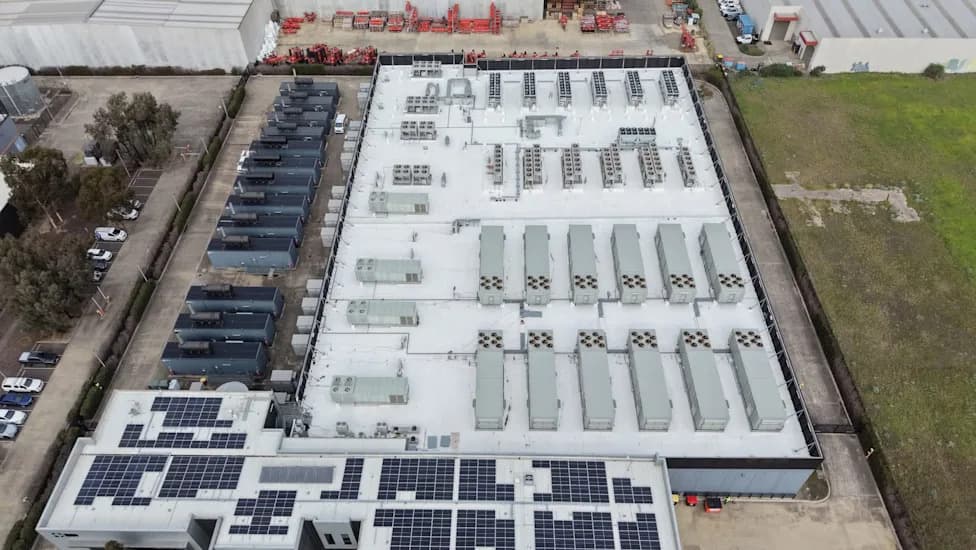
Pearson points to xAI's expanding facilities near residential areas as a direct threat to community health. Legal filings allege turbines powering the company's supercomputing site could release more than 2,500 tons of smog-forming pollution annually into a region that records the state's highest rate of asthma-related emergency-room visits. Residents and relatives, Pearson says, have reported worsening respiratory problems as construction and operations intensify.
Community and Environmental Justice
Opponents argue the projects raise environmental justice concerns: low-income and predominantly Black neighborhoods are hosting infrastructure whose local costs — pollution, water stress and noise — may not be matched by local economic benefits. Critics also cite limited transparency around project approvals and worry host communities will be left with health and resource burdens while corporations reap profits.
AI is controlled by people. Data centers are built by people. And those people and how they exist and operate in the world are a threat to humanity.
Company Response and Legal Steps
xAI has said it reached an agreement with the neighboring State of Mississippi to remove turbines that were operating without Clean Air Act permits by July 2027 and to equip its mobile turbines with advanced emission-control technologies. The company added that it cares deeply about being good neighbors, while environmental groups have continued litigation against the firm.
Broader Context
The debate extends beyond Memphis. A March 2026 Gallup survey found that 70% of Americans would oppose a data center in their community, naming air pollution and water use as top concerns. A July Politico poll showed 41% of respondents would oppose a data center within three miles of their homes, up from 28% earlier in the year. These worries come as major tech companies are projected to invest roughly $670 billion in new facilities in 2026.
Supporters of AI note the technology's potential societal benefits — for example, improved medical diagnostics — but also acknowledge that large AI systems require substantial electricity and, in many cases, significant water for cooling. When that demand is met with fossil fuels or expensive grid upgrades, nearby communities can face poorer air quality, strained water resources, and potentially higher utility bills.
Political Response
Pearson has called for a moratorium on new data center construction while policymakers consider stricter permitting, community benefit agreements, and emissions controls. His stance appears to be gaining traction with other politicians and local leaders who are increasingly attentive to environmental and equity concerns tied to rapid data-center expansion.
Key takeaway: The dispute in South Memphis highlights a national tension between the benefits of AI infrastructure and the environmental, health, and equity costs faced by hosting communities.
Help us improve.