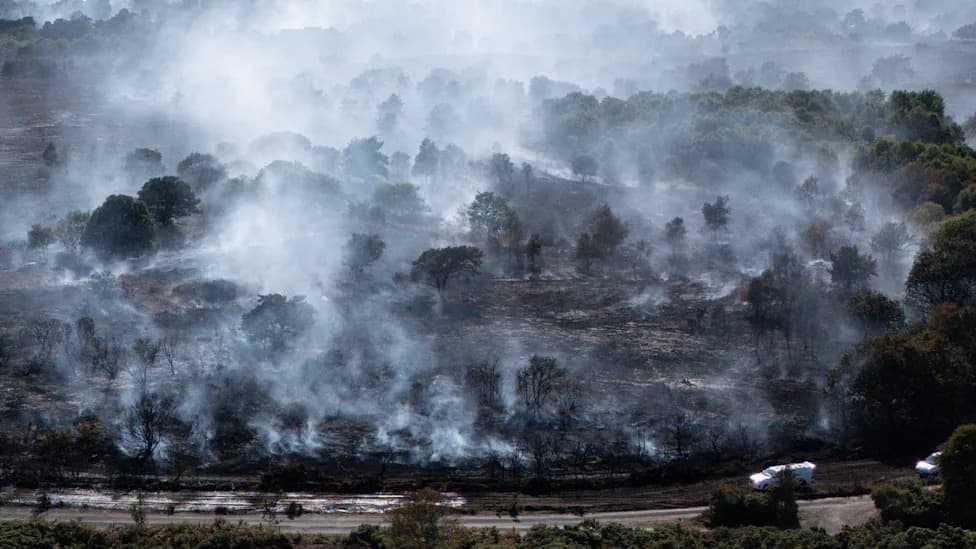
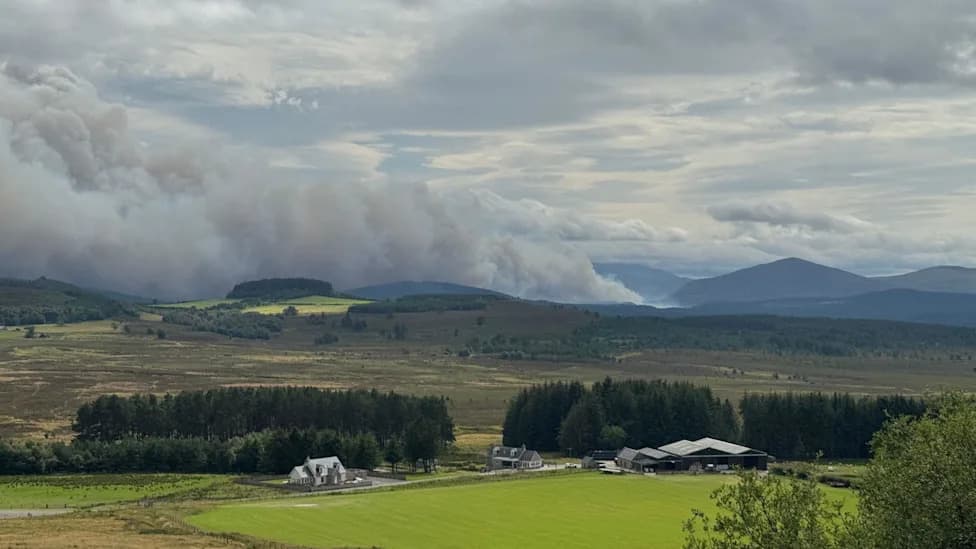
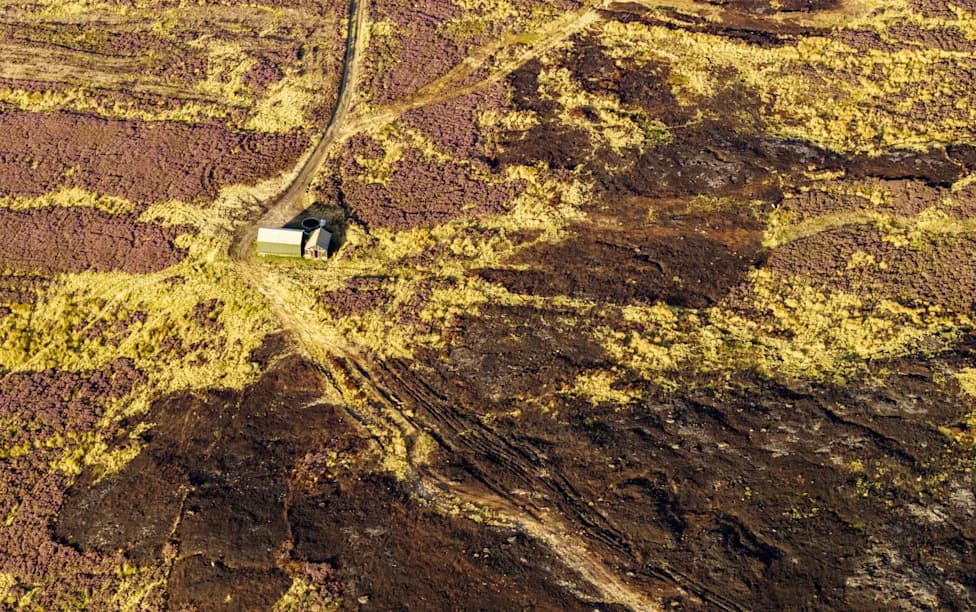
An emergency appeal to restore Dunwich Heath has raised £350,000 in four days after a major wildfire swept through the National Trust reserve on 29 July, burning 371 acres (150 hectares) of valuable heathland.
Damage and Fundraising
The National Trust, which has set an initial fundraising target of £500,000, described the landscape as "unrecognisable" and says at least two years of intensive restoration work will be required to begin recovery. The trust has not yet been able to carry out a full site survey but estimates the initial cost and effort needed to stabilise and repair the reserve at a minimum of £500,000.
“This beautiful purple landscape, once filled with the sound of warblers and skylarks and people enjoying a walk through the heather, is now unrecognisable,” said Hilary McGrady, director-general of the National Trust.
Firefighting Response
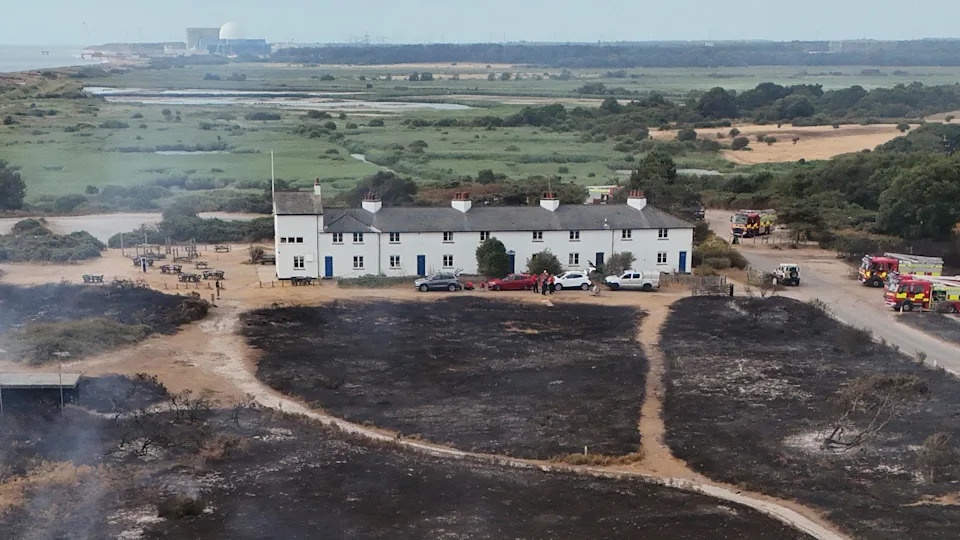
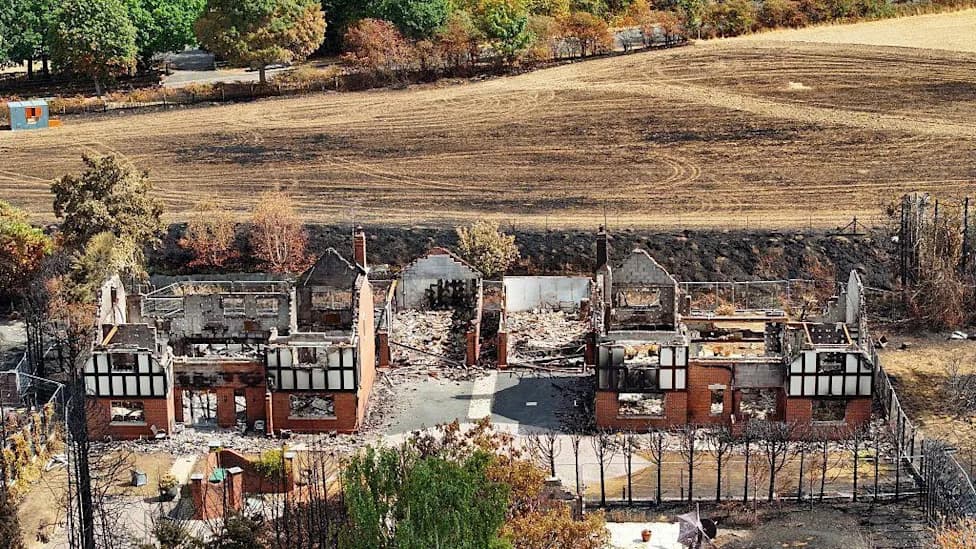
Firefighters fought to save the Coastguard Cottages at the site [Reuters]
The blaze — which also affected nearby RSPB Minsmere — prompted an extraordinary response: around 600 firefighters from every fire station in Suffolk attended the major incident during the week following the fire. At its peak, about 120 firefighters were on the ground, and crews from 18 fire and rescue services across the country provided mutual aid.
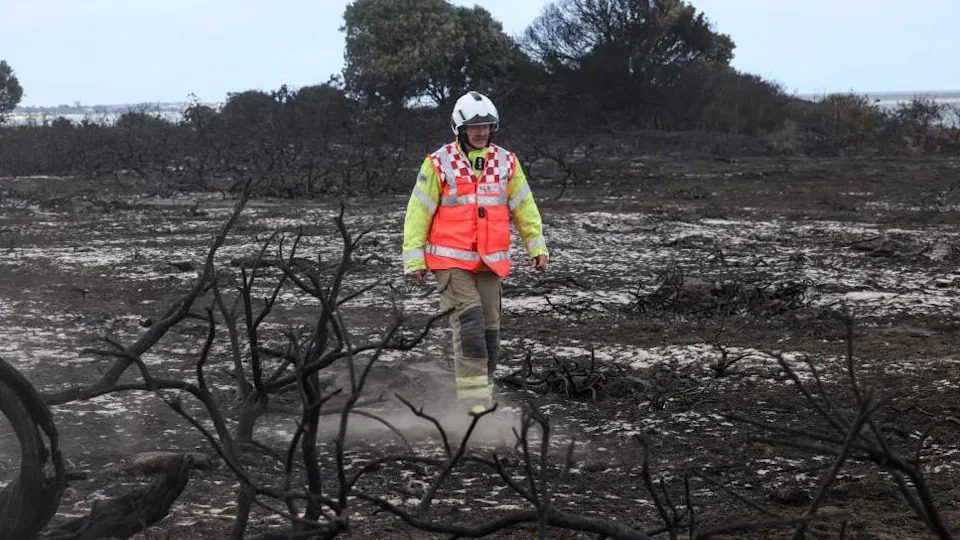
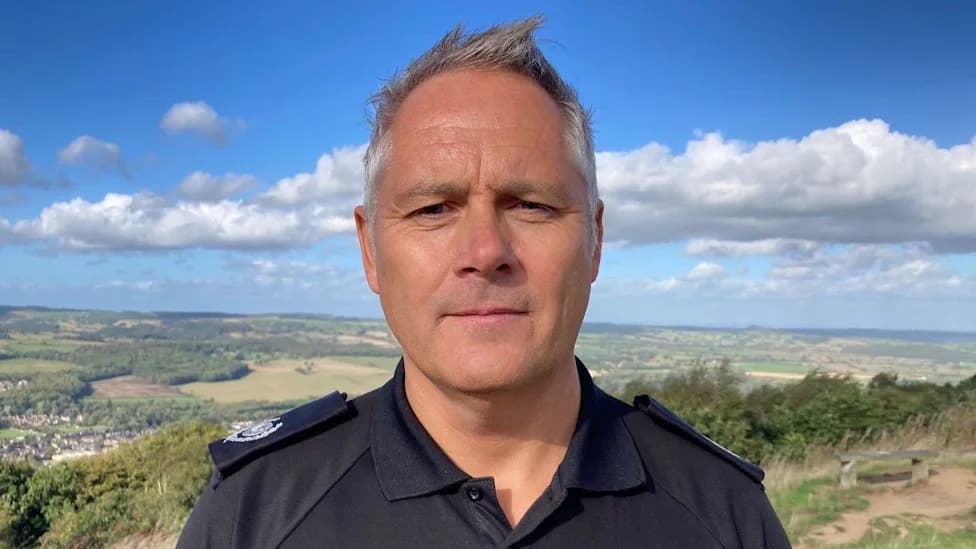
Chief Fire Officer Jon Lacey called the event both "unprecedented for Suffolk" and effectively a national incident. Fire crews remain at the scene monitoring for hotspots and any subterranean burning.
Operational Challenges
Firefighters reported that oily vegetation with deep roots and animal burrows allowed the fire to travel underground and re-emerge unpredictably, complicating efforts to extinguish the blaze. Crews urged the public to stay away from the reserve while operations continue.
Firefighters remain at the scene monitoring the area [PA Media]
Community Support and Recovery Work
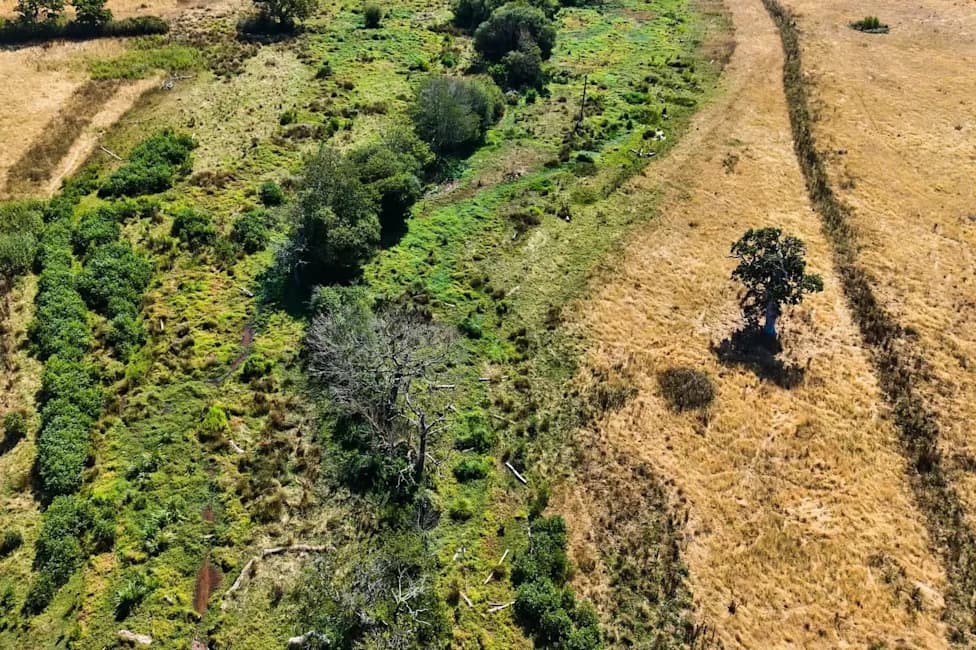
Local volunteers and organisations provided critical support: The Salvation Army served around 1,500 meals to responders, and local farmers helped create roughly 3.1 miles (5 km) of firebreaks — cleared strips of land that helped stop the fire spreading. Planned restoration work includes securing and making the site safe, conducting thorough surveys, restoring habitat, and repairing visitor routes and facilities. The National Trust also outlined a decade-long ambition to restore Dunwich Heath so it is resilient to climate change.
What Happens Next
With fundraising continuing and assessment work underway, the immediate priorities are safety, detailed damage surveys and establishing a clear restoration programme. The trust and partner organisations will publish further plans as surveys allow.