U.S. strikes tied to the confrontation with Iran have rapidly drawn down key long-range and defensive munitions, exposing a vulnerability in American military logistics with consequences for global deterrence and allies. The depletion highlights a blunt reality of modern war: technological superiority matters, but so does the ability to produce and sustain large quantities of a single, critical weapon.
What Happened
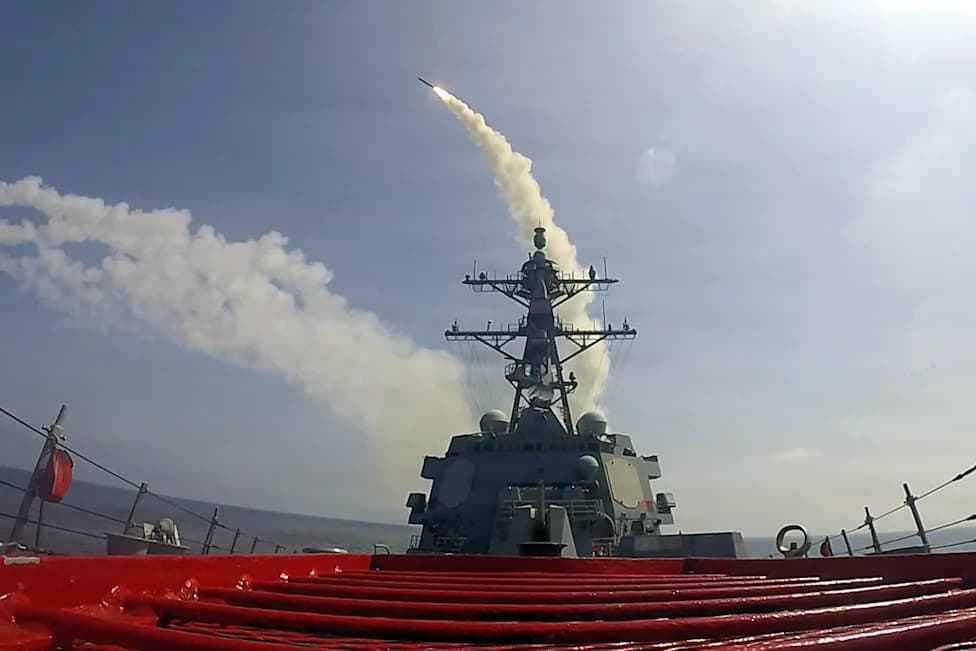
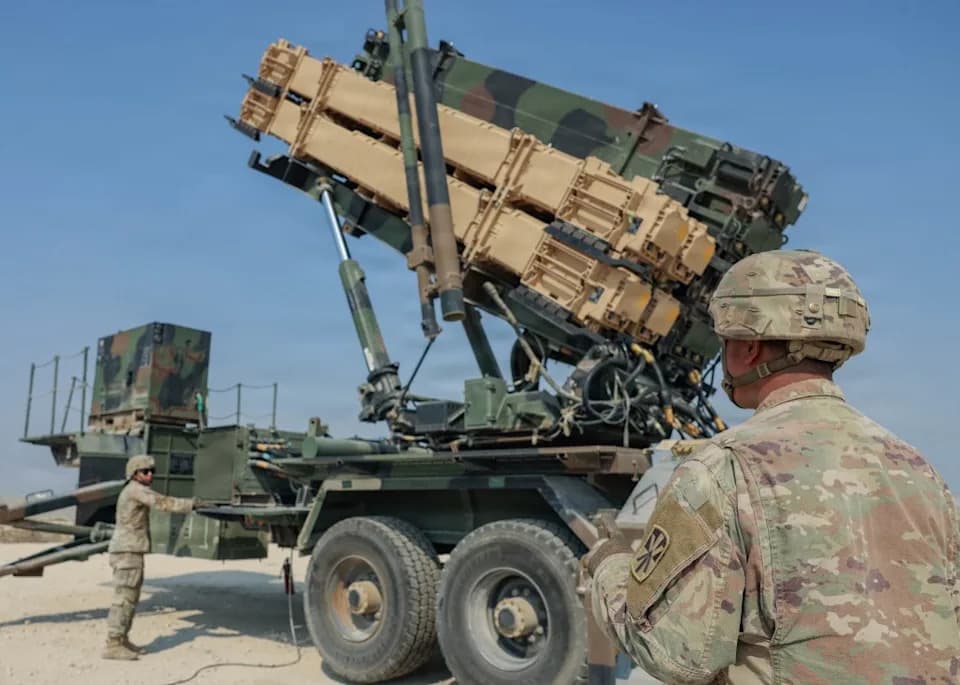
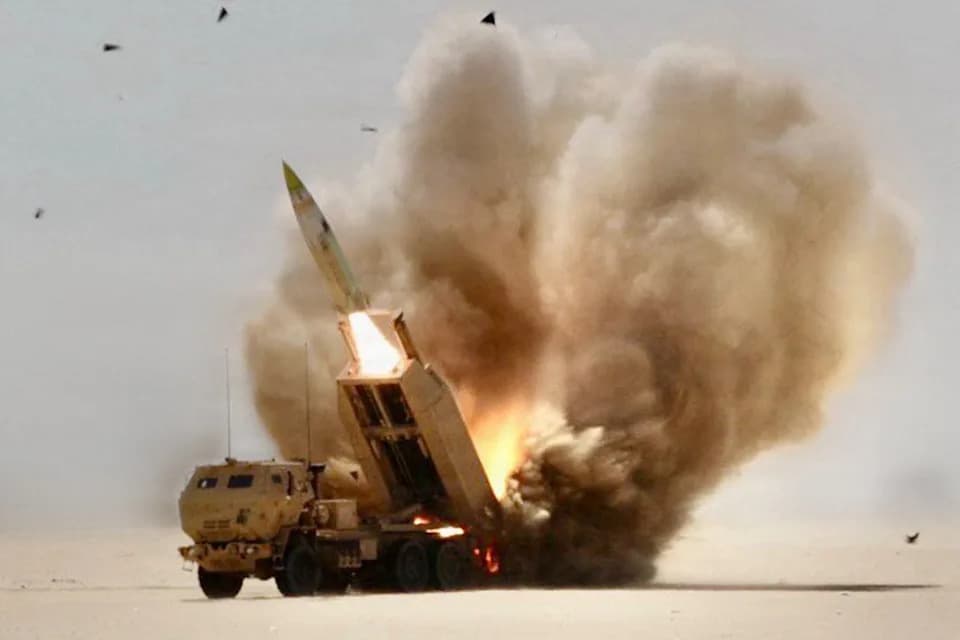
Recent reporting indicates the U.S. has expended 'virtually all' of its long-range surface-to-surface missiles used in strikes linked to Iran, referring primarily to Army Tactical Missile Systems (ATACMS) and Precision Strike Missiles (PrSM). Both systems typically cost more than $1 million per round. Reuters also reports that nearly half of U.S. Tomahawk cruise missile stocks have been used, while CNN says roughly 80 percent of THAAD interceptors and nearly 50 percent of Patriot interceptors have been consumed in the recent operations.
Why This Matters
These weapons let the U.S. strike deeply without committing manned aircraft or repositioning naval assets closer to hostile air defenses. When inventories shrink, commanders face harder choices: risk pilots and aircraft or accept fewer long-range options. That trade-off raises the stakes in a region where Iran and its proxies have been employing swarms of cheaper drones and rockets to project power.
Global Risks and Allies
Depleted U.S. stockpiles do not exist in a vacuum. Ukraine has long requested ATACMS to strike deeper into Russian-held areas; Taiwan’s deterrence posture also relies in part on the credibility of U.S. long-range strike options. If replenishment lags while new crises emerge, the balance of deterrence could shift in ways that favor adversaries.
Production And Replenishment
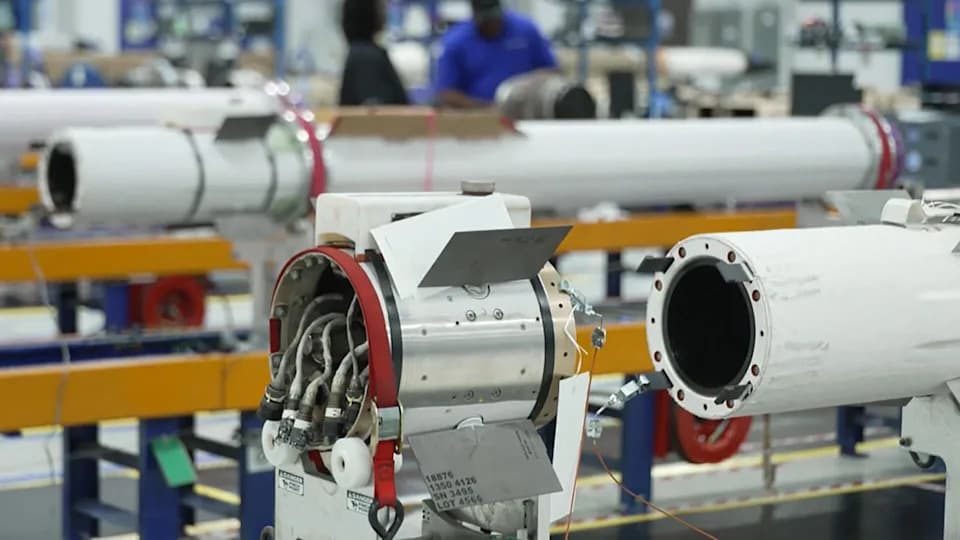
Major defense contractors such as Lockheed Martin and Raytheon are reportedly increasing production capacity, and the White House has played down immediate shortages. President Trump told Reuters the United States has 'far more munitions than anyone in the world' and that defense firms are expanding production. Still, ramping up complex missile and interceptor manufacturing — while meeting simultaneous global demand — takes time and supply-chain coordination.
Lessons From Ukraine
Ukraine's experience underscores how wars often become contests of attrition. In 2022–2023, Russia's initial edge came from massed 152-millimeter artillery stocks. Later, Ukraine gained advantage through cheap, disposable drones and creative adaptation. The cost of finding new operational solutions, however, was measured in lives and materiel — a reminder that overreach by any military can exact a steep toll.
The Strategic Bottom Line
Short-term: The U.S. must manage current operations carefully and prioritize which missions receive scarce munitions.
Medium-term: Accelerated production and international procurement will be essential, but timelines are uncertain.
Long-term: Policymakers should reassess stockpile strategies and industrial base resilience to avoid being forced into riskier, costlier options in future crises.
The immediate human and geopolitical costs of this depletion remain to be seen. What is clear is that modern militaries can be technologically advanced and still be vulnerable to simple math: expended rounds are gone, and producing replacements takes time.