Fifteen elephants found dead near Amboseli between 24 June and 24 July had traces of cyanide in stomach samples, leading Kenya Wildlife Service to investigate pesticides on nearby tomato farms as a possible source. Conservationists and local farmers question the pesticide theory, citing behavioural and forensic inconsistencies, including that only one adult male was among the dead. A 2024 Route To Food report documented a cyanide-containing insecticide in Kimana and warned of weak cross-border controls. Investigations are ongoing while concerns grow over hazardous agrochemicals and rising human-wildlife conflict.
Mystery in Amboseli: 15 Elephants Found Dead — Cyanide Traces Raise Fears Over Pesticides

[Getty Images]
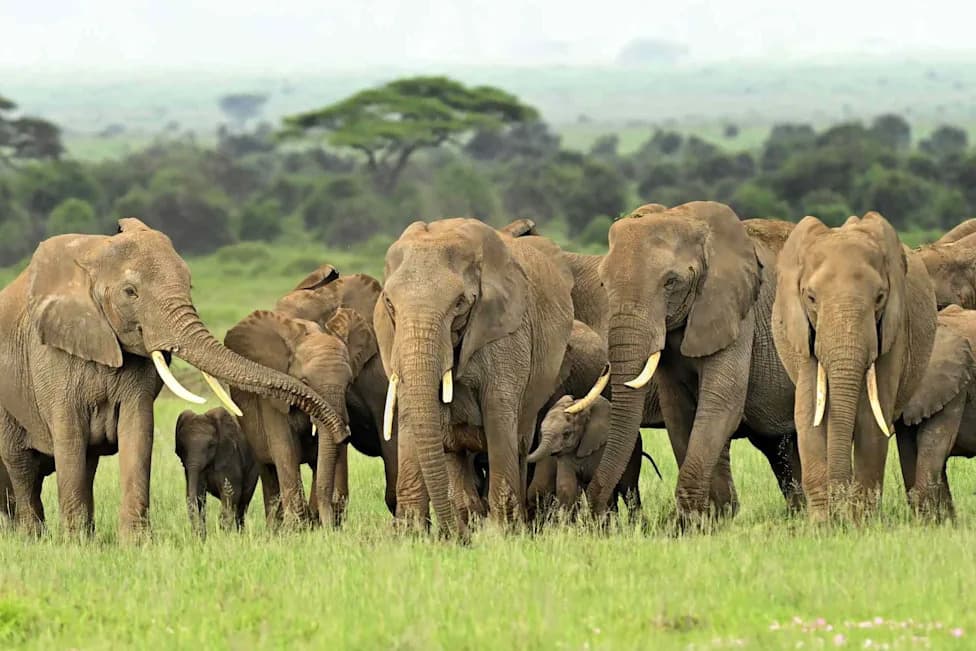
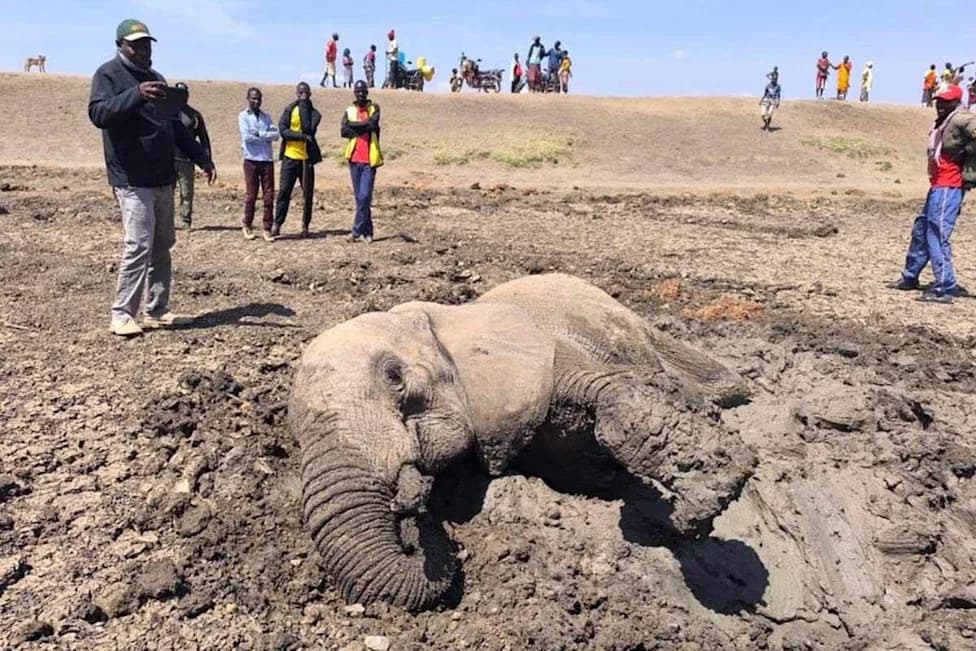
Fifteen elephants were found dead near Amboseli National Park between 24 June and 24 July, prompting an urgent investigation and fresh concerns about pesticide use, human-wildlife conflict and cross-border chemical trafficking.
Kenya Wildlife Service (KWS) said samples from the carcasses showed traces of cyanide, and investigators have identified pesticides used on nearby tomato farms in the Kimana corridor as a possible source. KWS chief veterinarian Dr Isaac Lekolool told the BBC that while the presence of cyanide is an important lead, authorities cannot yet determine a definitive cause.
What investigators have found
According to KWS, several of the dead animals showed signs of "partial paralysis," which can be consistent with cyanide poisoning. Investigators are exploring whether agrochemicals applied to crops — intentionally or accidentally — contaminated food or water sources used by the animals.
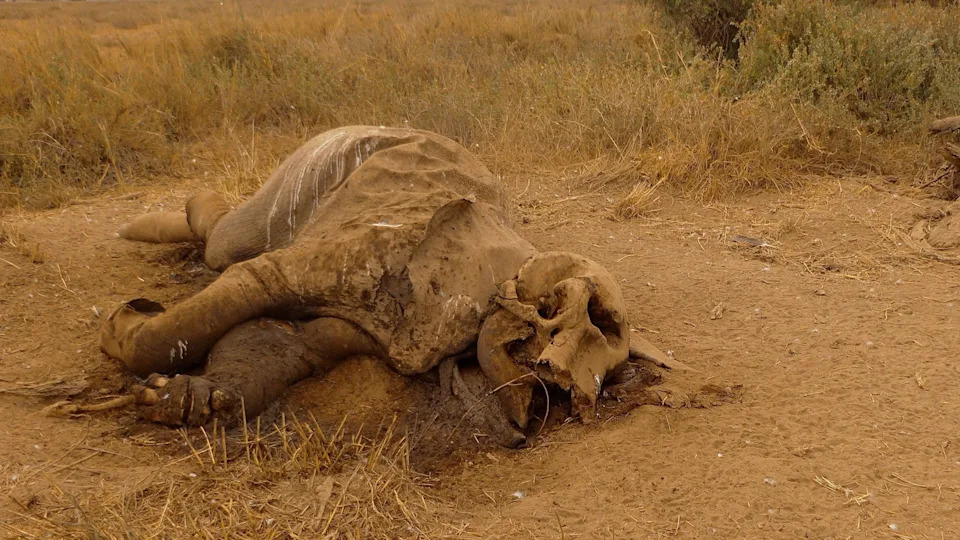
The 15 elephants were found dead outside the Amboseli National Park between June and July [BBC]
"It's difficult to tell because we've not seen these kind of cases before. It is almost like a one-off, and it was within a period of about a month,"
Dr Lekolool said exposure could have been accidental, for example through pesticides applied to control crop pests.
Why some experts and farmers are unconvinced
Several conservationists and local farmers have questioned whether the pesticide explanation fully accounts for the pattern of deaths. Paula Kahumbu, an elephant specialist with nearly 30 years' experience, said publicly that available details are insufficient to conclude crop pesticides killed the elephants. Other experts have argued that the age and sex profile of the dead animals — only one adult male among the 15 — is inconsistent with typical crop-raid behaviour, which is usually dominated by males.
Local representative Daniel Nina and farmers in Kimana said they have lived alongside wildlife for decades without similar incidents and find the timing and scale puzzling. Nina also noted that previous poisoning events in the area tended to affect zebras and antelopes, which graze alongside elephants, raising questions about differential impacts.
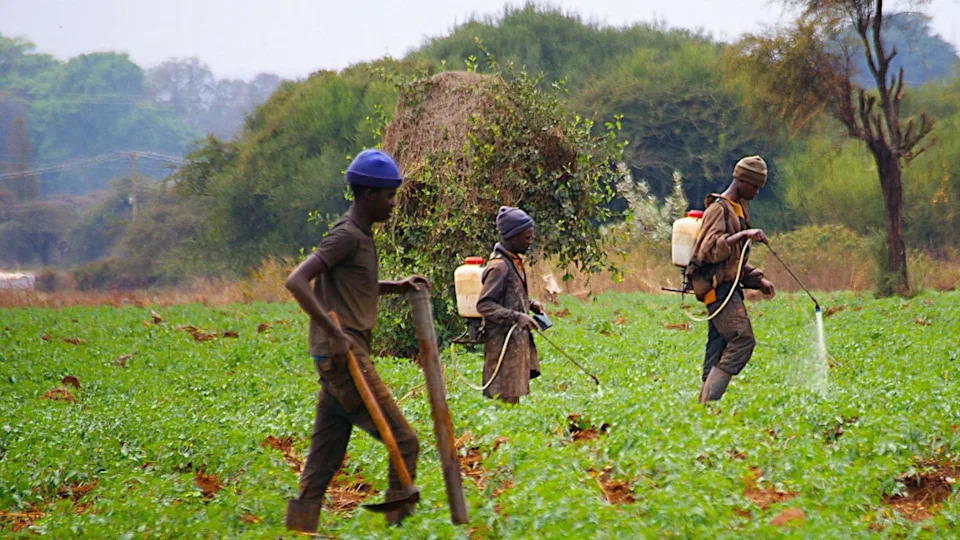
Officials suggest that pesticides sprayed on tomatoes in nearby farms could have poisoned the elephants [Peter Njoroge/BBC]
Context: toxic chemicals and regional regulation
A 2024 report by the Kenyan food-safety initiative Route To Food documented the use in Kimana of an insecticide whose active ingredient was described as a "chemical compound of cyanide." Report author Wangunyu Njuguna warned that some banned, highly hazardous agrochemicals are smuggled across the Tanzania border and that regional enforcement is uneven.
"The biggest problem is we're not enforcing similar standards in the region... There is no-one checking what I go and buy across the border,"
Experts caution that hazardous agrochemicals can damage ecosystems and pose risks to human health. Though laws prohibit many of these substances, enforcement gaps and informal cross-border trade remain problems.
Broader pressures on Amboseli elephants
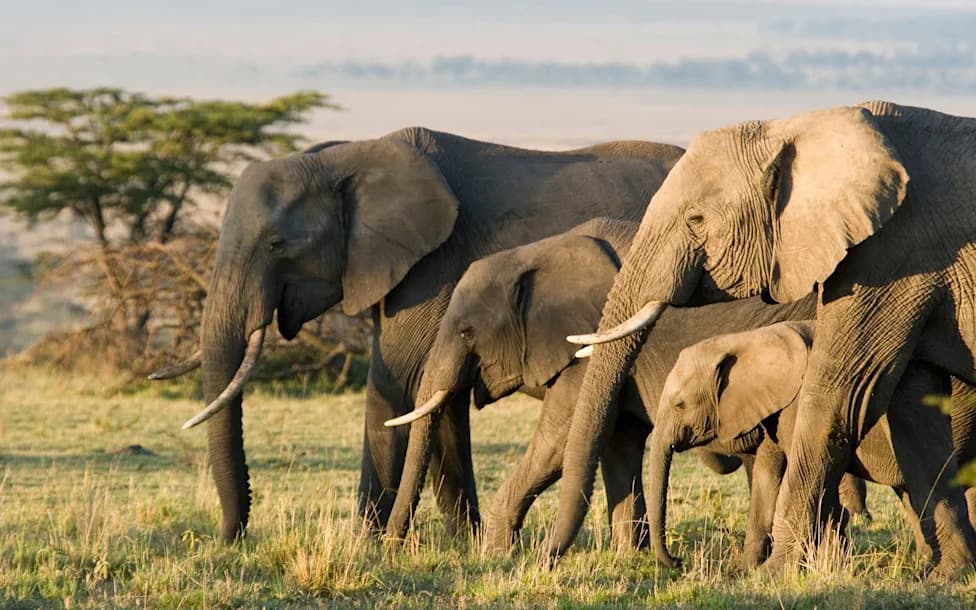
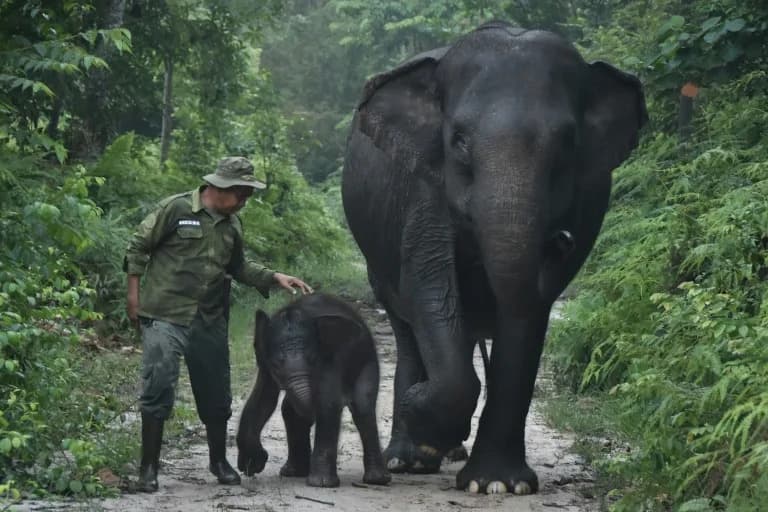
Conservation groups emphasise that the long-term pressures on Amboseli's elephants increasingly relate to land-use change rather than ivory poaching. Frank Pope, CEO of Save The Elephants, said expanding farms and lodges are replacing traditional migratory routes and seasonal grazing areas, intensifying human-wildlife conflict.

[BBC]
Local tomato farmer Stephen Michael described repeated crop losses from elephant raids, underscoring the economic strain on communities that share space with wildlife.
What happens next
Authorities continue forensic testing and field investigations to establish the cause of death and to determine whether the deaths resulted from criminal poisoning, accidental contamination, or some other factor. Meanwhile, conservationists, veterinarians and community leaders are calling for prompt, transparent reporting, tighter controls on hazardous chemicals, and measures to reduce conflict between people and elephants.
For now, the cause remains unconfirmed and both wildlife and nearby communities face uncertainty and potential risk.
Help us improve.