Botswana authorised the hunting of 23 elephants to supply meat for national 60th Independence Day celebrations, prompting criticism from animal rights groups, local elders and public-health advocates. The Elephant Protection Society warned the move could normalise killing and undermine conservation, while some communities questioned the choice of elephants over other game. Officials say regulated hunting helps manage a population of more than 130,000 elephants and that special quotas raised 15.6m pula in 2025 for local projects. Distribution scenes and disease concerns have intensified debate over wildlife policy, hygiene and community wellbeing.
Botswana Faces Backlash After Authorising 23 Elephant Hunts for 60th Independence Feasts
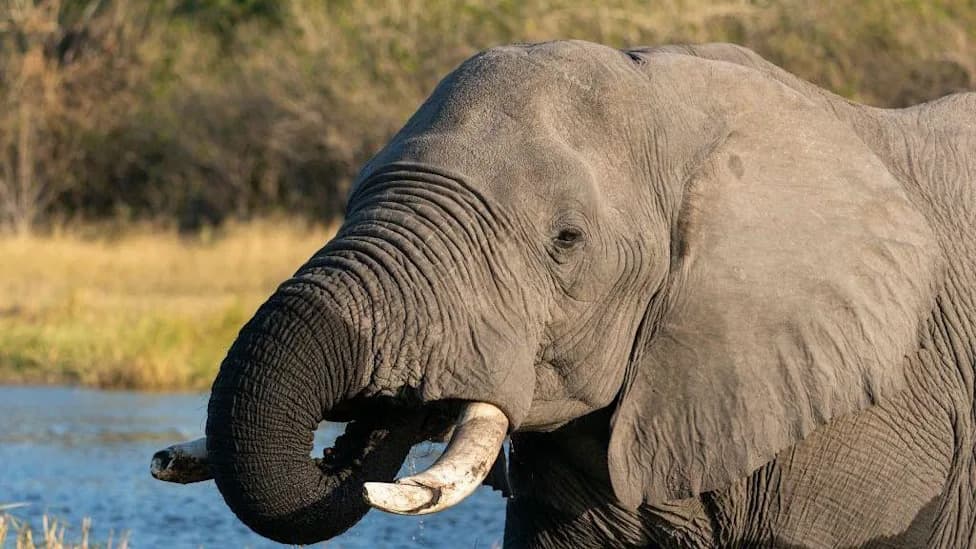
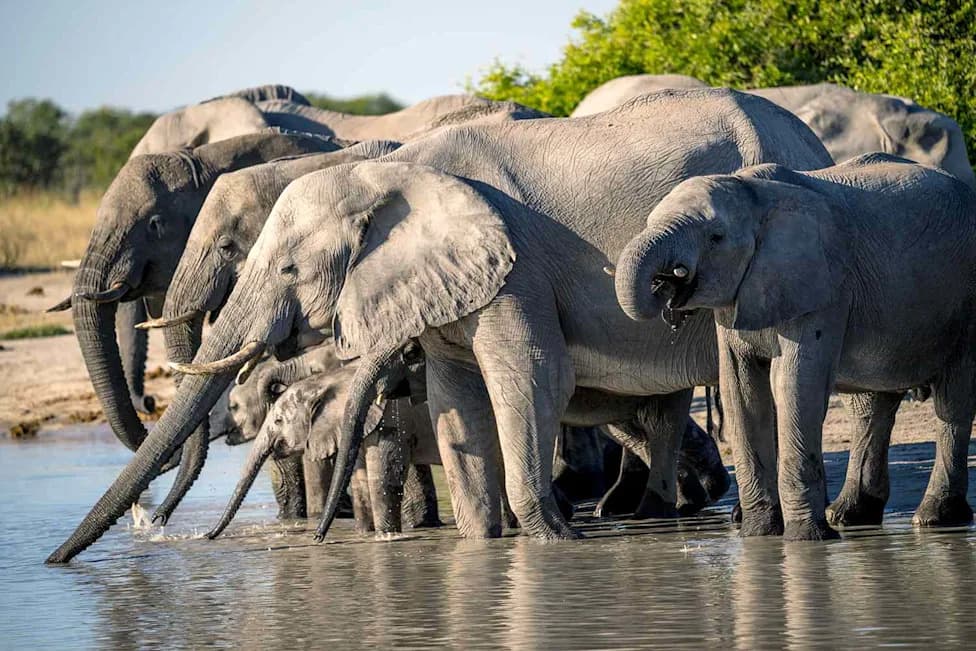
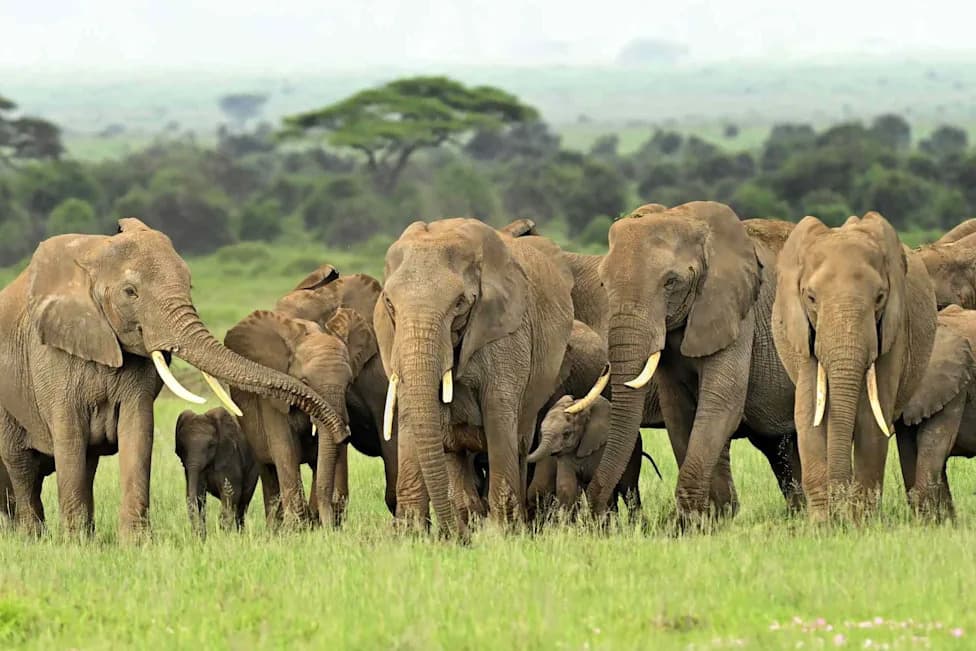
Botswana is home to the world's largest elephant population, with more than 130,000 elephants (file photo) [Getty Images]
Botswana has come under criticism after the Ministry of Environment and Tourism issued licences permitting the hunting of 23 elephants and other wild animals to provide meat for nationwide events marking the country's 60th Independence Day.
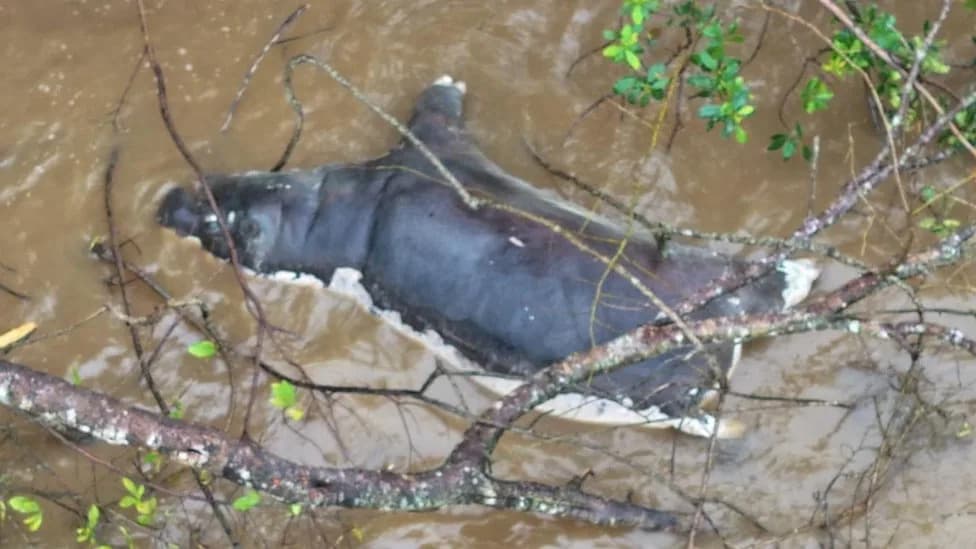
The licences, described in local media reports as being for "complimentary purposes" during diamond jubilee festivities, allocated the 23 elephants across eight districts. Local outlets published images showing residents gathered around elephant carcasses, some reportedly sharing meat directly from the carcasses.
Local and Conservation Reactions
The Botswana-based Elephant Protection Society warned the decision could undermine conservation gains. Its chairman, Oaitse Nawa, told the BBC that government-sanctioned slaughter risks normalising the killing of elephants and could encourage poaching.

People across Botswana are gathering to mark the country's 60th Independence Day [Botswana government/Facebook]
"Elephants have lost their social structures because they are always being pushed from one place to another by gunshots," Nawa said.
Community leaders also expressed dismay. Tshenatshe Monwela, an elder in Maun, said his community would have preferred buffalo, arguing that elephants carry particular cultural and ecological significance and deserved special protection.
Public Health and Distribution Concerns
Several social media users raised public-health concerns about consuming game meat amid an outbreak of foot-and-mouth disease, which has prompted movement and containment measures by authorities.
In Chobe, a local MP, Simasiku Mapulanga, criticised the way meat was distributed after residents reportedly collected portions directly from a carcass at a school. He warned the approach risked creating congestion and disadvantaging elderly people, pregnant women and people with disabilities, and called for better-organised, hygienic packaging (for example, 5kg–10kg portions) to ensure fair distribution.

[BBC]
"For the sake of dignity, fairness and public hygiene, we respectfully call on the hunter and the relevant leadership to ensure that future distributions are properly organised," Mapulanga wrote on Facebook.
Government Position and Broader Debate
The government says regulated hunting is one tool to manage Botswana’s large elephant population and reduce human-wildlife conflict while generating revenue for communities. Minister of Environment and Tourism Wynter Mmolotsi told parliament that special elephant quotas raised 15.6 million pula (about $1.1m; £820,000) in 2025 for projects in elephant areas.
Critics question whether the level of hunting is sustainable and worry about the message sent when elephants are killed for celebratory feasts. Supporters counter that rural communities living alongside more than 130,000 elephants bear substantial costs—crop destruction, damaged infrastructure and threats to personal safety—and that regulated hunting can provide relief and funding for mitigation projects.
What Happens Next
The BBC has asked Botswana’s government for comment. The controversy has reignited a long-running national debate over wildlife management, conservation priorities and the rights and needs of communities living with wildlife. As images and reports continue to circulate, public discussion is likely to focus on regulation, hygiene and whether alternatives could meet celebration needs without sparking further conservation concern.
Help us improve.