Wildfires across Sumatra have destroyed large swathes of habitat for critically endangered Sumatran elephants, with Geopix reporting more than 4,500 hotspots in 21 elephant ranges from June to early September and over 560,000 hectares burned. Hotspots inside elephant habitats more than doubled in early September compared with August. Experts blame El Niño, climate change, decades of forest degradation and slash-and-burn clearing for worsening the blazes, which threaten the estimated 2,400–2,800 elephants that remain in the wild.
Wildfires Ravage Sumatran Elephant Habitat, Pushing Species Closer to Extinction

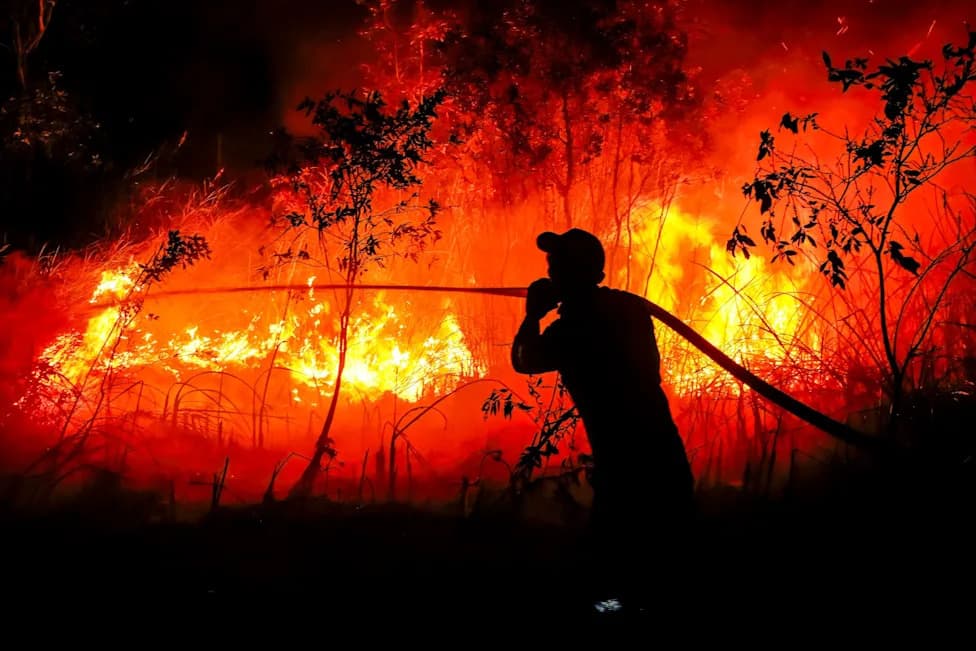
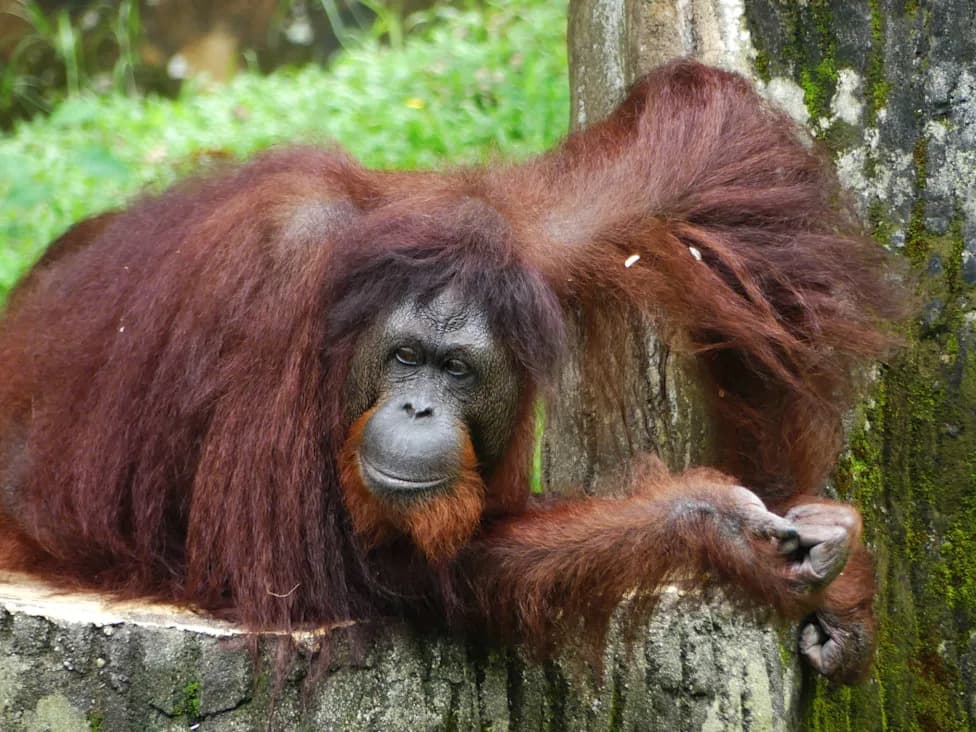
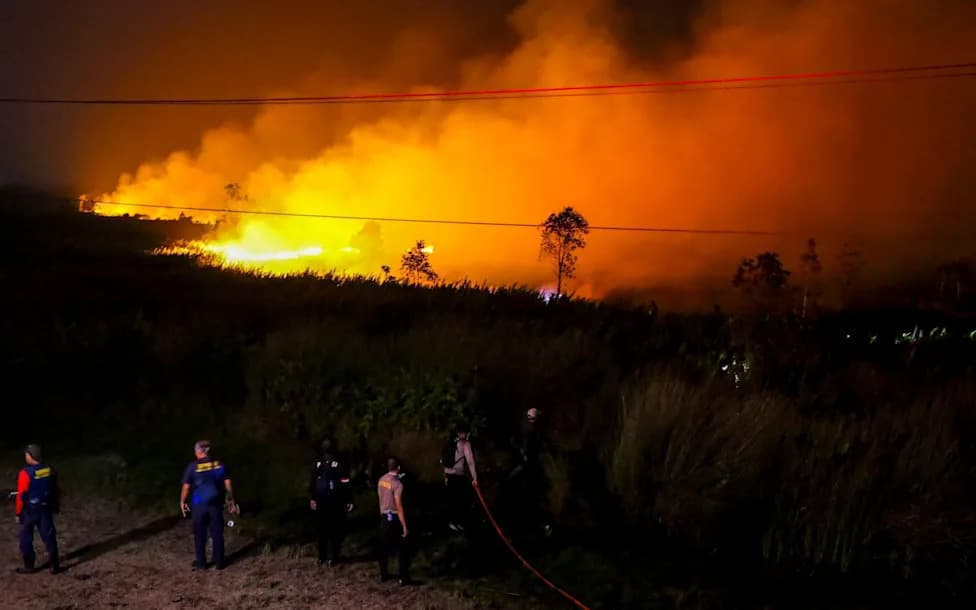
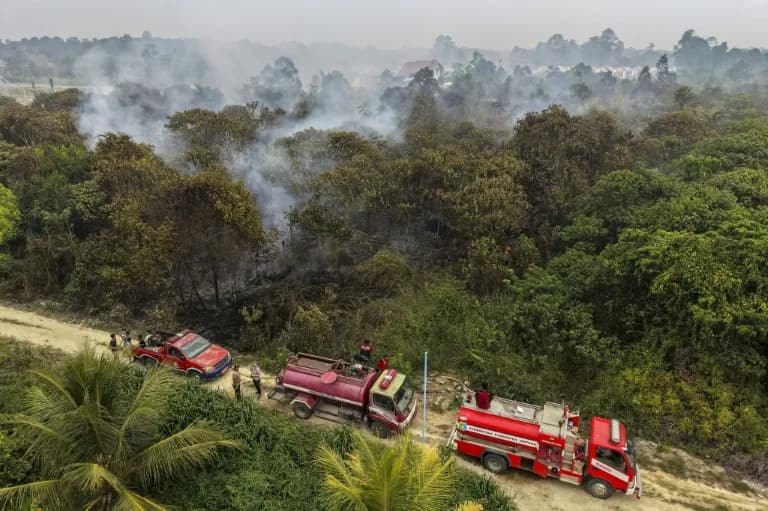
Critically endangered Sumatran elephants are being threatened as wildfires raze vast swathes of their habitat (WAHYUDI)
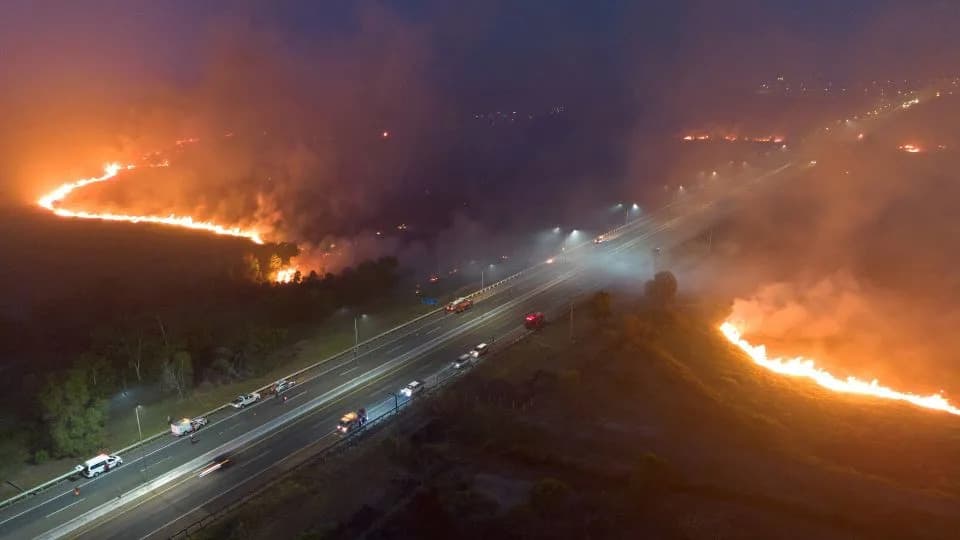
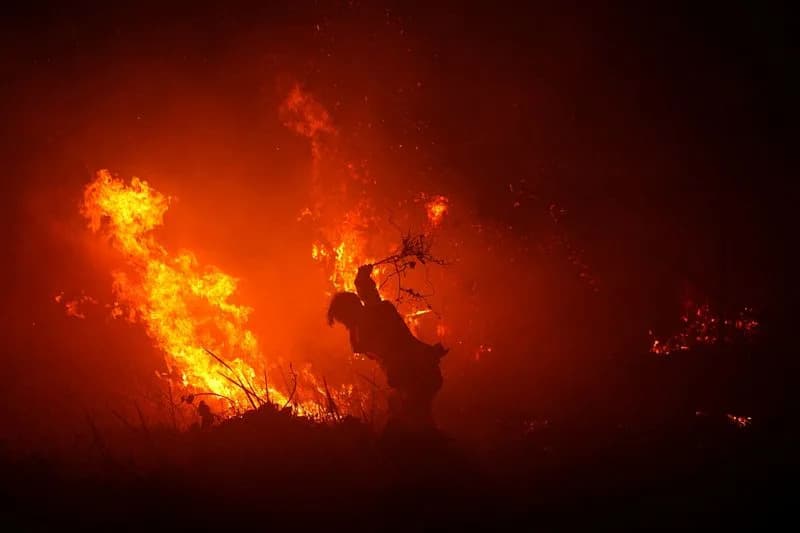
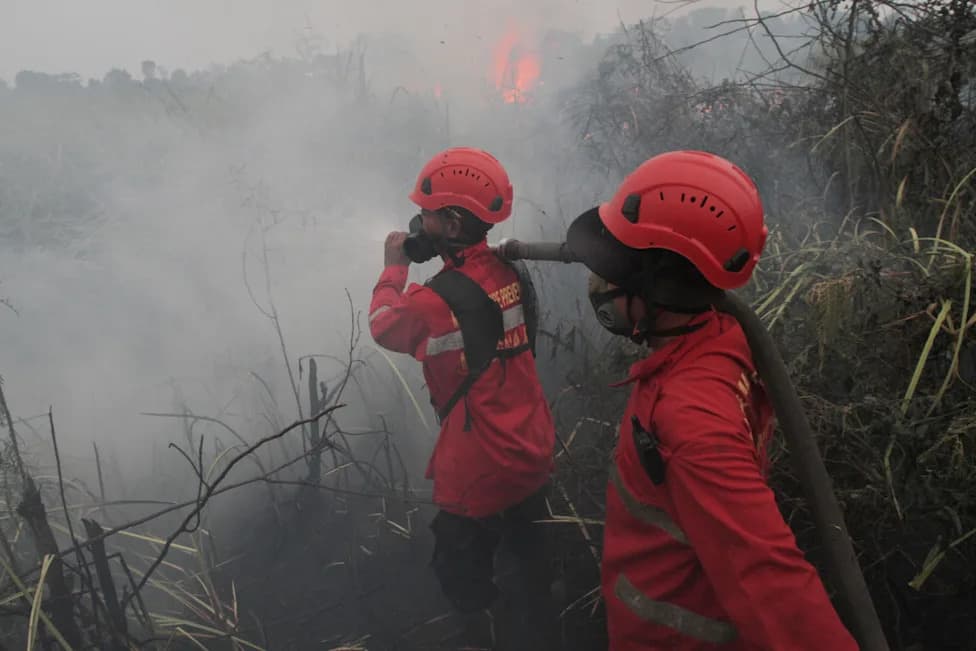
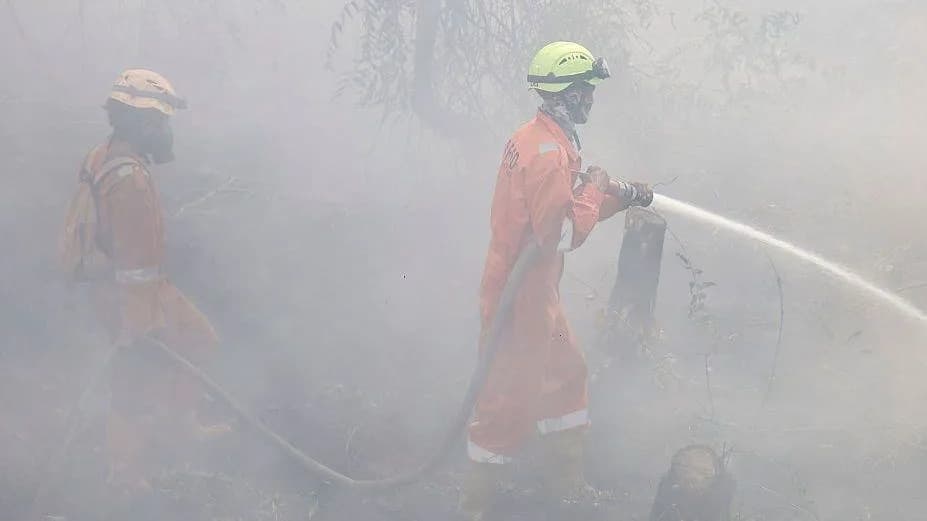
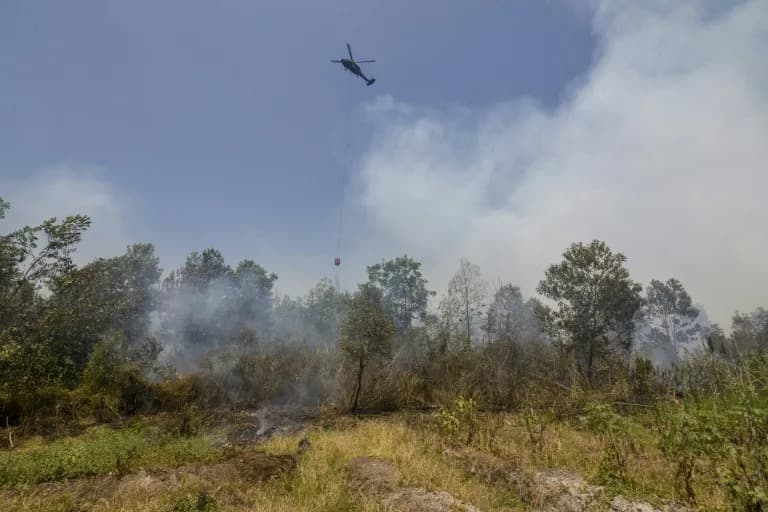
Critically endangered Sumatran elephants are being driven closer to collapse as widespread wildfires consume vast areas of their remaining habitat on western Sumatra, Indonesian conservation group Geopix warned in a report released Tuesday.
Key Findings
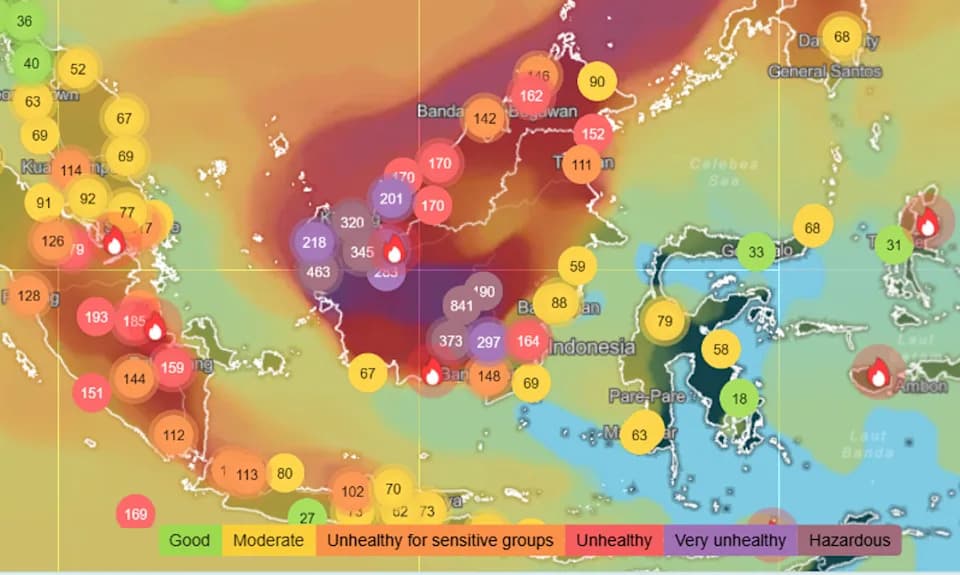
Geopix detected more than 4,500 fire hotspots within 21 known Sumatran elephant habitats between June and early September. During the same period, the NGO estimated that over 560,000 hectares (1.4 million acres) burned. Hotspots inside elephant ranges surged to more than 2,800 in the first week of September, more than double the roughly 1,300 recorded in August.
Geopix senior wildlife campaigner Annisa Rahmawati described this year’s impact on Sumatran elephant habitat as 'brutal.' She warned that smoke exposure raises physiological stress and that habitat loss, degradation and fragmentation reduce food and water supplies and alter elephants' movement patterns.
The World Wildlife Fund estimates just 2,400–2,800 Sumatran elephants remain in the wild, making these fires an acute threat to one of the world's rarest elephant species. Indonesia typically faces a dry-season fire risk from July to October, but experts say this year's blazes were aggravated by the El Niño weather pattern, long-term forest degradation, climate change and continued slash-and-burn land clearing.
Official national figures vary: the Indonesian government reported more than 202,000 hectares burned between January and July, while the Nusantara Atlas project placed that figure close to 300,000 hectares for the same period and estimated nearly 896,000 hectares affected when August was included.
What This Means
Beyond immediate habitat loss, the fires increase risks of starvation, dehydration and heightened human-wildlife conflict as elephants move into agricultural areas searching for food and water. Conservationists say coordinated firefighting, stronger enforcement against illegal clearing, and long-term habitat restoration are essential to prevent further declines.
Sources: Geopix report; World Wildlife Fund; Indonesian government data; Nusantara Atlas.
Help us improve.