Clive Baxter, 66, of Amsbury Farm near Maidstone coats Bramley apples with a clay "sunblock" to prevent fruit from sunburn and internal "cooking" during heat waves. The farm produces about 2,000 metric tonnes of apples annually and has invested in reservoirs and drip irrigation after losing up to 20% of crops to heat-related damage. Baxter urges greater government investment in reservoirs to protect food security as droughts become more common.
Farmer Coats Bramley Apples With Clay 'Sunblock' To Prevent Fruit 'Cooking' During Heat Wave
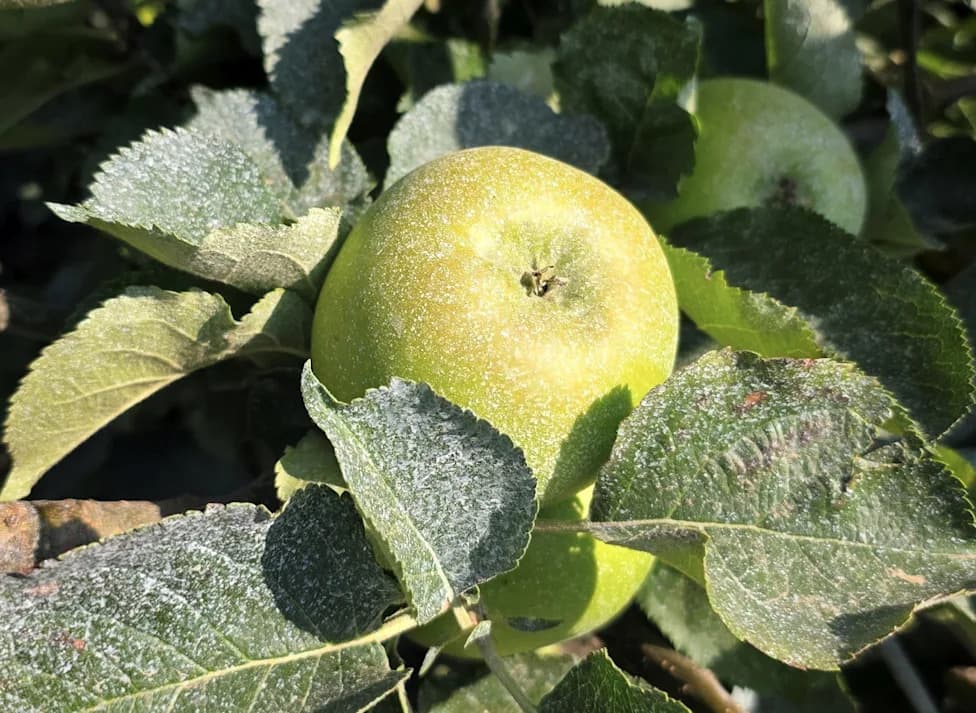
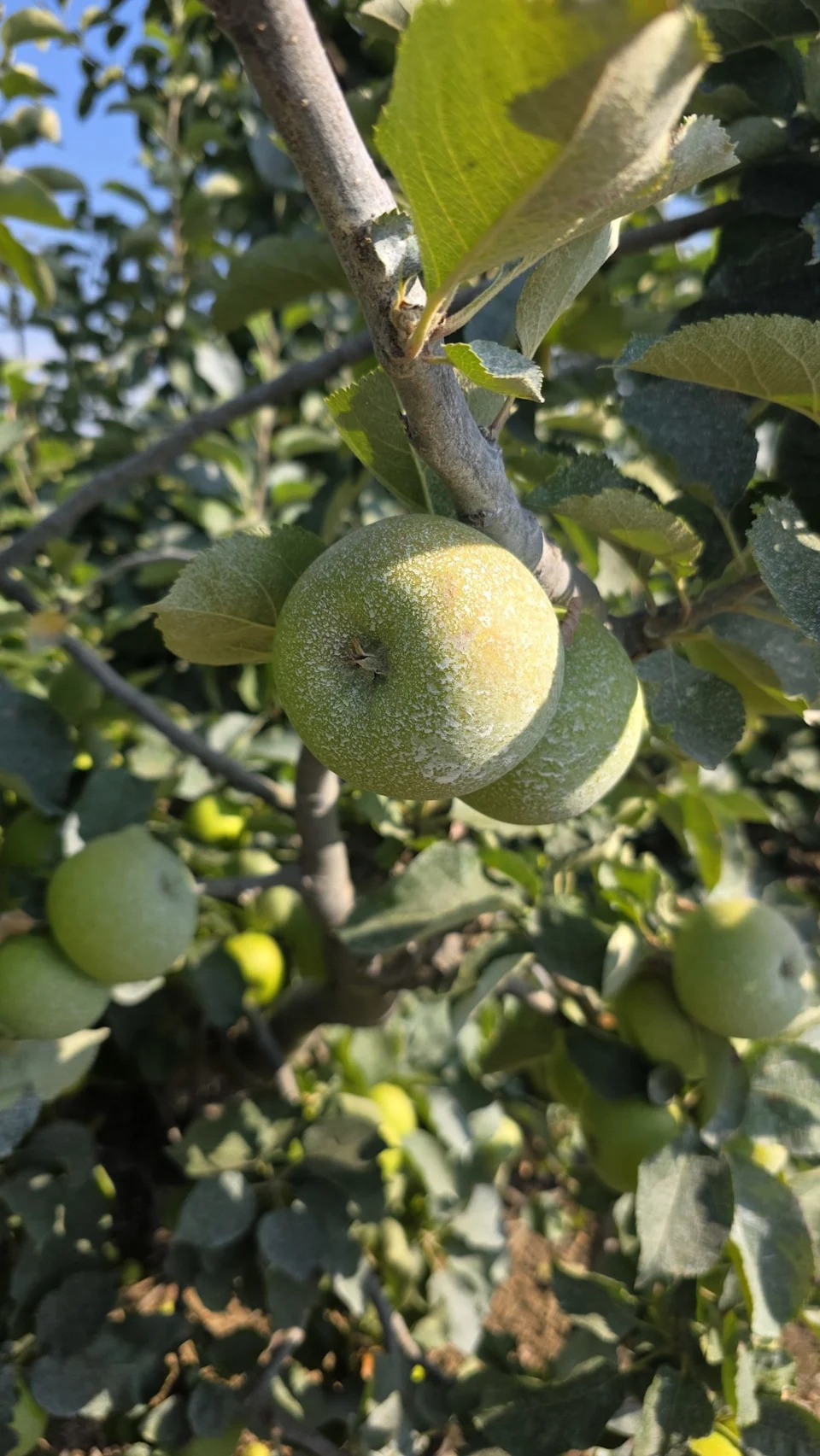
One of the apples coated in a special clay to prevent them from cooking on the tree during heatwaves. (Four Daughters Wine via SWNS)
A fruit grower in Kent is coating his Bramley apples with a clay "sunblock" to stop them from scorching and internally "cooking" on the tree as Britain endures a prolonged heat wave.
Clive Baxter, 66, managing director of Amsbury Farm near Maidstone, has worked on his family’s tree-fruit farm for four decades. The orchard produces roughly 2,000 metric tonnes of apples a year. For about six years Baxter has applied a fine clay coating to vulnerable Bramley apples to protect them from sunburn and heat-related spoilage as summer temperatures rise.
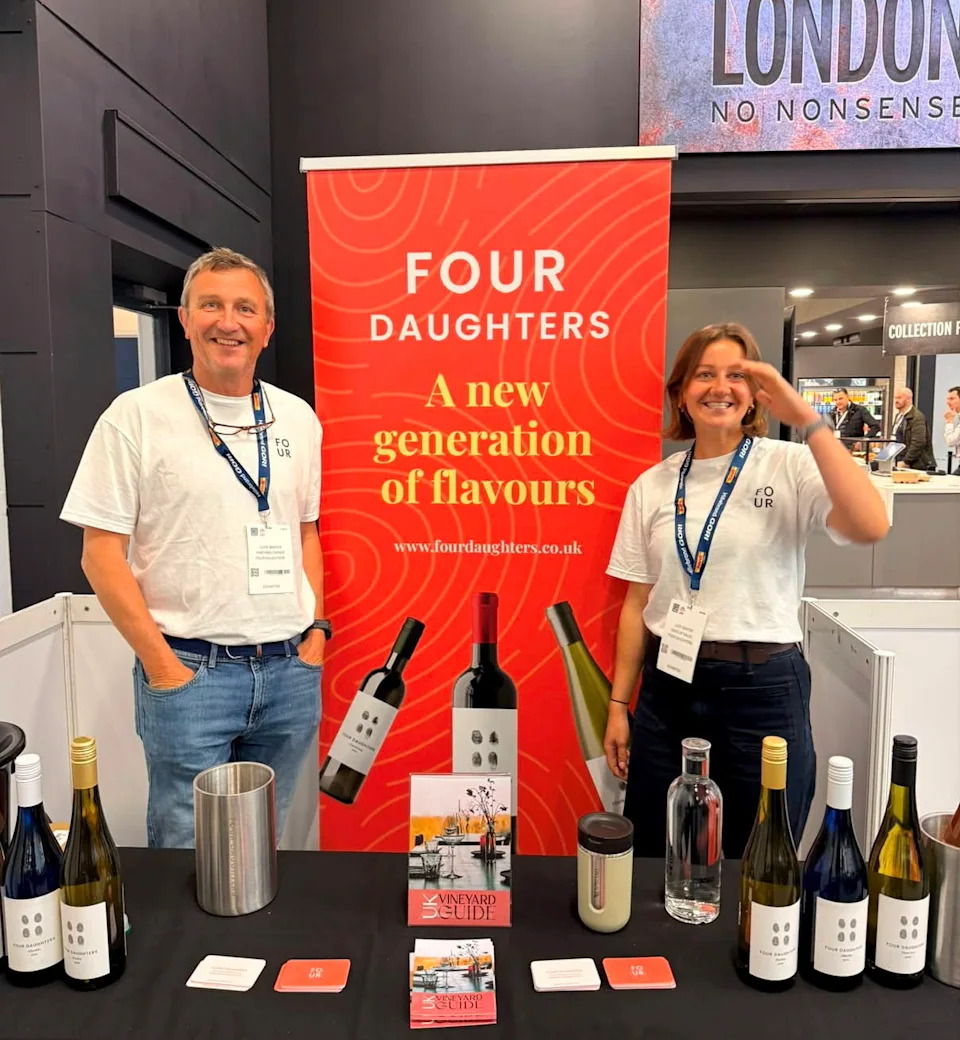
Clive Baxter and daughter Lucy Baxter. (Four Daughters Wine via SWNS)
How The Clay Treatment Works
The clay coating reflects sunlight and reduces direct heat stress on the fruit skin. Baxter says that when temperatures climb above 30°C and there is little wind, the fruit can suffer severe internal damage: "The juice in the fruit starts to boil — in direct sunlight the fruit actually starts to cook on the tree. The juice starts boiling, and that particular apple in the sun is ruined."
Long-Term Measures And Irrigation
After the 1976 heat wave, Baxter persuaded his father to install a reservoir — an uncommon step for tree-fruit growers at the time. The farm now uses trickle (drip) irrigation across most orchards. Baxter estimates that before adopting protective coatings and improving water infrastructure the farm could lose up to 20% of its crop each year to heat-related spoilage.
Clive Baxter, 66, has worked on his family tree fruit farm for 40 years, following in his father's footsteps. (Four Daughters Wine via SWNS)
"But even where we’re trickle irrigating this year, there are still signs of stress — the trees just don’t like this heat. It’s too much," he added.
Diversification And Local Enterprise
Over the last seven years the farm has diversified beyond traditional apples, pears, plums and cherries to include grapes and apricots. Baxter’s four daughters now produce and sell wine from the farm's vineyards under the Four Daughters Wine label.
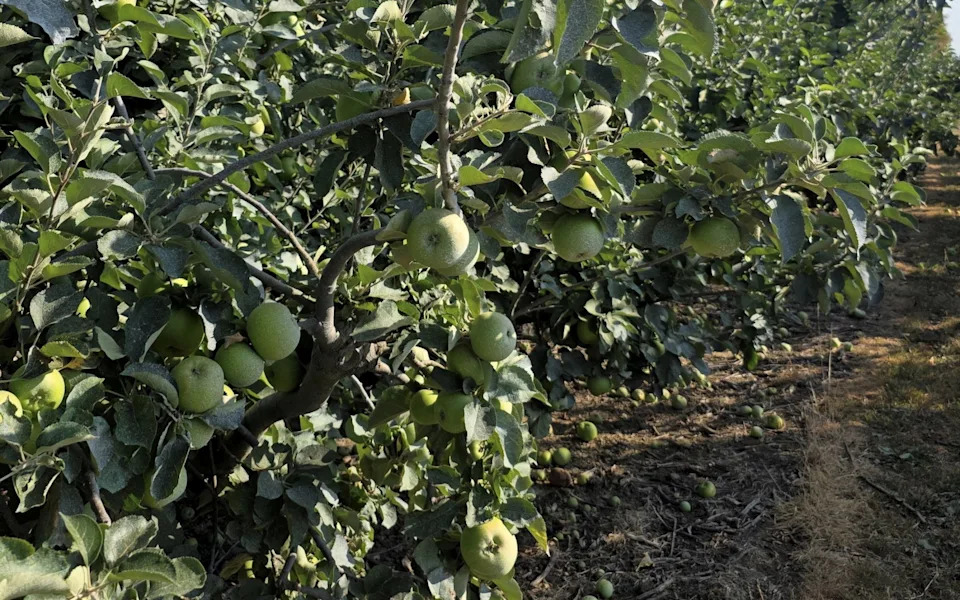
The 'suncream' coated apples at Amsbury Farm, in Maidstone, Kent, England. (Four Daughters Wine via SWNS)
Calls For Infrastructure Investment
Baxter has urged the government to invest in more reservoirs to protect domestic food production. "I think farms have been rather forgotten — national security involves food security. If you can’t eat and drink, you’ve got a problem," he said.
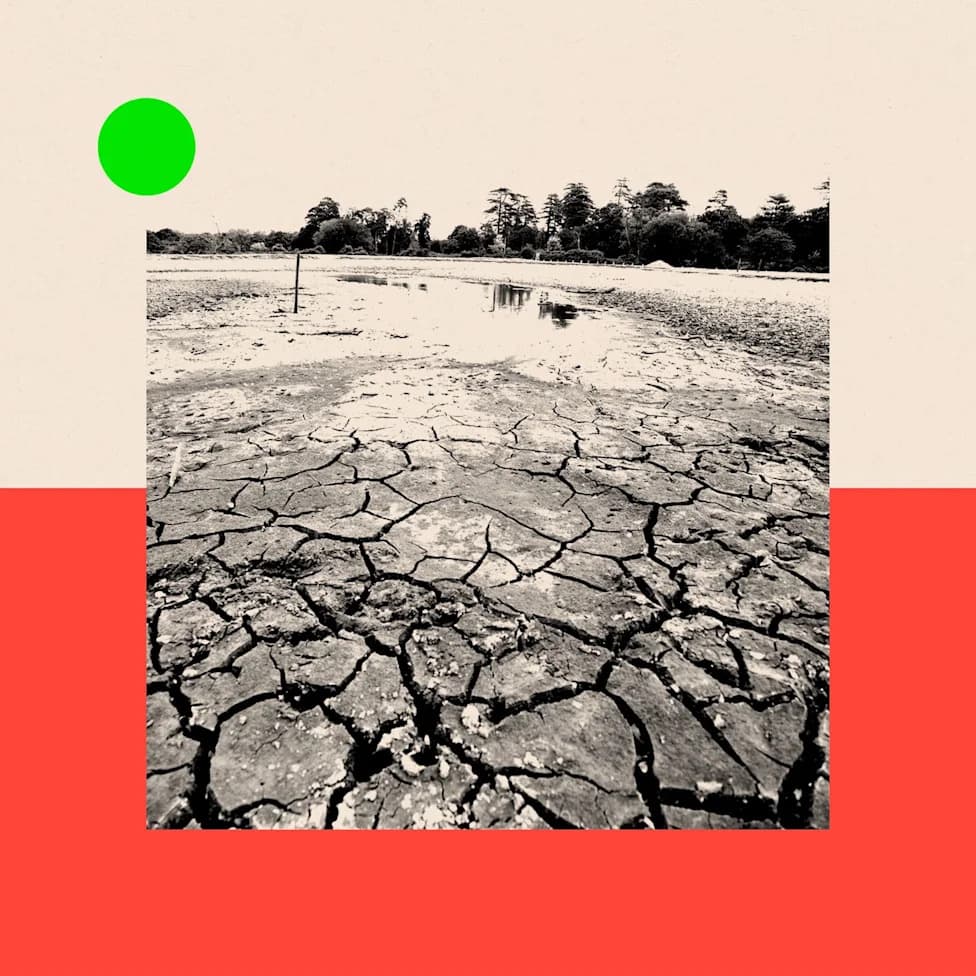
On BBC Radio 4's Broadcasting House, National Farmers’ Union president Tom Bradshaw warned that prolonged drought could lead to shortages of some food products. The U.K. Health Security Agency (UKHSA) issued an amber heat alert covering London, the South East, the East of England and the East Midlands. Authorities recently declared a drought in around half of England after record-low rainfall and sustained high temperatures.
Water minister Emma Hardy said on July 28 that the climate is changing and droughts are becoming more frequent. She pledged long-term investments in water infrastructure, including nine new reservoirs, and urged water companies to speed up leak reductions and follow drought plans to protect supplies.
"We expect water companies to follow their drought plans, to go further and faster to reduce leaks, and to ensure supplies are not disrupted even in the driest of weather," Hardy said.
The clay-coated apples at Amsbury Farm are a practical adaptation to rising temperatures, and the farm’s experience highlights the broader pressures facing British growers as the climate warms.
Help us improve.