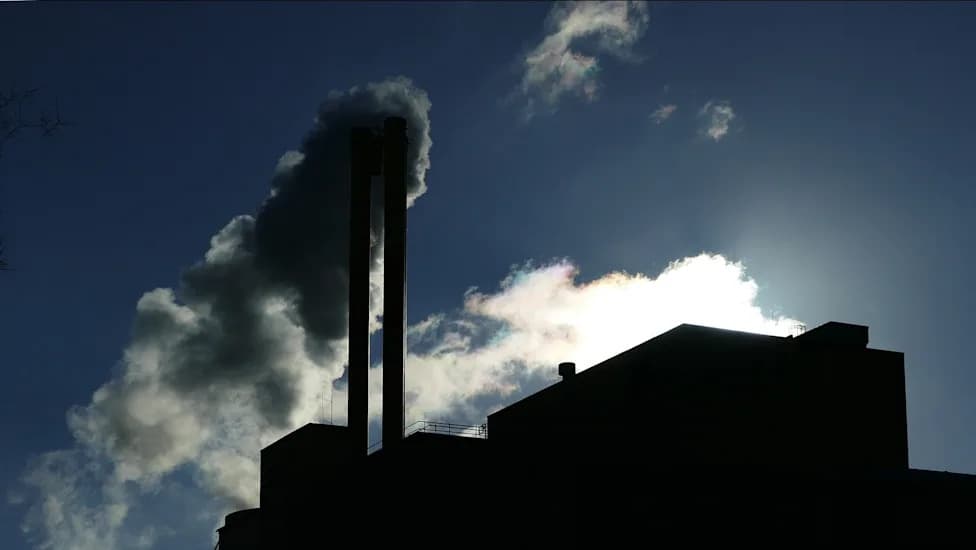
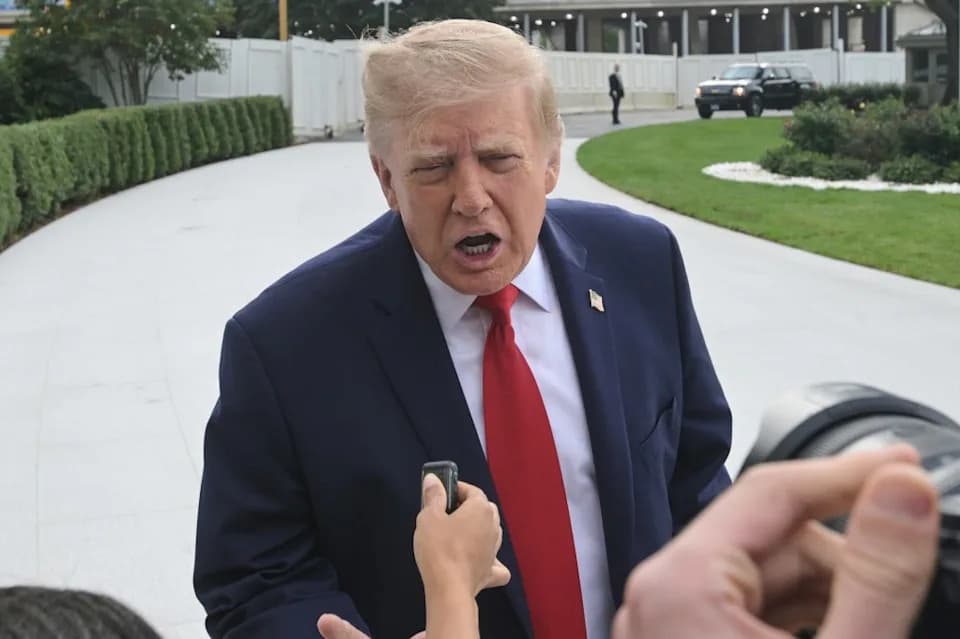
The full D.C. Circuit, sitting en banc, ruled in a 6-4 split that the Trump EPA likely acted improperly when it terminated billions of dollars in grants intended for the $20 billion Greenhouse Gas Reduction Fund, commonly called a "green bank." The decision favors Climate United Fund and other nonprofits but is temporarily stayed to allow the EPA time to seek Supreme Court review. The case centers on allegations of mismanagement, a lower-court finding that the government offered no fraud evidence, and complications after a subsequent repeal and rescission in a Trump tax and spending bill.
Divided D.C. Circuit Says Trump EPA Improperly Ended $20B 'Green Bank' Funding — Ruling Temporarily Stayed
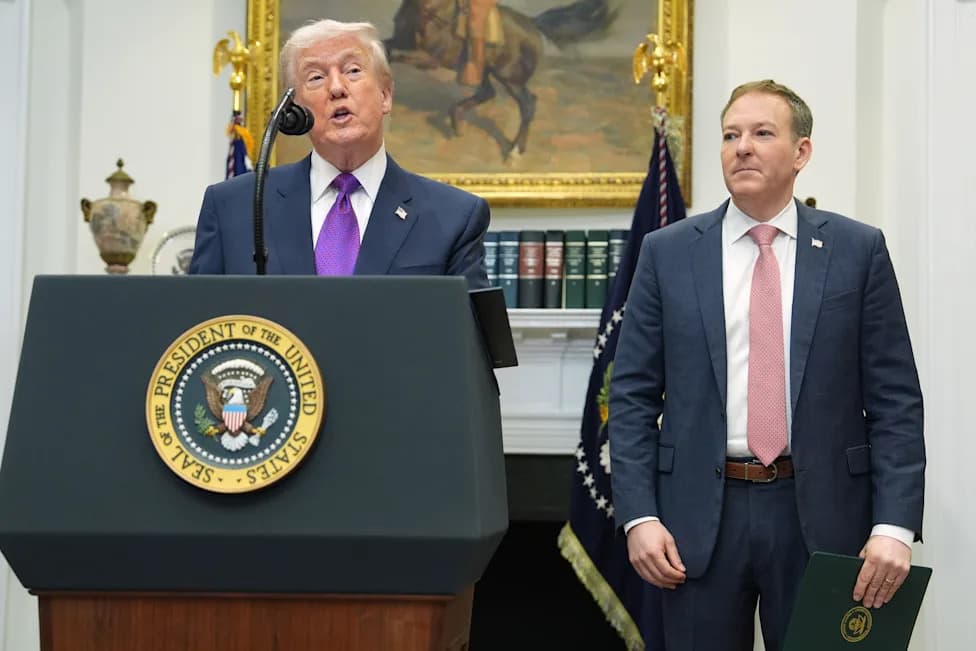
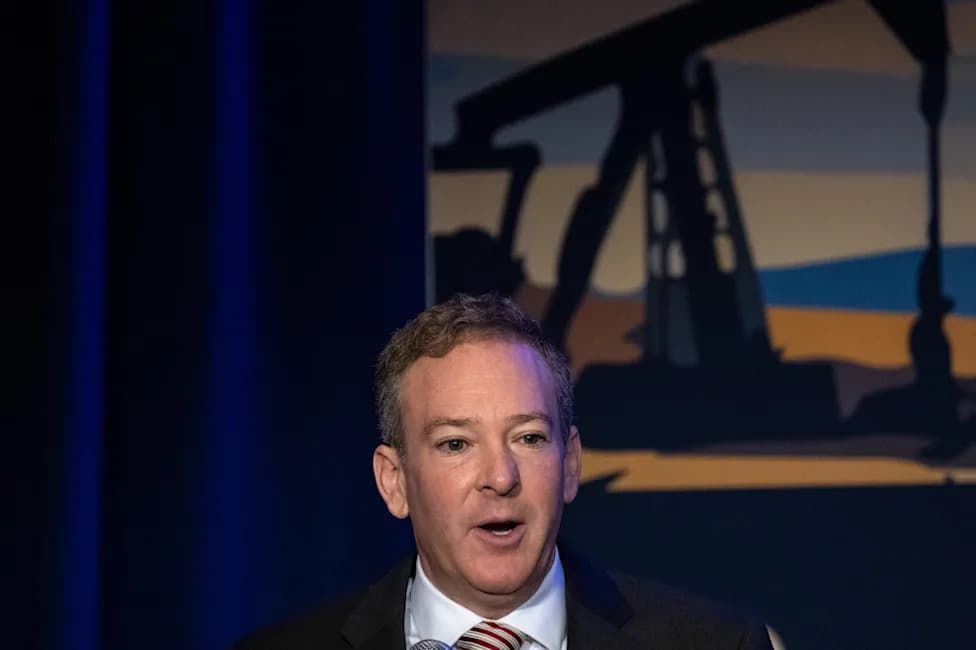
FILE - President Donald Trump, left, speaks during an event with Environmental Protection Agency director Lee Zeldin in the Roosevelt Room of the White House, Feb. 12, 2026, in Washington. (AP Photo/Evan Vucci, File)(AP Photo/Evan Vucci)
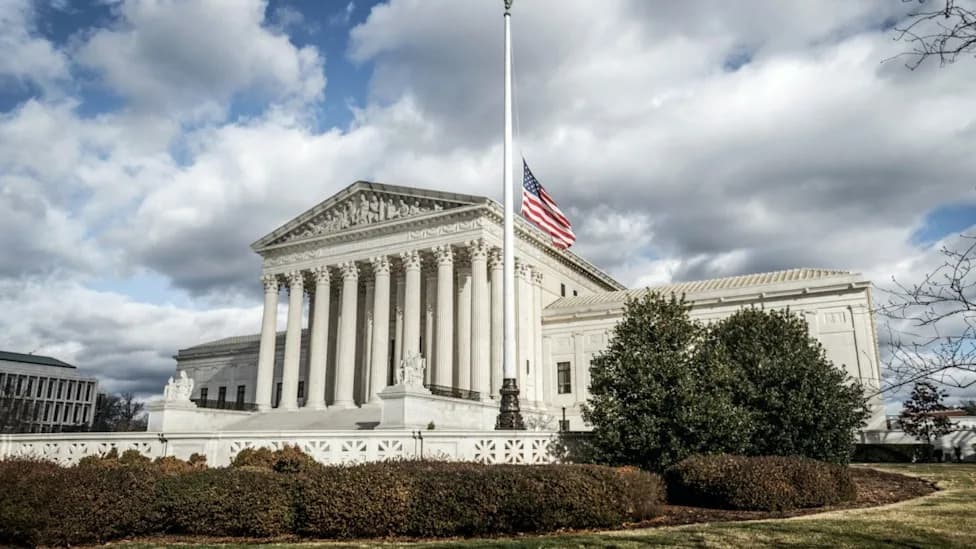
A divided full U.S. Court of Appeals for the District of Columbia Circuit on Tuesday concluded that the Trump administration acted improperly when it terminated billions of dollars in funding intended to support clean energy projects, a decision favoring a coalition of nonprofits selected to run the Biden-era program.
What the Court Did
The en banc court's ruling does not immediately restore access to the funds for Climate United Fund and the other nonprofit recipients because the judgment was temporarily stayed for several days to give the Environmental Protection Agency time to seek Supreme Court review. In the full-court rehearing, six of the 10 judges agreed with a lower court that the Trump EPA likely violated the 2022 law when it terminated the grants and tried to claw back money based on a policy disagreement; four judges dissented.
Background
The contested program, formally called the Greenhouse Gas Reduction Fund and often described as a "green bank," was established under the 2022 Inflation Reduction Act as a $20 billion initiative. Congress authorized the program to direct money to nonprofits, which would then make loans and investments in small clean-energy projects, energy-efficient building upgrades and transportation electrification.
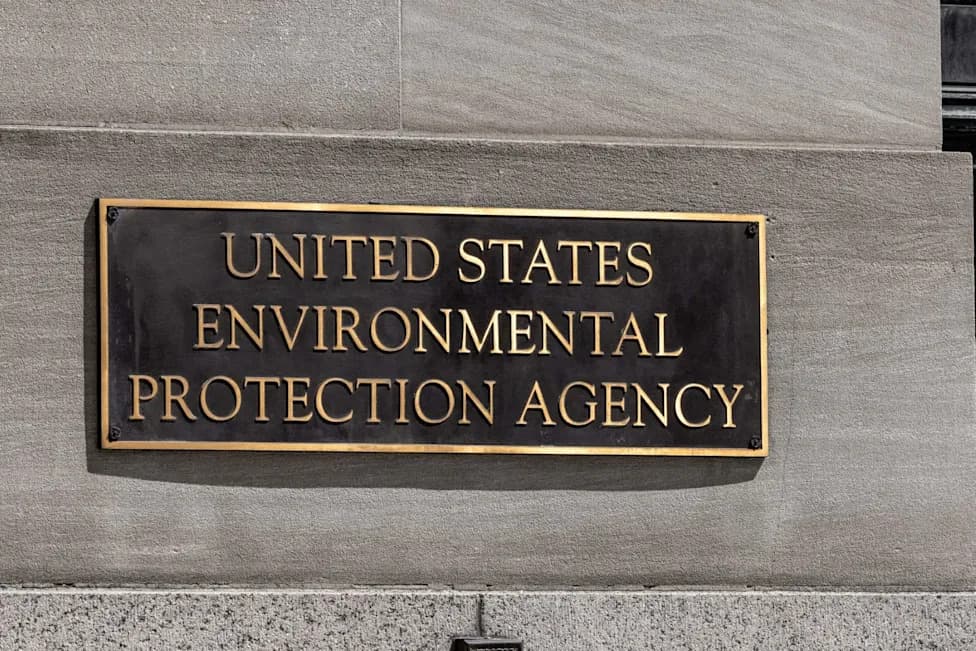
EPA Administrator Lee Zeldin accused Climate United Fund and other designated nonprofits of mismanagement and potential fraud, froze billions that had been placed in a Citibank account for the program, and terminated their grants. The nonprofits denied wrongdoing and sued, arguing the administration unlawfully and unconstitutionally failed to spend funds that Congress had authorized.
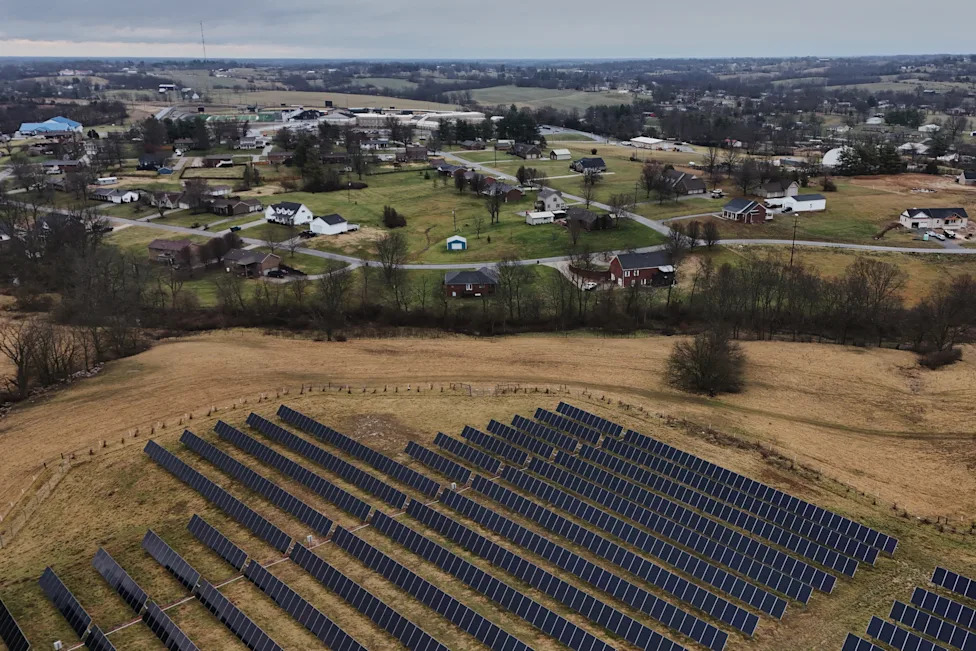
FILE - Solar panels operate on a farm near homes Wednesday, Jan. 14, 2026, in Lancaster, Ky. (AP Photo/Joshua A. Bickel, File)(AP Photo/Joshua A. Bickel)
“Despite efforts to harm the awardees with false allegations and misinformation, there remains no legal basis for terminating our grant award and clawing back funds that were already disbursed in our bank accounts,” Climate United said in a statement.
Earlier Proceedings
A divided three-judge panel of the D.C. Circuit previously overturned a lower court and found the Trump administration had broad authority to cancel grants without immediate judicial review. The full court agreed to rehear the case en banc — a rare step reserved for issues of exceptional importance.
U.S. District Judge Tanya Chutkan had earlier found that when the government was asked to provide evidence of fraud, it did not present such evidence and instead expressed broader concerns about EPA oversight. Chutkan ruled the government could not terminate the contracts in violation of the law and ordered the groups should have access to some of the frozen funds; that order was stayed pending appeal.
Complicating Factors
The legal dispute was complicated by a subsequent tax and spending bill passed under President Trump that repealed part of the Inflation Reduction Act provision establishing the green bank and rescinded unobligated funds. One judge in the majority noted that the repeal affects whether the groups can access funds going forward, a point that contributed to the split decision.
Next Steps and Reactions
The temporary stay provides the EPA a short window to seek Supreme Court review. The agency did not immediately provide comment. The case highlights tensions over executive authority, statutory obligations to spend appropriated funds, and the broader political fight over federal climate programs.
Reporting note: The Associated Press receives support from the Walton Family Foundation for coverage of water and environmental policy. The AP is solely responsible for its content. For more coverage, visit https://apnews.com/hub/climate-and-environment
Help us improve.