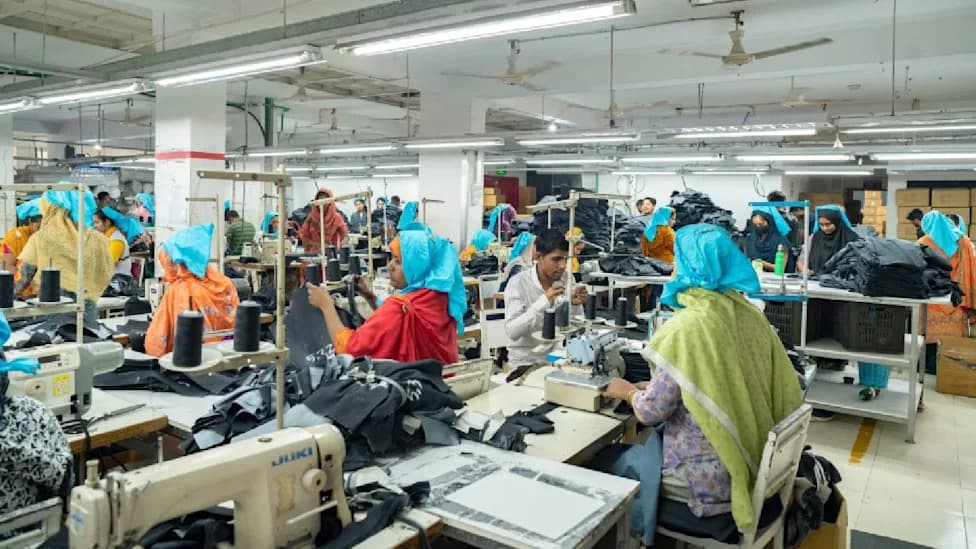
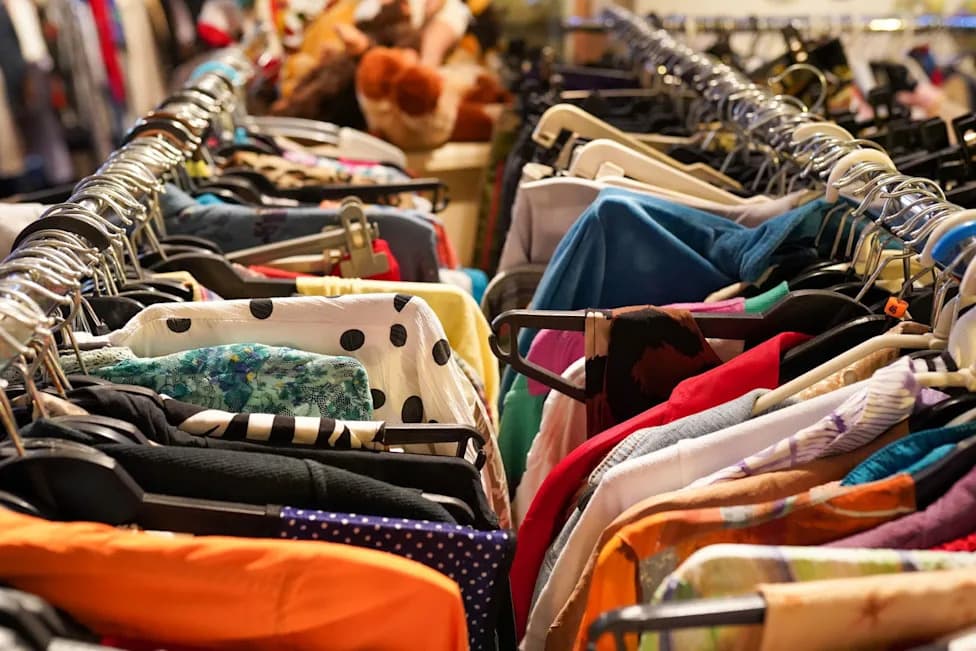
Arka evaluated 75 countries on four circularity metrics: material-use efficiency, municipal recycling rates, e-waste generation and secondhand clothing flows. Singapore tops the list with a perfect 100 score, driven by high recycling rates and low material intensity, while Germany leads in textile reuse with about 450 million kilograms donated annually. The UN Comtrade 2022–2023 dataset informed the clothing index, and major economies such as the U.S., U.K. and China were excluded where clothing trade data were missing. The U.N. estimates only 19% of municipal solid waste is recycled globally, highlighting room for improvement.
Which Countries Are Best at Circularity? Arka Ranks Global Textile Recycling Leaders
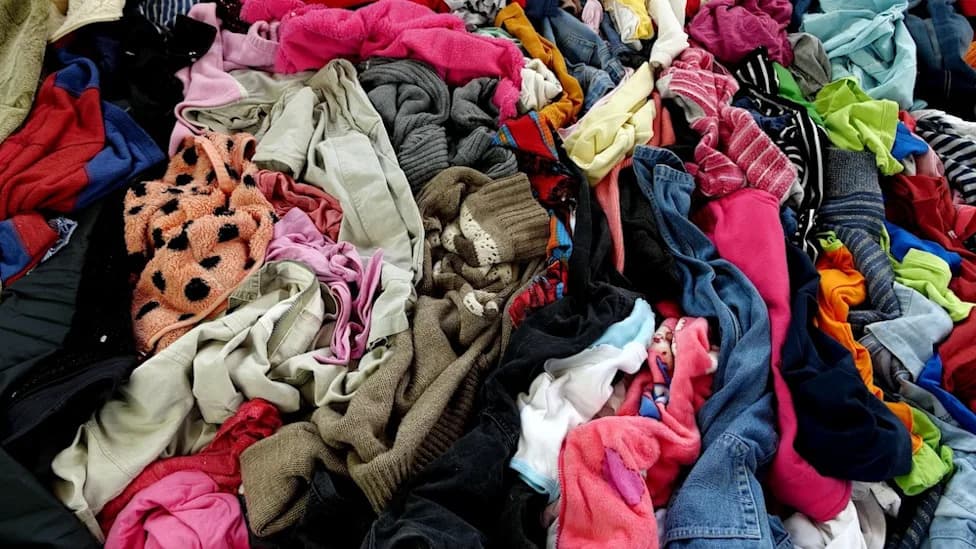
Which Countries Are Best at Circularity? New Study Highlights Textile Recycling Leaders
A new study by custom packaging firm Arka ranks 75 countries on national circularity performance, identifying leaders in how effectively they keep products and materials in use. The analysis combines four measures: material-use efficiency relative to economic output, municipal waste recycling rates, electronic waste generation, and secondhand clothing flows (net imports or exports of used textiles).
Top Performers And Textile Standouts
According to Arka's methodology, the top 10 countries for overall circularity are: Singapore, Austria, Slovenia, Germany, Latvia, Denmark, the Netherlands, Ireland, Italy and the Republic of Korea.
Singapore earned a perfect score of 100 in Arka's ranking. The city-state recycles more than half of its municipal waste, uses just 0.39 kilograms of raw materials to produce each US$1 of economic output, and exports only about 0.58 kilograms of used clothing per person per year.
Other countries posted particularly strong results on clothing reuse and recycling. Germany donates roughly 450 million kilograms of used clothing annually to charitable organizations—the largest volume recorded in the study—and recycles 47 percent of municipal waste, a rate matched by Slovenia. Despite its small population (~2 million), Slovenia exports about 2.2 million kilograms of used textiles each year.
Austria exports approximately 31.6 million kilograms of used clothing per year and recycles 52 percent of its municipal waste, positioning it well ahead of many regional neighbors. Latvia, which placed fifth overall, is a net importer of secondhand garments, taking in about 16.7 million kilograms annually and recycling 36 percent of municipal waste—signs of a robust domestic secondhand market.
Textile Reuse Index And Data Sources
On the textile-reuse index (based on net used-clothing exports from UN Comtrade for 2022–2023), several countries score especially high despite lower overall circularity rankings: the United Arab Emirates scored 100, Tunisia 92.99, Benin 91.55 and Malaysia 86.12.
According to an Arka eco-packaging expert, global municipal solid waste recycling remains low: the U.N.'s Global Waste Management Outlook estimates only 19 percent of municipal solid waste is recycled worldwide. Countries recycling over half their waste can serve as practical models, reflecting decades of policy and public participation.
Who Was Excluded And Why
Arka excluded any country that was missing one of the four required metrics. That omission meant several major economies—including the United States, the United Kingdom and China—were left out because used-clothing import/export data were not available in the datasets Arka used. The firm also excluded countries with populations under 1 million and non-sovereign territories such as Puerto Rico and Hong Kong.
Overall, the report highlights how a combination of high recycling rates, low material intensity, and active secondhand markets contribute to national circularity. It also underscores gaps in global data coverage that can limit cross-country comparisons.
Help us improve.