Study Finds Pacific Shift Helped Drive Divergent Fire Trends. Researchers analyzing 1984–2022 data show a multidecadal change in the tropical Pacific amplified drying and burned area in the U.S. Southwest while reducing drying and burned area in eastern Australia. Human-caused warming supplied most of the added dryness; the Pacific pattern contributed about 22% of the U.S. increase and is linked to an ~19% decline in Australian burned area. The findings highlight the role of long-term ocean variability in shaping regional wildfire risk and the need to include it in forecasts.
Tropical Pacific Shift Helped Amplify U.S. Southwest Wildfires — While Tempering Eastern Australia
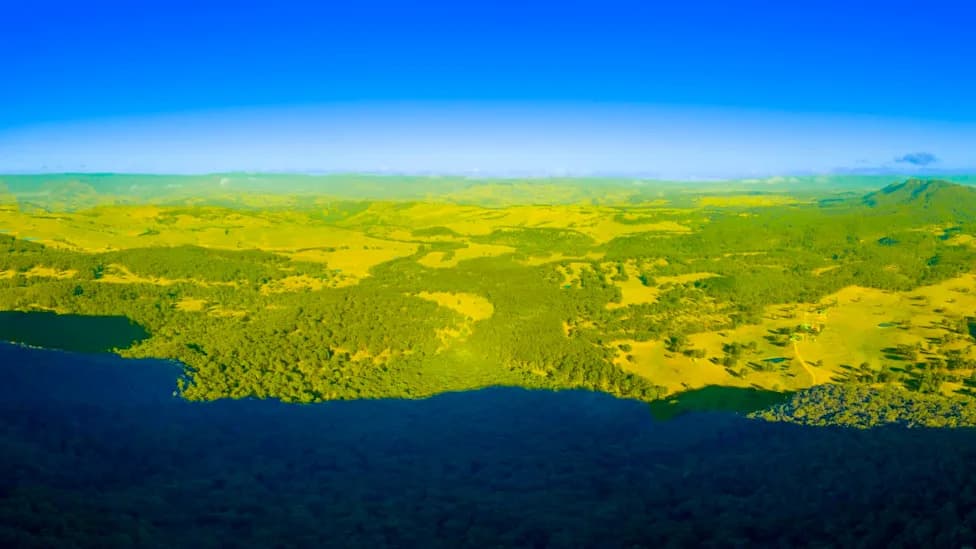
Photo Credit: iStock
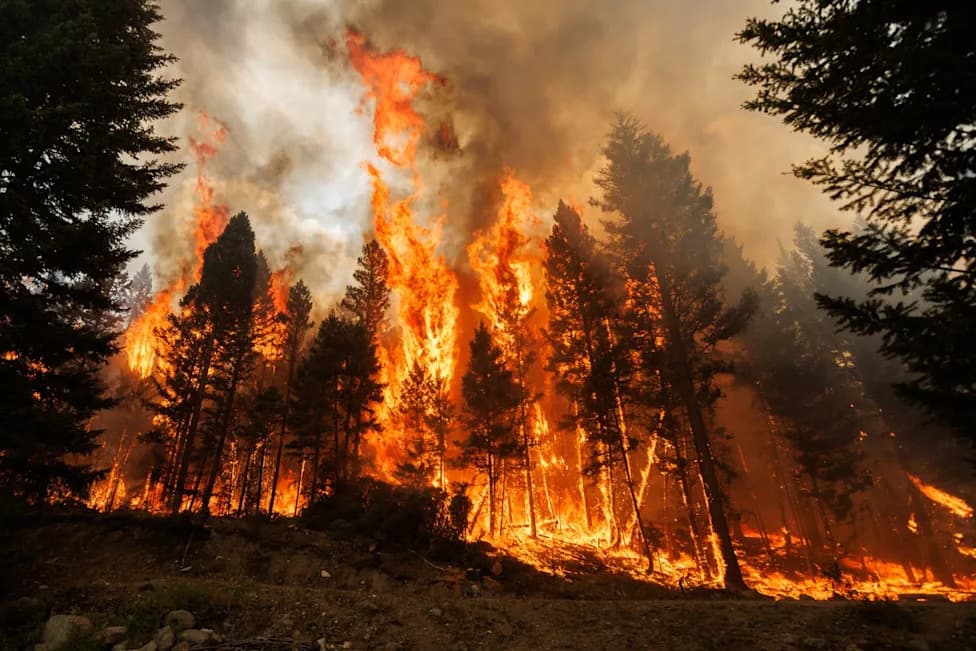
Wildfire trends are diverging across high-risk regions as the planet warms: burned forest area has surged in the U.S. Southwest while eastern Australia has not seen a comparable rise. A new paper in Environmental Research Letters links part of this contrast to a multidecadal shift in the tropical Pacific, which altered atmospheric dryness patterns in opposite directions for the two regions.
What the Study Did
The researchers analyzed climate records and burned-forest data from 1984 to 2022, focusing on vapor pressure deficit (VPD) — a measure of atmospheric dryness that indicates how strongly air pulls moisture from soil and vegetation. Higher VPD generally increases wildfire risk by drying fuels and soils.
Key Findings
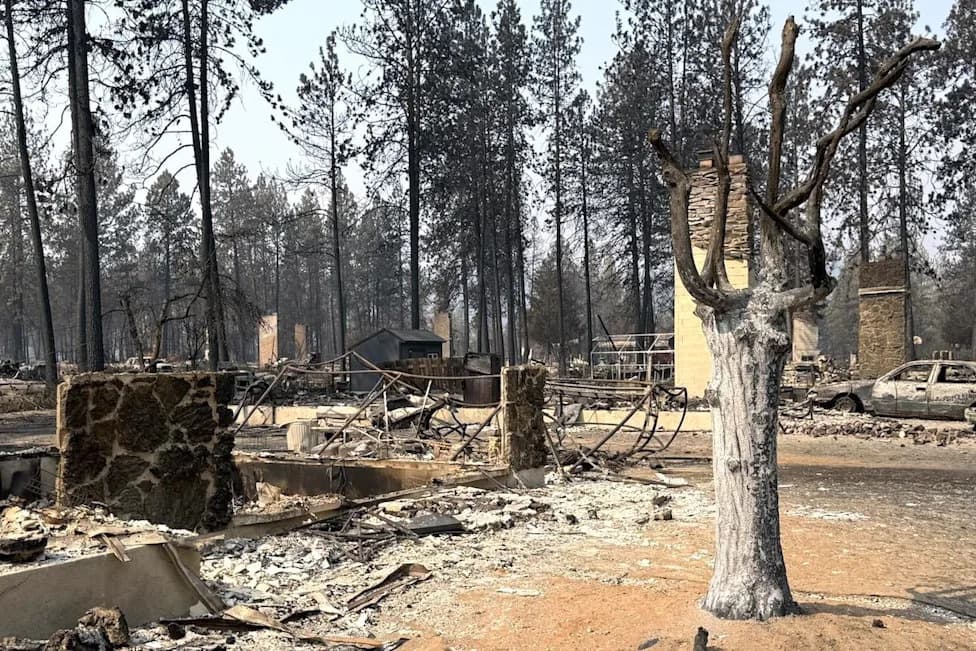
Across the study period, burned forest area rose dramatically in the U.S. Southwest: the interior Southwest saw an increase of more than 3,000%, and a coastal band that includes much of California experienced an increase exceeding 1,000%. The analysis attributes most of the additional drying to human-caused warming, while a long-term tropical Pacific pattern amplified that drying and accounted for roughly 22% of the VPD-related increase in burned area in the American regions examined.
By contrast, the same Pacific shift had the opposite effect in eastern Australia. There, it is associated with less drying than would have been expected from warming alone, consistent with an estimated ~19% reduction in burned forest area across the Australian subregions analyzed. That does not mean eastern Australia avoided warming: VPD still trended upward locally, but the Pacific change weakened the warming-driven drying signal.
Implications
The study underscores that wildfire risk is shaped by more than steadily rising temperatures. Long-term ocean variability can either intensify or moderate the effects of global warming on regional fire danger, so trends in one high-risk region may not mirror those in another. Accounting for both anthropogenic warming and slower, multidecadal Pacific changes could improve seasonal-to-decadal wildfire forecasts and inform national and international firefighting planning.
The research also highlights a modelling challenge: many climate models project a different future trajectory for the tropical Pacific than recent observations suggest. Scientists are still working to determine how much of the current Pacific pattern is due to natural variability, human-driven climate change, or a combination of both — an uncertainty that matters for long-range fire-risk projections.
Tess Wei-Ping Jacobson, lead author and postdoctoral fellow at NASA Goddard Institute for Space Studies, said: "We found that what's happening in the tropical Pacific over longer timescales, not just during El Niño and La Niña, is another significant piece of the puzzle."
Improved understanding of these slower Pacific shifts — alongside well-established drivers like greenhouse-gas warming — could strengthen preparedness, resource-sharing arrangements, and cross-border firefighting strategies as fire seasons evolve.
Help us improve.