Dr Nancy Irwin survived catastrophic head injuries in a 2002 boat collision and, after eight years of rehabilitation, returned to research with support from a Daphne Jackson Trust fellowship. She went on to work on conservation and sustainable livelihoods in Papua New Guinea and formally described a new fruit bat species in 2017, naming it the "Happy Tube-Nosed Fruit Bat." On 20 July she was awarded an honorary doctorate from the University of York for her work on sustainability.
From Near-Fatal Injury to Species Discovery: Dr Nancy Irwin's Journey from Rehabilitation to Rainforest Conservation

Bat expert who lost part of her brain finds new species
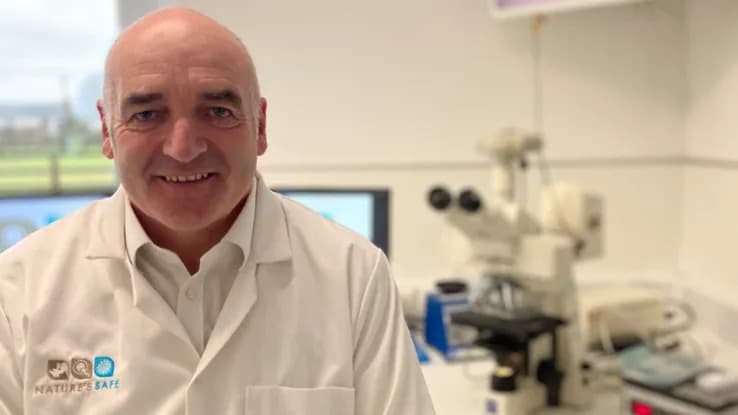
Dr Nancy Irwin of Glossop, Derbyshire, survived a near-fatal boat collision in Gabon in 2002 that left her with extensive facial fractures, a removed section of skull and a portion of her brain, and permanent neurological damage. After eight years of intensive rehabilitation she returned to research and went on to lead conservation and sustainable-trade projects in Papua New Guinea — including the discovery and formal description of a new fruit bat species.
Surviving the Accident and a Long Recovery
Four weeks shy of completing her PhD, and working for an oil company at the age of 28, Irwin was thrown into a lagoon when another vessel struck her boat. Within 48 hours her life was in the balance. A helicopter evacuation to a French oil platform and later transfer to a specialist trauma hospital in Johannesburg helped save her life.
"I had more fractures in my face than could be counted easily. I lost a section of my skull, I have plastic behind my eyes and metal plates in my head. I got gangrene of the brain, so I had to have a portion of my brain removed," Irwin recalled.
Her rehabilitation was long and demanding. "I spent eight years in rehab, learning to walk, talk, manage being a disabled person," she said. She also lives with the loss of proprioception — a reduced sense of body position — which affects everyday tasks, including judging moving traffic.
Return To Academia
After an eight-year break from research, Irwin returned to academia in 2009 at the University of York thanks to a Daphne Jackson Trust fellowship, a programme that helps STEM professionals resume their research careers after extended breaks. She describes the fellowship as "an absolute lifeline" that enabled her to refresh her skills and complete her academic comeback.
Conservation Work And Economic Alternatives
Irwin has spent much of her career in Papua New Guinea, where she established a vanilla and cocoa export enterprise and supported rainforest protection. She argues that valuing forests for services beyond timber — such as disease regulation and habitat integrity — is crucial. "If you destroy an environment, animals move, they become in contact with a domestic animal, and then you get outbreak," she noted, linking habitat loss to increased risk of zoonotic disease emergence.
Discovery Of A New Bat Species
In 2017 Irwin formally described a new species of fruit bat from a remote PNG rainforest. The animal was briefly nicknamed the "Yoda" bat because of a facial resemblance to the Star Wars character, but Irwin chose a locally respectful name: the Happy Tube-Nosed Fruit Bat, noting that most local communities have limited exposure to global pop culture. She emphasized the care required when naming new species, including checking historical museum records to ensure the species has not already been described.
Honours And Message
On 20 July Irwin received an honorary doctorate from the University of York in recognition of her sustainability and conservation work. Reflecting on her recovery and career, she told graduates: "Every day is a gift, be brave and whenever it gets hard ask the question: 'Is it fatal?' and if it's not, get on with it." She is believed to be the first Daphne Jackson fellow to receive such an honour.
Help us improve.