The GAO reports the Air Force's B-52 modernization program is billions over budget and delayed, with 10 of 13 upgrade efforts facing cost, schedule, or performance problems. The Commercial Engine Replacement Program has added about $3 billion in costs since 2023 and is more than 15 months behind, while production is planned with limited developmental flight testing. The GAO recommends pausing the engine production decision pending a full risk and cost analysis; officials argue the upgrades are essential to preserving the bomber's deterrent role.
GAO: B-52 Modernization Billions Over Budget, Key Upgrades Delayed
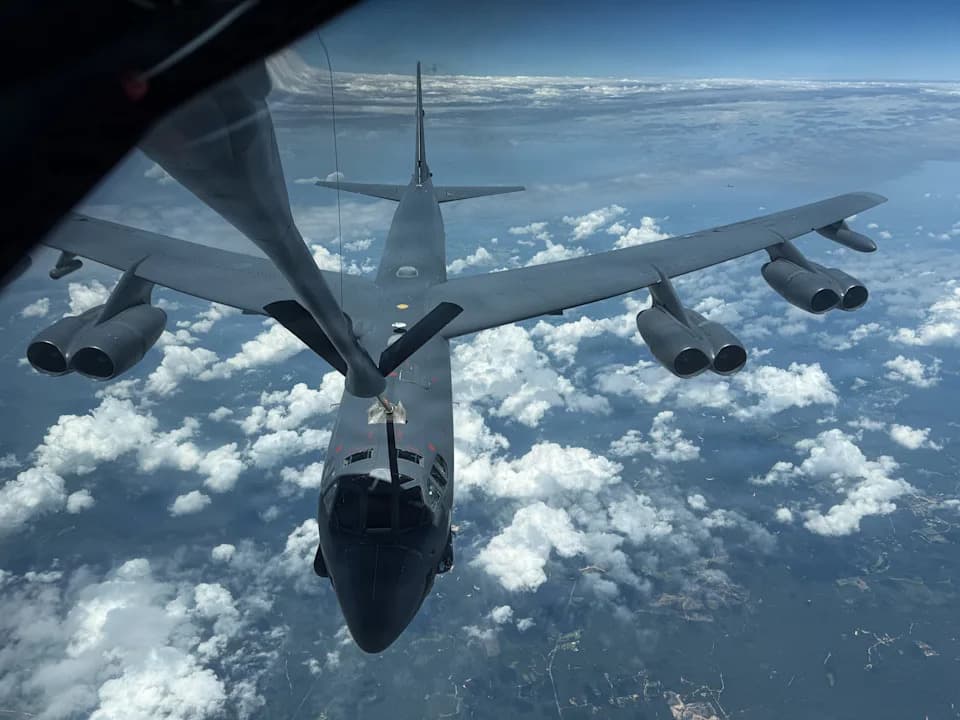
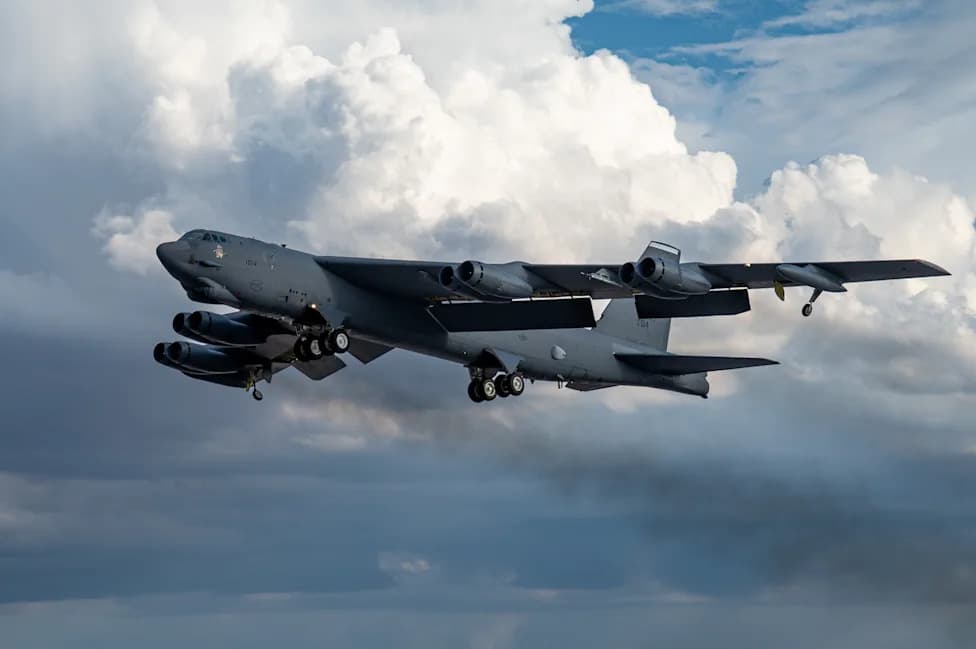
Completing B-52 upgrades at the same raises risks of future hardware work, the GAO found.US Air Force photo by Airman 1st Class Helen Ly
The U.S. Air Force's multi-billion-dollar effort to modernize its fleet of B-52 Stratofortress bombers is running behind schedule and well over budget, the Government Accountability Office (GAO) concluded in a recent report.
Scope of the Program
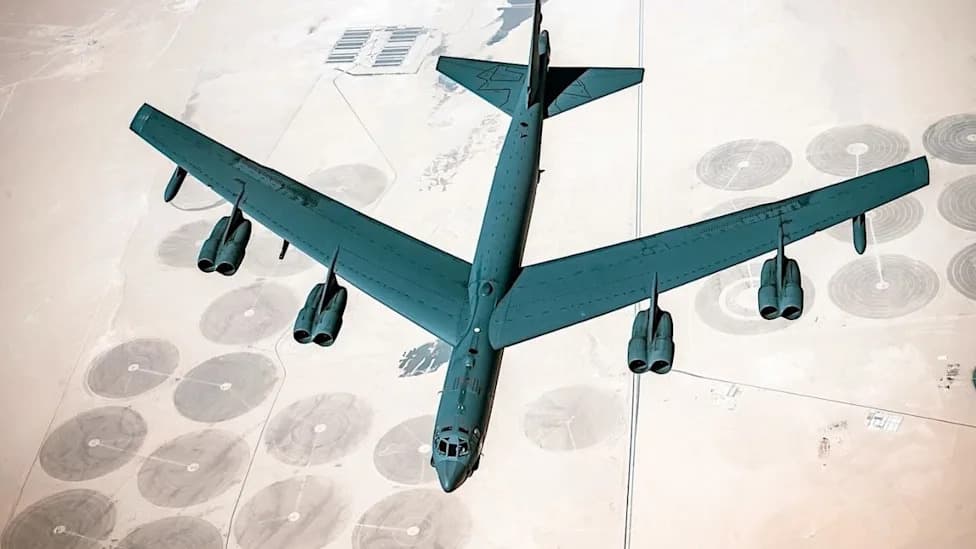
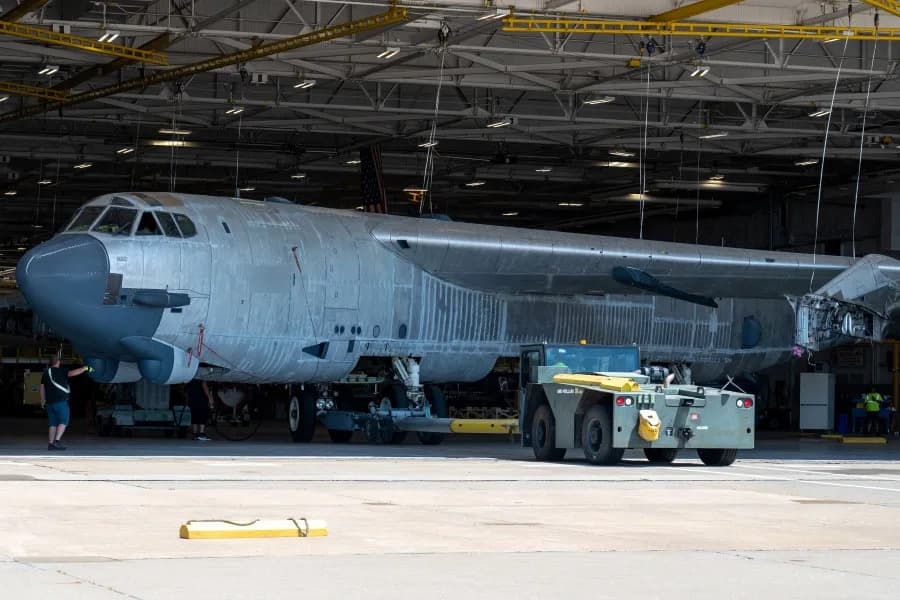
First flown in 1950, the B-52 has been a central component of U.S. airpower for decades. The Air Force plans to keep the aircraft flying into the 2050s by implementing a suite of upgrades, including new commercial engines, modern radar suites, updated communications systems, advanced targeting displays, and training devices. The fleet is also being modified to carry the AGM-181 Long-Range Standoff weapon, a new nuclear-capable cruise missile currently in development.
What the GAO Found
Of the 13 individual upgrade efforts the GAO reviewed, 10 are experiencing cost, schedule, or performance problems. The largest driver of cost growth is the Commercial Engine Replacement Program, which the watchdog says has accumulated roughly $3 billion in additional costs since 2023 and has seen its initial operational date delayed by more than 15 months.
“The program will likely continue to face significant challenges as the Air Force plans to begin production with little to no developmental flight testing,” the GAO wrote.
Risks From Parallel Workstreams
The GAO also warned that executing many upgrades simultaneously increases the chance of integration problems and future hardware rework. The report notes that work on one program can require moving or modifying hardware that other modernization efforts later need to address, creating interdependencies and added schedule risk.
Recommendations and Official Views
In its report the GAO made six recommendations to the Air Force, including urging a delay to the engine production decision until program offices fully analyze recent cost growth and schedule slips to better understand risks and benefits. Despite the challenges flagged by the GAO, senior defense officials have emphasized the strategic importance of the upgrades. Last year, Vice Admiral Richard Correll — then the Trump administration's nominee to lead U.S. Strategic Command — described the modernization effort as “essential” to maintaining the bomber’s deterrent role, saying the engine and radar upgrades would effectively make the B-52 “a new airplane.”
Operational Context
Supporters of the program point to recent operational uses of the platform. Earlier this year, B-52s flew overland missions in Iran. In March, Gen. Dan Caine, chairman of the Joint Chiefs of Staff, said the U.S. had “struck more than 11,000 targets” over a 30-day period and highlighted the initiation of overland B-52 missions as evidence of the bomber’s continued operational relevance.
Bottom Line
The GAO’s assessment raises clear questions about cost control, schedule realism, and the prudence of beginning large-scale production before completing adequate developmental testing. The Air Force faces a choice between accelerating upgrades to preserve capability and slowing to reduce risk and better manage costs.
Help us improve.