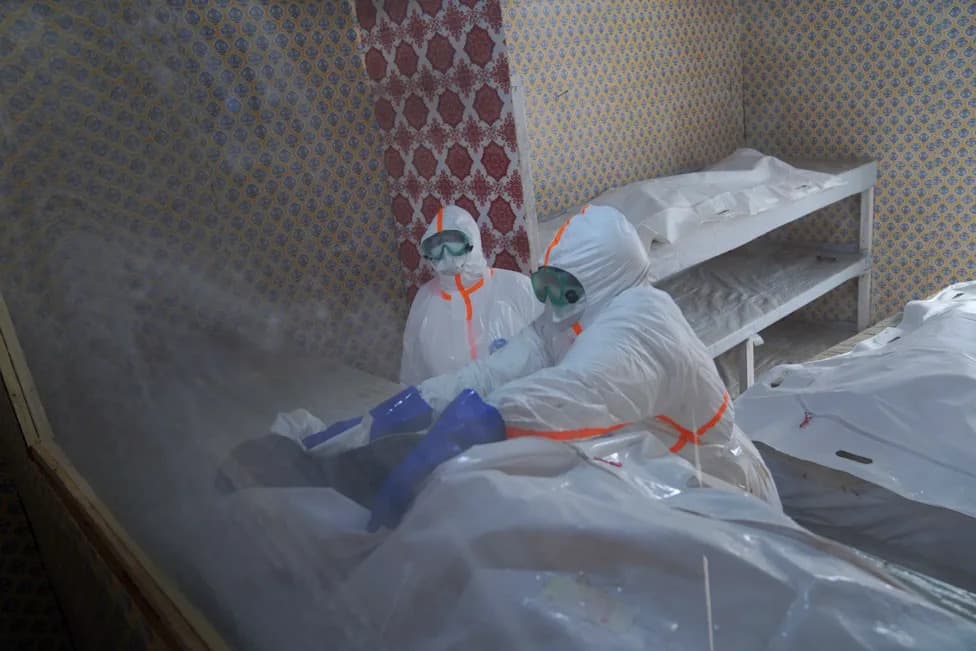
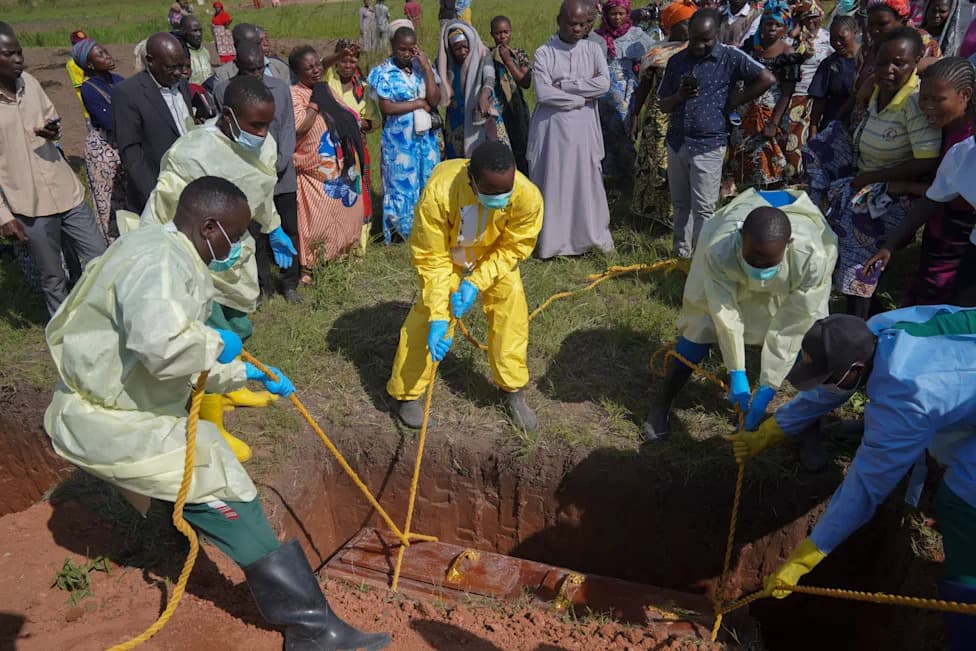
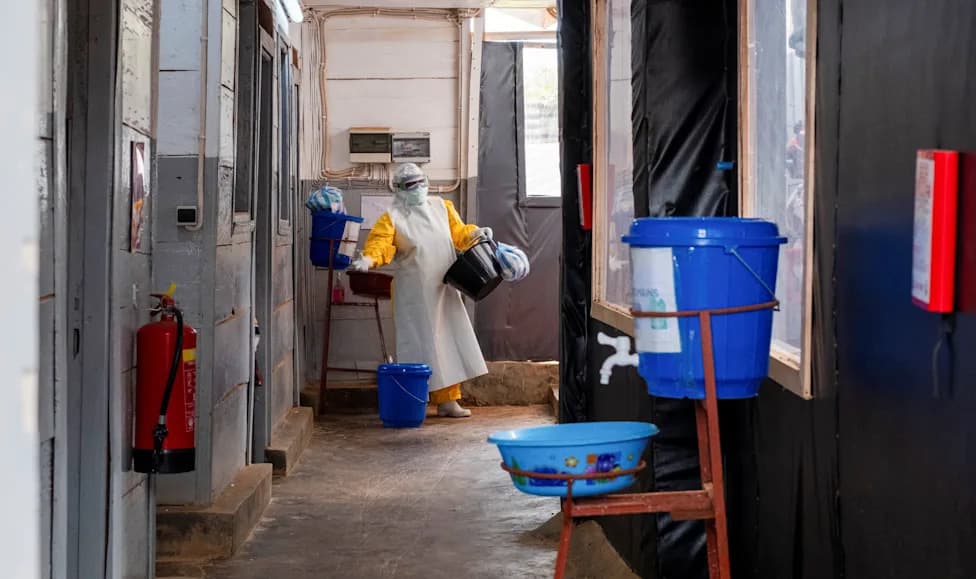
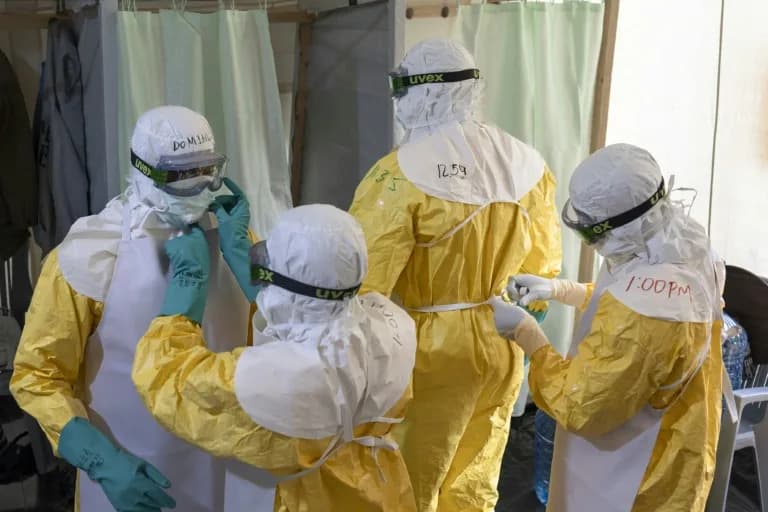
The Ebola outbreak in the Democratic Republic of Congo has reached 3,605 confirmed cases — the country's largest and the fastest-growing Ebola event on record. The Bundibugyo strain has caused more than 1,500 deaths since May, with most cases in conflict-ridden Ituri province where nearly one million people are displaced. Violence, mistrust, misinformation and reduced international aid (including the 2025 closure of USAID) are undermining containment. Vaccine trials began in July, but no approved treatment exists; the UN says the response needs to triple while the $2.1 billion appeal is only 45% funded.
Fastest-Growing Ebola Outbreak in DRC Hits 3,605 Cases — Response Strained by Conflict and Funding Shortfalls
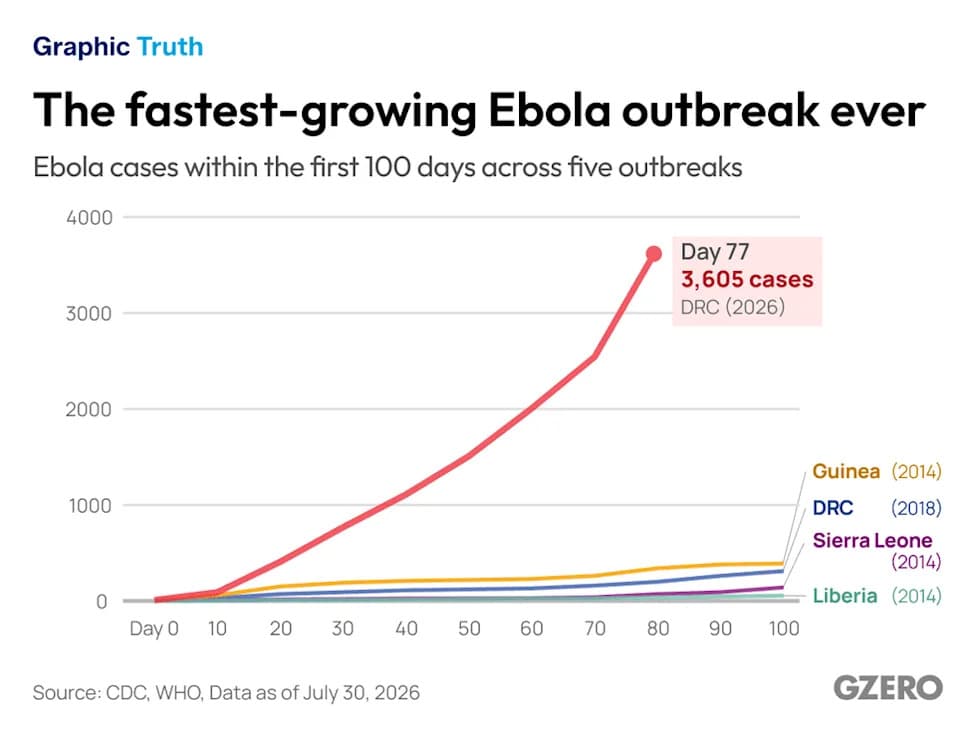
The Ebola outbreak in the Democratic Republic of Congo (DRC) has reached 3,605 confirmed cases, the World Health Organization reported over the weekend, making this the largest Ebola outbreak on record in the country. At less than three months since it began in May, it is also the fastest-growing Ebola outbreak documented worldwide.
How This Outbreak Compares
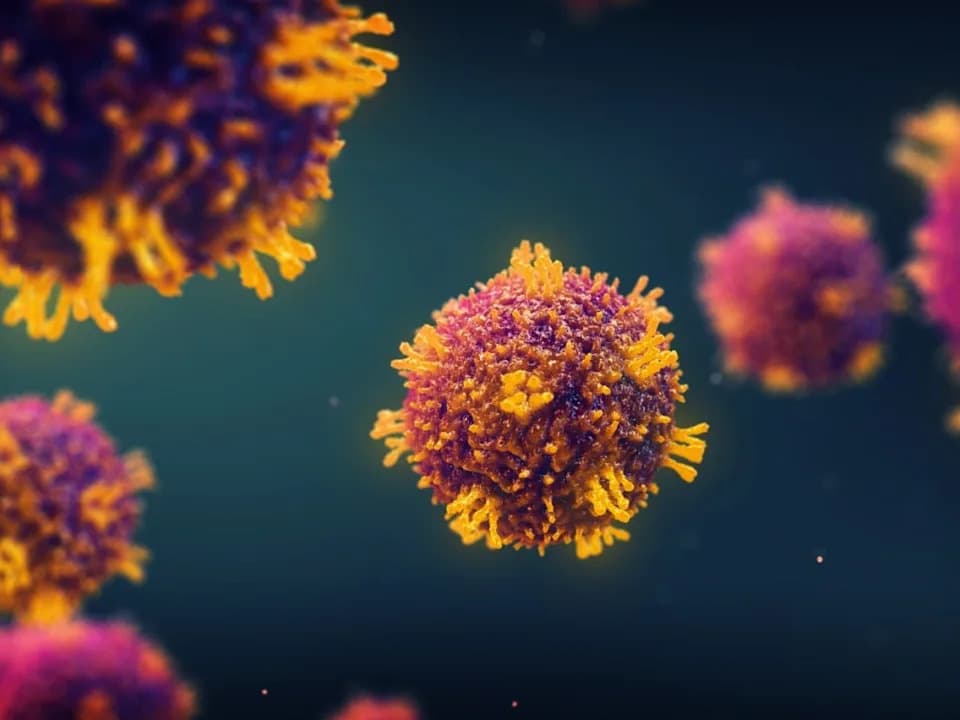
By comparison, the DRC's previous major outbreak from 2018 to 2020 took roughly 18 months to reach a similar caseload. Only the 2014–2016 West Africa epidemic was larger, infecting more than 28,000 people and causing over 11,000 deaths across about two and a half years. The current crisis is driven by the relatively rare Bundibugyo strain and has already claimed more than 1,500 lives.
Conflict, Displacement and Mistrust Hamper Control Efforts
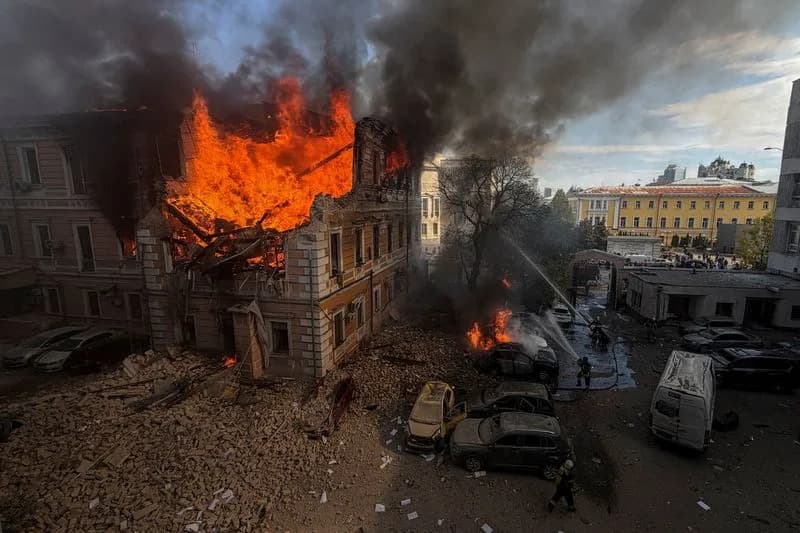
Most infections are concentrated in Ituri province, where fighting has persisted since 2021 after offensives by the M23 rebel group resumed. Nearly one million people in the region are now internally displaced, and dozens of armed groups operate across affected areas. Renewed clashes along the Ituri–North Kivu border have forced families to flee, complicating case detection, contact tracing and safe patient transport.
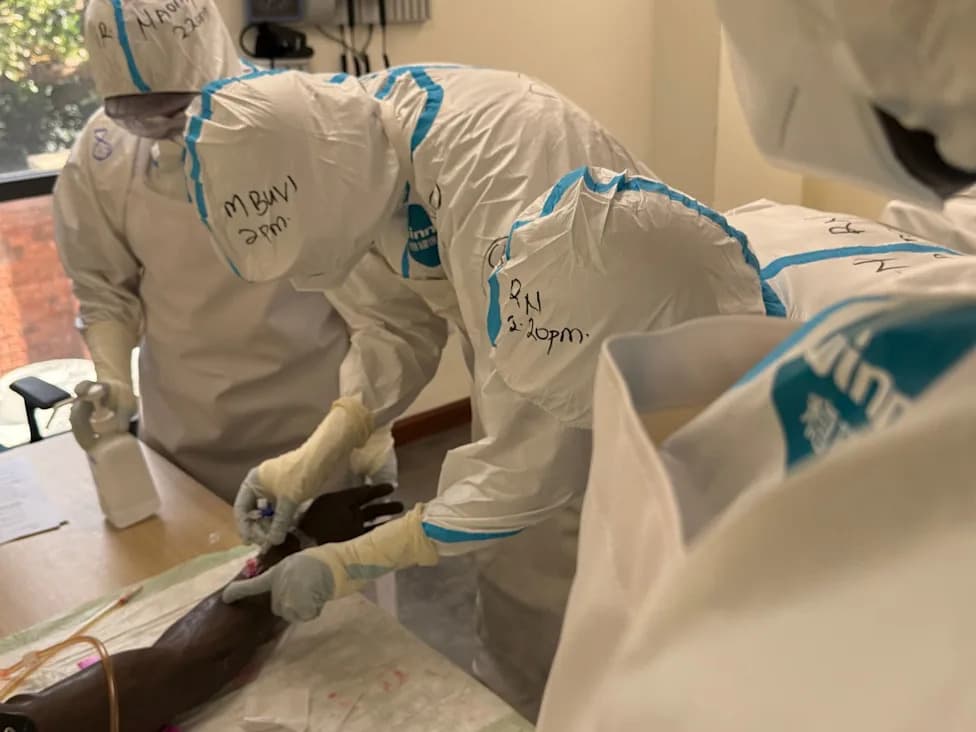
At the same time, health teams are confronting deep public mistrust, widespread misinformation on social media and resistance to authorities — all of which slow testing, isolation and community-based prevention efforts. The WHO warns that official case counts likely understate the true extent of infections.
Resources Are Shrinking When They Are Needed Most
Response capacity in the region has been weakened by falling international support. USAID, which was shuttered in 2025, had supported local response networks with years of Ebola experience; its absence removes a critical layer of institutional memory and funding. The United Nations says the Ebola response in the DRC must triple in scale to contain transmission, yet the broader $2.1 billion humanitarian appeal is only about 45% funded.
Medical Options and Next Steps
There is currently no approved treatment specific to the Bundibugyo strain. Clinical trials for an experimental vaccine began in July, but the timeline for success remains uncertain. Public-health experts say immediate priorities are increased surveillance, safe patient care, stronger community engagement to counter misinformation, and rapid infusion of international funding to support tested local response teams.
Bottom line: Containing this fast-growing outbreak is a race against time made far more difficult by ongoing conflict, mass displacement and insufficient funding.
Help us improve.