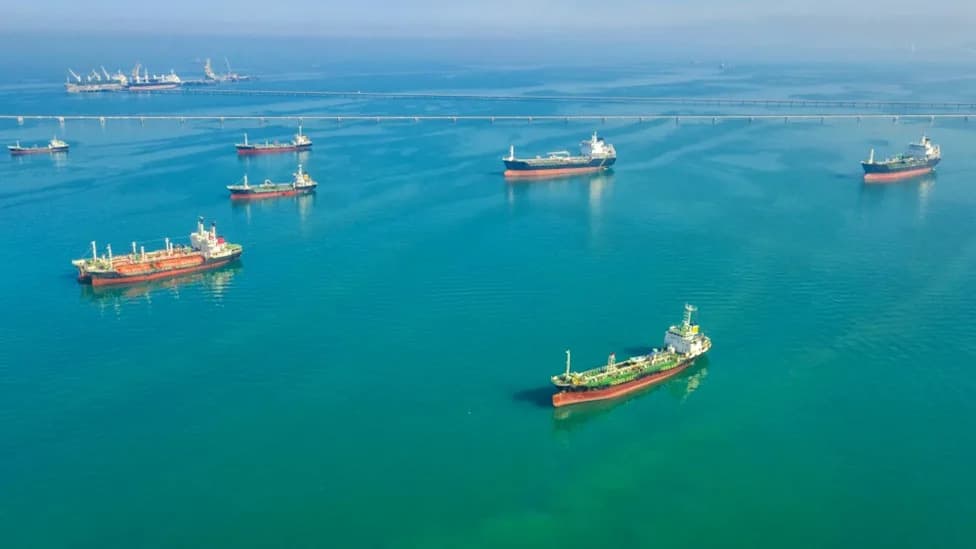
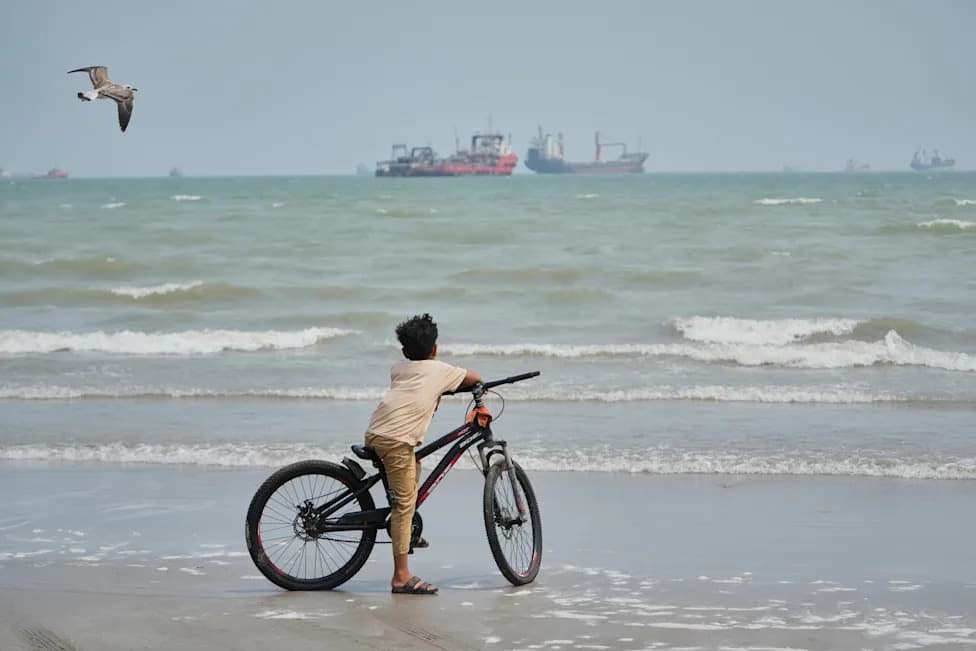
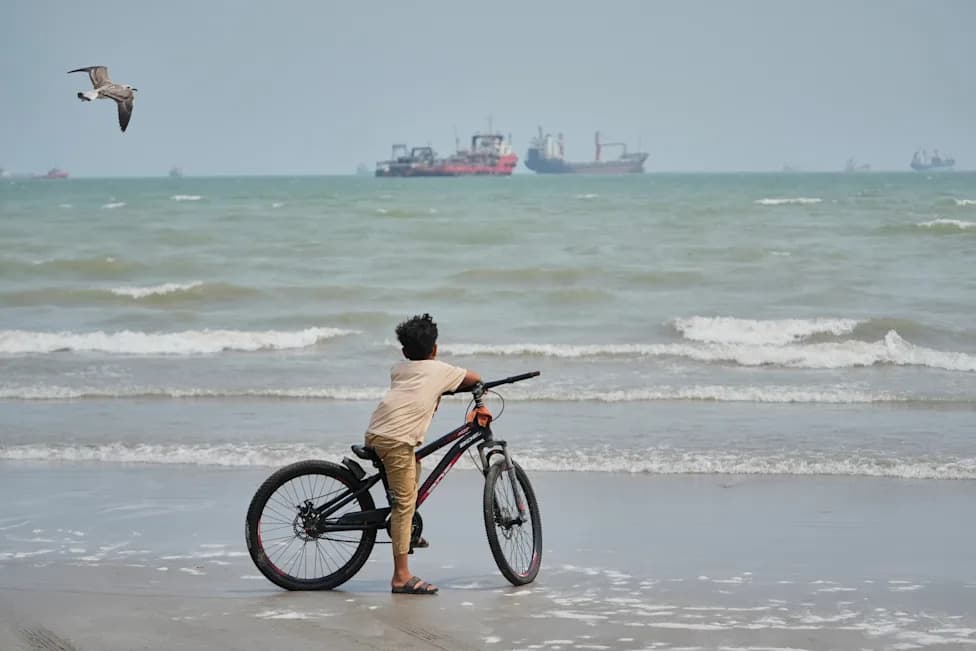
Analysts warn the risk to oil tankers in the Middle East is the highest since the Iran war began, driven by attacks in the Red Sea and renewed tensions in the Strait of Hormuz. Kpler reports Hormuz transits have dropped from over 100 per day to single digits, while many ships are "going dark." Houthi attacks and a declared blockade of Saudi Red Sea ports have threatened the main alternative route, pushing crude exports to Asia and overall tanker traffic to their lowest levels since the conflict began. Industry bodies say restoring normal flows could take three to four months even if diplomatic progress is made.
Threat To Oil Tankers In Middle East At Highest Since Iran War Began, Analysts Warn
[Getty Images]
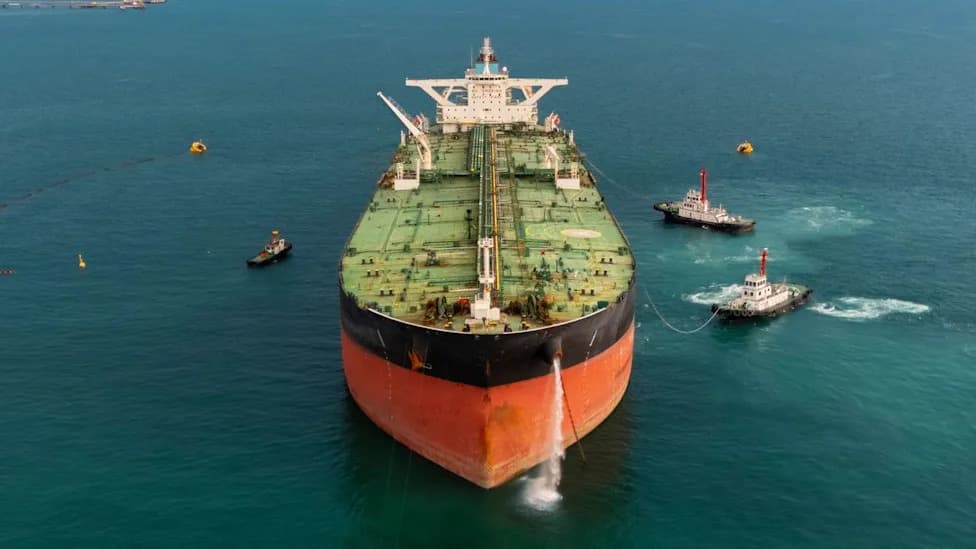
Analysts warn the danger to oil-carrying vessels in the Middle East is at its most severe point since the Iran war began, after a fresh series of attacks in the Red Sea and renewed tensions around the Strait of Hormuz.
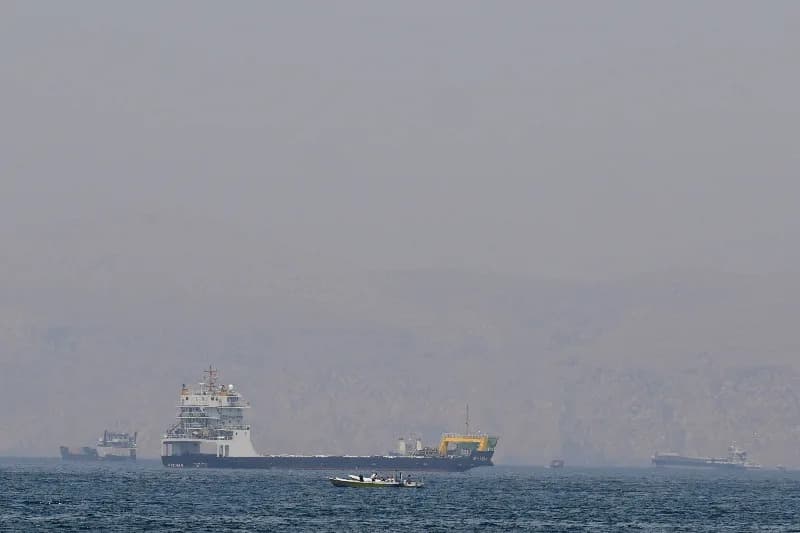
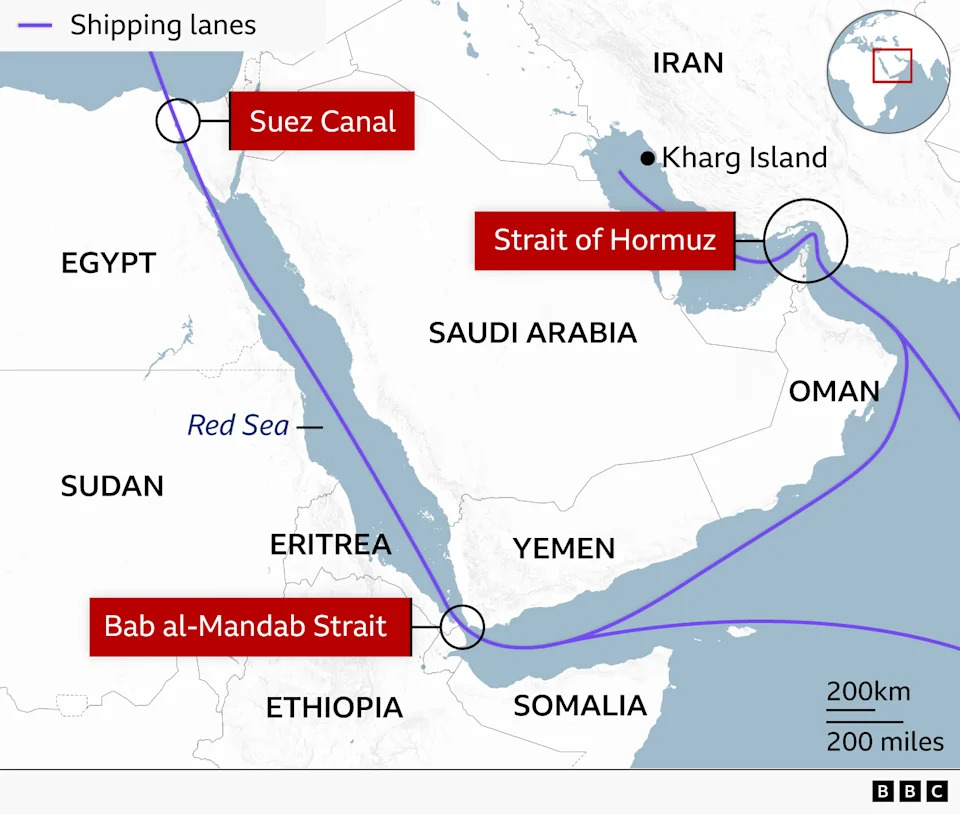
Ship-tracking firm Kpler reports daily transits through the Strait of Hormuz have collapsed from more than 100 per day before the conflict to single digits most recently — eight on Sunday and 11 on Saturday — with many vessels deliberately switching off their automatic identification system (AIS) transponders and "going dark" to avoid detection.
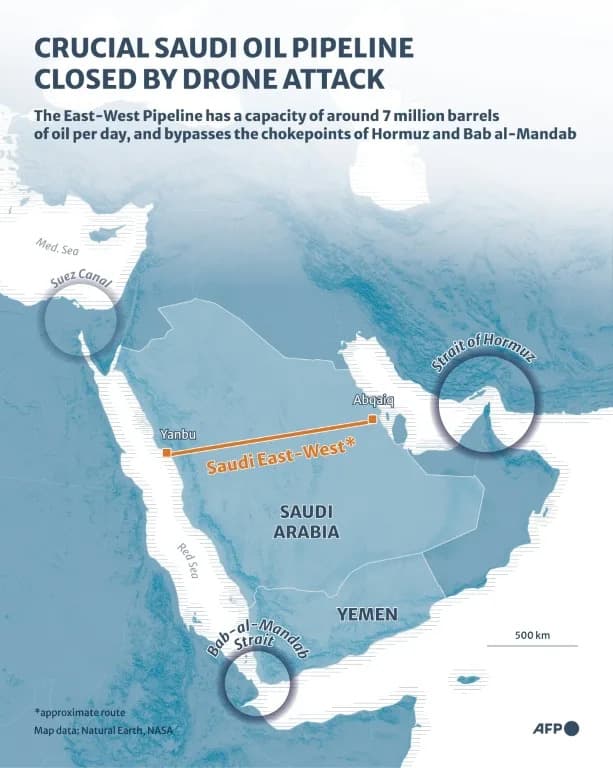
Historically, roughly 20% of the world’s oil and gas passed through the strait. A temporary lull in fighting and a brief June agreement with the US had led to a partial recovery in traffic, but renewed strikes about a month later have driven numbers back down.
[BBC]
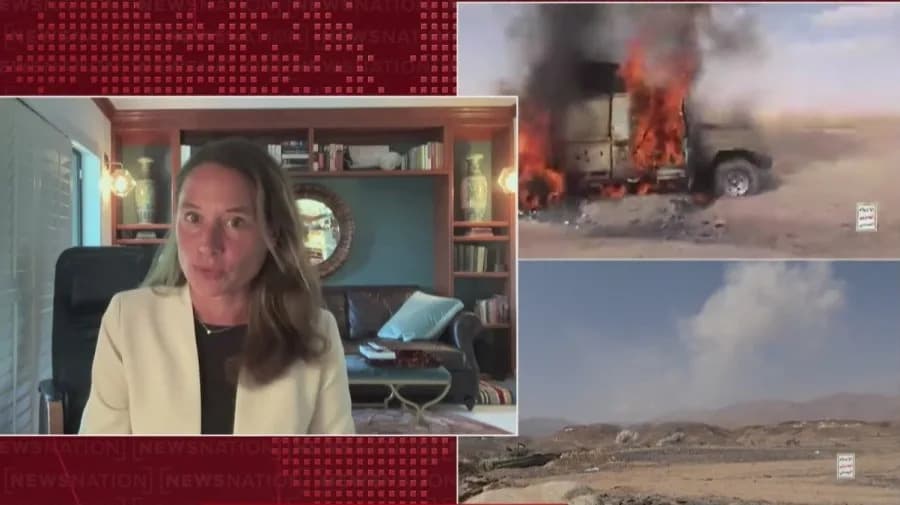
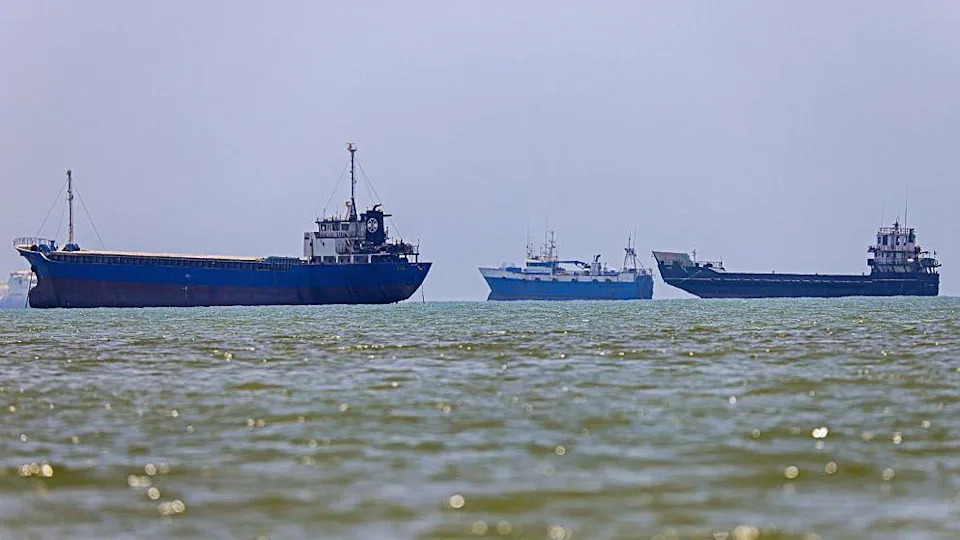
For much of the conflict, Saudi oil tankers rerouted via an alternative corridor through the Red Sea and the Bab el-Mandeb. That route is now under new threat after a series of attacks by Yemen’s Iranian-backed Houthi militia. On 20 July the Houthis announced what they described as a blockade of Saudi Red Sea ports, and the UK Maritime Trade Operations agency has reported multiple incidents in recent days.
"In terms of threat to the trade of crude, we're at the worst period that we've been in since this crisis began," said Matthew Wright, an analyst at Kpler.
Intertanko managing director Tim Wilkins warned the shipping industry faces a "broadening, deteriorating, and increasingly complex security situation," with the high-risk area expanding into Saudi waters and parts of the Red Sea. Kpler data showed 28 commodity vessels transited the Bab el-Mandeb on Saturday, six of which had switched off transponders.
Not all vessels avoid the Red Sea — the Houthi campaign has so far targeted Saudi shipping in particular — but overall alternate-route traffic is roughly half of pre-attack levels. Kpler also reported that the number of tankers loading crude for export to Asia via the strait has fallen to about four per day, the lowest level since the war began.
[AFP via Getty Images]
Shipping companies are adjusting routes and networks. A Hapag-Lloyd spokesperson said some vessels still transit the Red Sea but that the company is "monitoring developments closely and will adjust the network if circumstances change." The firm added that, even if the Strait of Hormuz reopened quickly, fully restoring normal cargo flows would likely take three to four months because services have been suspended and ships redeployed.
Iran has denied claims it is negotiating directly with the US to reopen the strait, saying instead it has been in talks with Oman. Tehran’s foreign ministry spokesman Esmaeil Baqaei said any lasting change would depend on the wider political environment and would not remove restrictions while, in Iran’s view, US "aggression" continues. Analysts caution that productive arrangements would probably require broader involvement, including the US, to avoid a "false start."
Oil markets reacted to developments: Brent crude fell sharply after former US President Donald Trump said he would cancel planned strikes on Iran pending talks, trading down about 4.4% at one point. Industry analysts say the combined pressure on both the Strait of Hormuz and the Red Sea compounds risk to global oil flows and leaves maritime operators and energy buyers facing prolonged uncertainty.
Help us improve.