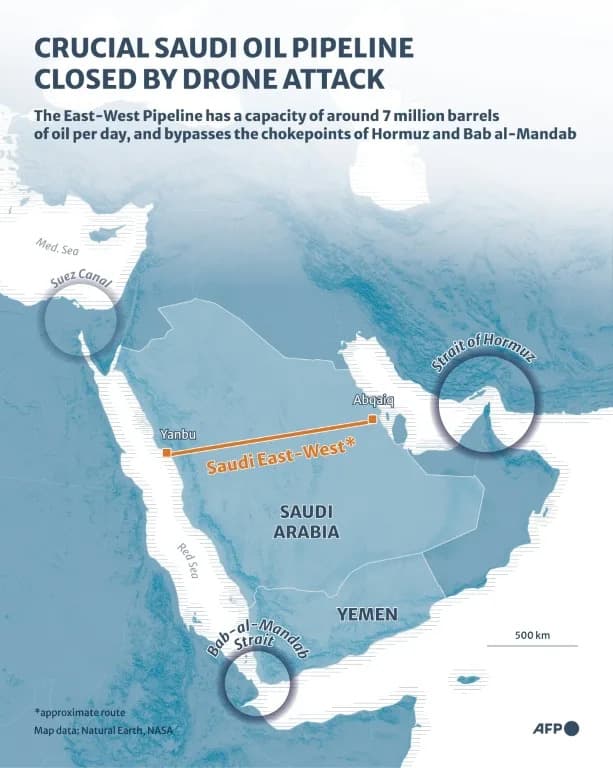
Key takeaways: Preliminary ship‑tracking data show daily commodity transits through the Strait of Hormuz fell to single digits over the weekend, well under a 10‑day average of 14. Four vessels exited and ten entered the Gulf; figures exclude ships with AIS transponders switched off. UKMTO reported a vessel struck by an unknown projectile, while Saudi officials said a drone attack from Iraq briefly shut the East‑West oil pipeline. The strait historically handled about 125 large vessels daily, accounting for roughly 20% of global crude and LNG.
Strait of Hormuz Transits Fall to Single Digits Over Weekend; UKMTO Says Vessel Struck
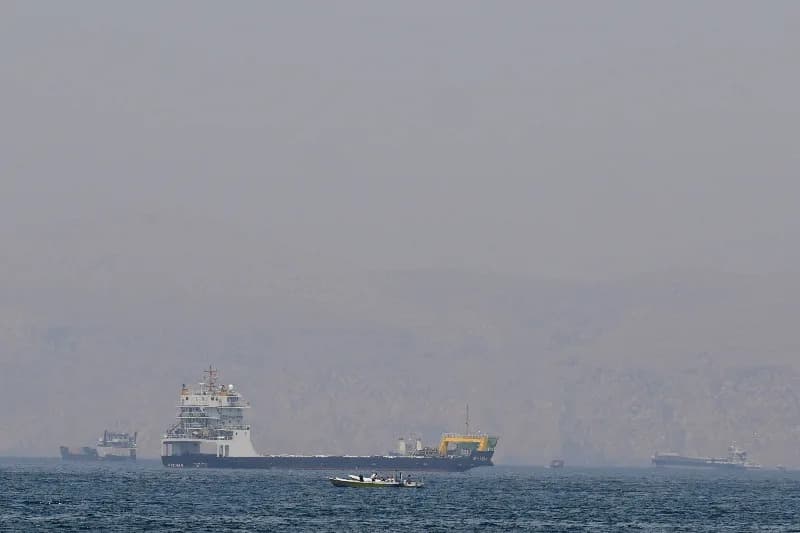
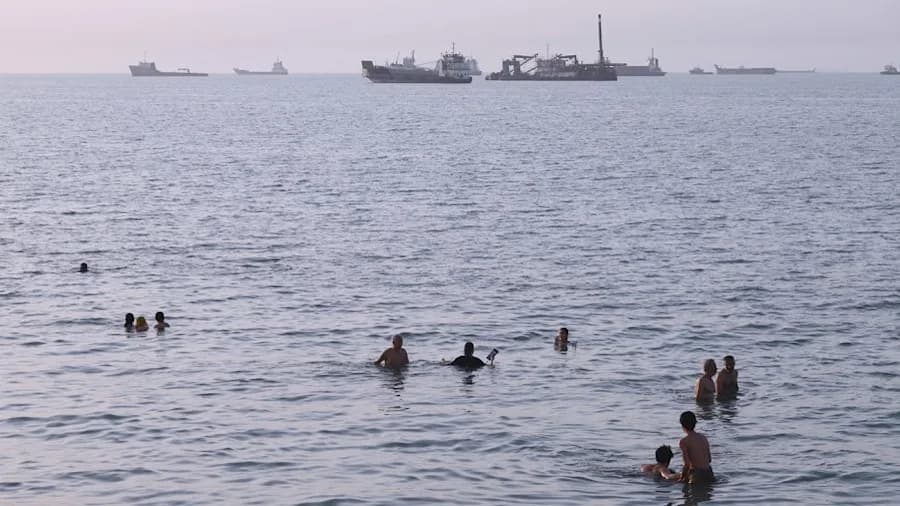
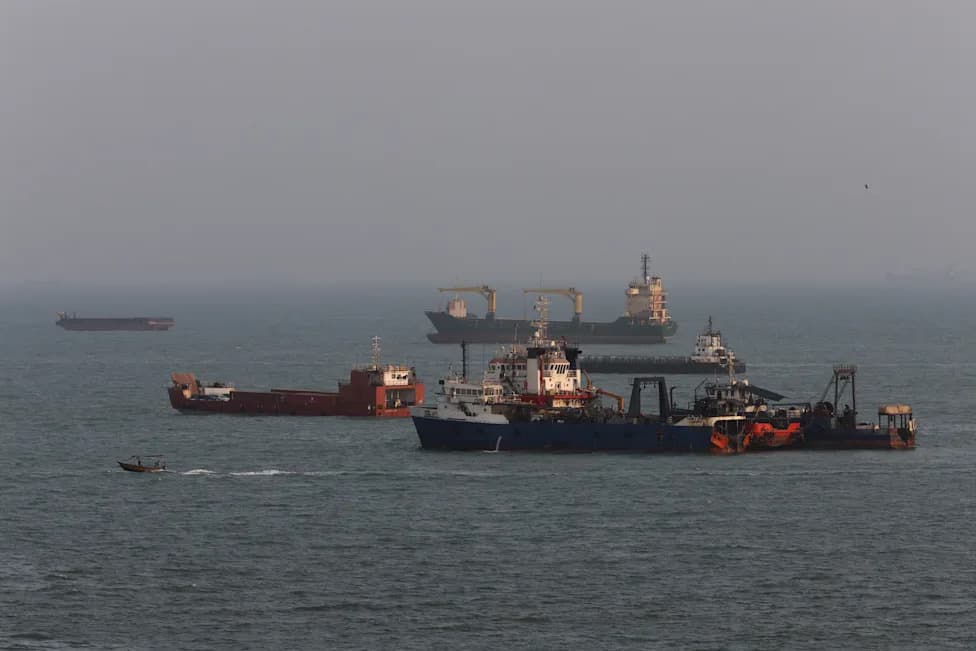
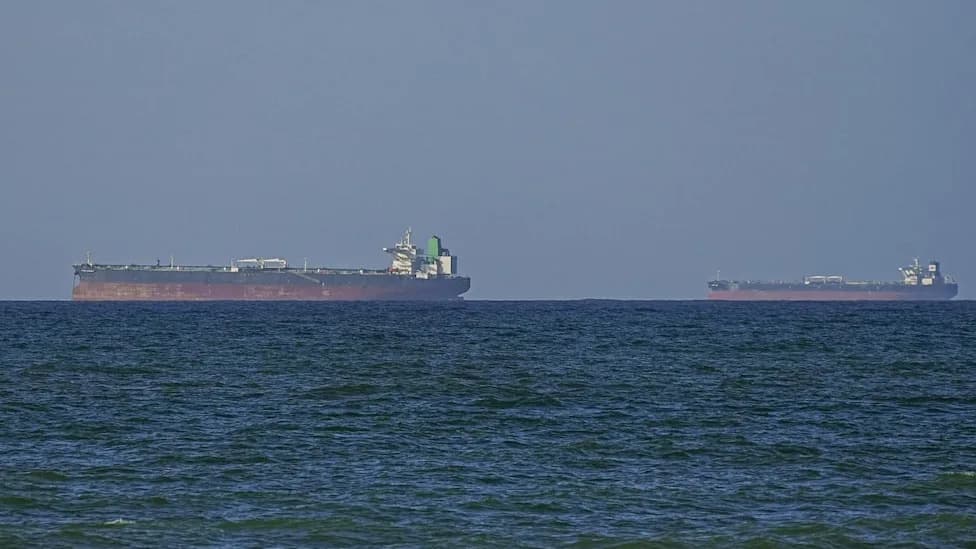
Ships and boats in the Strait of Hormuz off the coast of Musandam, Oman, April 20, 2026. REUTERS
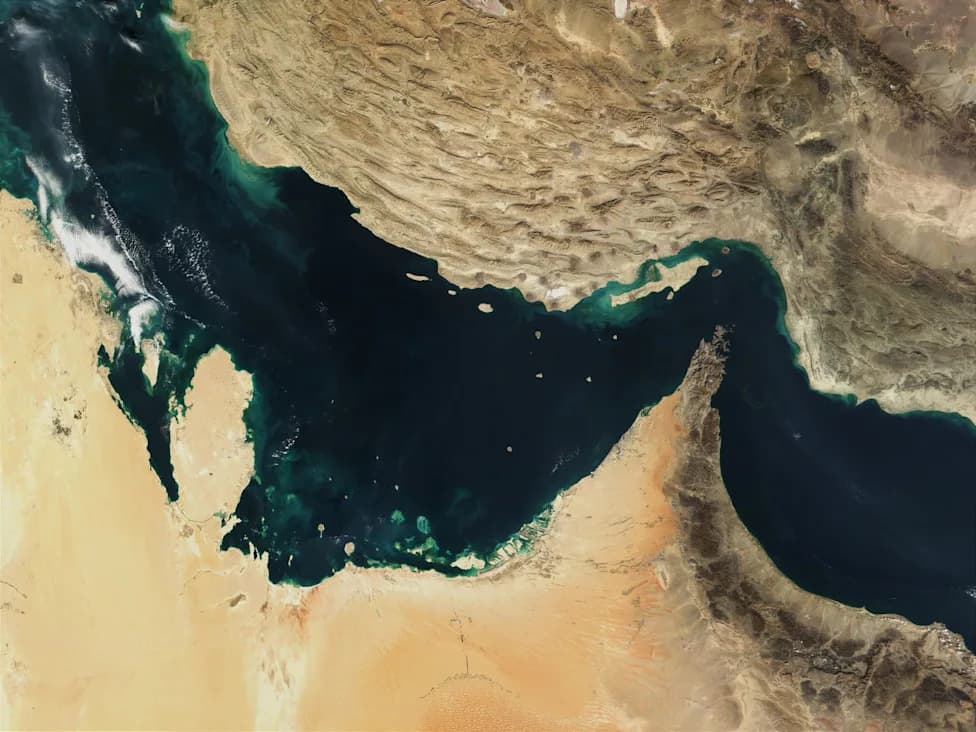
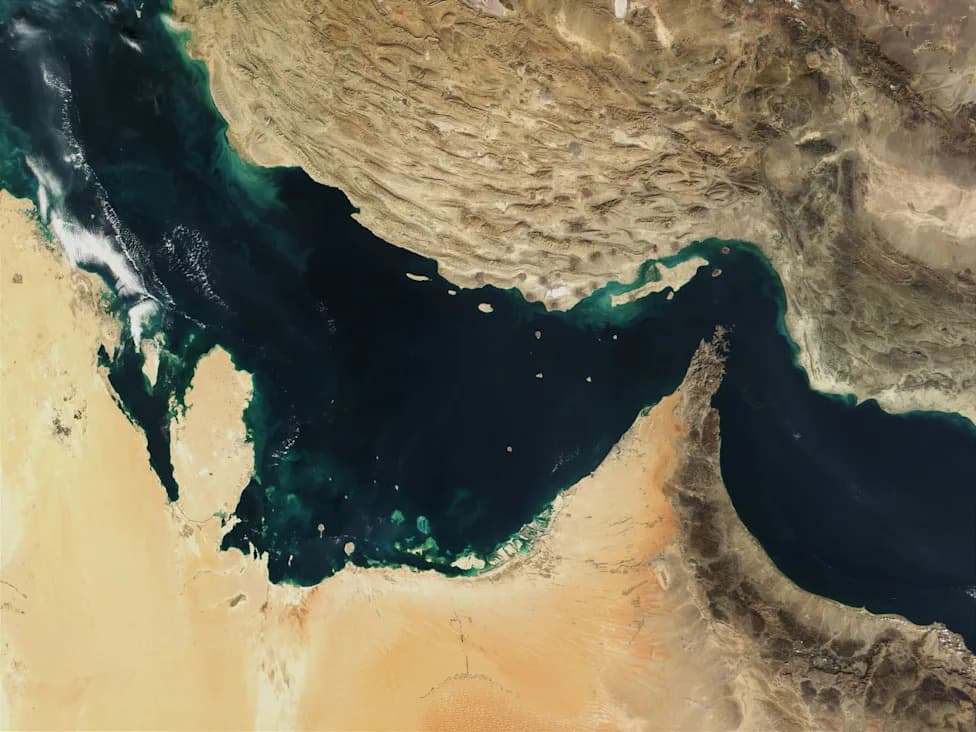
Preliminary ship‑tracking data showed that daily commodity vessel transits through the Strait of Hormuz fell to single digits over the weekend, well below a 10‑day average of 14.
The weekend movements recorded four vessels exiting the Gulf via the strait: a Handysize sailing in ballast, a Handy tanker carrying LPG, a Supramax loaded with fertilizer and a Suezmax laden with crude or condensate. Ten vessels were logged entering the Gulf, including a mini‑bulker with minor bulk commodities, a Handymax transporting grain, a Panamax carrying metals and a Supramax with dry bulk cargo.
These figures exclude any ships that may have transited with their Automatic Identification System (AIS) transponders switched off to avoid detection.
Incidents and Disruptions
Early on Sunday, the United Kingdom Maritime Trade Operations (UKMTO) reported that a vessel was struck by an unknown projectile while transiting the Strait of Hormuz. UKMTO said the crew's condition, the extent of damage and any environmental impact were not yet known.
Separately, Saudi officials said the key East‑West oil pipeline — which has helped ease pressure on shipments through the strait — was temporarily shut after a drone attack that originated from Iraq. The shutdown briefly reduced an alternative route for oil flows from the Arabian Gulf.
Context And Wider Traffic
Before the Iran war began on February 28, the Strait of Hormuz typically handled about 125 large commercial vessels per day — including tankers, gas carriers, bulkers and container ships — and accounted for roughly 20% of the world's daily crude oil and liquefied natural gas supply. A U.S. blockade reimposed in mid‑July has halted Iranian crude exports linked to Iran‑related shipping.
Tracking data for the Bab el‑Mandeb strait showed 24 and 27 commodity vessels transited on Saturday and Sunday respectively, compared with a roughly 10‑day average of about 27 ships.
Outlook: Lower transit counts, projectile strikes and pipeline attacks underscore continuing security risks in key chokepoints. Shipping companies and energy markets will likely watch developments closely for further disruptions.
Help us improve.