Virginia has adopted a new law defining "agrivoltaics," the intentional dual use of land for farming and solar, to address rising electricity demand from data centers and slow farmland loss. The bipartisan measure aims to keep land in agricultural production while expanding clean energy, building on a 2020 mandate for more than 16 GW of land-based renewables. Early examples — from grazing sheep under arrays to shade-tolerant crops — and about 13 operating projects show potential, while state officials plan incentives and advisory workgroups to scale the practice.
Virginia Pushes Agrivoltaics: Pairing Solar With Farming To Power Data Centers And Protect Farmland
Virginia lays groundwork to combine more solar with farming
Virginia has enacted a new law that formally defines "agrivoltaics" — the intentional, joint use of land for agriculture and solar photovoltaics — as the state confronts surging electricity demand and rapid farmland loss.
The measure, passed with bipartisan support in the Democratic-led General Assembly, is intended to expand clean power to meet the needs of hundreds of new data centers while keeping agricultural activity on working lands. Supporters say agrivoltaics can deliver affordable renewable energy, provide farmers with steady new income, and limit the conversion of cropland to utility-scale solar.
Energy Pressure From Data Centers
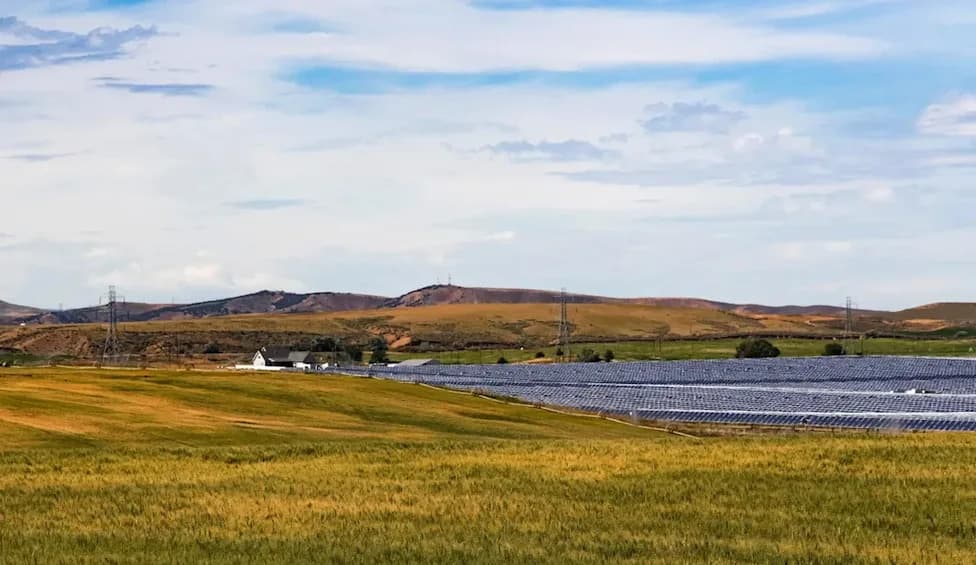
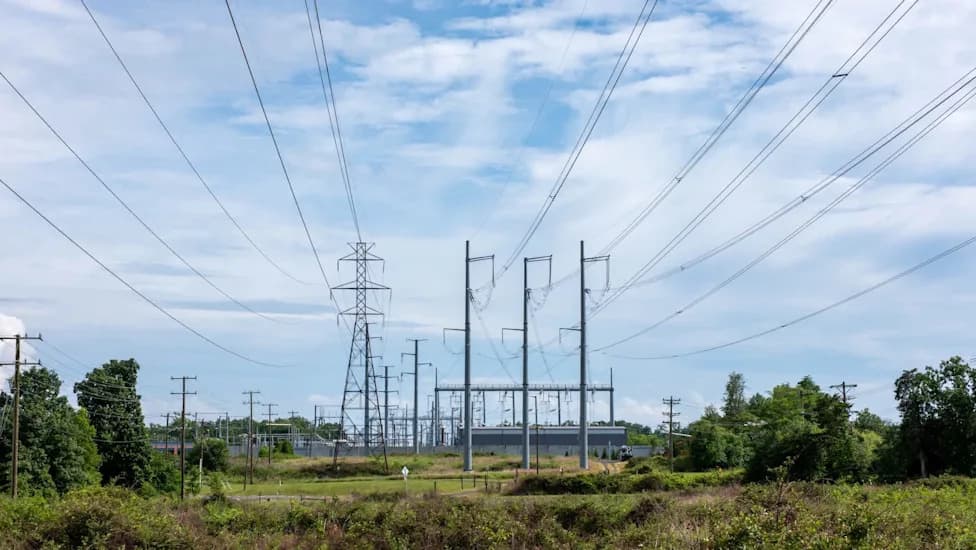
Virginia, long a national hub for data centers, is seeing electricity demand jump. Dominion Energy, the state's largest utility, estimates that data centers could account for more than half of its retail sales by 2035. Experts and officials argue that utility-scale solar — the fastest, lowest-cost option — will be critical to meeting those loads, alongside a 2020 state law that requires Virginia's two largest utilities to build more than 16 gigawatts of land-based renewable energy.
Backlash, Land Use Concerns, And The Role Of Agrivoltaics
Large solar projects have faced pushback after some developers failed to control sediment runoff and amid widespread misinformation. Although housing development is a larger driver of farmland loss, nearly two-thirds of Virginia counties had banned or tightly restricted large-scale solar as of early this year. Research from Virginia Commonwealth University warns that solar's footprint could triple to exceed 3% of former cropland by 2035 if current trends continue.
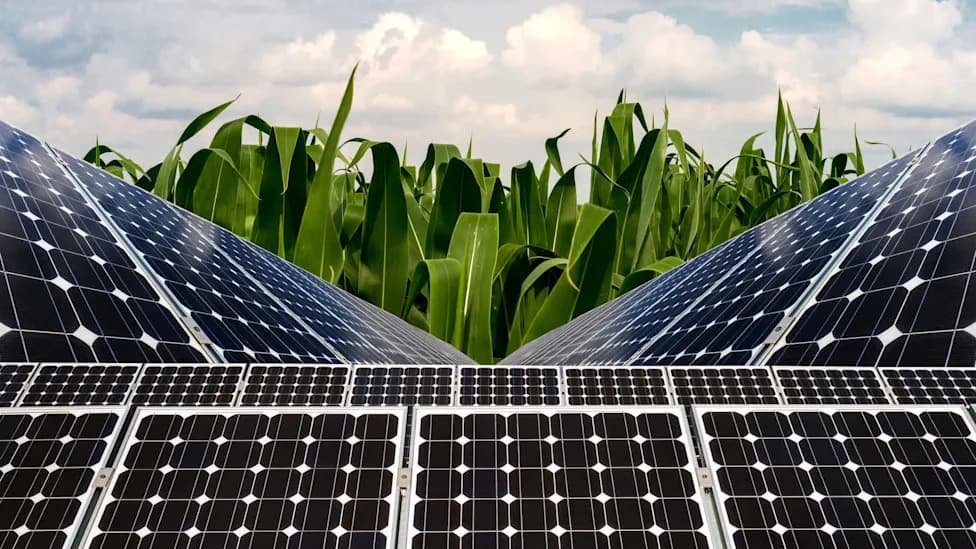
Proponents say agrivoltaics can blunt that trend by keeping land in agricultural production. Livestock such as sheep can graze under arrays, helping manage vegetation and reduce erosion, while shade-tolerant vegetables (eggplant, kale) and pollinator-friendly plantings can thrive beneath panels. The Piedmont Environmental Council is testing these approaches at a demonstration farm in Loudoun County.
Real-World Example: Gray's Lambscaping
Jess Gray, CEO of Gray's Lambscaping, and her husband transitioned from traditional farming to a business model that includes grazing sheep under solar arrays. Their roughly 1,500 ewes now service about 4,000 acres of solar panels across Virginia, generating revenue that helped them expand other farm operations. Their experience illustrates how agrivoltaics can create diversified income streams for small and beginning farmers.
What The Law Does
The new statute provides a seven-line legal definition of agrivoltaics: the intentional dual use of land for farming and solar, counted as part of an agricultural business and not allowed to "significantly displace farming activity," among other criteria. A companion law restricts blanket local bans on solar, preventing counties from imposing far-reaching prohibitions while preserving local authority to deny individual unsuitable projects.
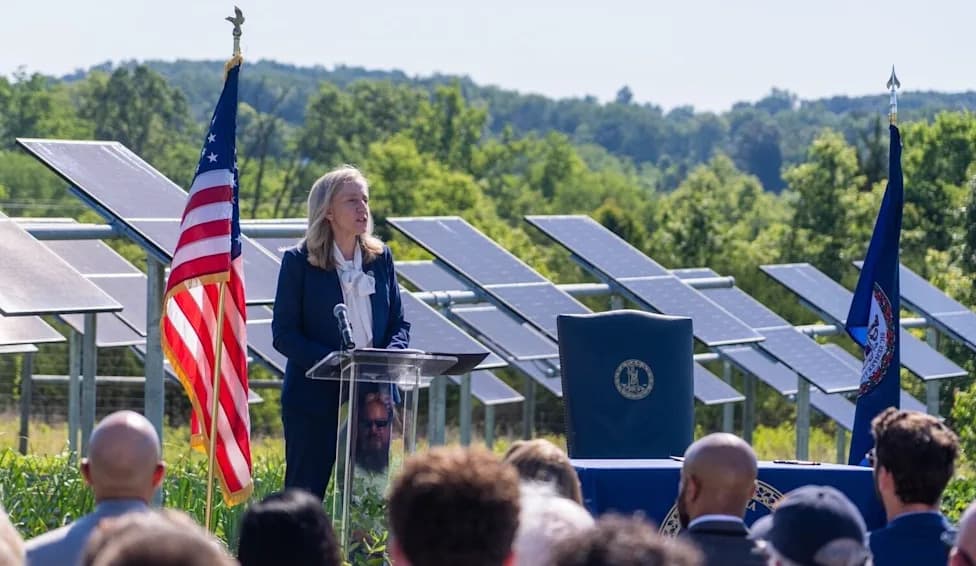
"For years, the conventional wisdom forced us into a zero-sum game, viewing solar panels as a replacement for crops rather than a partner to them," said Josephus Allmond, chief energy officer to Gov. Abigail Spanberger. "Today we are rejecting that false choice."
Policy Steps And Potential Scale
Gov. Spanberger plans to convene an informal advisory committee to recommend incentives and program designs — such as tax credits, grants, or technical assistance — to accelerate agrivoltaics. The statutory definition may dovetail with new laws encouraging community solar, which are smaller, subscription-based projects intended for customers who cannot install rooftop systems.
Advocates point to an ambitious theoretical scale: with roughly 39,000 farms in Virginia, placing even small solar arrays with battery backups on a share of those properties could add sizable, rapidly deployable clean capacity without new fossil plants.
Current Adoption
According to the National Laboratory of the Rockies, about 13 agrivoltaics projects operate in Virginia today — early examples that advocates hope will multiply as policy incentives and technical know-how expand.
Looking Ahead
Supporters urge state leaders to keep definitions flexible — allowing sheep, cattle, row crops, flowers, or other agricultural uses beneath arrays — and to make agrivoltaics the default approach for new solar development where appropriate. They argue the approach can reconcile energy and agricultural goals while supporting new farm businesses across the Commonwealth.
Help us improve.