Dominion Energy has applied to build a roughly 3-gigawatt combined-cycle natural gas plant in Cumberland County, arguing it is needed for reliability as data-center demand surges. The proposal conflicts with Virginia’s 2020 Clean Economy Act goal of 100% clean electricity by 2045, though the law allows gas projects if reliability is at risk. Local groups and an independent February 2025 analysis say alternatives — more nuclear, sharply expanded renewables, and substantial battery storage — could meet demand without new large fossil-fuel plants. Regulators at county and state levels will decide whether the project moves forward, a decision that could shape how strictly Virginia enforces its climate targets.
Dominion Proposes 3GW Gas Plant in Virginia — A Test of the State’s 2045 Clean-Power Promise
Photo Credit: iStock
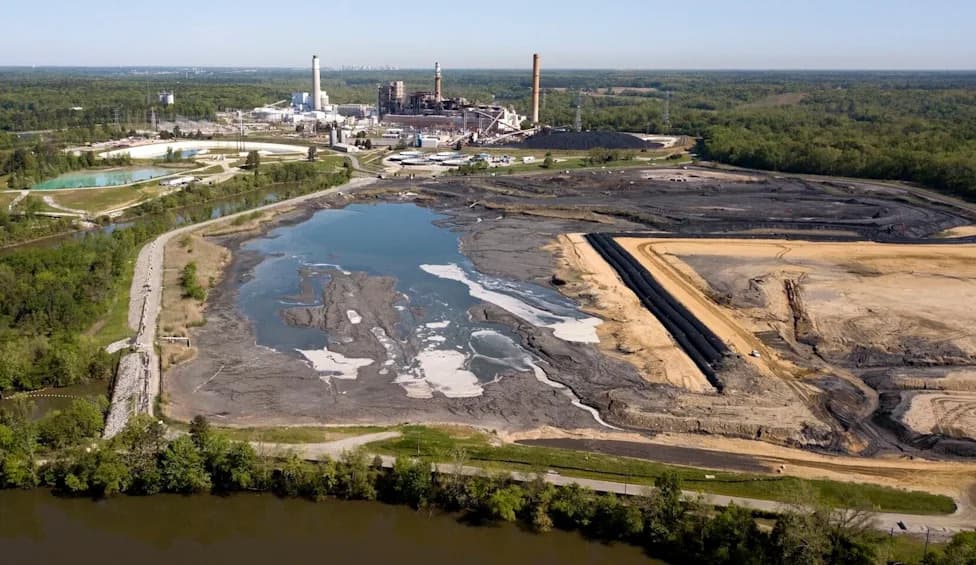
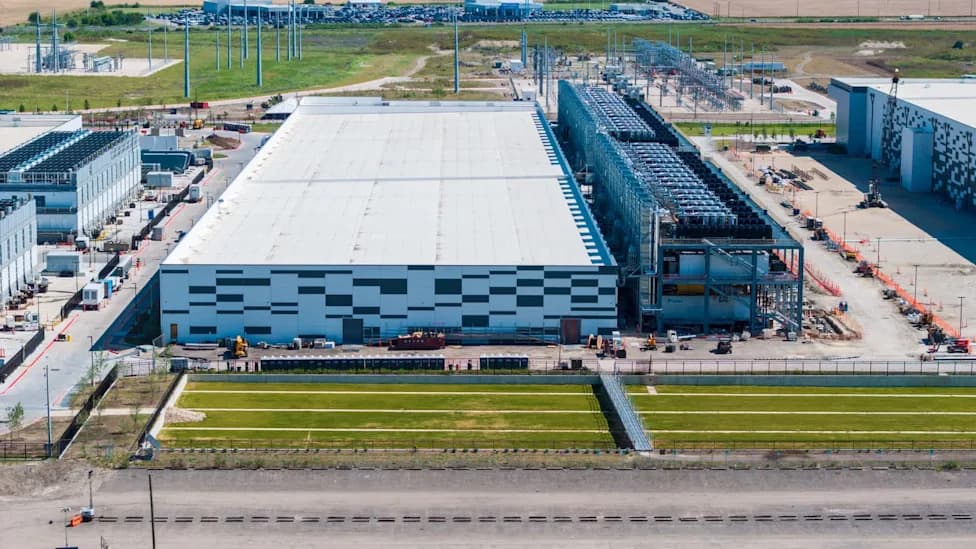
Dominion Energy, Virginia's largest utility, has applied for permission to build a roughly 3-gigawatt combined-cycle natural gas plant in rural Cumberland County — a proposal that would rank among the largest gas-fired power stations in the United States. Dominion says the plant is needed to maintain grid reliability as electricity demand rises, driven in large part by rapid growth in data centers.
The Reliability Argument vs. the Clean Economy Act
The request sits uneasily beside Virginia’s 2020 Clean Economy Act, which commits the state to 100% clean electricity by 2045 and is intended to phase down fossil-fuel generation. However, the law includes a reliability exception that allows regulators to approve new fossil capacity if they determine the grid would otherwise be at risk. Regulators previously used that exception to approve a smaller gas plant in Chesterfield County.
Project Details and Local Concerns
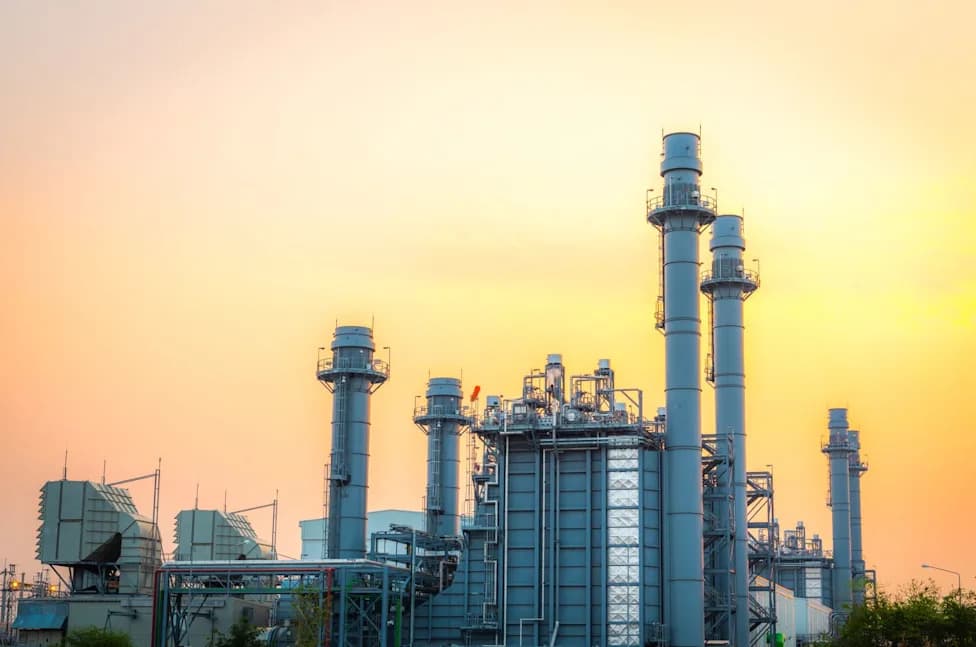
Dominion describes the Cumberland plan as a combined-cycle facility designed to run continuously while capturing and reusing waste heat to boost efficiency. The proposed site near the James River is in a county home to about 10,000 residents. Local groups and environmental advocates warn the project could bring increased air and water pollution, harms to public health, and long-term environmental impacts for surrounding communities.
"We are not only deeply concerned about our own people, land, and water, but also about the health of our neighbors in surrounding counties," said Katie Hoffman of Protect Cumberland, in a statement circulated by the Southern Environmental Law Center.
Timeline, Permitting, and the Decision Process
The Cumberland proposal must clear local and state hurdles: county approval plus two state permits. Dominion has said the state-level reviews could extend into 2028, and the company estimates the earliest possible commercial operation around 2033. County boards, state environmental regulators, and the Virginia State Corporation Commission will all play roles in the review.
Alternatives and Independent Analysis
Clean-energy advocates argue that cleaner portfolios could meet future demand without a large new gas plant. Appalachian Voices and the Southern Environmental Law Center commissioned an independent analysis (February 2025) that used Dominion’s own high-demand forecasts but honored the 2045 clean-power deadline. That study modeled an alternative mix featuring more nuclear capacity, sharply expanded solar and wind, and substantially greater battery storage instead of additional gas-fired generation.
Dominion maintains that no currently viable zero-carbon option can provide the same continuous reliability at similar cost. The debate is whether regulators will accept a cleaner path to reliability or defer to utility assessments that favor new fossil infrastructure.
Wider Context
Virginia’s dispute over the Cumberland proposal echoes national tensions between climate goals and near-term reliability and cost pressures. Recent developments include political moves to block federal methane rules, court decisions on power-plant emissions, aging coal plants raising costs in neighboring states, and federal data showing rapid growth in solar and wind generation. Those trends shape the regulatory and political backdrop for the Cumberland decision.
Stakes
Critics fear approval would lock Virginia into fossil-fuel infrastructure with operational lifespans of 30–50 years — well beyond the 2045 target. As Shawn Kelly, regulatory director at Advanced Energy United, warned: "This is not a piece of infrastructure that's only meant to last 12 years — these things are built to last 30, 40, 50 years." The outcome will be read as a test of how firmly Virginia's strengthened climate law limits new fossil investments and how the state balances emissions, reliability, and customer costs while planning its grid.
Reporting referenced: Canary Media coverage and an independent analysis commissioned by Appalachian Voices and the Southern Environmental Law Center (February 2025).
Help us improve.