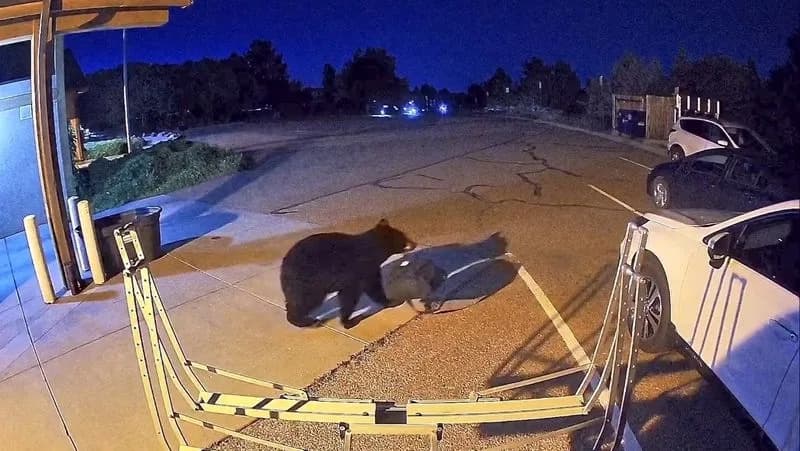
In November 2025 California conducted its first planned fall release of rehabilitated orphaned black bear cubs: five cubs were released in Northern California and all five survived hibernation, emerging healthy in spring. The Department of Fish and Wildlife tracked the cubs with tags and GPS collars and says the success shows fall releases can work when animals, timing and habitat are suitable. Officials say the approach may allow more case-by-case fall releases, reducing time and cost in captivity while helping cubs adapt to life in the wild.
Five Orphaned Black Bear Cubs Survive Winter After California's First Fall Release
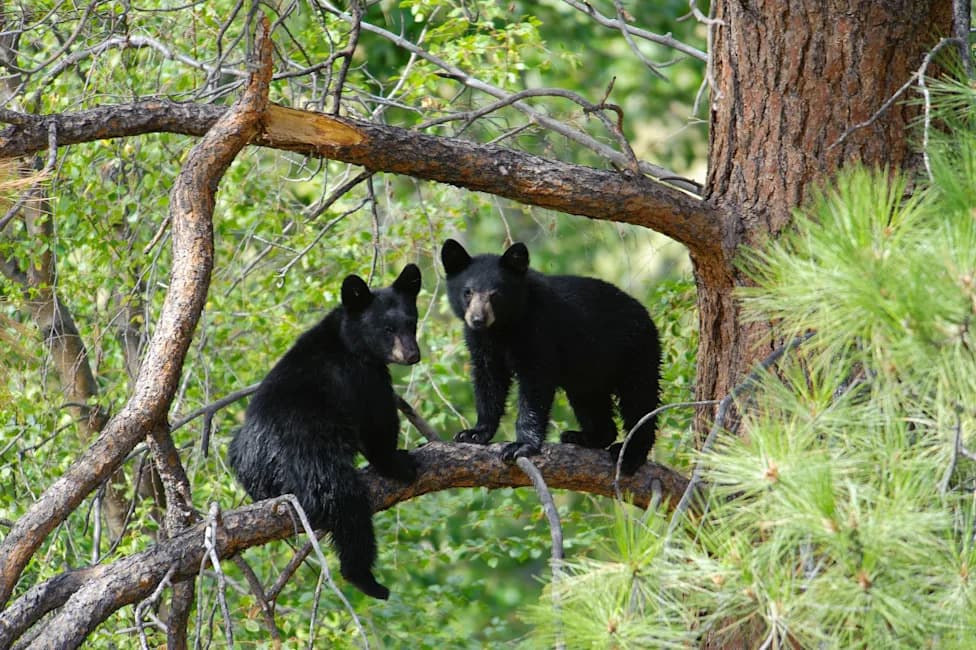
Photo Credit: iStock
In November 2025, California wildlife officials released five rehabilitated orphaned black bear cubs into Northern California — the state's first planned fall release — and all five emerged from hibernation healthy in spring.
Why officials tried a fall release
Instead of keeping the cubs in human care until the traditional spring release window, the California Department of Fish and Wildlife tested whether young bears could locate dens, remain through hibernation and return in good condition if released in late fall. According to the department and reporting from The Sacramento Bee, the cubs successfully completed the winter cycle.
Who the cubs were and where they recovered
The five survivors included a pair of female siblings from near Nevada City, a male cub from South Lake Tahoe, and two male siblings from Arnold. A third male from the Arnold group fell ill and was euthanized. Prior to release, the cubs recovered at Sonoma County Wildlife Rescue and the San Diego Humane Society's Ramona Wildlife Center.
"Bears are incredibly resilient," Alexia Ronning, a Tahoe bear specialist and environmental scientist with the Department of Fish and Wildlife, said in the department release. "They have an innate behavior to find shelter when snow starts to accumulate on the ground."
Monitoring and results
Officials used tags and GPS collars to monitor denning, movements and survival. Early results indicate the fall-release approach can work when cubs are healthy and habitat and timing are appropriate.
Implications for rehabilitation and communities
The successful outcome suggests wildlife rehabilitators may be able to make more case-by-case decisions about fall releases, reducing time and expense in captivity while giving cubs more opportunity to adapt naturally to the wild. Wildlife rehabilitation for large mammals is resource intensive, so shorter care periods — when safe — can reduce costs and free resources for other animals.
Public safety and coexistence
The department reminded residents that black bears are "highly food motivated": unsecured trash, pet food and other scented attractants can lure bears into neighborhoods. Securing attractants and following local guidelines helps protect people and improves bears' chances of surviving independently.
Context and next steps
California's black bear population has been relatively stable over the past decade, estimated at about 49,000 to 71,000 statewide. Officials noted that neighboring states such as Nevada and Washington have tried similar fall-release experiments. The department will continue to monitor the tagged cubs and evaluate if fall releases should be used more broadly, weighing each animal's health, timing, habitat quality and potential for human-bear conflict.
Help us improve.