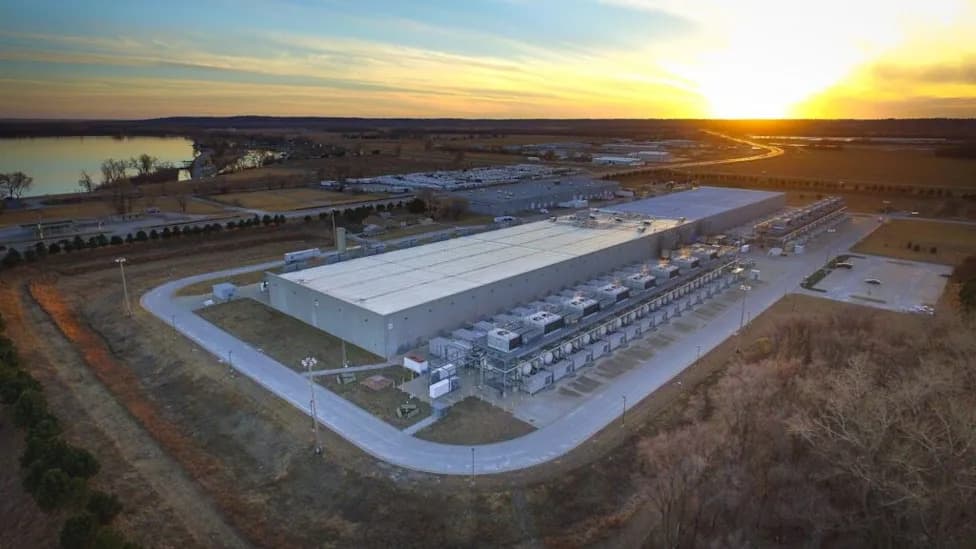
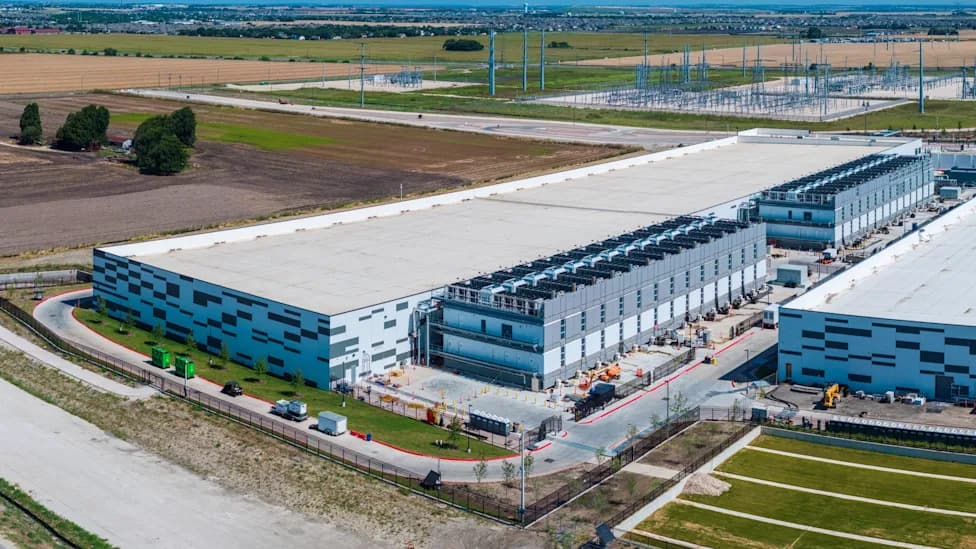
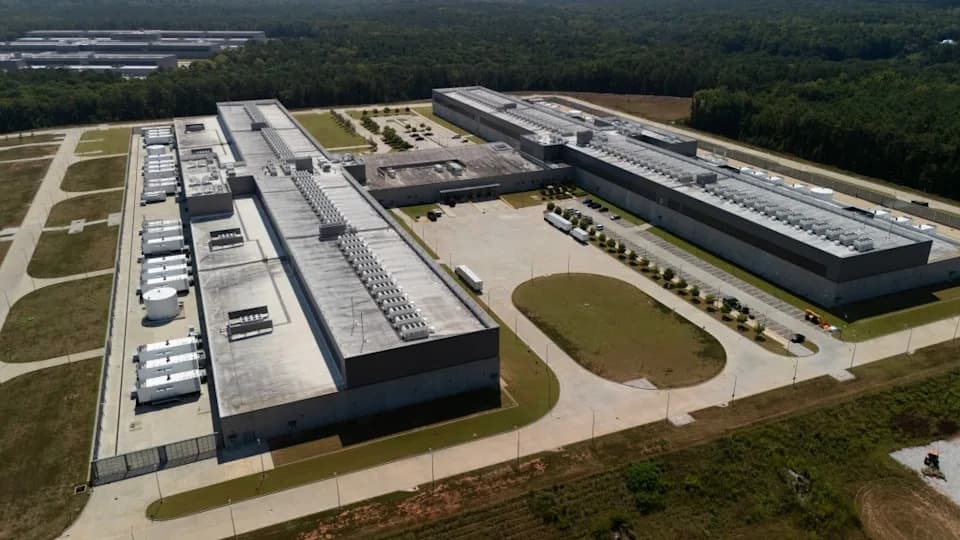
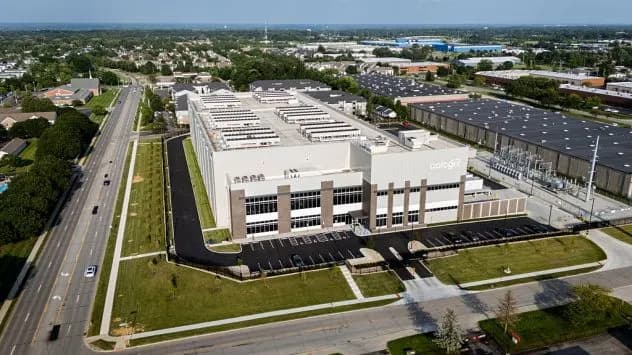
Across the United States, opposition to AI data centers is rising as communities weigh economic promises against local costs. Polling cited by Robert Reich finds seven in ten Americans would oppose a data center in their community, citing noise, higher electricity bills, diesel pollution and heavy water use. Investigations show many planned facilities are sited in drought-prone areas and some large centers can use up to 5 million gallons of water per day. Local fights have produced both legal defeats and victories, underscoring tensions between community control and well-funded developers.
Seven in Ten Americans Oppose AI Data Centers — Concerns Over Water, Power and Noise Mount
Photo Credit: iStock
The rapid build-out of AI data centers across the United States is drawing growing public scrutiny as communities weigh promised economic gains against real local costs. Critics point to heavy water usage, rising electricity demand, and persistent noise as reasons to slow or block new facilities.
Local Concerns: Noise, Bills, Pollution
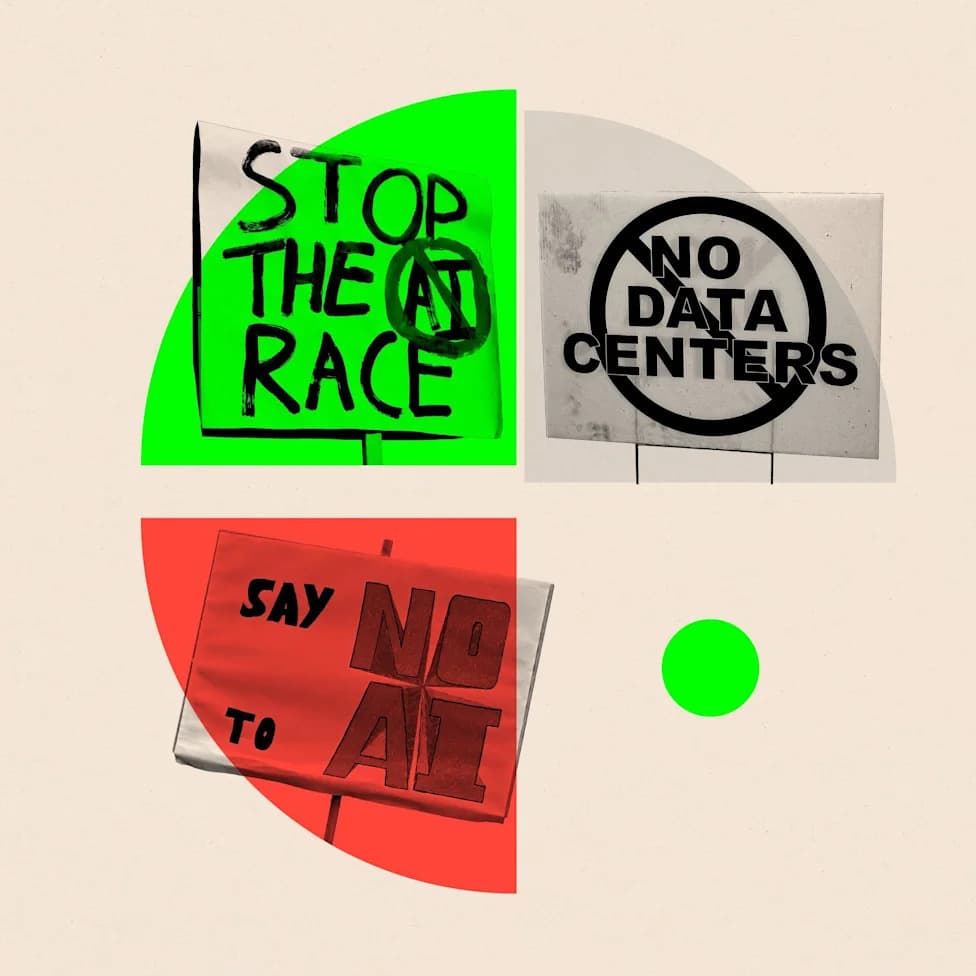
Polling cited by former U.S. Labor Secretary Robert Reich finds that roughly seven in ten Americans would oppose a data center in their own community. Residents and local commentators list a range of grievances: "deafening" noise from cooling and backup systems, higher household electricity bills when utilities are strained, and diesel emissions from backup generators.
"It is time for a moratorium on AI data centers," Reich said in a recent video, arguing that residents are shouldering the harms while companies reap the profits.
Water Use and Siting Risks
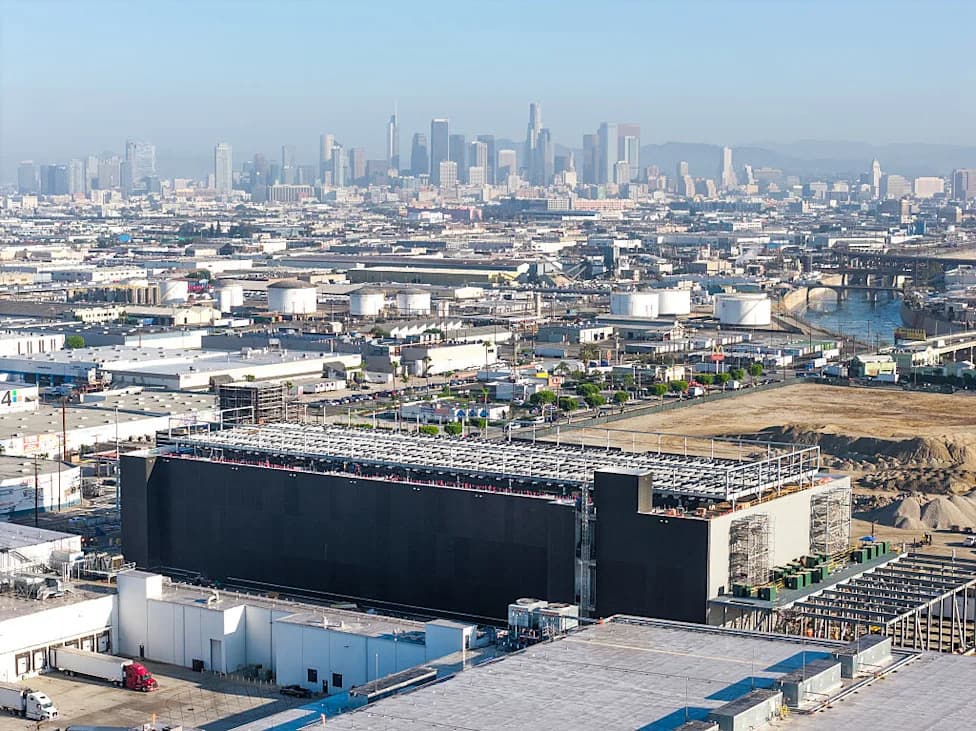
Investigations have raised alarms about siting: more than half of planned U.S. data centers are proposed for drought-prone regions, even though many facilities require large volumes of water for cooling. Some of the largest installations cited in reporting can consume up to 5 million gallons of water per day — roughly the daily use of 50,000 people. That has prompted concerns about long-term strain on local water supplies and competition with agricultural and residential needs.
Energy Demands and Grid Impacts
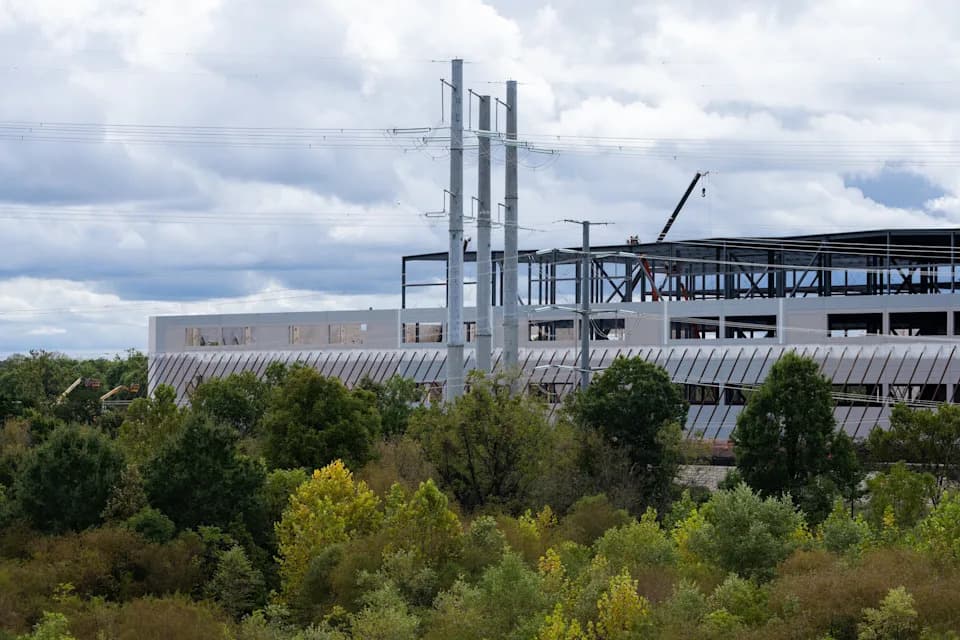
AI workloads run on servers around the clock, and every query, image generation or automated process adds to continuous power demand. That rising load can stress local utilities, accelerate the need for new generation and transmission infrastructure, and — in some cases — contribute to higher energy rates for households.
Potential Benefits of AI
Supporters note AI's potential to help the grid: tools can forecast demand, optimize renewable integration, detect outages, and improve distribution efficiency. Those benefits, however, do not eliminate the localized environmental, social and financial risks associated with rapid facilities expansion.
Local Battles: Wins and Losses
Communities confronting data-center proposals have experienced mixed outcomes. Reich and reporting highlight cases where organized residents blocked projects only to be overwhelmed by legal or political pressure from large developers — and other instances where towns won limits or bans. Examples include a Michigan township whose opposition was ultimately overridden and a rural Wisconsin community that approved strict local limits, plus an outright Seattle ban.
Those disputes illustrate a broader tension: local control versus the political and legal influence of well-resourced tech developers. Opponents frame the fight not as partisan but as residents versus deep-pocketed interests.
What Comes Next
As policymakers, utilities and communities grapple with trade-offs, possible responses include stronger local permitting rules, stricter environmental safeguards, water-use limits, funding conditions tied to local benefits, and industry standards for efficiency and noise mitigation. If the trend of opposition continues, it may reshape where and how future AI infrastructure is built.
Key facts preserved: polling shows broad opposition, many planned sites are in drought-prone areas, some facilities may use up to 5 million gallons per day, and local jurisdictions have recorded both defeats and victories in fights over data-center construction.
Help us improve.