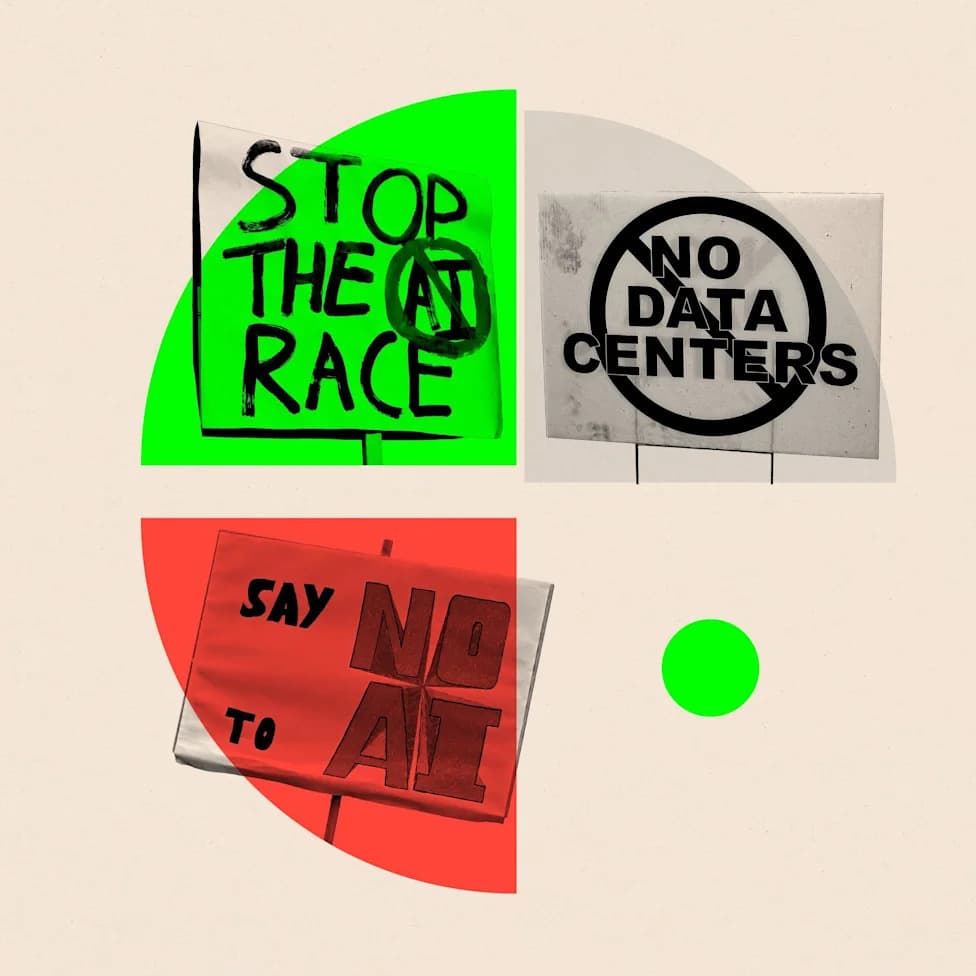
Community resistance to AI data centers has expanded from the United States to Australia, South Korea, Japan and Malaysia, driven by concerns over noise, heat, water use and local impacts. Goodman cancelled Project Mars in Sydney after fierce local opposition, and Victoria imposed new rules requiring renewable energy, a 150m buffer from homes and a ban on drinking-water cooling. Protests and lawsuits have appeared across Asia and Europe, while the US has seen about 120 projects delayed or blocked—fueling rising public opposition.
Global Backlash Against AI Data Centers Spreads From the US to Australia, Europe and Asia

Photo by BeInCrypto
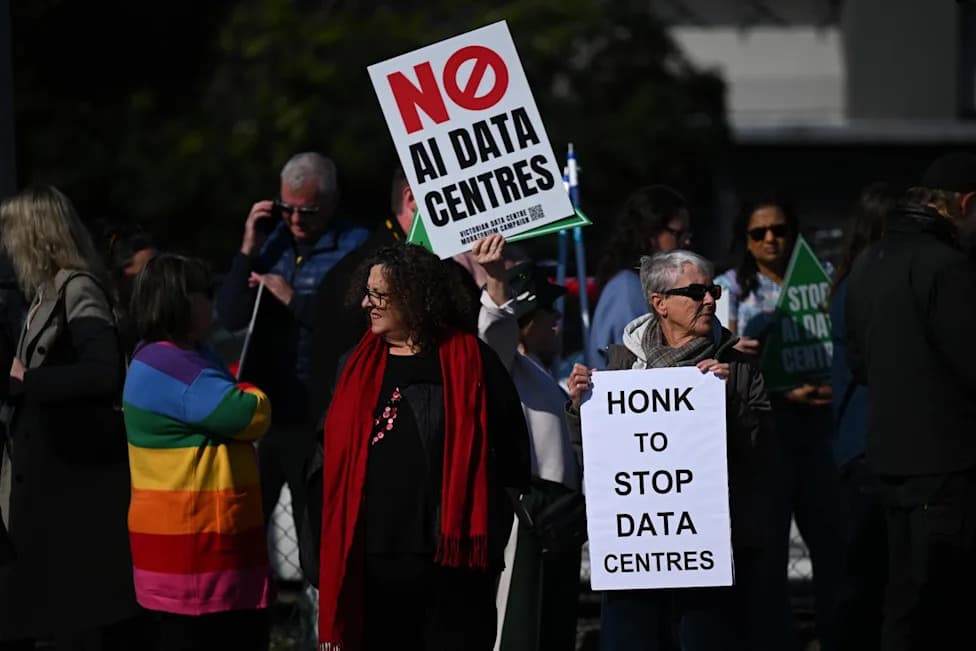
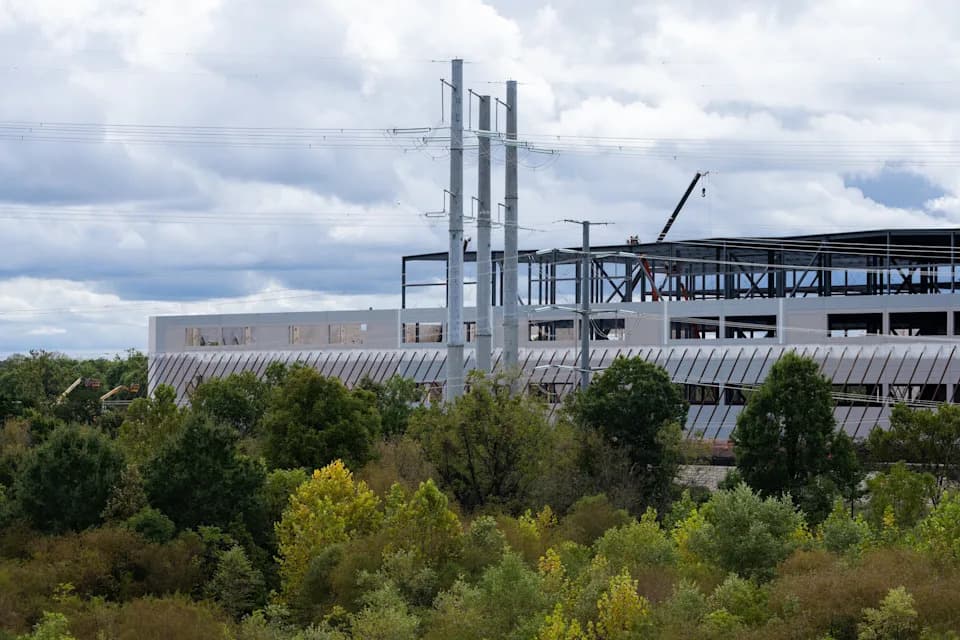
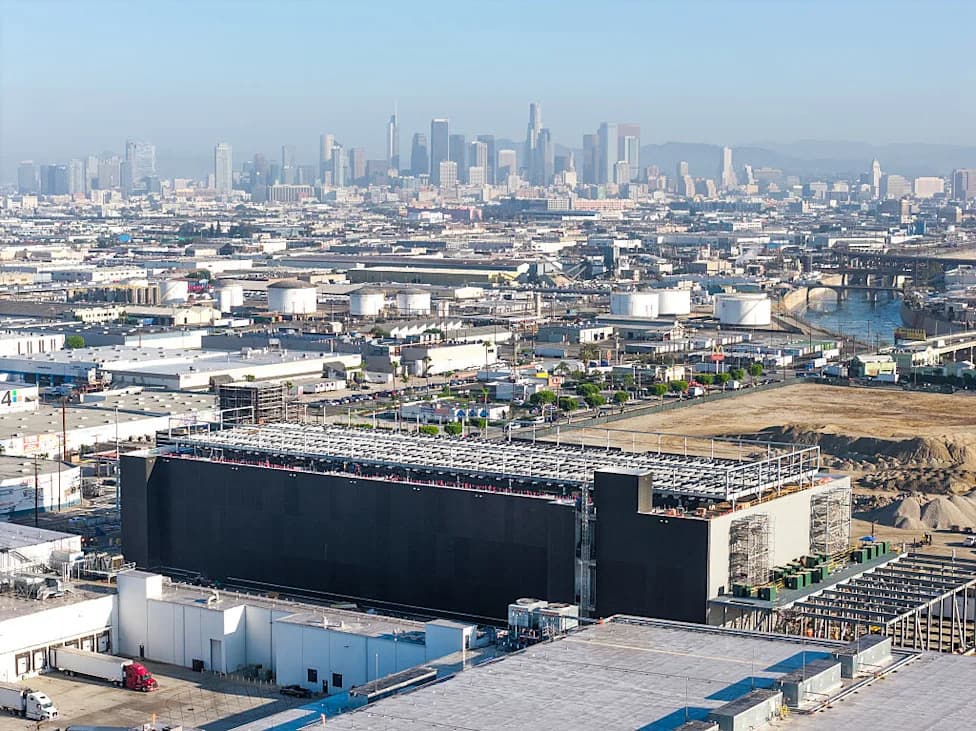
Opposition to artificial intelligence data centers that began in the United States is spreading worldwide, with communities in Australia, South Korea, Japan and Malaysia challenging proposed facilities near homes. Local concerns center on noise, heat, water use, environmental impact and declines in quality of life.
Sydney: Project Abandoned After Local Outcry
In Sydney, Goodman — Australia’s largest property company — has abandoned Project Mars, a planned data center in Lane Cove that would have sat roughly 20 metres from nearby residences. The company said it considered planning changes and community feedback and would not progress the development application.
“Goodman has carefully considered these changes together with feedback received through the planning process, including the views of the local community ... Goodman has concluded that it will not progress with the development application.”
New Rules in Victoria
Victoria introduced new planning rules that require new data centers to source their own renewable energy, prohibit the use of drinking water for cooling, and maintain a minimum 150-metre buffer from homes, according to ABC. The measures aim to address environmental and public-health concerns tied to large-scale cooling and power consumption.
Asia Sees Protests and Legal Action
In Seoul’s Geumcheon district, residents have protested daily on weekday mornings for months and demanded that local authorities revoke a building permit for a planned data center, CNBC reported. In Inzai, a commuter town near Tokyo, residents sued the certification firm for a proposed facility, citing noise, hot air and loss of sunlight. In Malaysia, more than 50 people staged what was described as the country’s first data center protest in Johor.
Europe And The United States
Across Europe, the European Data Centre Monitor recorded that over 70 proposed projects were rejected or restricted in early 2026. In the United States, research group Data Center Watch found that roughly 120 projects valued at nearly $200 billion were blocked or delayed in the first half of 2026. States including New York and Texas have paused permits for some large data-center developments at the state level.
Public Opinion And Industry Response
Public sentiment has hardened as high-profile delays and rejections accumulate. A Quinnipiac University poll released on September 30 found 72% of U.S. adults oppose having an AI data center located near them, up from 65% in March. In response, Amazon pledged $1 billion for communities where it builds and operates data centers, while AWS CEO Matt Garman warned that rising local opposition could threaten the country's lead in AI.
As projects face stronger local scrutiny, developers and policymakers will likely need to adjust siting, energy sourcing and water-use strategies to address community concerns and regulatory changes.
Sources: ABC, CNBC, European Data Centre Monitor, Data Center Watch, Quinnipiac University. Read the original reporting: https://beincrypto.com
Help us improve.