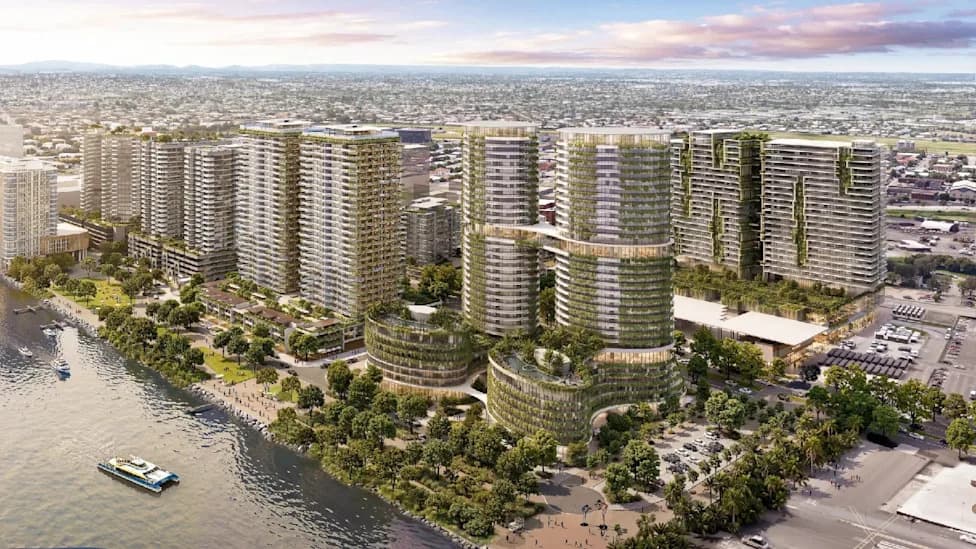
BDMS announced WellEra Bangkok, an approximately $865 million wellness real-estate project due to open in 2030 that links a preventive-medicine clinic, Capella-branded residences, an urban wellness retreat and lifestyle retail into one integrated ecosystem. The development is organized around BDMS’s 6S+ framework — Sleep, Strong, Soul, Smart, Social, Span — with Surrounding (air, water, light, acoustics, thermal comfort) built into the design. While evidence supports the health benefits of these environmental features, WellEra highlights a distributional problem: such benefits are being sold as luxury amenities rather than public goods.
Can Your Home Make You Healthier? Inside WellEra Bangkok’s $865M Wellness Real-Estate Experiment
Can a Building Make You Healthier?
In July 2026 Bangkok Dusit Medical Services (BDMS), one of the Asia-Pacific’s largest healthcare providers, unveiled WellEra Bangkok — an approximately $865 million development built on the premise that the places we live can be tools of preventive health. Slated to open in 2030, the project is as much a design experiment as it is a real-estate venture: it aims to engineer everyday environments to support long-term wellbeing rather than simply treat disease after it appears.
Four Linked Components, One Ecosystem
WellEra will combine four interlocking elements: a BDMS Wellness Clinic focused on preventive and personalized medicine; the first Capella Residences in Thailand as the luxury residential component; an urban wellness retreat; and curated lifestyle retail. BDMS presents these not as separate amenities but as a single integrated ecosystem intended to support residents’ physical and mental health over time.
The 6S+ Framework
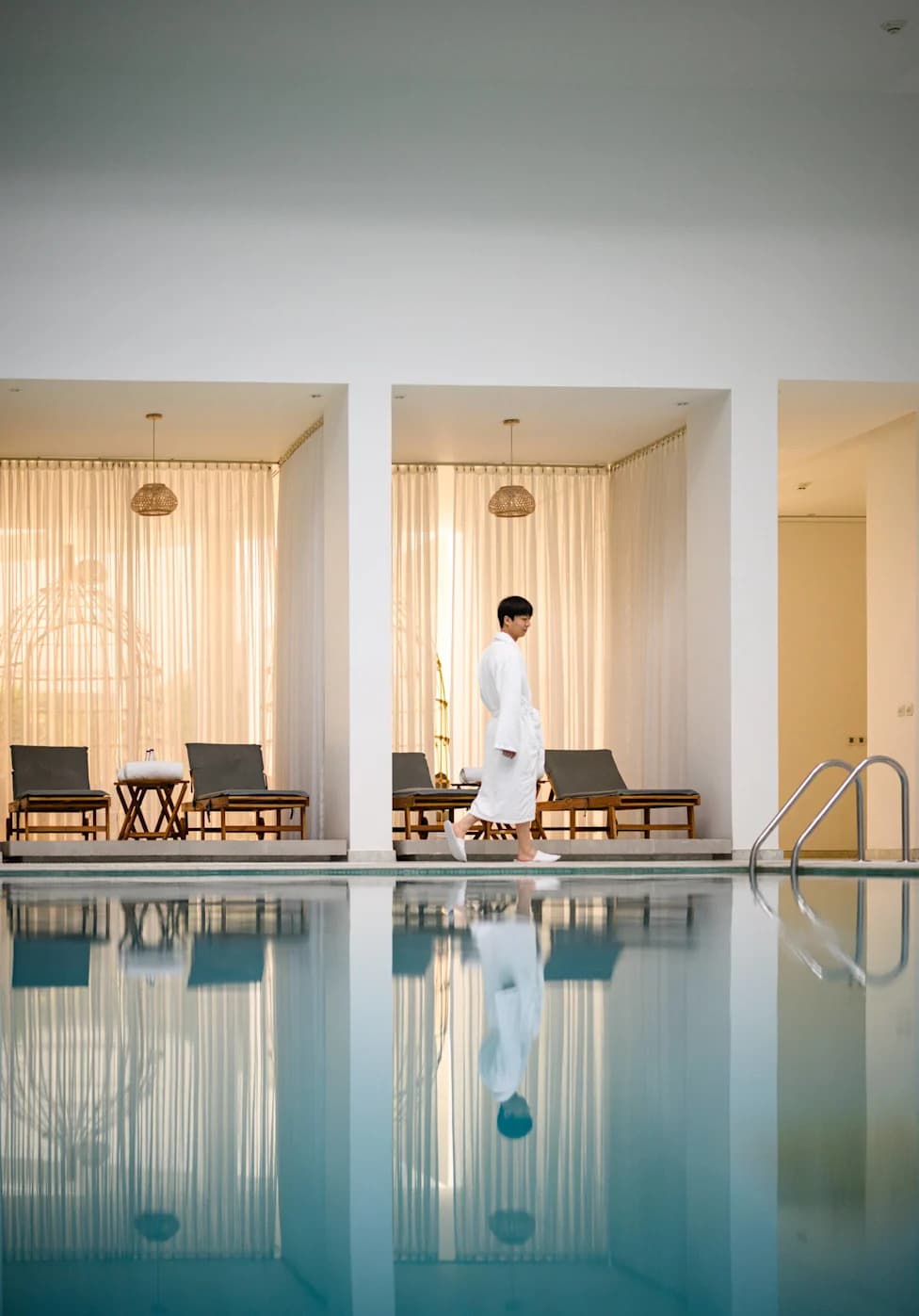
At the project’s core is BDMS’s 6S+ healthy-longevity framework, refined over two decades of wellness practice. The model addresses six dimensions — Sleep, Strong, Soul, Smart, Social and Span — with a seventh, Surrounding, governing the built environment. Surrounding explicitly targets air and water quality, natural light, acoustics, and thermal comfort, treating the building itself as part of the health intervention.
What Science Supports
The idea has solid grounding: abundant evidence links air quality, daylight exposure, thermal comfort, noise levels, access to green space and walkability with measurable gains in physical and mental health. Designing homes and neighborhoods to prioritize these factors can reduce stress, improve sleep, support cardiovascular and respiratory health, and enhance cognitive function — making environmental design a legitimate public-health tool.
An Equity Question Wrapped in Luxury
And yet WellEra is unmistakably positioned as a luxury product. That raises a central ethical tension: evidence-based interventions such as filtered air, good daylight, low noise and proximate green space are being packaged as premium amenities for affluent buyers. Public-health advocates argue these are fundamental determinants of health that should be widely accessible, not gated features. The project therefore exemplifies a recurring pattern in longevity and wellness industries, where innovations often reach wealthier consumers first.
Bottom line: The concept — that prevention beats treatment and that surroundings shape health — is sound. The principal reservation is distribution: how to make environmental health benefits available beyond exclusive developments.
This article is educational and based on reporting of the development announcement; project details, timelines and features are subject to change and WellEra is not scheduled to open until 2030. This story originally appeared in Men’s Fitness on Aug 1, 2026.
Help us improve.