Black Health Matters has stopped using the phrase "health equity" in pharmaceutical sponsorship proposals, opting for "population health" instead. CEO Roslyn Young-Daniels says pharma support has declined amid anti‑DEI policy shifts, though many companies and local hospitals still back BHM's preventive-care events. With roughly 2,000 people attending a recent summit and an estimated 450,000 New Yorkers losing subsidy aid, Young-Daniels warns that screening rates may fall—heightening the importance of BHM's outreach.
Black Health Matters Drops 'Health Equity' Phrase, Uses 'Population Health' in Pharma Proposals
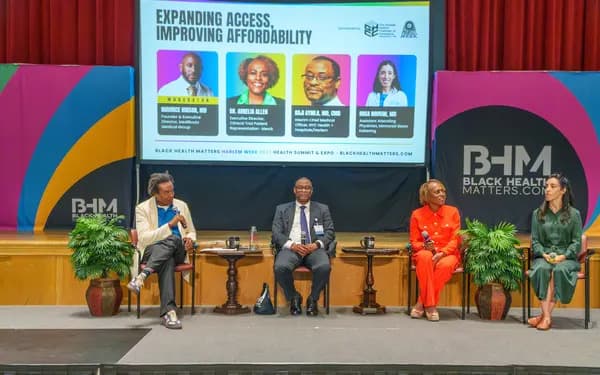
Black Health Matters (BHM), the nonprofit founded in 2012 to advance access to care for Black communities, says it no longer uses the phrase "health equity" when requesting sponsorship from pharmaceutical companies, instead substituting the term "population health."
CEO and founder Roslyn Young-Daniels told Pharma & Health Insider,
"I can't say 'health equity' in my proposals. I say 'population health.' But people understand that we're here to save lives."
Pharma Support Has Shifted, But Not Vanished
Young-Daniels acknowledges that corporate pharmaceutical support, which has helped underwrite BHM's signature community events across the country, has tapered amid what she describes as the Trump administration's anti‑DEI policies. Even so, many drugmakers continue to sponsor patient-centered programming.
At a recent BHM Summit at Riverside Church in New York City—an event that drew more than 2,000 attendees—support came from Pfizer, Merck, AstraZeneca, Novo Nordisk and several other firms. Young-Daniels singled out Bristol Myers Squibb for its work on multiple myeloma and for bringing partners such as the International Myeloma Foundation.
Local Partners Doing Heavy Lifting
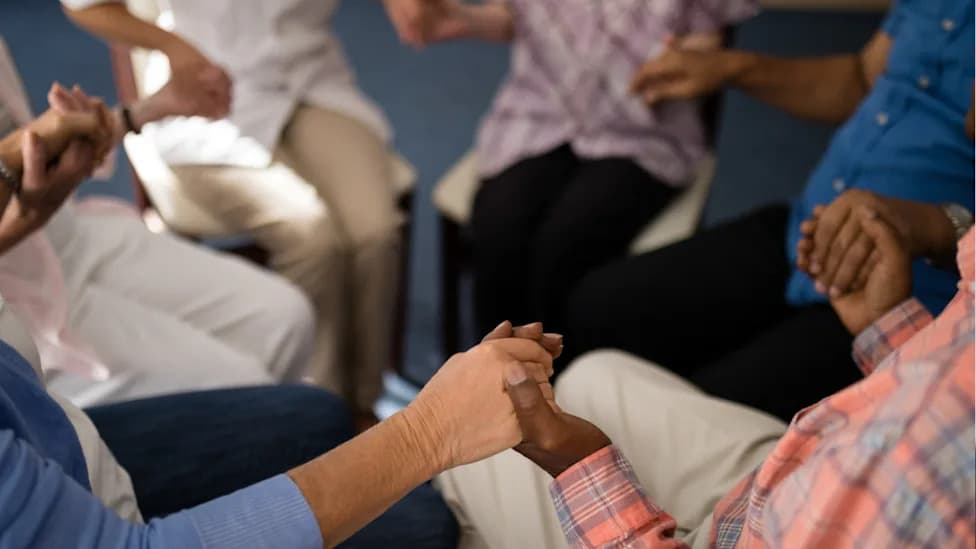
While some corporate support has cooled, local hospitals and community organizations remain reliable partners, often through volunteer-driven efforts. At the NYC summit:
- Memorial Sloan Kettering Cancer Center provided free at-home colorectal screening kits and multilingual speakers;
- Mount Sinai Health System offered on-site prostate cancer testing;
- Weill Cornell Medicine brought its rare disease group;
- The American-Italian Cancer Foundation provided on-site mammograms, and Choose Healthy Life coordinated blood-panel referrals through Quest Diagnostics.
BHM's events tend to attract people aged 40 and older, about 80% of whom are women—whom Young-Daniels calls the "CEOs of health for their families." The organization promotes Summits and Forums through local media buys, including television and radio placements such as WABC-TV in New York.
Growth Plans and Political Context
Since launching in 2012—around the same time the Black Lives Matter movement gained prominence and the Affordable Care Act expanded insurance access—BHM has produced roughly 600 events focused on preventive care. The group currently holds three national Summits a year and plans to expand to seven next year to meet growing demand.
Young-Daniels warns that policy shifts under the 2026 administration and changes to subsidy programs are already having consequences. She cites an estimated 450,000 New Yorkers losing subsidy assistance and says that reduced affordability and weakening co-pay protections may cause screening and treatment rates to decline over the next two to three years—making BHM's outreach increasingly important.
"The impact is starting to be seen," Young-Daniels said. "People's ability to pay is compromised, and that makes preventive outreach and trusted community connection more valuable than ever."
Help us improve.