The Hong Kong government plans to redevelop roughly one-third of the territory into a "Northern Metropolis" tech and housing district covering about 30,000 hectares. Officials say the HK$224+ billion (US$28.6bn) scheme could house 2.5 million people and create 650,000 jobs, while critics warn of heavy ecological damage, displacement of villages and rising public costs. Early land sales to state-linked firms and e-commerce players have heightened debate over economic benefits, environmental trade-offs and Hong Kong's autonomy.
Hong Kong to Clear Villages and Wetlands for US$28B 'Northern Metropolis' Tech Hub

Hong Kong is demolishing at least 25 villages to make way for the 'Northern Metropolis' project, according to NGO Liber Research Community (Leung Man Hei)
Chan Yuk-tong, 71, had hoped to spend his remaining years in the small row of blue-brick houses where he was born. Now his village home will be demolished to make way for a massive new development the government calls the "Northern Metropolis." The plan will transform roughly a third of Hong Kong — including villages, natural wetlands and farmland — into a technology and residential district intended to deepen ties with the mainland and boost the economy.
Scope and Ambition
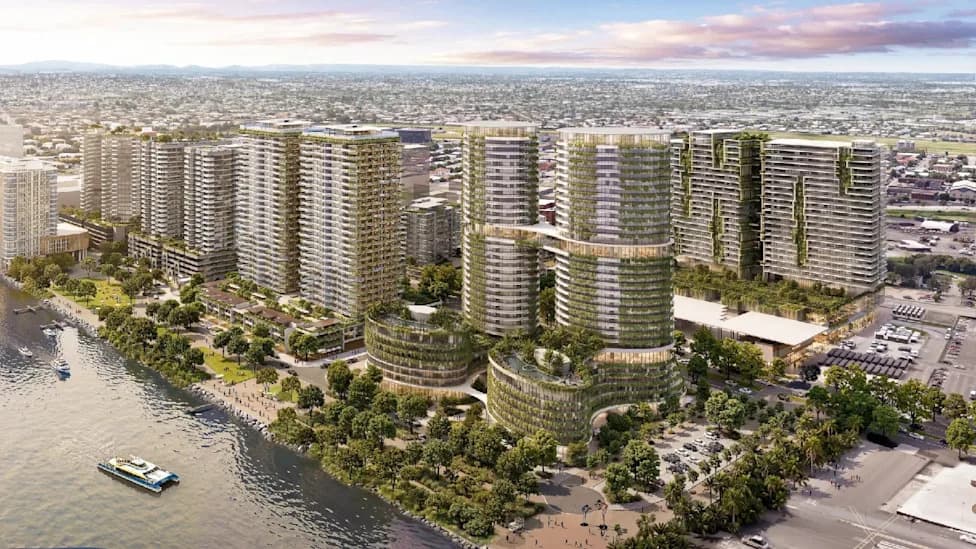
Announced five years ago, the Northern Metropolis is planned to cover about 30,000 hectares (74,000 acres). Officials say it could accommodate roughly 2.5 million residents and create some 650,000 jobs. The government estimates a bill of at least HK$224 billion (US$28.6 billion), while ratings agency S&P warns costs could top HK$360 billion.
Costs, Gains and the Cross-Border Strategy
Authorities present the project as a "new economic engine" that will link Hong Kong more closely with Macau and nine mainland cities that together form the Greater Bay Area. Supporters argue Hong Kong's international connections, world-class universities and capital markets can complement mainland tech hubs that are expanding rapidly.
"It effectively put an end to the 'one country, two systems' framework that allowed Hong Kong a 'high degree of autonomy', so greater integration with the Greater Bay Area would logically follow," said Steve Tsang, director of the SOAS China Institute.
Environmental and Social Concerns
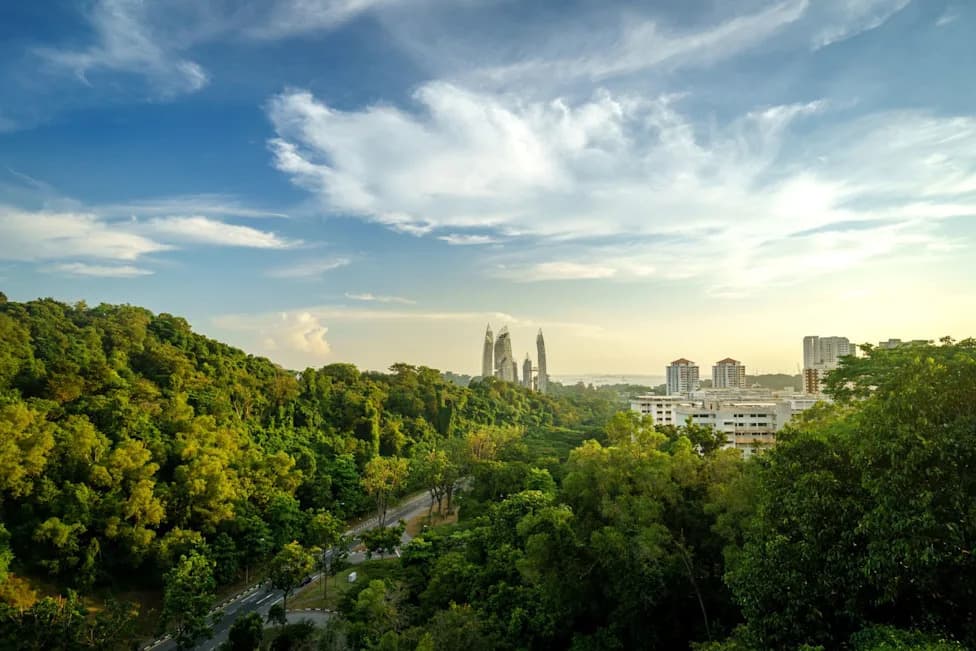
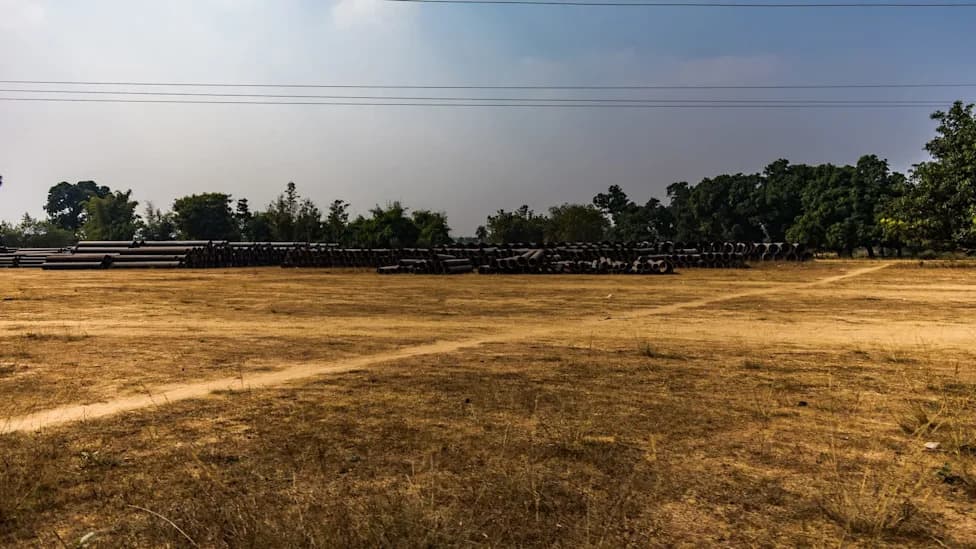
Environmental groups and local activists caution that converting well-preserved land into a new city will have heavy ecological costs. Liber Research Community estimates at least 25 villages will be cleared. Critics say wetlands, farmland and wildlife habitats face irreversible damage, and that disruption to established village communities raises social and cultural concerns.
"If you build a new city in a place that was well preserved before, it would inevitably be very destructive, no matter how you mitigate it," said Brian Wong of Liber Research Community.
Local Impact and Compensation
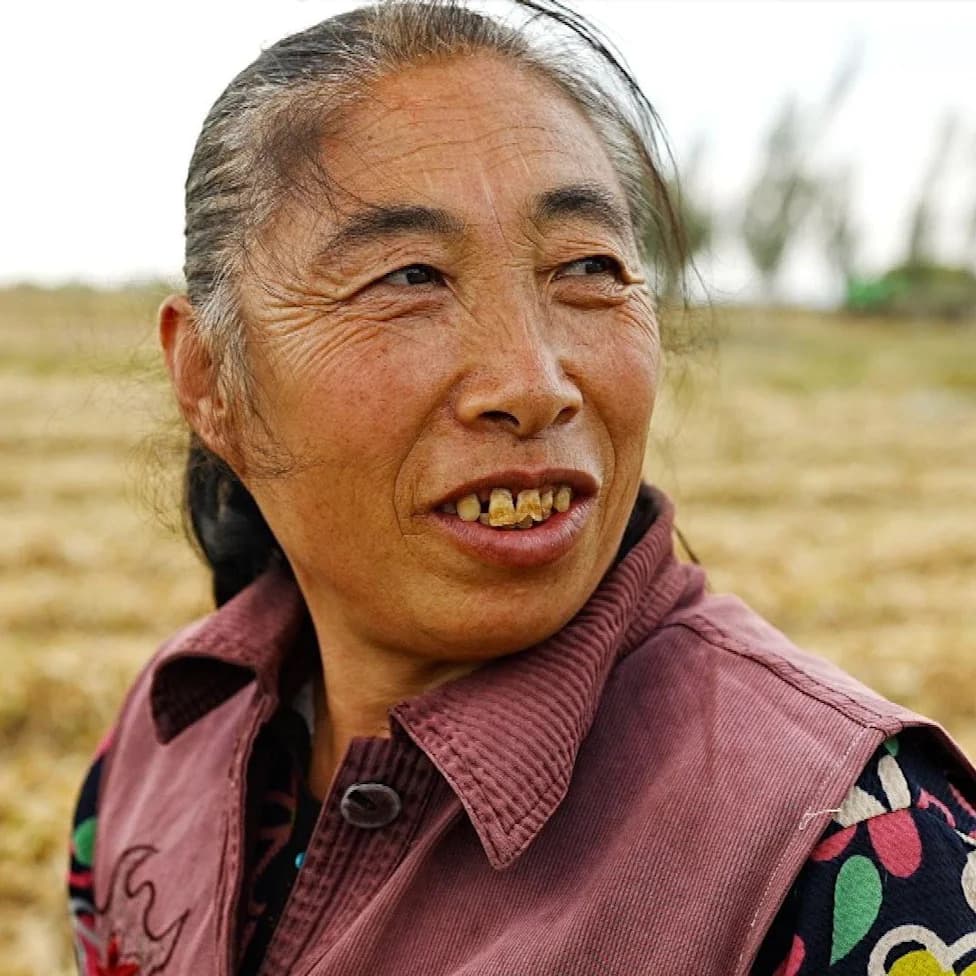
Residents facing eviction have been offered compensation, in some cases public housing flats. For many — like 42-year-old Niki So, whose three-generation home is being torn down — the loss is not just material but the disappearance of tight-knit communities and local heritage.
Commercial Interest and Early Sales
Last month the first major land sale in the Northern Metropolis was awarded to a consortium of six companies, including Chinese state-owned enterprises and e-commerce giant JD.com, to build housing and a logistics centre. Commercial real estate advisers expect policy support and tax incentives to attract mainland firms seeking research bases and access to Hong Kong's capital and international networks.
Outlook
Proponents argue the Northern Metropolis can diversify Hong Kong's economy and generate long-term returns, while skeptics ask whether the scale, cost and environmental trade-offs are justified. Maintaining international confidence in Hong Kong's distinctiveness and ensuring efficient cross-border flows will be key challenges if the project moves forward.
Key facts: ~30,000 hectares planned; ~2.5 million residents; ~650,000 jobs targeted; government estimate HK$224 billion, S&P warns up to HK$360 billion; at least 25 villages at risk.
Help us improve.