Boston's $164 million plan to overhaul the three-mile Blue Hill Avenue corridor promises better transit, rising property values and new customers — but also raises fears of displacement among predominantly Black and Latino small-business owners. Entrepreneurs such as Skye Warren are racing to buy commercial space to stay anchored. While the city has offered grants and a relief fund, local leaders and experts urge stronger, enforceable protections to preserve community ownership and economic opportunity.
Boston Entrepreneurs Rush To Buy on Blue Hill Avenue Ahead of $164M Overhaul
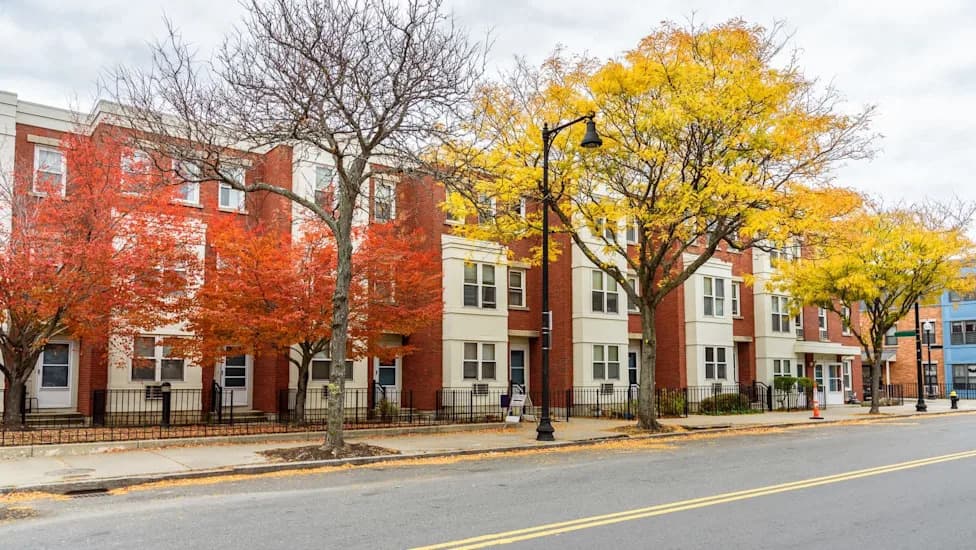
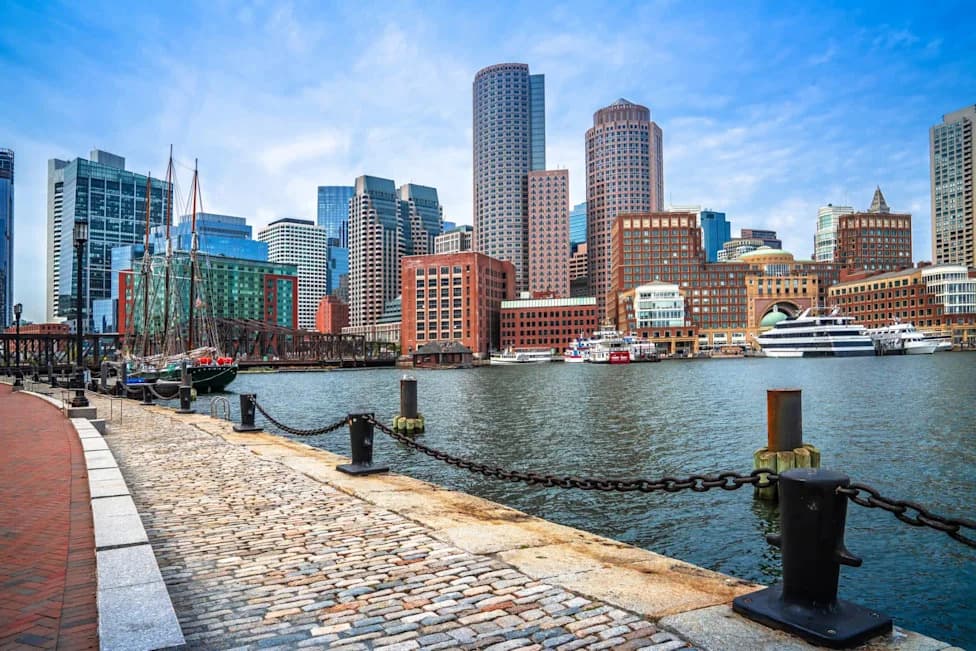
Photo Credit: iStock
Boston's $164 million, three-mile plan to overhaul Blue Hill Avenue has local entrepreneurs hopeful for improved transit and customers — but worried that higher costs will force longtime Black- and Latino-owned businesses out of the neighborhood.
Local Owners Race To Secure A Future On The Ave
Skye Warren, a 31-year-old beauty entrepreneur, is trying to buy commercial property near the Mattapan home her grandparents purchased in the 1960s. She hopes owning a storefront will let her move her business from Milton back to Blue Hill Avenue and remain rooted as redevelopment begins.
The project promises clearer transit connections, rising property values and new customers, but merchants warn that prolonged construction, higher taxes and rent increases may advantage chains and outside investors over long-standing local owners who sustained the corridor through decades of underinvestment.
Who Lives And Works Here
The Boston Globe reports the three-mile corridor contains more than 1,100 businesses, most locally owned. Census tracts along the avenue are roughly 65% Black and 23% Latino, and nearly 40% of households earn under $40,000 a year — figures that underscore the economic vulnerability many residents face as investment arrives.
Community Voices
Fatima Ali-Salaam, president of the Greater Mattapan Neighborhood Council, called Blue Hill Avenue “the most important corridor in the city for Black Bostonians,” and said with targeted support it could become Boston's “Black Wall Street.”
“When we talk about 'buying back the block' and ensuring generational wealth in our communities, that's what this project is,” said Skye Warren, who is pursuing space in Blume on the Ave.
Ursula Vaughn, co-owner of Lawson's Hair Salon, added: “It's not a destination. It's people's homes and people's businesses.”
City Response And Expert Recommendations
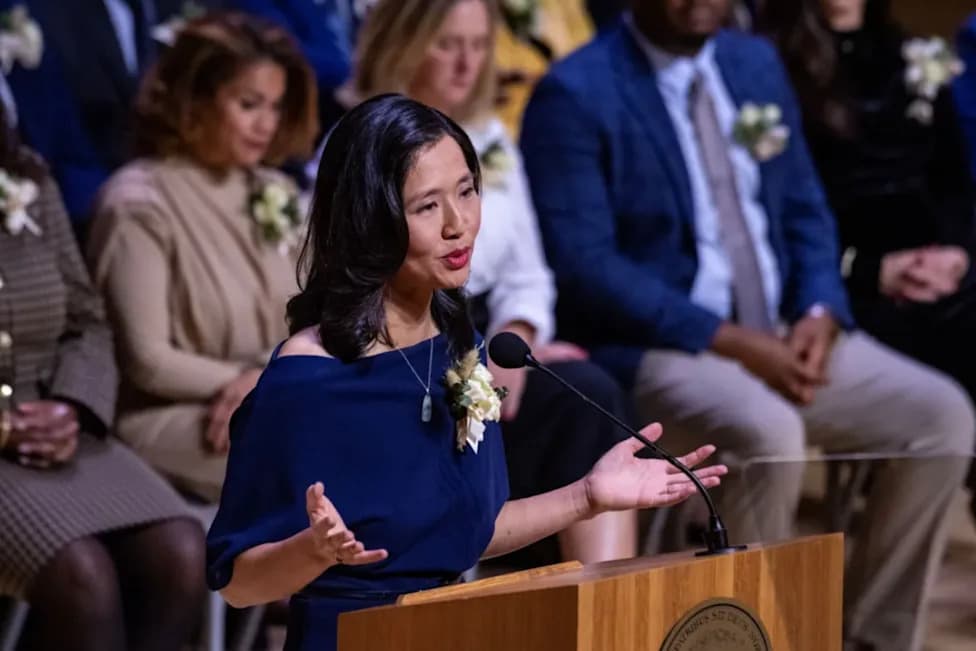
Mayor Michelle Wu has announced grants for more than a dozen corridor businesses and is developing a fund to offset revenue losses during construction. The city, state and the MBTA say they are prepared to help protect small businesses.
But experts such as James Jennings, professor emeritus at Tufts University, argue that more binding measures may be necessary: formal agreements reserving ground-floor retail for local tenants, affordable purchase options for community buyers, local-hiring and apprenticeship commitments, and contracting set-asides for neighborhood vendors.
Community Ownership Efforts
Developers and community advocates are trying to secure community ownership before outside buyers arrive. Blume on the Ave, built on formerly vacant city-owned land, is reportedly offering ground-floor commercial units at cost to encourage long-term local ownership. Entrepreneurs like Danielle Johnson of Spark FM are already saving to buy property before prices rise further.
Why This Matters
Boston does not routinely conduct economic impact studies for projects of this scale, leaving open whether the overhaul will produce jobs and opportunity for existing residents or primarily enrich absentee landlords and speculators. The project's outcome will help determine whether investment narrows or widens economic gaps along one of the city's most important Black commercial corridors.
These debates echo nationwide questions about how infrastructure and development reshape main streets, housing markets and community wealth.
Help us improve.