India's private healthcare sector has expanded rapidly, bringing more facilities and services to smaller towns but also large capital inflows. A government panel warns this boom has produced a mounting affordability crisis: private treatment can cost five to ten times more than public care, forcing many households into debt. The panel proposes price caps, regulated rates and standardized treatment guidelines; industry urges reducing structural costs instead. Experts call for stronger public spending, better regulation and evidence‑based reforms to balance investment with access.
India’s Private Hospital Boom: Greater Access — But Critical Care Is Growingly Unaffordable
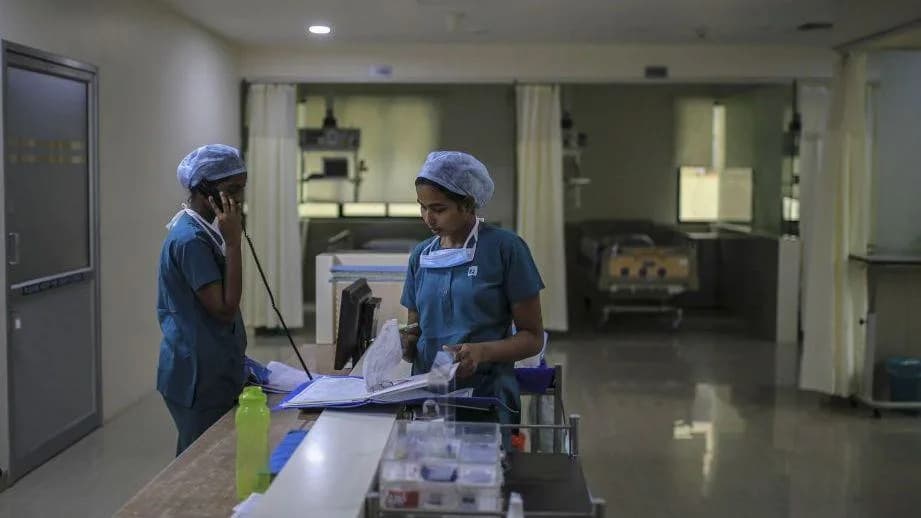
India's private healthcare industry has seen unprecedented growth in recent years [Getty Images]
On a recent return to Miraj, a small town in western India where I grew up, I counted more than 50 multi‑specialty hospitals, diagnostic centres and clinics packed along a five‑kilometre stretch of road. Many of those facilities have opened in just the past five years, even though Miraj has long been a regional medical hub in Maharashtra.
Rapid Expansion and Big Money
This local surge mirrors a nationwide expansion of India's private healthcare sector. Private hospitals are adding beds and services at breakneck speed, diagnostic chains are expanding into smaller towns, and large healthcare groups have tapped public markets and private equity to scale rapidly. In early August, Manipal Health raised nearly $1 billion in one of the year's largest IPOs. Between 2022 and 2024, Indian healthcare and pharmaceutical firms recorded nearly 600 M&A and private equity transactions worth more than $30 billion — roughly 40% of that capital went to hospitals — and the sector has raised an additional $20 billion-plus in recent years.
The Affordability Problem
Yet this growth has a stark downside: millions of Indians are being priced out of critical care. A recent government panel report warns of a "deepening affordability crisis". The panel found that treatments in private hospitals often cost five to ten times more than comparable government care, with the gap widening for complex illnesses such as cancer, cardiac disease and kidney failure.
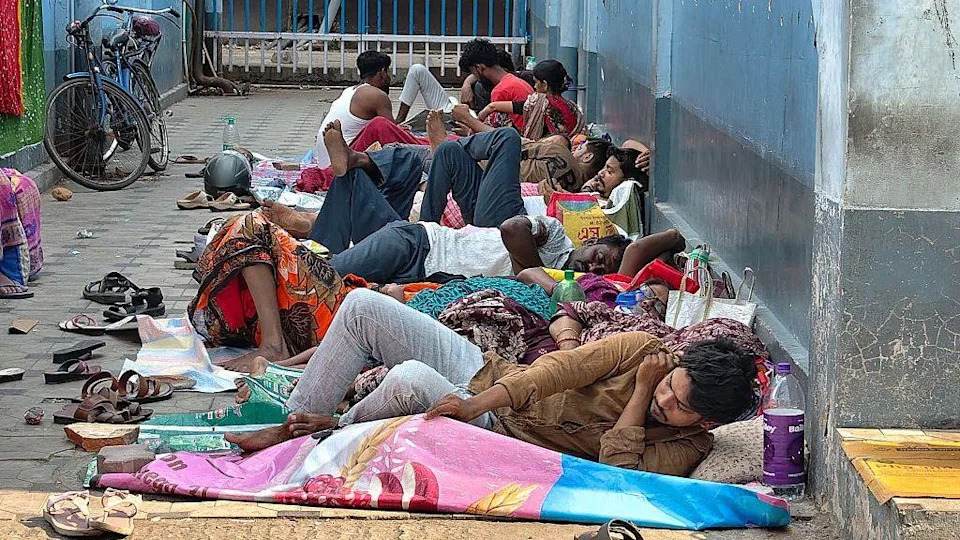
Relatives of patients wait inside a government-run hospital in Kolkata [NurPhoto via Getty Images]
"Unbridled growth of clinics, nursing homes and diagnostic chains, along with uneven regulatory enforcement, has led to glaring disparities in quality and cost," the report says.
The panel also flagged complaints about excessive billing, unnecessary diagnostics and high routine‑procedure costs — for example, childbirth — which in many cases push vulnerable households into catastrophic debt and asset sales. Regulators in Maharashtra noted intravenous (IV) sets being sold inside hospitals at margins near 2,800%, underscoring poor oversight of device and consumable pricing.
Recommendations and Pushback
To address these problems the panel proposed several measures: capping room tariffs (comparable to nearby three‑star hotel rates), regulating prices for essential treatments and diagnostics, enforcing standard treatment guidelines to curb overtreatment, and reviewing foreign ownership above 51% in hospital chains.
Private providers have pushed back. NATHEALTH, the private sector association, said policymakers should reduce structural costs — taxes, land and compliance burdens — rather than imposing tariff caps. Industry leaders warn that arbitrary price caps could deter domestic and foreign investment needed to build capacity, and point out that hospitals must meet higher compliance standards (infection control, patient safety) that add to costs.
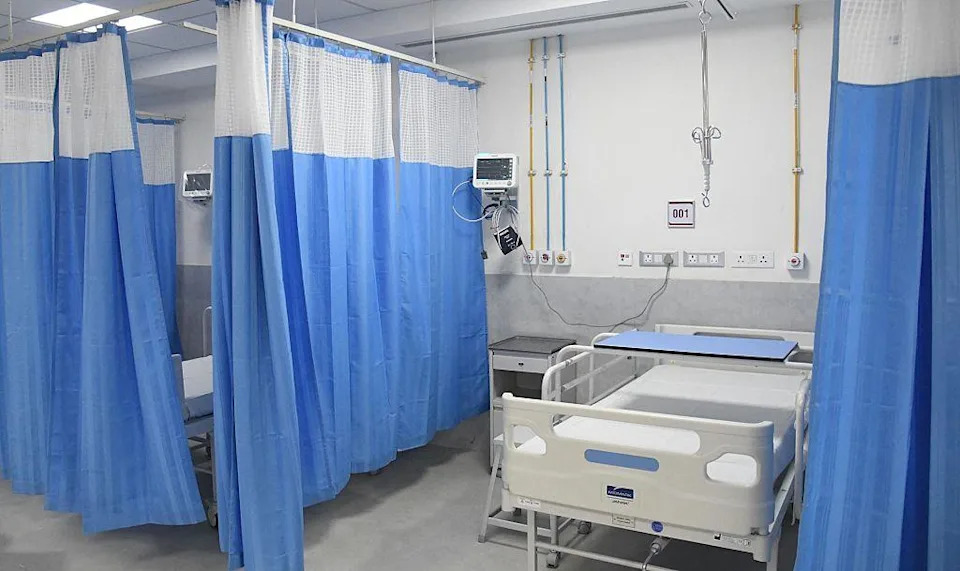
India is mulling a cap on hospital room rates [Hindustan Times via Getty Images]
Experts’ View and Policy Trade‑offs
Public health experts argue that price regulation must be on the table because the current market often favors sellers, especially where large foreign private equity firms set price points. They also call for stronger oversight of clinical practices that encourage unnecessary tests and procedures.
At the same time, experts stress that a sustainable solution requires stronger public healthcare funding. India currently spends about 1.4% of GDP on public health — well below the National Health Policy target of 2.5% and the WHO recommendation of 5%. The panel notes that chronically low public investment in secondary and tertiary care has pushed patients toward costly private services and driven catastrophic out‑of‑pocket spending.
Policymakers face a delicate balancing act: India needs an estimated $300 billion in additional healthcare investment to build sufficient capacity, a large portion of which will likely come from private capital. The challenge is to attract and retain that investment while protecting ordinary people from being priced out of essential services.
What Comes Next
Observers call for evidence‑based policy: rigorous, nationwide cost estimates, state‑sensitive approaches rather than blanket caps, better enforcement of standard treatment protocols, transparent pricing for devices and consumables, and targeted public investment to reduce dependence on expensive private care. Wider consultations with providers, patient groups and regulators will be crucial to formulating workable, equitable reforms.
Help us improve.