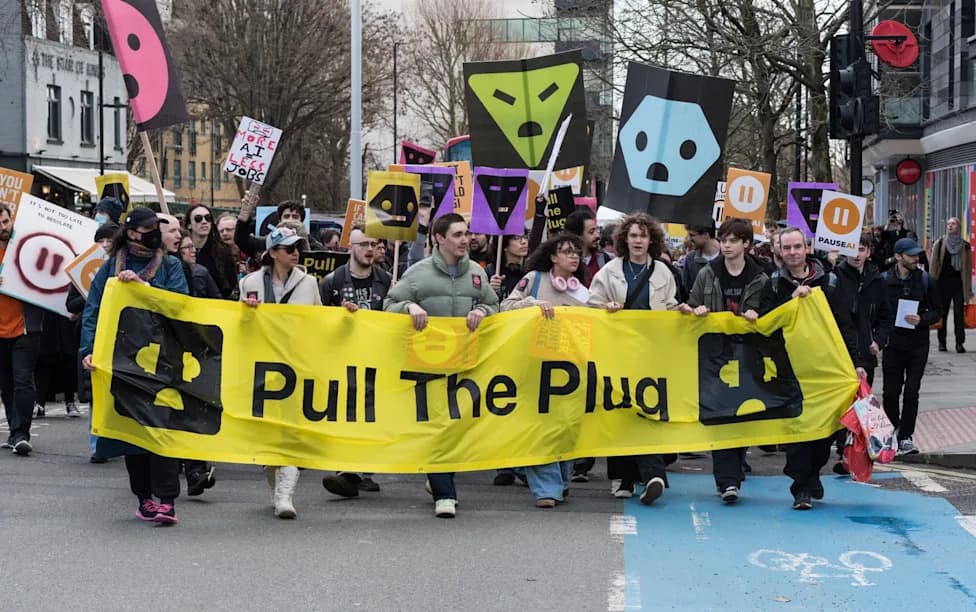
Thomas Heatherwick launched Humanise, a 10-year campaign to fight the "blandemic" of soulless buildings and to promote design that supports health and well-being. The campaign backed a £1.5 million UK research programme to study how streets and buildings can improve emotional and public health outcomes. Experts say the issue is driven more by delivery pressures, metrics and cost than by style, and they call for better use of materials, community-focused design and thoughtful application of AI. The goal is evidence-based guidance that makes emotion a central measure of design success.
Designer Thomas Heatherwick Launches 'Humanise' Campaign to Fight the 'Blandemic' in Architecture
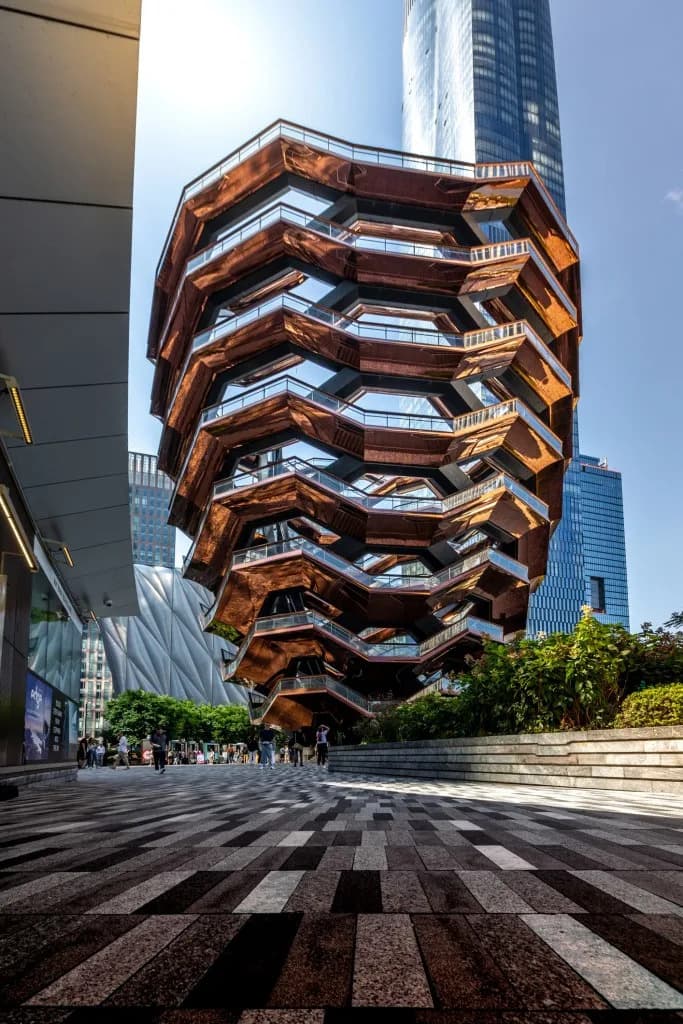
The Vessel, designed by Thomas Heatherwick, is located in New York City's Hudson Yards.
As architects and developers continue to race for record-breaking towers and cost-efficient designs, Thomas Heatherwick is urging a rethink: buildings should not only perform well, they should make people feel better. Heatherwick, the creator of New York's The Vessel and the 2012 Olympic cauldron, leads Heatherwick Studio, with offices in London and Shanghai. In 2023 he launched Humanise, a 10-year campaign to combat what he calls the "blandemic" of soulless, uninspired buildings.
New Research and a Human-Centered Focus
Humanise has now backed a £1.5 million (more than $2.2 million) research programme in the United Kingdom to investigate how buildings and streets can better promote health and well-being. The campaign argues that too many projects are driven by narrow definitions of function, efficiency and cost, ignoring how the built environment affects emotions and public health.
Heatherwick told Dezeen that "buildings in our towns and cities are experienced by millions of us every year as we pass by, and profoundly affect how we feel," adding that design has spent decades prioritising internal function over the experience of people who encounter buildings from the outside.
Why Buildings Feel Bland
Architects and planners point to delivery pressures and measurement-driven practices as major causes of monotonous architecture. Aiste Dzikaraite, founder of Floa Design, says many contemporary buildings look "flat and faceless" because square footage and cost metrics dominate decisions. Dane Danielson of Barge Design Solutions adds that while the industry has become excellent at quantifying performance, qualities like character, surprise and belonging are far harder to measure—and so are often sidelined.
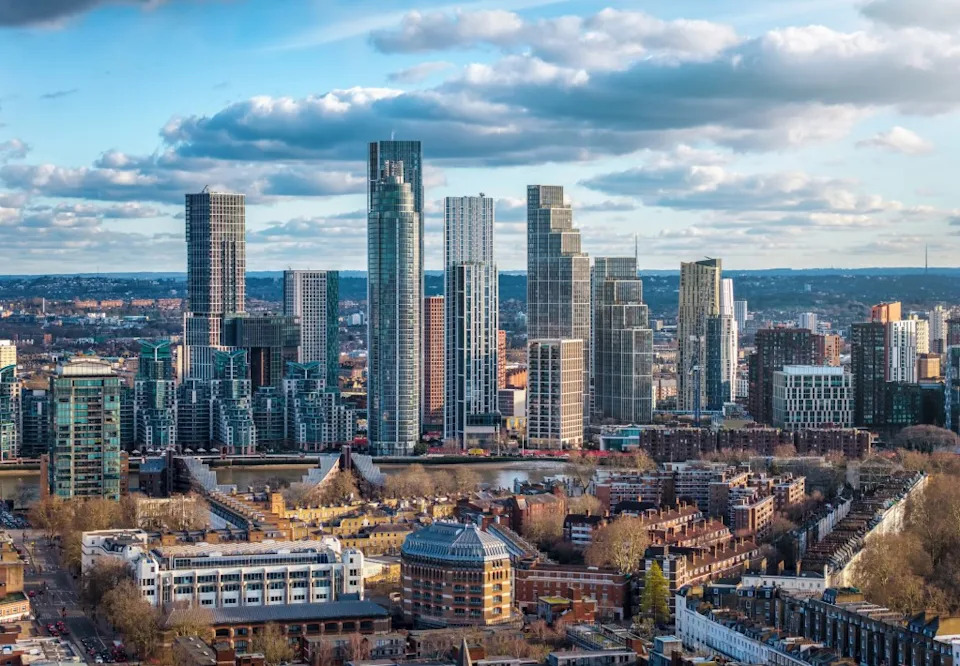
An overview of high-rise towers in London's Lambeth district.
Charles Bloszies, an architect-engineer, agrees the urban backdrop can feel bland but cautions that few designers intentionally create soulless buildings: "Urban fabric is created one stitch at a time—sometimes circumstances call for a stitch that shouts out and sometimes one that blends in."
Design, Materials and Community
Humanise's global head, Abigail Scott-Paul, urges planners and developers to "recognize emotion as a function of design." Her position reflects growing research and public sentiment: a Thinks Insight & Strategy study cited by the campaign found 52 percent of people want input on how buildings in their area look, while 67 percent feel powerless to influence development.
Experts suggest practical design responses: elegant curves and organic forms that encourage people to slow down, materials and construction that reduce embodied CO₂ and improve longevity, and decisions that strengthen local identity and community connection. Julie Somarriba of Origin Of Well stresses that architecture should invite lingering and social interaction, not only visual novelty.
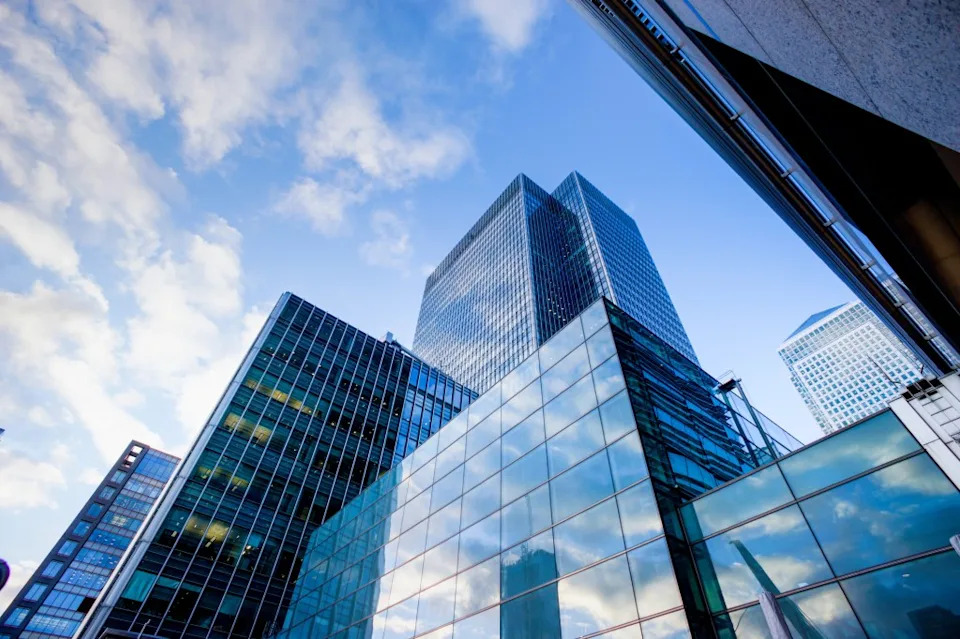
File photo of office towers in London.
Technology: Risk and Opportunity
Technology plays a contested role. A June 2025 study in Automation in Construction, reported by RIBA, found 70 percent of design firms use artificial intelligence at least occasionally for early-stage visualisations. While 57 percent expect productivity gains from AI, 35 percent worry it could threaten the profession.
Scott-Paul says AI can be hugely valuable if used to expand design possibilities rather than to produce the same product cheaper and faster. Properly applied, these tools can test more options, reduce costs, and help deliver human-centered design at scale—without replacing human insight, imagination and emotional judgement.
Longer-Term Thinking
Alan Chandler of the University of East London suggests the conversation should go beyond accusing buildings of being bland. He urges attention to materials, embodied carbon, durability and passive, naturally derived systems that provide reliable, low-impact performance. Danielson likewise reminds us that buildings are rarely disposable: many outlast their creators and will be repurposed, so projects should plan for future adaptability.
Heatherwick's Humanise campaign and the new UK research project aim to translate these ideas into evidence-based guidance so design, technology and policy can produce healthier, more humane urban places.
Contact: The original reporting invited architects and designers to share stories via [email protected].
Help us improve.