DR Congo’s Ebola outbreak has become the second-largest on record with more than 1,500 official deaths, while Uganda recorded just 20 cases and two deaths. Uganda’s rapid activation of the Mulago treatment centre, stockpiles and quarantine of over 6,000 contacts helped prevent wider spread. DR Congo struggled with delayed detection of the Bundibugyo strain, weak surveillance and insecurity, and Uganda continues assistance and border screening to reduce reintroduction risk.
Why Uganda Contained Ebola While the Virus Surged in DR Congo
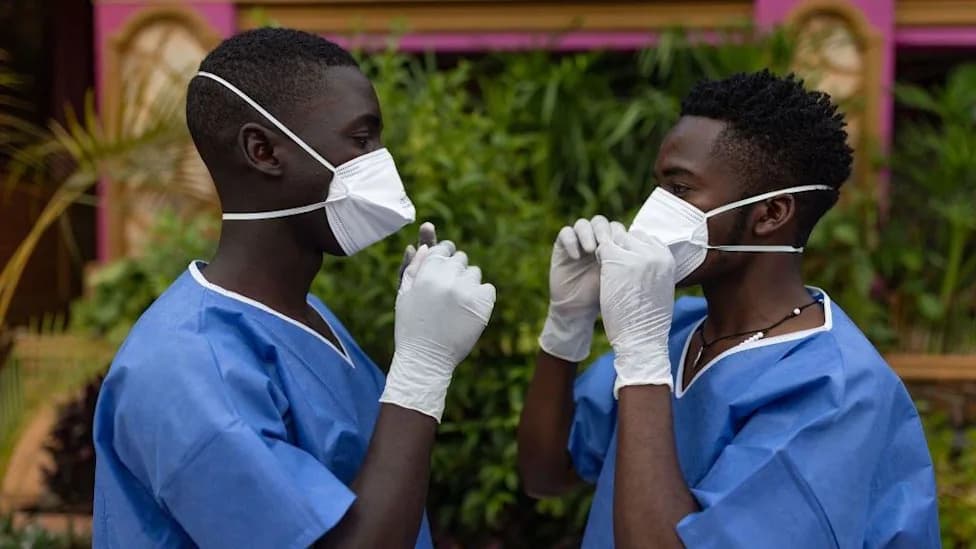
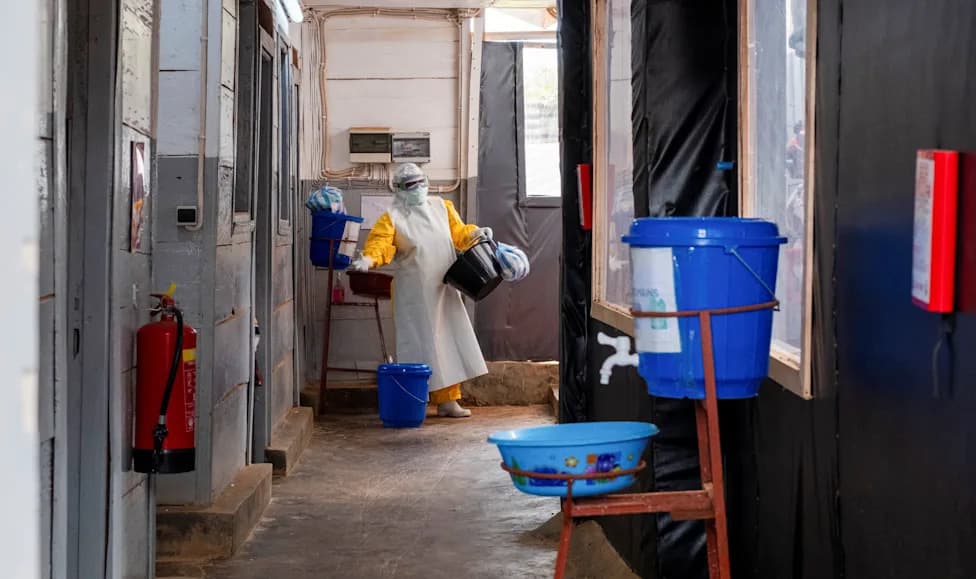
Uganda said previous outbreaks have taught the authorities how to respond efficiently to Ebola [Getty Images]
The Ebola outbreak in eastern Democratic Republic of Congo (DR Congo) has become the second-largest on record, with official deaths topping 1,500. By contrast, neighbouring Uganda reported just 20 cases and two deaths and recently discharged its last confirmed patient — a result officials credit to rapid preparedness and sustained public cooperation.
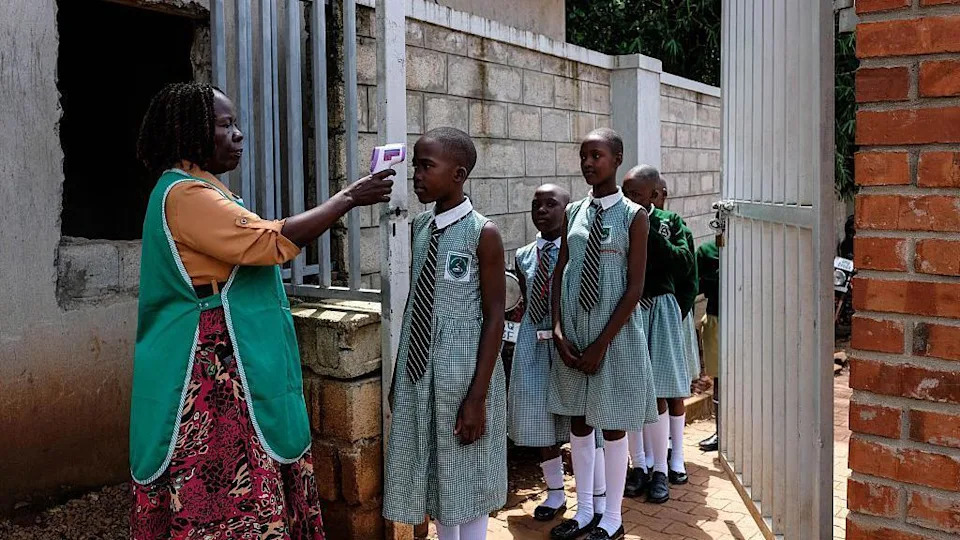
At-risk communities in Uganda have complied with prevention efforts, a government spokesperson says [Getty Images]
Preparedness That Made a Difference
Uganda’s health authorities activated an existing Ebola treatment centre at Mulago Hospital in Kampala, tapped leftover stockpiles and mobilised an emergency medical team. Because the facility was already familiar with Ebola protocols, staff were able to receive and isolate patients immediately rather than starting from scratch.
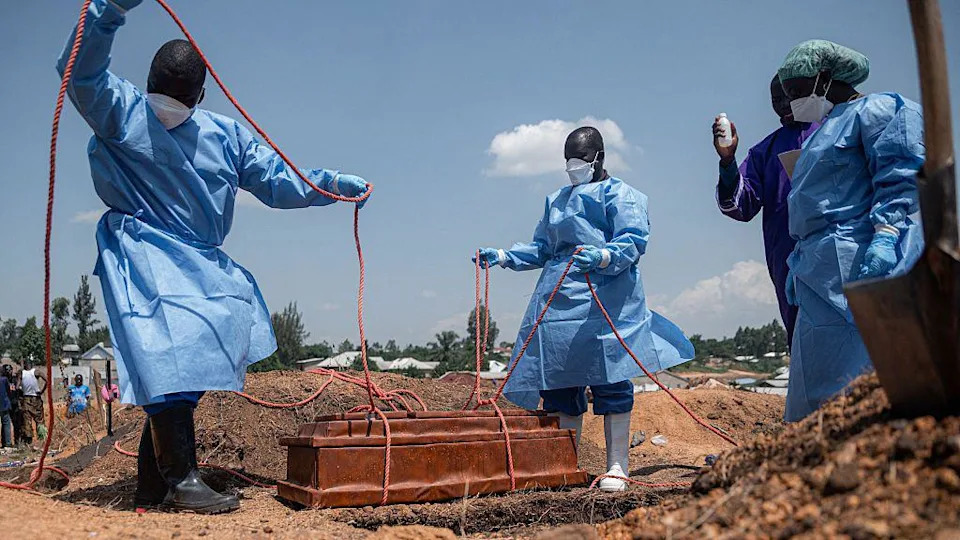
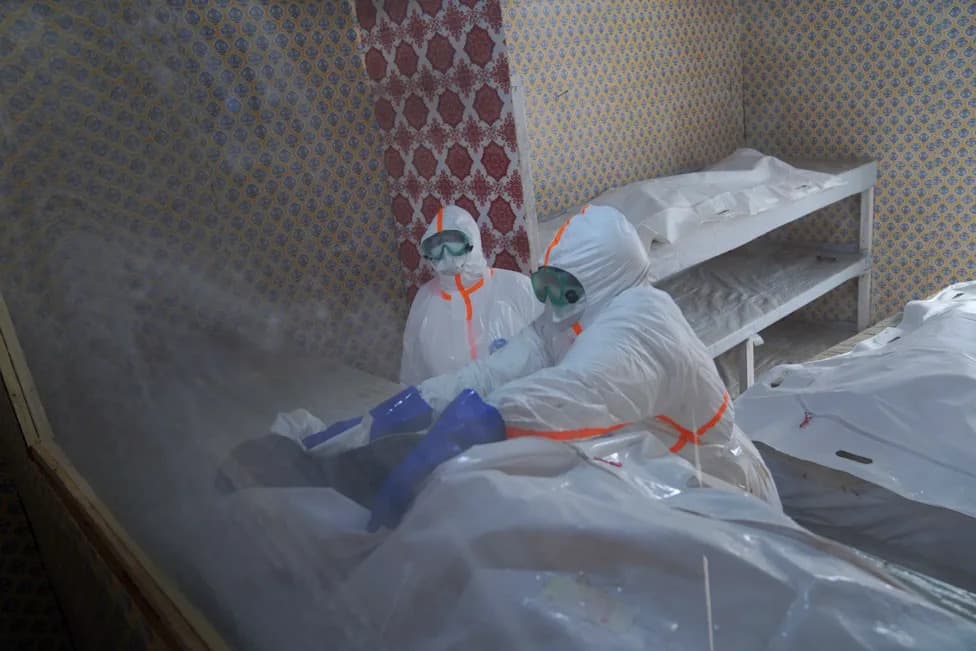
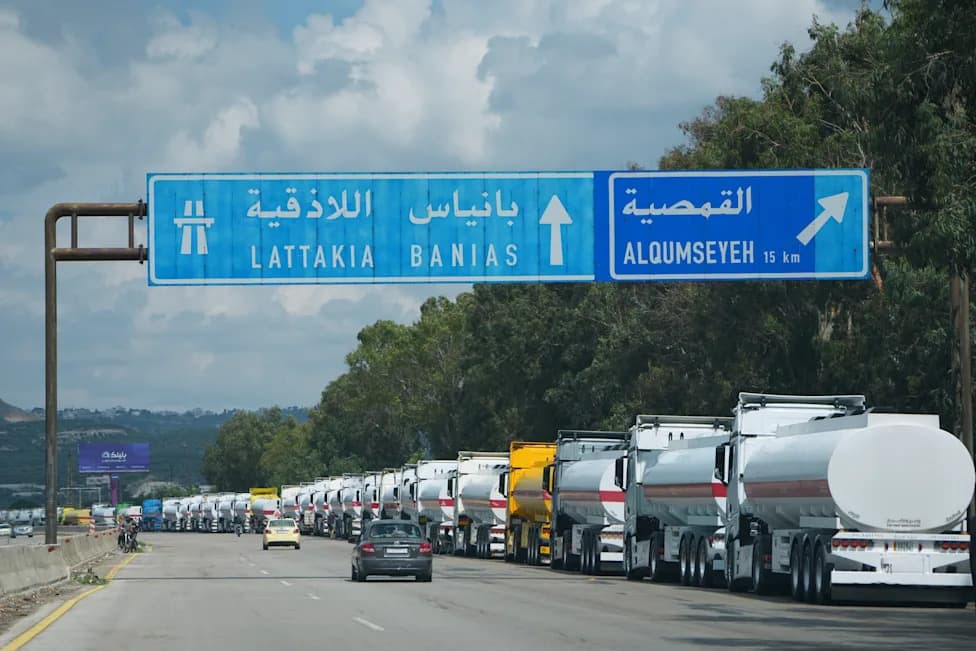
Official data shows more than 1,500 people have died from Ebola in DR Congo [AFP via Getty Images]
"It's because people invested in preparedness," said Dr Kasonde Mwinga, head of the World Health Organization in Uganda.
Fast Detection, Rapid Isolation
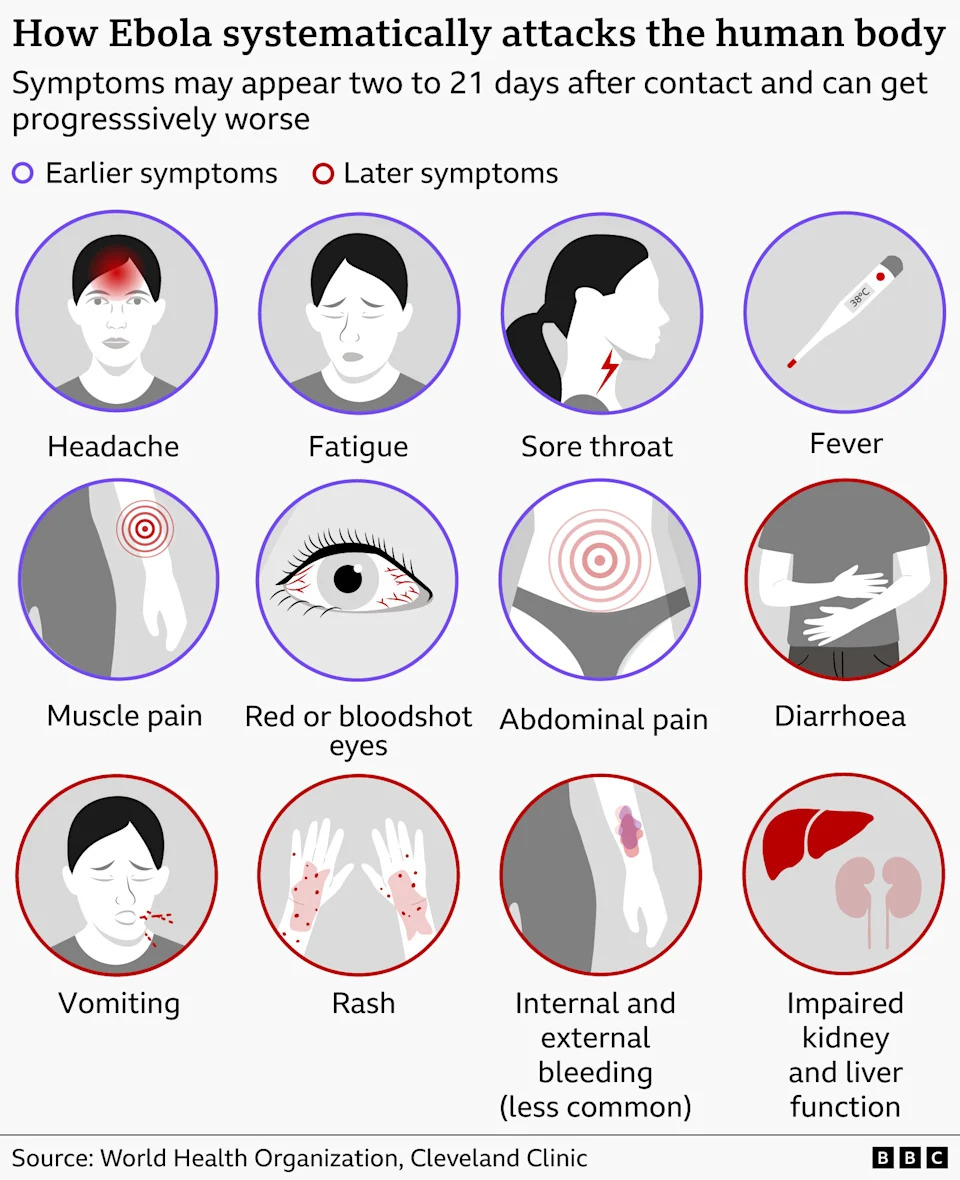
Of the 20 Ugandan cases, 15 were imported from DR Congo. After DR Congo publicised multiple confirmed infections, symptomatic people—reporting headaches, fever and vomiting—presented directly to the specialist unit. By diverting suspected cases away from general hospitals, Ugandan authorities reduced the chance of wider community transmission.
[BBC]
Quarantine, Border Measures and Community Cooperation
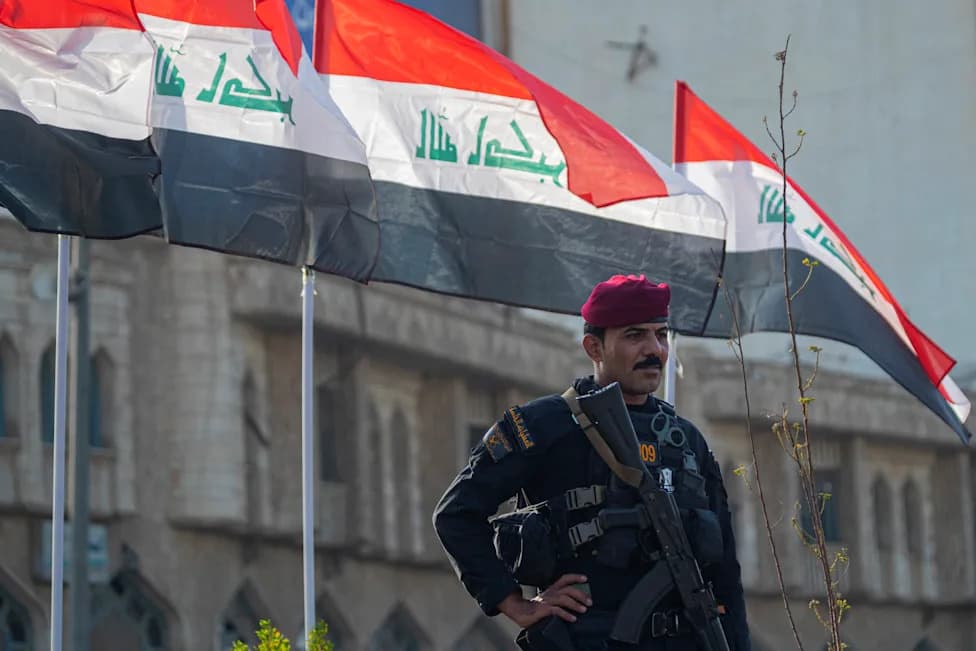
Uganda quarantined more than 6,000 contacts for the 21-day incubation period and temporarily closed sections of its border with DR Congo to limit movement. Authorities credit thorough contact tracing and high public compliance with prevention guidance as central to stopping onward spread.

[BBC]
Why DR Congo Struggled
DR Congo faced multiple challenges: the outbreak’s Bundibugyo strain circulated undetected for weeks because initial tests targeted more common Ebola species; surveillance and contact tracing were undermined by logistical bottlenecks and inexperienced staff; and persistent insecurity in eastern provinces hampered fieldwork. Large-scale displacement, artisanal mining and frequent cross-border travel further increased opportunities for the virus to spread.
Regional Solidarity and Ongoing Risk
Despite declaring itself Ebola-free earlier than the usual 42-day convention — citing that cases were imported with no unexplained community transmission — Ugandan officials stress that the porous border with Ituri keeps the risk of reintroduction real. Uganda has sent dozens of health workers to DR Congo to support response efforts and continues heightened border screening and public education.
Bottom line: Uganda’s combination of prior experience, ready facilities, rapid isolation, mass contact quarantine and community cooperation limited transmission. DR Congo’s difficulties show how delayed detection, weak surveillance and insecurity can turn a local outbreak into a much larger humanitarian crisis.
Help us improve.