Florida has confirmed 12 cases of Vibrio vulnificus and its first 2026 death — in Palm Beach County — as of July 30. Vibrio vulnificus, often linked to raw oysters and warm coastal waters, can cause rapidly progressing necrotizing fasciitis and bloodstream infections. The CDC estimates 100–200 U.S. cases of this strain annually, with people who have liver disease, diabetes, or weakened immunity at highest risk. Officials urge thoroughly cooking shellfish and avoiding coastal water exposure with open wounds.
Florida Reports First 2026 Death From 'Flesh‑Eating' Seafood Bacteria — 12 Cases Confirmed
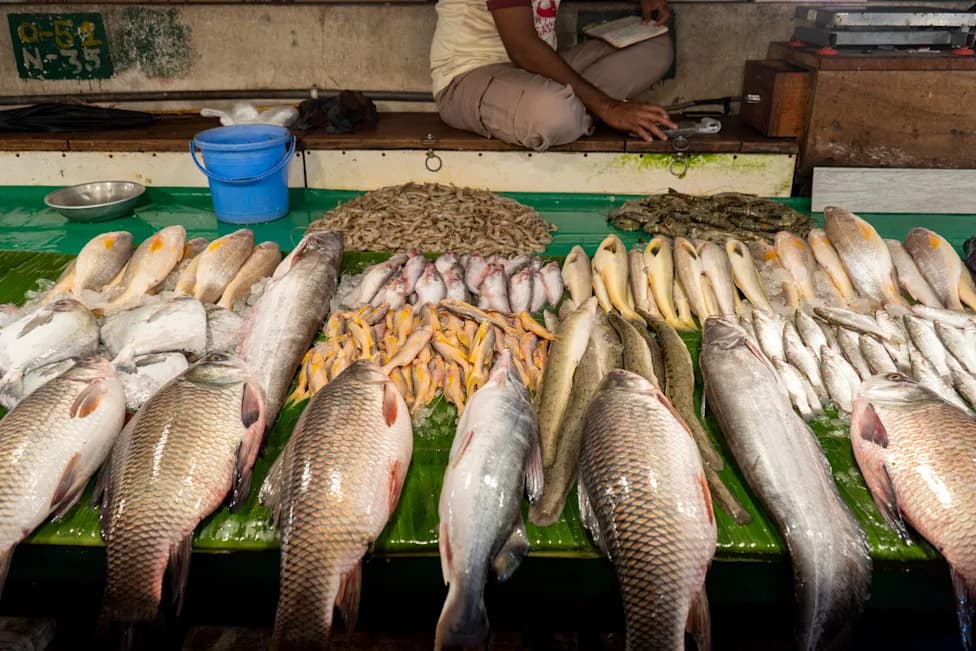
Flesh-Eating Bacteria Tied to Popular Seafood Leaves 12 Sick, 1 Dead
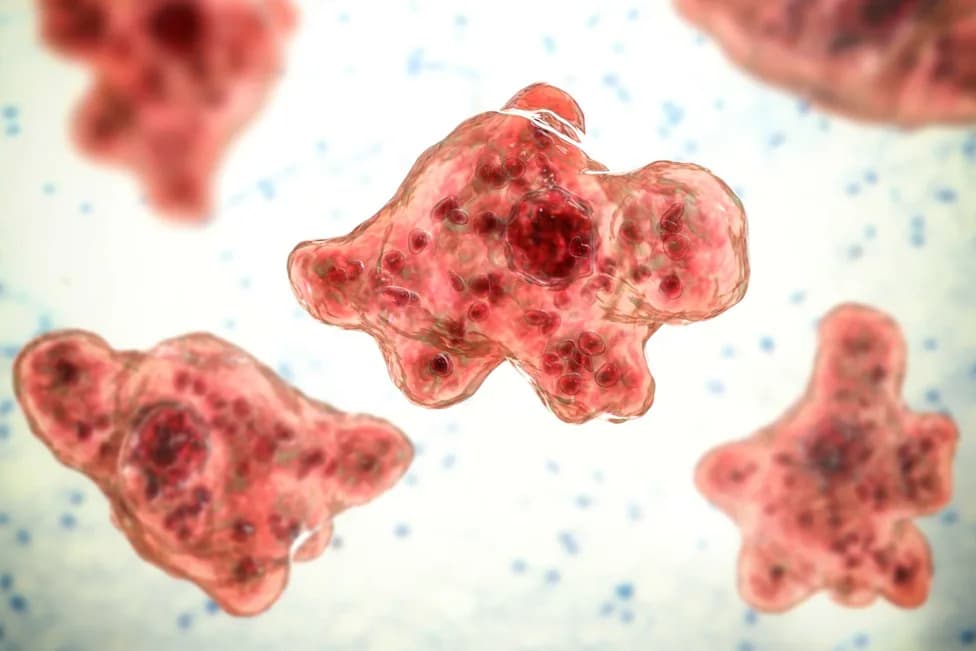
Florida health officials have confirmed the state’s first 2026 death linked to Vibrio vulnificus, a marine bacterium often described as "flesh‑eating" because it can cause necrotizing fasciitis in severe cases.
What Happened
As of July 30, Florida has reported 12 confirmed cases of Vibrio vulnificus infection this year and one fatality in Palm Beach County. By comparison, the state recorded 33 cases and five deaths during all of 2025.
About the Bacterium
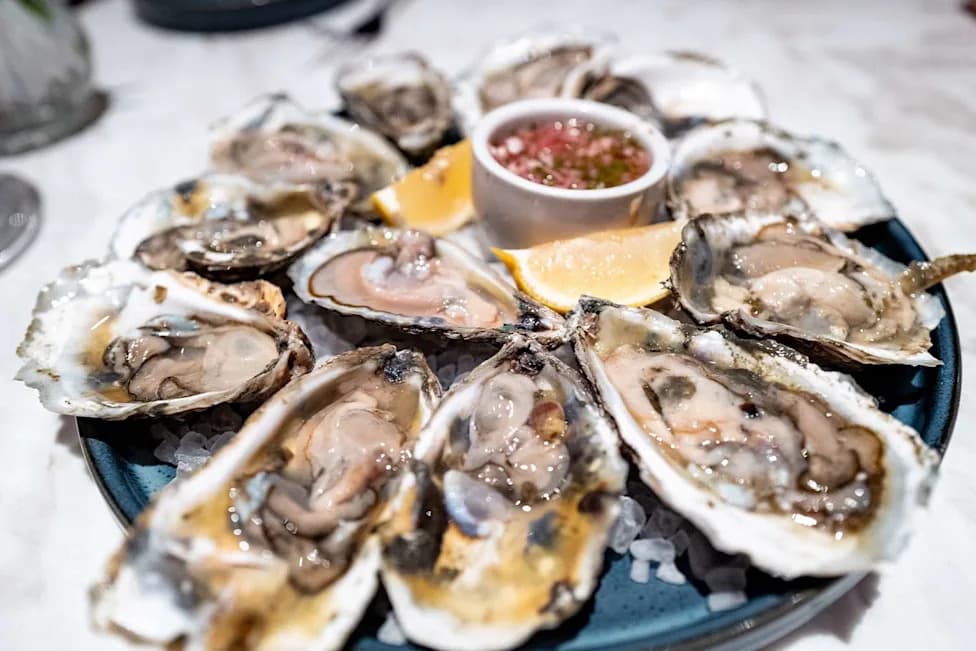
Vibrio vulnificus is most commonly linked to raw or undercooked shellfish (especially oysters) and to exposure to warm, brackish coastal waters where rivers meet the sea. Symptoms typically begin within 24 hours of exposure and may include fever, chills, rapidly spreading redness or swelling of the skin, fluid‑filled blisters and confusion. In severe cases the infection can invade the bloodstream and organs within hours; the Centers for Disease Control and Prevention (CDC) estimates about one in five people infected with V. vulnificus will die.
How Common Is It?
The CDC estimates that 100–200 cases of V. vulnificus infection are reported nationally each year, with most concentrated in Gulf Coast states. Other, generally less severe Vibrio species cause roughly 80,000 additional infections across the United States annually.
Risk Factors and When to Take Extra Care
- People with weakened immune systems, liver disease, diabetes, or other chronic conditions are at higher risk of severe illness.
- Open cuts, scrapes or recent piercings increase the risk of infection from seawater or handling raw shellfish.
Prevention Tips
- Cook seafood thoroughly: Heat kills Vibrio bacteria—avoid raw or undercooked shellfish.
- Protect wounds: Avoid contact with coastal or brackish water if you have open cuts or wear waterproof bandages and protective footwear.
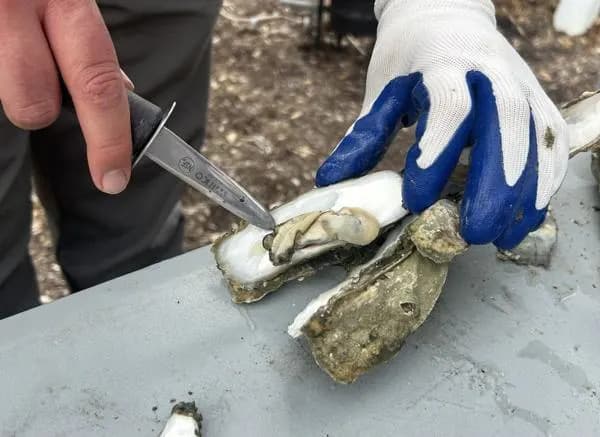
- Practice safe handling: Wash hands and utensils after preparing raw shellfish.
- Be cautious after severe weather: Floodwaters and storms can spread bacteria into new areas.
Health officials emphasize that while Vibrio infections are uncommon, they can escalate rapidly. Anyone who develops symptoms after eating shellfish or after exposure to coastal waters should seek immediate medical attention.
Originally published by Parade on Aug 1, 2026.
Help us improve.