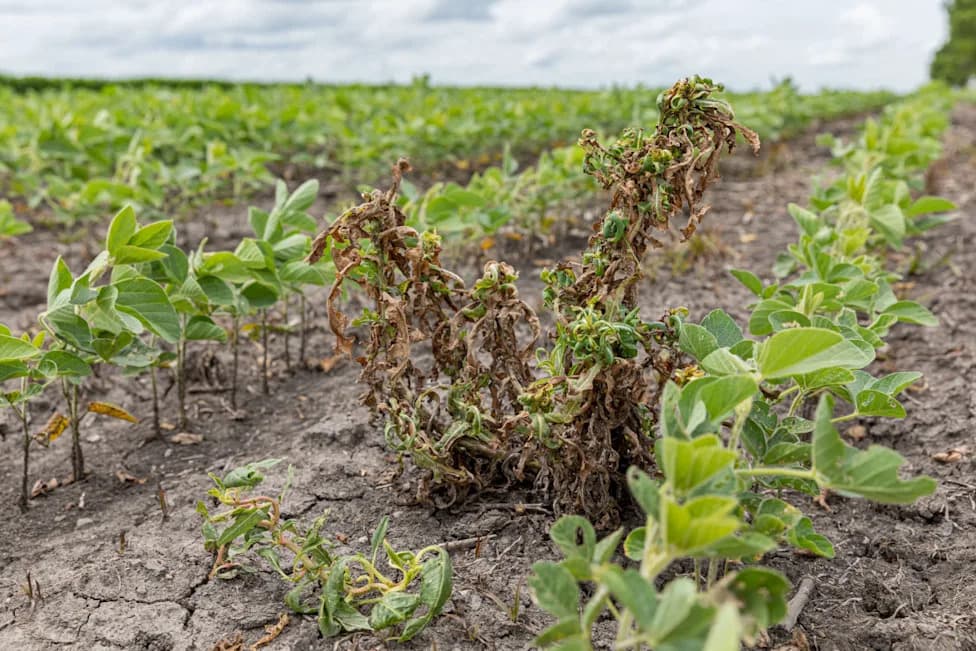
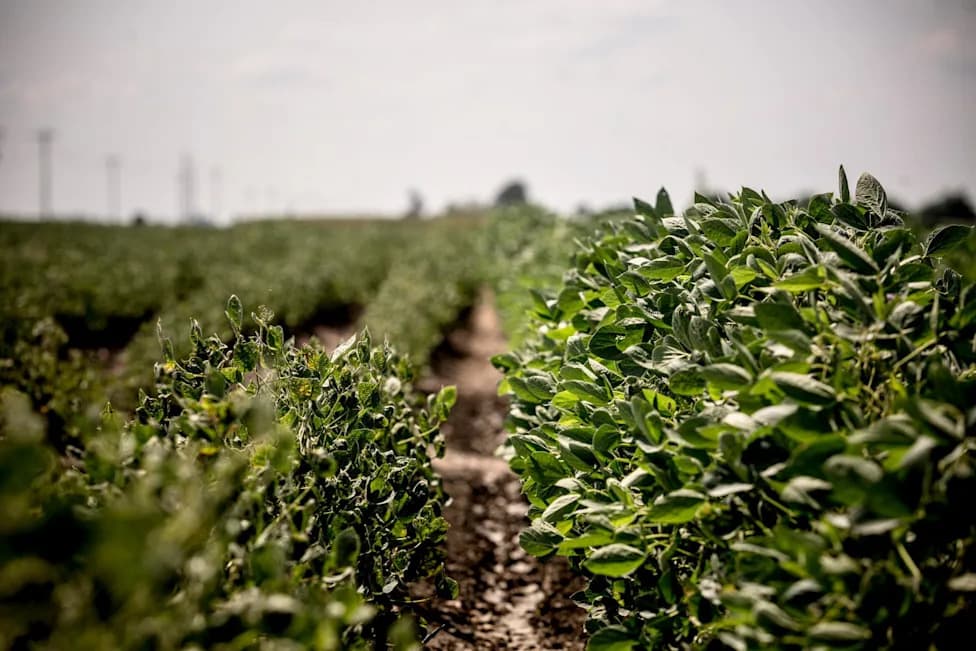
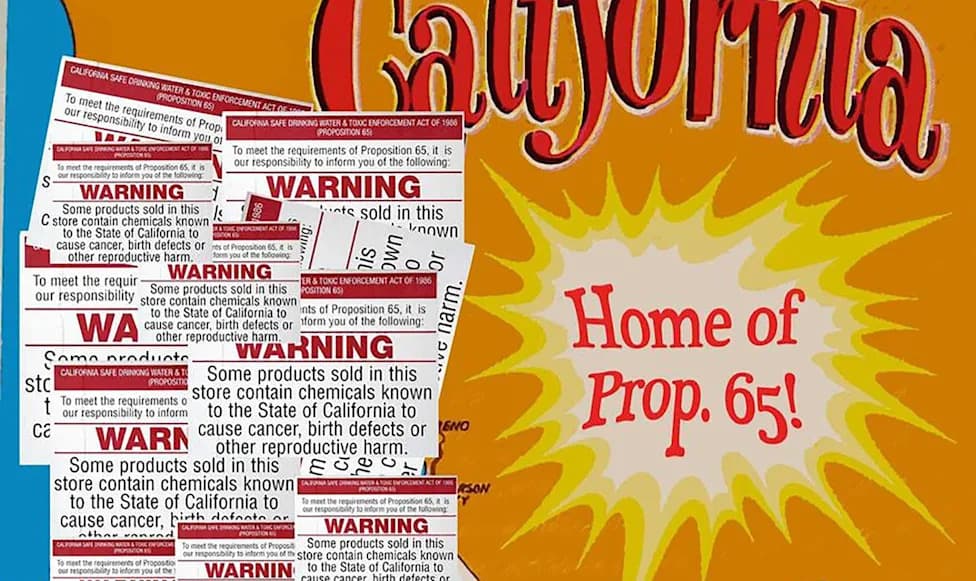
About 101 million of 172 million pounds of glyphosate sprayed on U.S. corn and soy is used on crops grown for animal feed rather than direct human consumption. Legal, scientific and regulatory disputes persist: the Supreme Court recently affirmed EPA authority over labeling, while major bodies disagree on glyphosate’s cancer risk. The EPA found potential harm to endangered species, Bayer has paid multibillion-dollar settlements, and the agency is reassessing the herbicide amid political moves to protect supply chains.
Most U.S. Glyphosate Is Used To Cut Meat Costs — Not Directly On Human Food
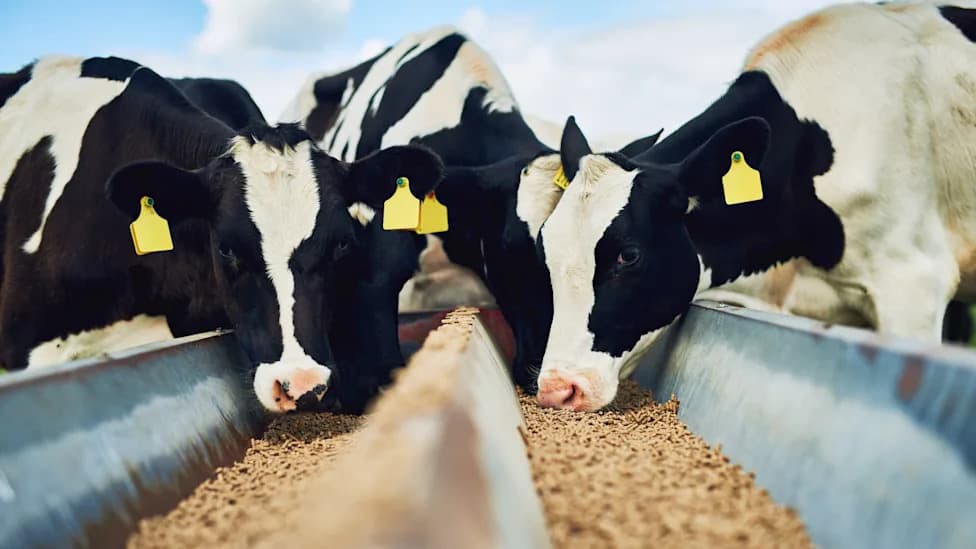
Photo Credit: iStock
Roundup and its active ingredient, glyphosate, have long been at the center of lawsuits and regulatory debates. What many readers may not realize is that in the United States the majority of glyphosate applied to corn and soy goes to crops grown for animal feed, not directly to food consumed by people.
How Much Goes To Feed?
According to reporting by Sentient Media, roughly 101 million of the 172 million pounds of glyphosate sprayed annually on U.S. corn and soy is applied to fields destined for livestock feed. Much of this use comes from spraying genetically engineered corn and soy varieties that tolerate the herbicide — enabling growers to kill weeds without damaging the crop and reducing production costs.
Legal And Scientific Disputes
A major legal development came in June when the U.S. Supreme Court sided with Monsanto in a failure-to-warn lawsuit brought by a Missouri gardener who developed non-Hodgkin lymphoma after years of Roundup use. The Court held that federal law gives the Environmental Protection Agency (EPA) final authority over pesticide labeling requirements.
Scientific and regulatory authorities remain divided. The EPA has maintained that glyphosate is not a carcinogen at permitted exposure levels, while the International Agency for Research on Cancer (IARC) classified glyphosate in 2015 as probably carcinogenic to humans. A 2019 meta-analysis also reported an association between glyphosate exposure and higher risk of non-Hodgkin lymphoma, although consensus is lacking.
Environmental And Economic Stakes
The reliance on glyphosate to lower feed costs helps sustain cheaper meat production, but it shifts ecological and public-health costs onto local ecosystems, neighboring communities, and consumers. In 2020 the EPA found that glyphosate could harm or kill about 93% of species protected under the Endangered Species Act in areas of heavy use.
Ongoing Litigation, Regulation And Policy
Bayer has already paid approximately $10 billion to settle some Roundup claims and has proposed an additional $7.25 billion package to resolve pending and future litigation; that proposal remains under court review. On the regulatory side, the EPA is conducting a fresh reassessment of glyphosate after a 2022 federal court ruled the agency's earlier evaluation was insufficient.
At the same time, President Donald Trump signed an executive order in February describing glyphosate as "central to American economic and national security" and directed officials to work toward ensuring an adequate supply of elemental phosphorus and glyphosate-based herbicides.
Bottom line: The widespread use of glyphosate on feed crops helps lower meat production costs, but unresolved scientific questions, ongoing litigation, environmental concerns, and shifting policy choices mean its role in U.S. agriculture remains contested.
Help us improve.