Kenyas authorities are investigating the deaths of 15 elephants found in and around Amboseli National Park over the last month. Most victims were female or young; five carcasses were too decomposed to examine, while others showed partial paralysis and died about two days after symptoms began. Early lab results conflict—one university found signs of a "potential toxic substance," while a government lab did not detect toxins—and officials are conducting further tests and environmental checks, including water analysis. There is currently no evidence the condition affects humans.
Officials Probe After 15 Elephants Found Dead Near Kenya's Amboseli National Park
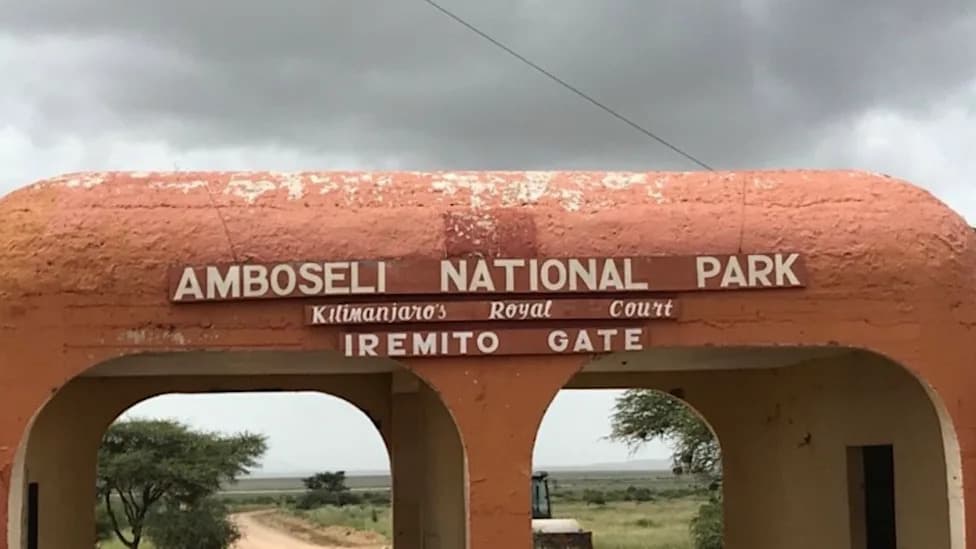
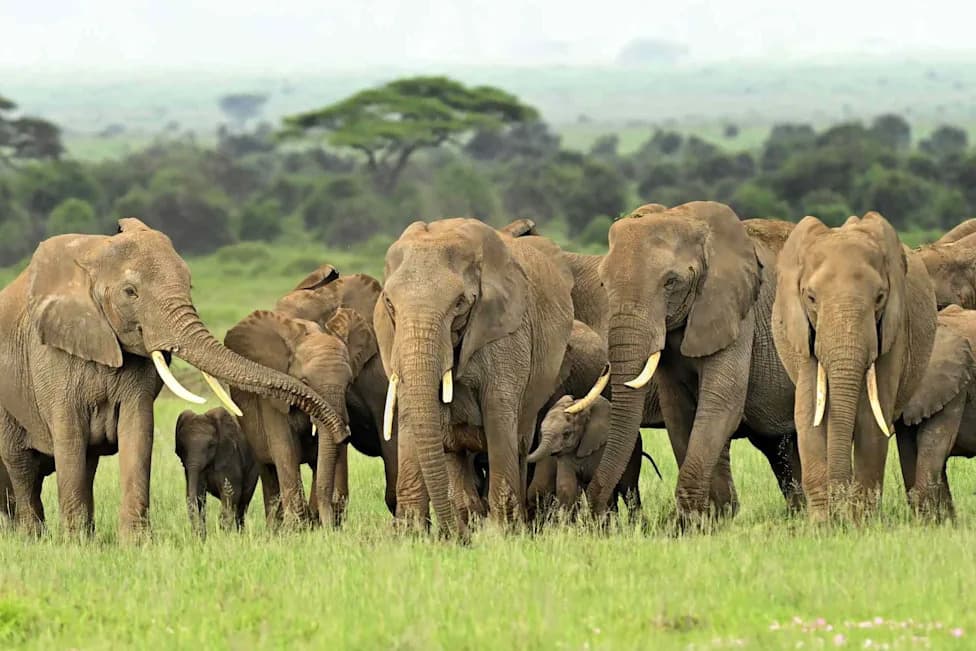
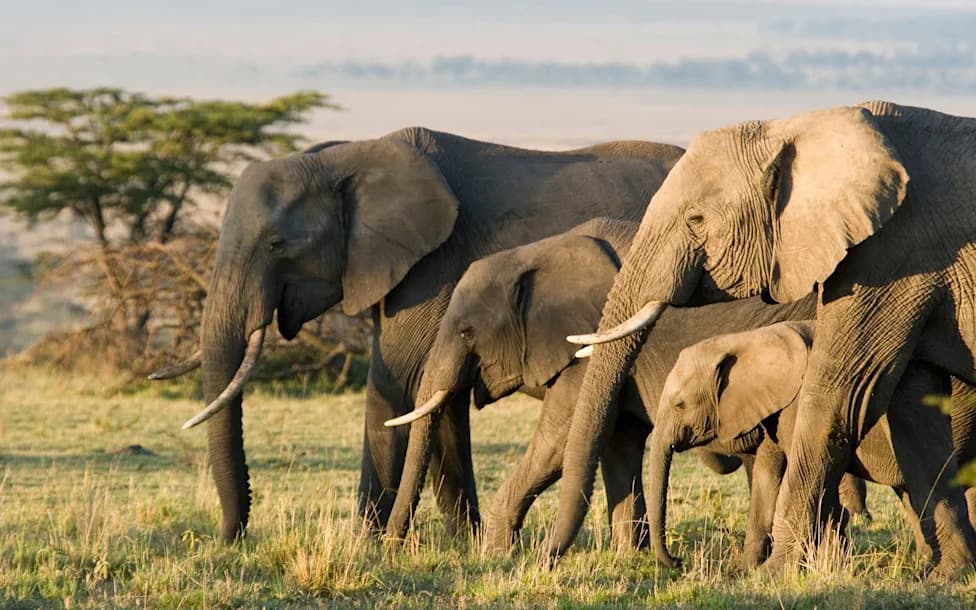
Photo Credit: Amboseli Kenya Safaris
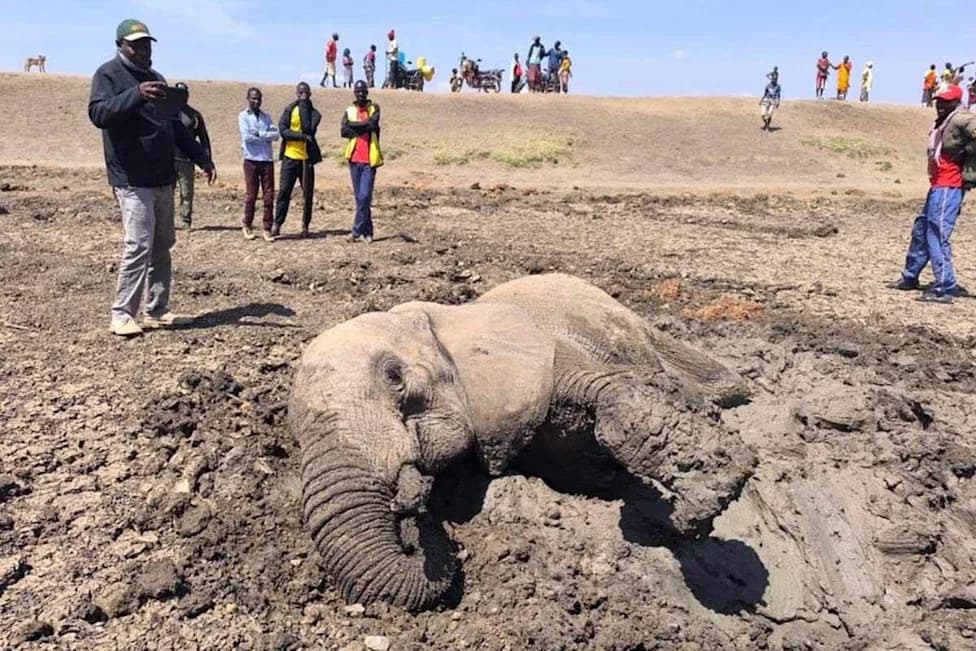
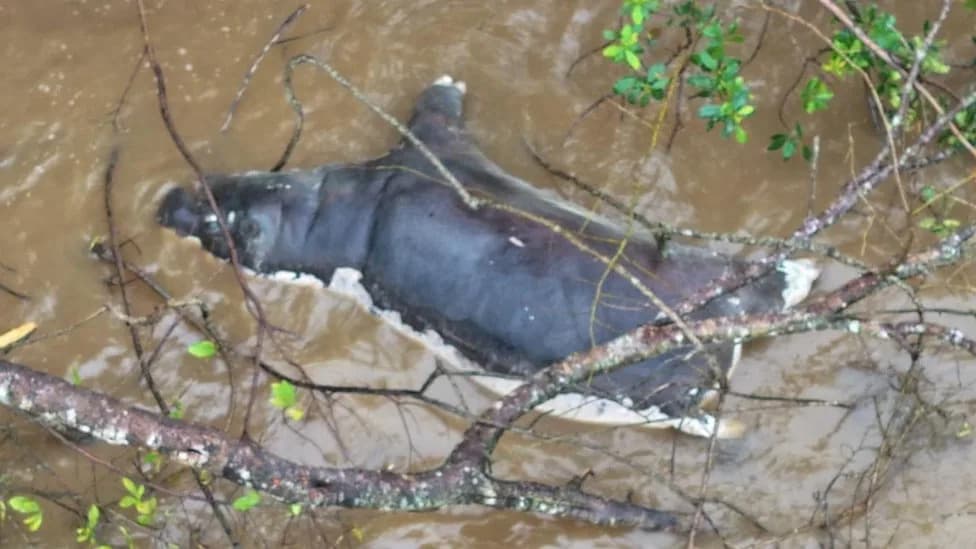
Kenyan wildlife authorities are investigating the unexplained deaths of 15 elephants found in and around Amboseli National Park over the past month, officials and media reports say.
The Kenya Wildlife Service (KWS) recorded the fatalities in areas adjacent to the park, notably Kimana Sanctuary and Kuku Ranch. Most of the carcasses were female adults or juveniles; only one of the dead elephants was male.
In five cases, investigators were unable to determine a cause of death because the remains were too decomposed or had been scavenged. In the other 10 cases, KWS reported that the animals showed signs of partial paralysis and died roughly two days after symptoms began.
Laboratory Tests Give Mixed Signals
Early laboratory testing has been inconclusive. Samples analyzed at a University of Nairobi laboratory suggested the possible presence of a "potential toxic substance," while a separate government laboratory did not detect the toxins it screened for. Authorities say further analyses are underway to reconcile the differing findings.
Broader Concerns
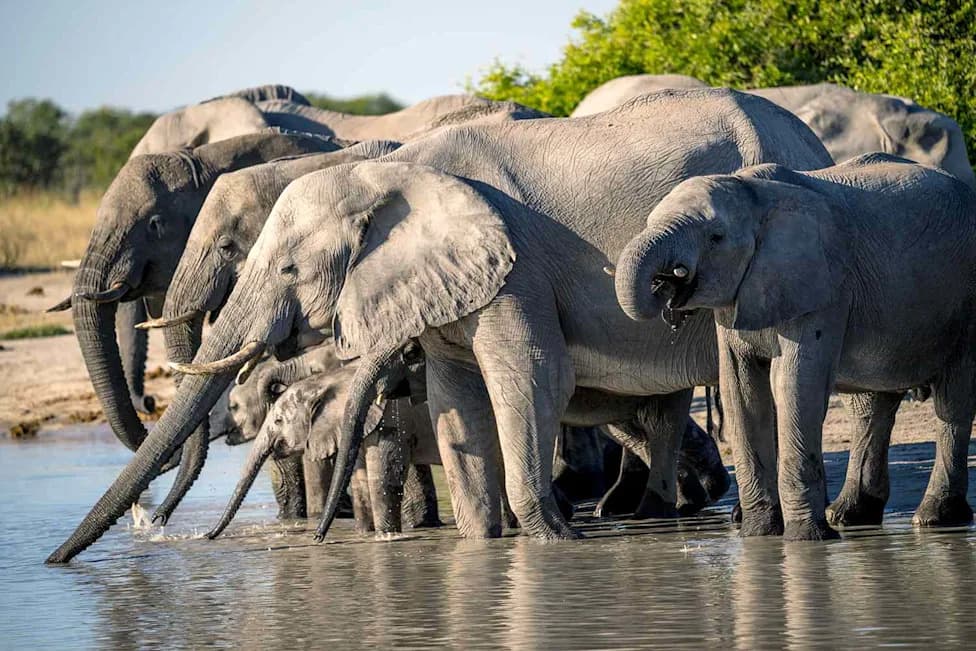
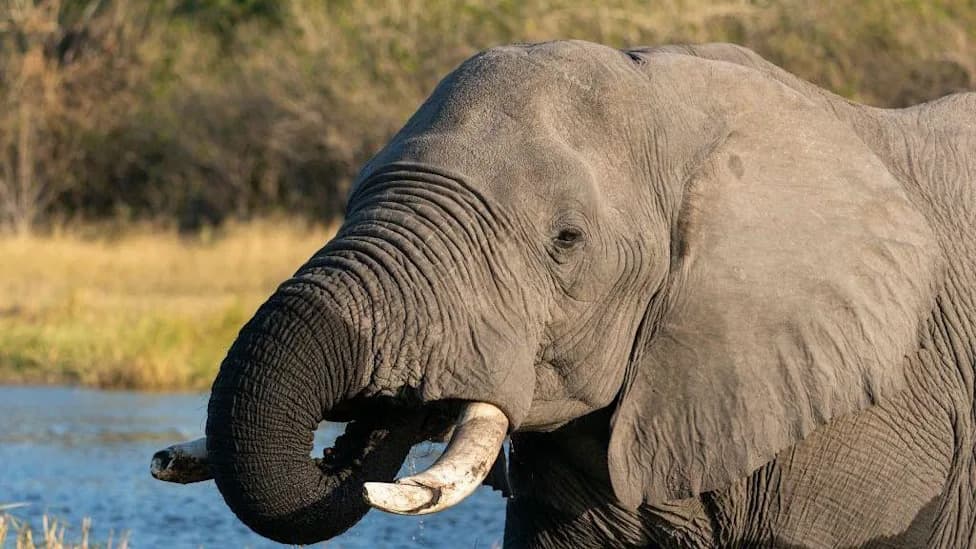
Amboseli is home to an estimated 2,000 elephants and is widely known for its large herds, which attract tourists and sustain a local economy built around guides, lodges and related services. Conservationists warn that an unusual cluster of elephant deaths — particularly among mothers and calves — can signal broader environmental problems that may threaten nearby communities, tourism revenue and confidence in the safety of local water and land resources.
KWS officials say they are continuing additional laboratory analyses and conducting environmental field checks, including testing water sources and searching for other potential contaminants in the affected areas. Anti-poaching and human-wildlife conflict responses remain active while the investigation proceeds.
"Environmental investigations are also being undertaken, including the analysis of water sources and other potential environmental contaminants within the affected areas, to establish whether the elephants were exposed to a common source," the authorities said in a statement.
Officials added there is currently no evidence that the condition is transmissible to humans, but they urged the public to avoid contaminated carcasses and to report any unusual wildlife behavior to KWS.
Help us improve.