The FAA's proposed 14 CFR 400.3 would allow the agency to waive compliance with up to 13 federal environmental laws, including NEPA, to speed commercial space-launch licensing — a move driven by a 2025 White House directive. Environmental groups and pilots' unions warn the change could sidestep safeguards and increase safety risks, citing damage from past launches and ongoing litigation. The NPRM is open for 30 days; public comments are due by August 31, 2025.
FAA Proposal Would Let Commercial Launches Bypass NEPA and Other Environmental Laws — Environmental Groups Call It 'Obscene'
Environmentalists Condemn ‘Obscene' FAA Space Licensing Proposal
The Federal Aviation Administration (FAA) has published a notice of proposed rulemaking (NPRM) that would create 14 CFR 400.3, a regulation designed to speed commercial space-launch licensing by allowing the agency to waive compliance with multiple federal environmental statutes. The change, which follows a 2025 White House directive to accelerate commercial space activity, has drawn sharp criticism from environmental groups, pilots' unions and other stakeholders.
What The Proposal Would Do
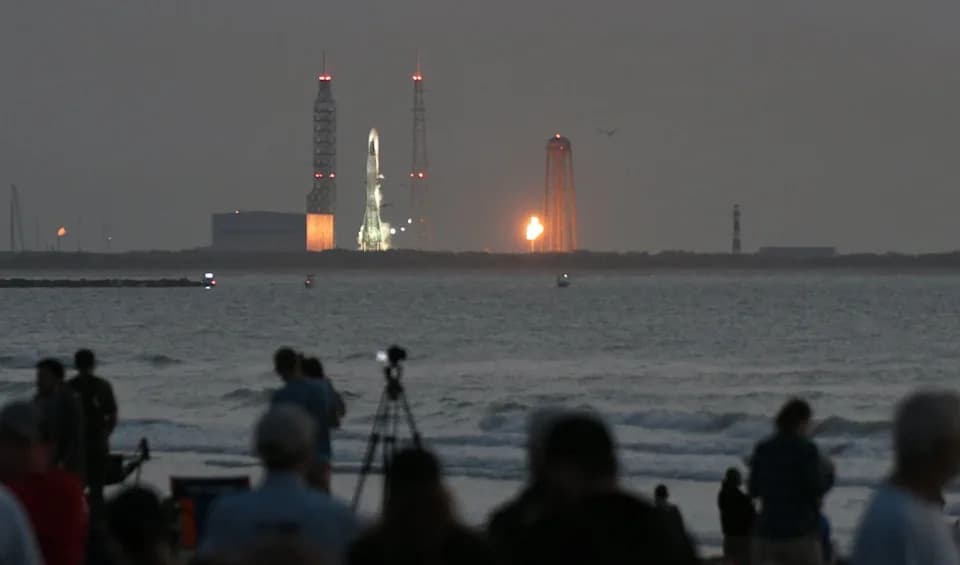
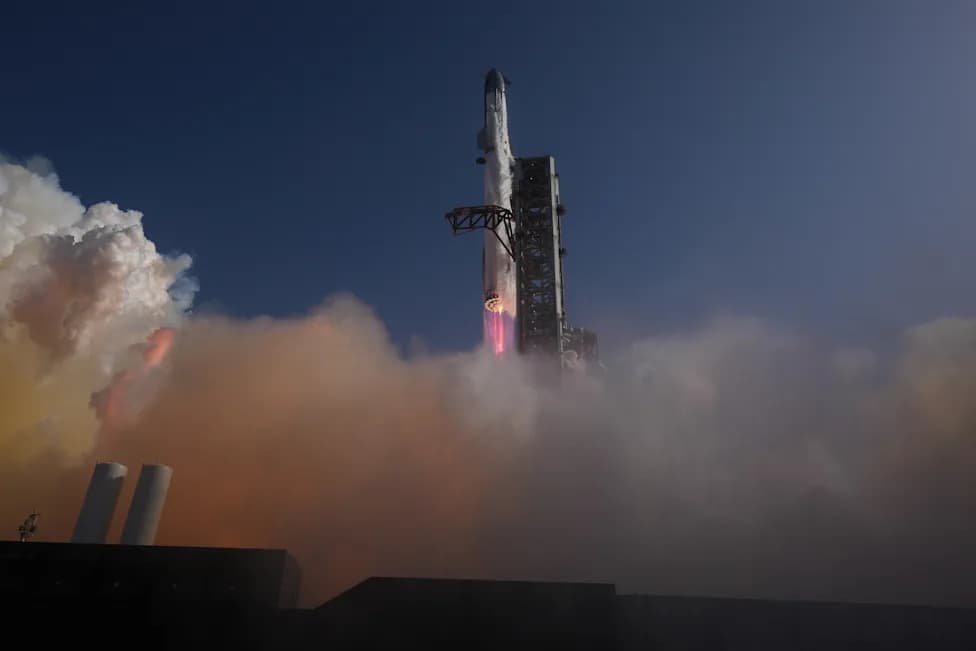
Under the draft rule, the FAA would be able to waive requirements in as many as 13 statutes — including the National Environmental Policy Act (NEPA) — when issuing launch licenses. The agency says the measure would reduce what it calls "needless delays" and duplicative reviews that slow approvals for companies such as SpaceX and Blue Origin. FAA officials note the agency averaged 151 days to issue a commercial space license in 2024.
Legal Basis And Policy Context
The NPRM cites statutory authority in 51 U.S.C. 50905(b)(2)(C), which allows the Secretary of Transportation to waive requirements not necessary to protect public health and safety, property, or national security and foreign policy interests. The proposal also references a 2025 Supreme Court decision (Seven County Infrastructure Coalition v. Eagle County) that narrowed NEPA's reach and found agencies need not evaluate certain downstream effects under NEPA.
Safety And Environmental Pushback
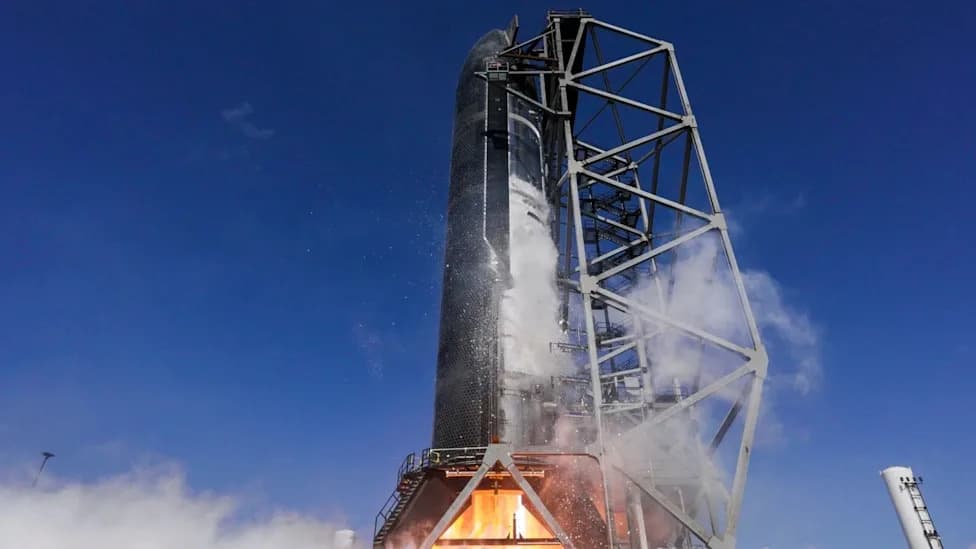
Environmental advocates argue the change would effectively neutralize vital safeguards. Brett Hartl, government affairs director at the Center for Biological Diversity (CBD), said the White House effort "wants to gut even the most basic environmental safeguards to enrich some of the world's wealthiest people." The CBD and other groups have previously challenged the FAA's environmental reviews after SpaceX's 2023 Starship test flight damaged nearby land and sparked a 3.5-acre brush fire.
"You can be damn sure we'll fight this obscene giveaway to special interests," Brett Hartl said in response to the proposal.
In 2025 a federal judge dismissed a CBD challenge that sought a more extensive environmental impact statement for that launch, finding the FAA's environmental assessment was "well-reasoned and supported by the record." In June 2025 the CBD also sued the U.S. Fish and Wildlife Service to block a land swap near SpaceX's Starship site in the Lower Rio Grande Valley National Wildlife Refuge and later sought emergency relief.
Operational Concerns
Pilot groups have voiced separate but related concerns about safety and reporting. The Air Line Pilots Association (ALPA) warned of the "high potential for debris striking an aircraft" as launch cadence rises and has criticized reporting mechanisms and timeliness of mishap notifications. The FAA has cautioned aviators to be vigilant about increasing spaceflight activity that could produce falling debris.
Growth In Commercial Launches
The FAA authorized a record 204 commercial space operations in fiscal year 2025 and expects to oversee more in FY26. The agency's forecast projects up to 4,288 commercial operations over the next decade, with annual launches potentially exceeding 500 by 2036. Part 450, now fully enforced, consolidated legacy licensing into a performance-based framework and is intended to allow companies to fly more frequently.
Next Steps
The NPRM is open for public comment for 30 days, with the comment period closing on August 31, 2025. The FAA says it will consult relevant agency heads — as required by law — before using any waiver authority and is soliciting feedback on other statutes it may consider excluding in the future, such as the Safe Drinking Water Act and the Ocean Dumping Act.
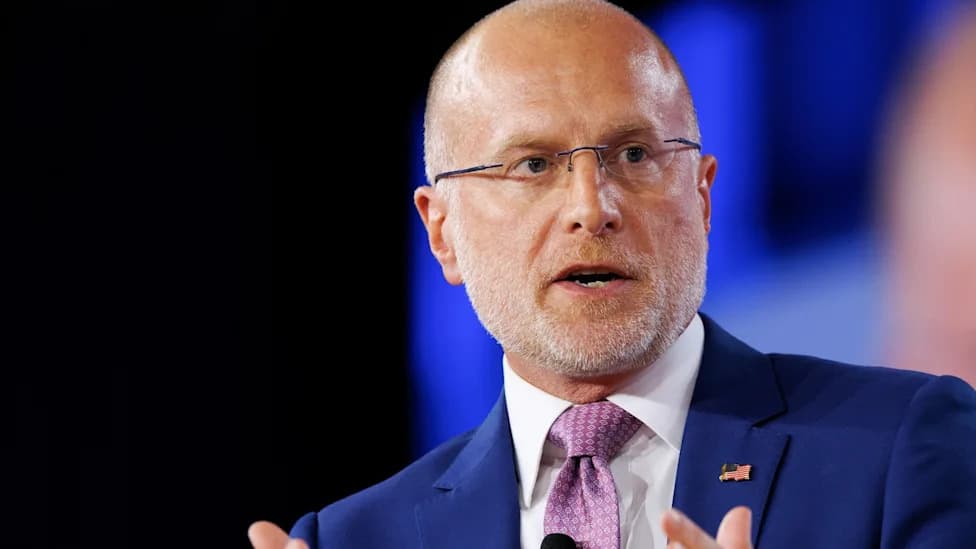
Positions: DOT Secretary Sean Duffy and FAA Administrator Bryan Bedford argue streamlining is necessary to maintain U.S. commercial space competitiveness. Industry leaders, including SpaceX CEO Elon Musk, have pushed for faster approvals; Musk indicated his company may sue the FAA for what it deems regulatory overreach. Environmental groups and aviation safety advocates counter that relaxed environmental reviews and faster approvals risk irreversible ecological harm and aviation safety.
Help us improve.