Key takeaway: The updated National Space Transportation Policy directs U.S. ranges to scale to more than 1,000 launches and reentries per year by 2030 — a dramatic jump from 181 launches in 2025. Experts say the goal exposes critical gaps in supporting infrastructure (fuel, cryogenics, payload processing), reentry safety zones and reliable customer demand. International competition and past spaceport shortfalls suggest the market signal needed to justify rapid expansion may take years or decades to develop.
U.S. Aims for 1,000+ Launches a Year by 2030 — But Spaceports, Safety and Markets Pose Big Challenges
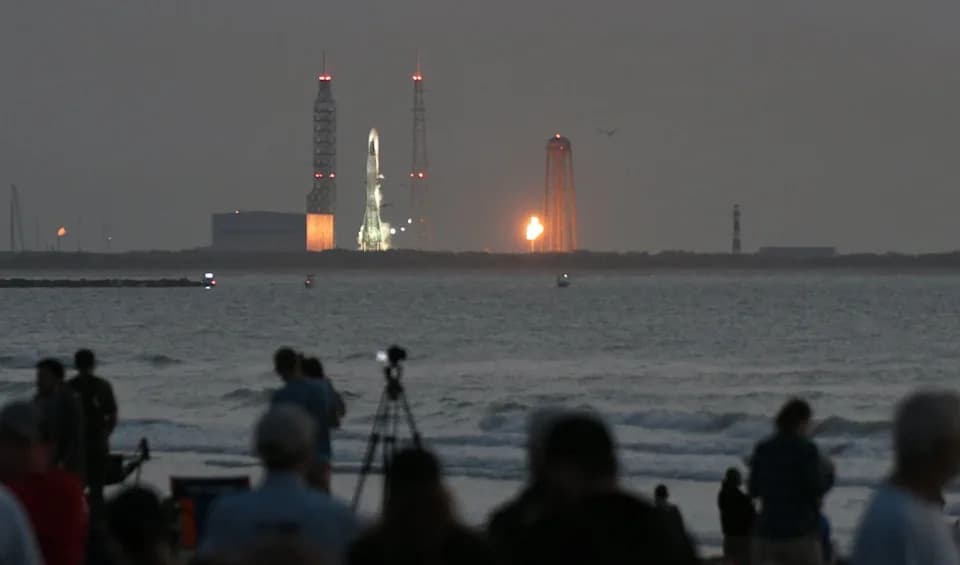
Spectators watch a Blue Origin New Glenn rocket preparing to launch from pad 36 at Cape Canaveral Space Force Station on April 19, 2026 in Cape Canaveral, Florida.Paul Hennessy/Anadolu Agency/Getty Images
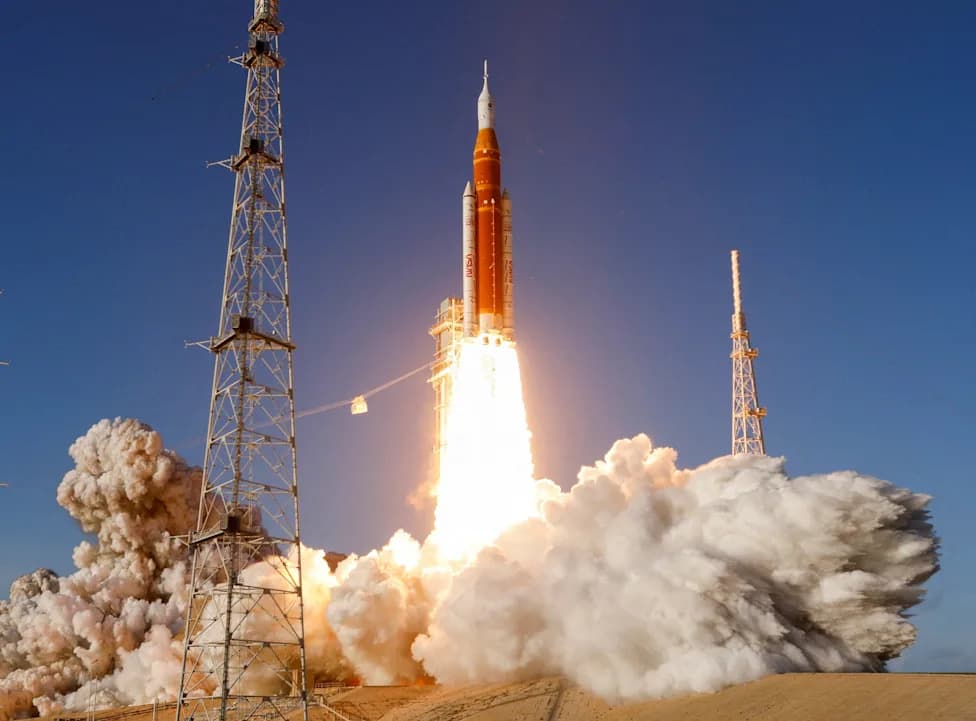
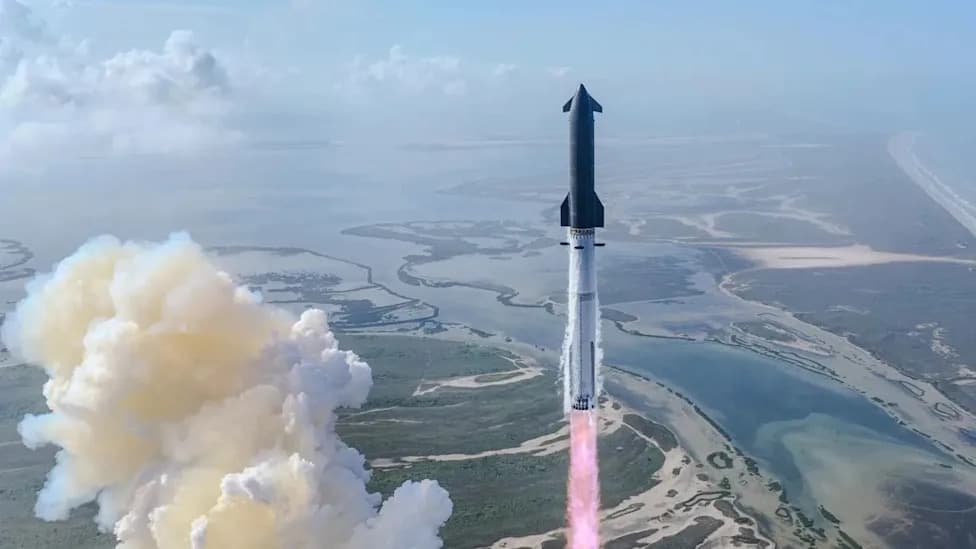
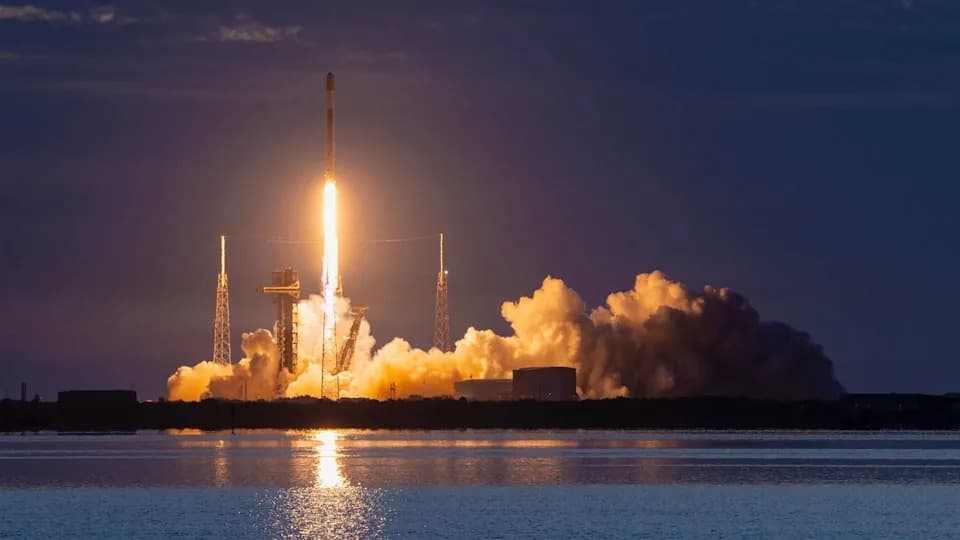
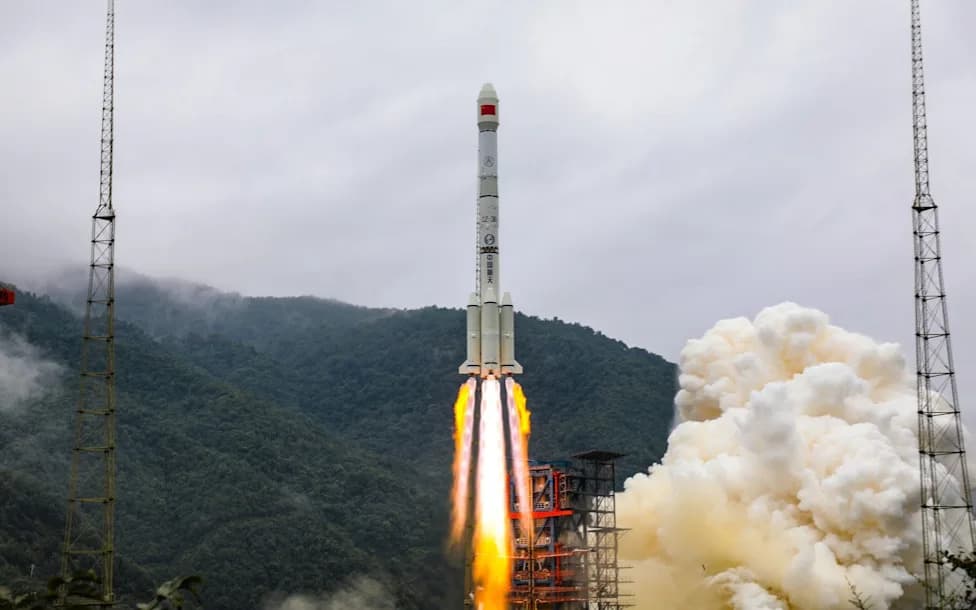
The White House's updated National Space Transportation Policy (NSTP), issued in a presidential memorandum on August 20, directs a rapid expansion of U.S. space ranges so they can support more than 1,000 launches and reentries per year by 2030. That target is more than five times the 181 launches that occurred on U.S. soil in 2025 and roughly ten times the U.S. total in 2013, when the previous NSTP was published.
Why the Push?
The policy responds to explosive growth in commercial satellite deployment, rising government interest in on-orbit infrastructure and servicing, and new proposals for in-orbit data centers to host artificial-intelligence workloads. Major commercial players — most notably SpaceX — are scaling launch cadence and ground infrastructure to meet demand. SpaceX has acquired land for a new, reportedly $100 billion, high-capacity spaceport in Louisiana, citing the need for safer access to polar orbits that cannot easily be reached from its existing Florida and Texas pads.
Capacity Strains and Infrastructure Gaps
Experts say building more launchpads alone won't meet demand. Brian Weeden, director of civil and commercial policy at the Aerospace Corporation's Center for Space Policy and Strategy, emphasizes that supporting infrastructure is equally critical: improved on-site fuel storage and generation, customer cryogenics, upgraded transportation links (such as replacing bridge choke points) and secure payload processing facilities for large or classified satellites.
"You've got to have a building to be able to take in the payloads as they're being shipped to site.... There's just not enough of those — particularly for larger, more complex payloads and also [national] security payloads that need special protections," Weeden says.
A lack of secure, well-equipped payload processing space is a major bottleneck for many emerging launch customers and national-security missions.
Reentries, Safety and the Environment
The memorandum also directs the designation of at least one additional federal reentry zone and calls for assessment of safety criteria. Reentries can scatter hazardous debris and therefore require wide stand-off zones free of people and sensitive infrastructure. The rise of reusable rockets and new vehicles such as Sierra Space's Dream Chaser — along with an expected increase in decaying satellites burning in the atmosphere — raises environmental and safety concerns that regulators must address.
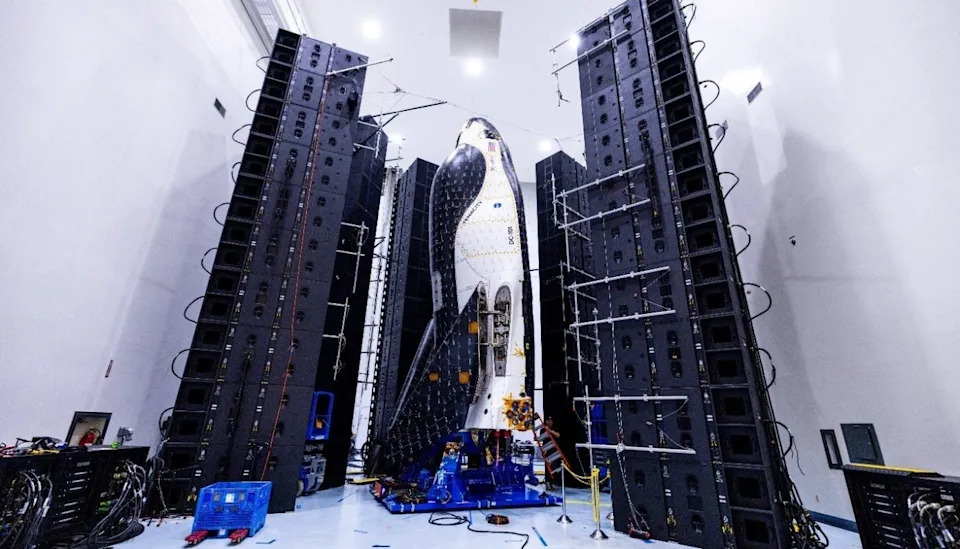
Sierra Space Corporation's Dream Chaser spaceplane, Tenacity, as seen during preparations for acoustic testing at NASA's Kennedy Space Center's Space Systems Processing Facility in Cape Canaveral, Florida.Sierra Space
Economic Reality and International Competition
Although the Federal Aviation Administration lists more than 20 licensed U.S. spaceports, many have limited capabilities or irregular traffic. Past and current examples — such as Spaceport America in New Mexico, the stalled Maine Spaceport Complex and the earlier closure of Spaceport Camden in Georgia — illustrate how variable customer demand can undermine a commercial spaceport's viability.
Internationally, new and expanding spaceports in the European Union, New Zealand (helped by Rocket Lab) and Canada (notably Maritime Launch Services in Nova Scotia, which recently received significant government funding) create competitive options for launch customers. Observers warn that expanding U.S. capacity without a sustained, stable customer pipeline risks fragmenting a global market that is already evolving rapidly.
Policy Trade-Offs and What Comes Next
Scott Pace, director of the Space Policy Institute at George Washington University, notes the updated NSTP correctly modernizes policy in light of megaconstellations and evolving markets, including spectrum designation and export-control updates. He also highlights a broader policy question: when should government agencies continue to operate launch facilities versus letting commercial providers run them? If commercial megaconstellations prove unsustainable, demand for some pads could fall.
Jonathan McDowell, an astrophysicist who tracks launch statistics, says location matters: sites that provide safer flight paths to polar orbits have clear operational advantages. But other examples — such as Alcântara in Brazil, which has an ideal equatorial location but has struggled to attract steady commercial business — show that location alone doesn't guarantee success.
Ultimately, the memorandum's 2030 goal is ambitious. Meeting it will require more than constructing pads: it needs coordinated investments in supporting infrastructure, clear and timely regulatory action on safety and reentries, sustained commercial demand, and likely years of market development and public-private commitment beyond the end of the decade.
Help us improve.