The spectacled caiman, introduced via the pet trade, is more broadly established across the Florida Everglades than once thought, a University of Florida review shows. Mixed genetic origins and greater adaptability may complicate management and threaten elements of the Comprehensive Everglades Restoration Plan. Researchers plan satellite-tagging, tracking and eDNA monitoring, and urge the public to report sightings through IVEGOT1 or EDDMaps.
Invasive Spectacled Caiman Tightens Grip on Florida Everglades, Threatening Restoration Efforts
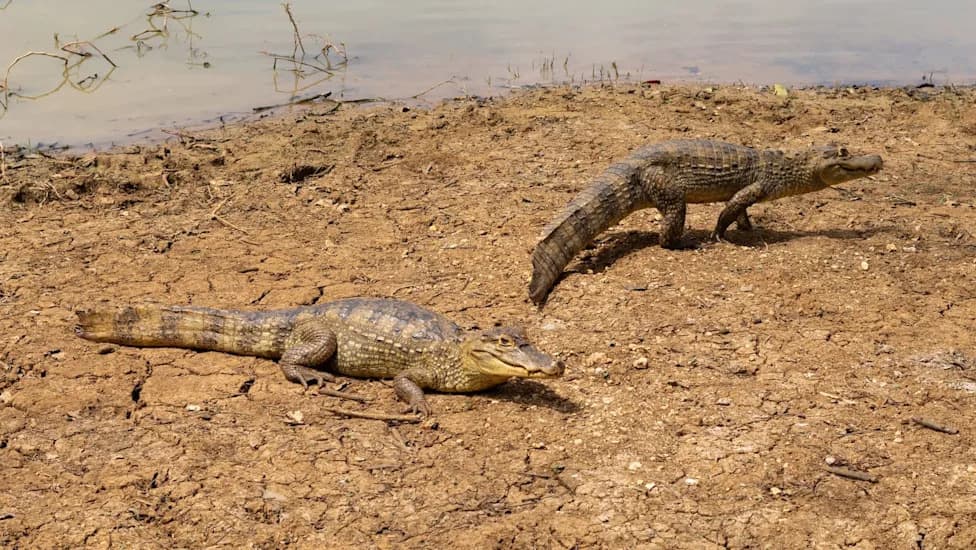
Photo Credit: iStock
The spectacled caiman, an invasive reptile introduced to South Florida through the pet trade, is more widely established across the Everglades than previously recognized, a University of Florida review finds. Researchers warn the species' adaptability and mixed genetic origins could complicate control efforts and pose new risks to restoration work, water supplies and native wildlife.
Findings From the University of Florida Review
UF/IFAS researchers examined more than 70 years of published studies on the spectacled caiman (Caiman crocodilus), a species native to Central and South America that has been reported in Florida since the 1980s. The review shows the animals have spread through canals, marshes and wetlands and appear better able to tolerate local conditions than scientists had assumed.
Investigators also found indications that Florida's caiman population may come from mixed genetic sources linked to Colombia, Brazil and the Guayana region. That genetic diversity could make management and eradication efforts more difficult.
Sergio Balaguera-Reina, lead author of the study and research assistant scientist at the UF/IFAS Fort Lauderdale Research and Education Center, said: "We now know the spectacled caiman is established in more areas than we previously thought. We also know that spectacled caimans are more adaptable than we previously understood."
Why This Matters
The findings add another layer of complexity to the Comprehensive Everglades Restoration Plan (CERP), the multibillion-dollar program to restore, conserve and protect the Everglades. The Everglades provide drinking water, reduce flood risk and support a wide range of native species — and invasive caimans could alter food webs, compete with native alligators and crocodiles, and exploit newly restored waterways.
Scientists emphasize that important knowledge gaps remain: where and how spectacled caimans nest in Florida, how far individuals travel within the dynamic Everglades landscape, and how restored water flows will affect their movements and survival.
Planned Research and Management Actions
To close these gaps, researchers are beginning to track caiman movements and habitats. Planned efforts include satellite-tagging female caimans to locate nesting sites and developing environmental DNA (eDNA) monitoring tools to detect new populations early.
Public sightings are also a crucial part of the response. People who spot a spectacled caiman are asked to report it through the IVEGOT1 app, by calling 1-888-IVEGOT1 (483-4681), or via the EDDMaps website. Timely reports help wildlife agencies map spread and respond faster.
Balaguera-Reina added: "We think caimans in Florida may move more than populations in their native range because of dry-down conditions in the Everglades. Continued management and additional research will be necessary to prevent the species from becoming even harder to control."
What You Can Do: Report sightings through IVEGOT1, call 1-888-IVEGOT1, or submit observations to EDDMaps. Avoid attempting to capture or approach caimans — contact authorities who have training and permits to handle invasive reptiles.
Help us improve.