This article examines NatureScot’s effective ban on the traditional guga (gannet chick) hunt by men from Ness and the wider dispute that has followed. It outlines the hunt’s legal recognition (Acts of Parliament 1954 and 1981), recent reductions in harvest after an avian‑flu hiatus, and claims that campaigning against the practice has vilified a small Gaelic community. The piece considers potential legal challenges, conservation data on gannet populations, and the cultural and personal loss felt by islanders.
Guga Hunt Ban: Clash Over Tradition, Conservation and Community
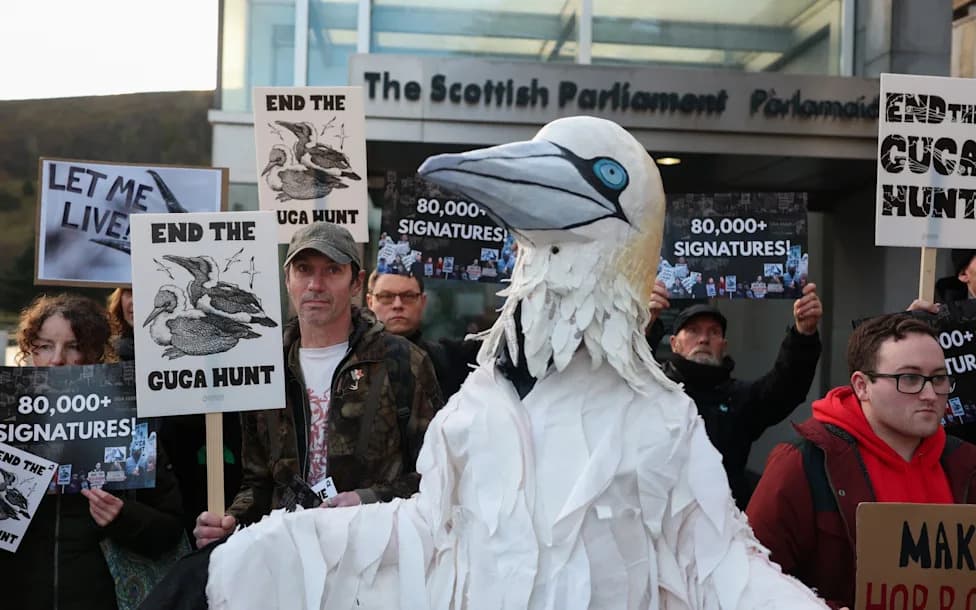
Guga Hunt
NatureScot officials have told the men of Ness they will be barred from harvesting gannet chicks (guga) this year — a move announced before a formal vote is held next week. The decision has reopened a fraught debate about traditional practice, conservation, and the rights of a small Gaelic‑speaking community on the Isle of Lewis.
Background
The annual voyage to the remote rock of Sùla Sgeir to take guga is a practice with centuries of history and local cultural significance. It has been explicitly recognised in UK legislation in Acts of Parliament in 1954 and 1981. In recent years the hunters themselves suspended expeditions from 2022 to 2024 because of avian influenza; when the trip resumed in 2024 the agreed harvest was reduced by the community from roughly 2,000 birds to around 500.
Campaigning, Criticism and Local Response
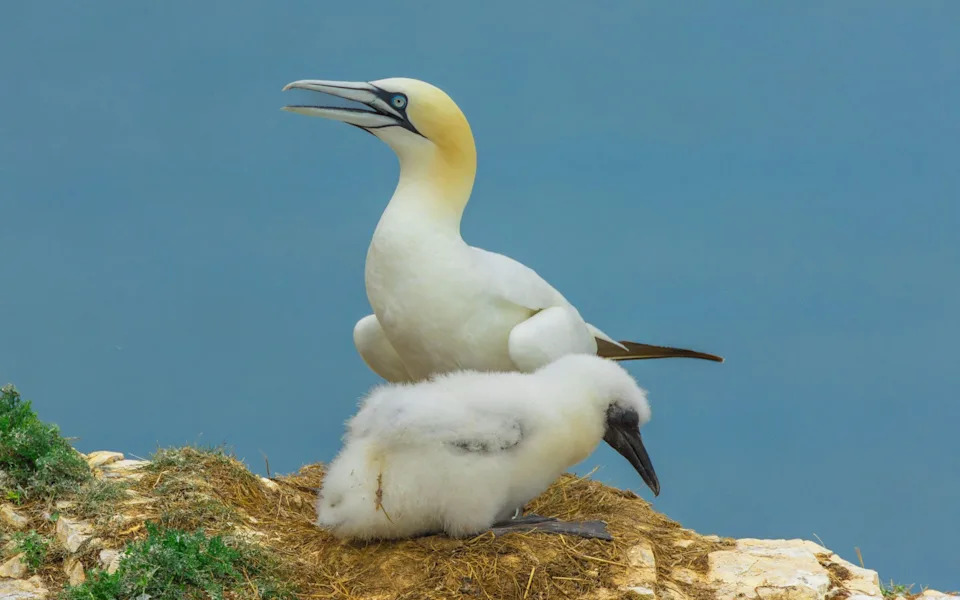
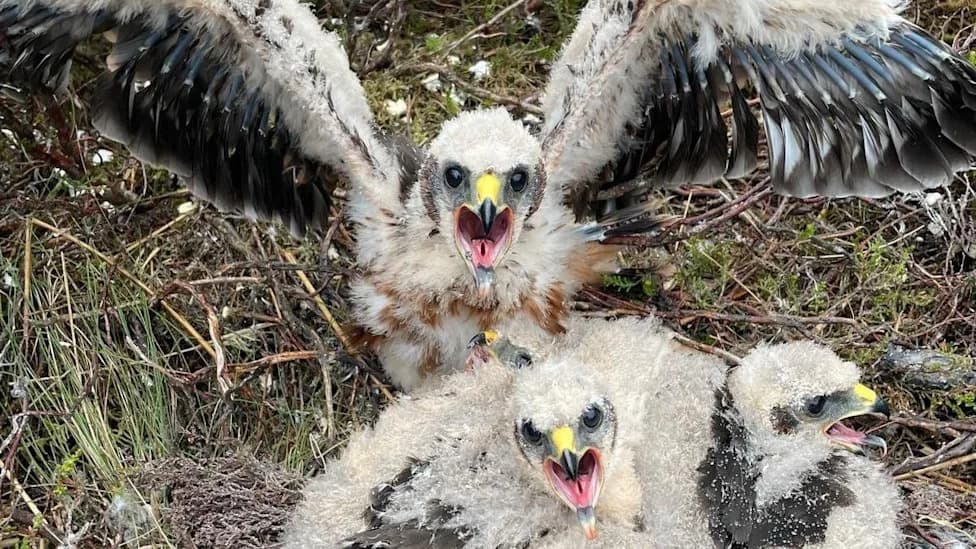
A gannet with its chick, known as a guga - Dales Delight /Alamy Stock Photo
Opposition to the hunt has been vocal and sometimes vitriolic. The group most prominent in campaigning against the guga harvest, Protect The Wild, is structured as a private limited company, and critics say its funding and governance are not transparent. Many mainland activists and signatories to online petitions have publicly condemned the practice; local residents say some of that criticism has crossed into vilification and mockery of a tiny, exposed community of roughly 1,300 people.
“The conquest and control of wild creatures… the assumption that they are there for human taking, is a world‑view rooted in colonisation and upheld by patriarchal values. It is time to choose differently.” — Rebecca Douglas
To many in Ness, the debate feels less like conservation discourse and more like an outside group dictating what a Gaelic community may or may not do. That perception has sharpened tensions and fuelled accusations of cultural colonialism.
Legal And Conservation Issues
NatureScot’s decision may be open to legal challenge. Supporters of the hunt point out that northern gannet populations in Britain are not classified as endangered and increased during much of the 20th century, strengthening potential legal arguments that the tradition can continue under regulated conditions. NatureScot will have to justify its decision against both statutory precedent and conservation evidence if the matter goes to court.
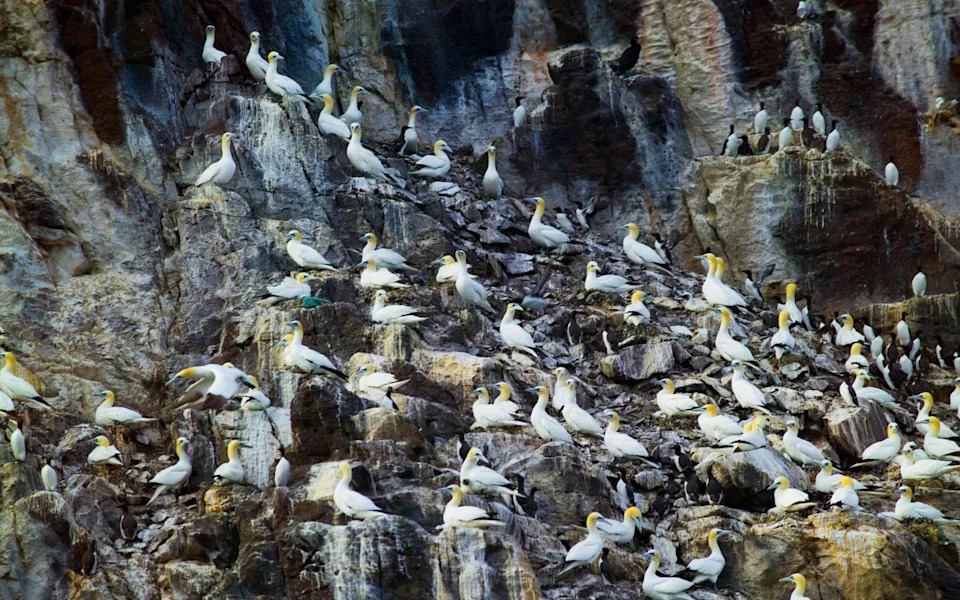
Gannets are not remotely endangered, the population increased steadily throughout the 20th century - paul bock / Alamy Stock Photo
Costs, Security And Wider Local Impacts
The controversy has also had a financial impact: criminal damage to NatureScot’s Inverness offices earlier this year amounted to nearly £6,000, and subsequent security measures and defensive works raised the total public bill to almost £110,000. Locals argue the ban is one element in broader pressures on Western Isles life — from changes to Sunday services and retail opening hours to rising house prices and demographic shifts that threaten Gaelic‑speaking communities.
A Personal Loss
For many islanders the dispute is not abstract. The author relates a personal history: born in Ness in 1940 and having shared ritual guga meals with his late father, he describes the ban as the loss of a final, fragile connection to family and place.
What Happens Next
The formal vote by officials is still pending. The decision and any resulting legal challenges will test how the UK balances cultural tradition, wildlife protection, and community rights. Whichever way it goes, the episode underscores the difficulties of resolving disputes that are simultaneously environmental, legal and cultural.
Help us improve.