A Google Maps image showing three dark shapes in Loch Ness has stirred renewed interest. Julie Fraser, who spotted the objects while planning a trip, says they look significant, while local Nessie hunter Steve Feltham believes they are three canoes with paddlers. Skeptic Donald Prothero calls the photo another blurry, inconclusive sighting, and historians note the long lore of Nessie dating back to St. Columba and the debunked 1934 "surgeon's photograph." The Official Loch Ness Sightings Register reports increased sightings this year.
Google Maps Image Reignites Loch Ness Debate — Local Hunter Says Canoes, Skeptics Call It Inconclusive
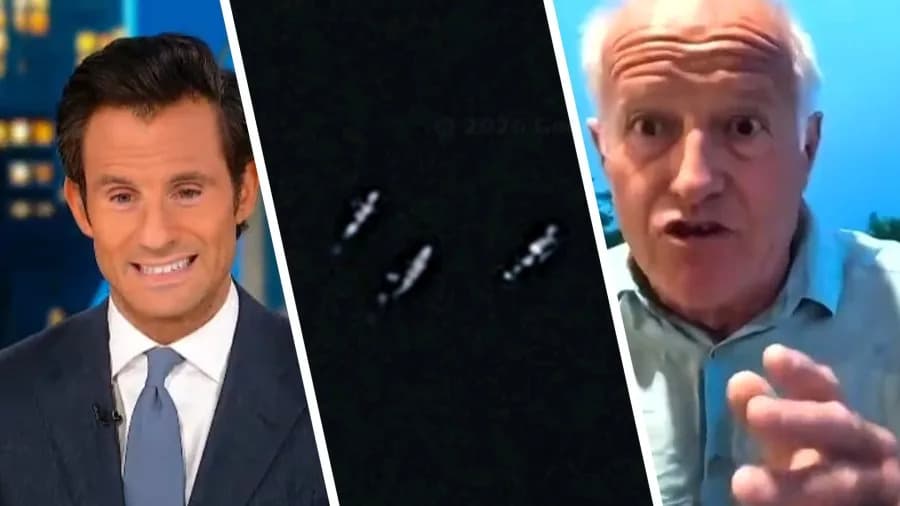
Nessie hunter says Google Maps objects not legendary cryptid
A blurry Google Maps image showing three dark shapes in Loch Ness has renewed debate over the legendary Loch Ness Monster. Tourist Julie Fraser noticed the shapes while researching the Scottish Highlands for an upcoming trip and posted her observation after zooming in on the map.
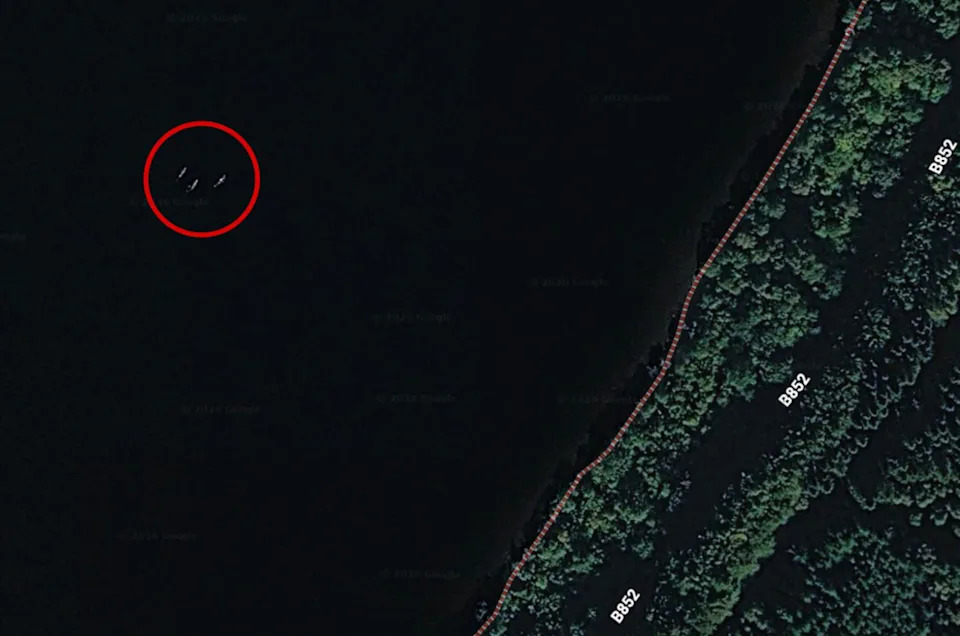
Screenshot of Google Maps image that some claim show three Loch Ness Monsters (Google Maps)
What Observers Are Saying
Fraser told The Inverness Courier that, after enlarging the Google Maps view, the shapes "really do look like a pod of whales." She considered that the objects might be a boat but noted that a clearly visible pleasure craft in another view produced a wake — something the three objects did not display.
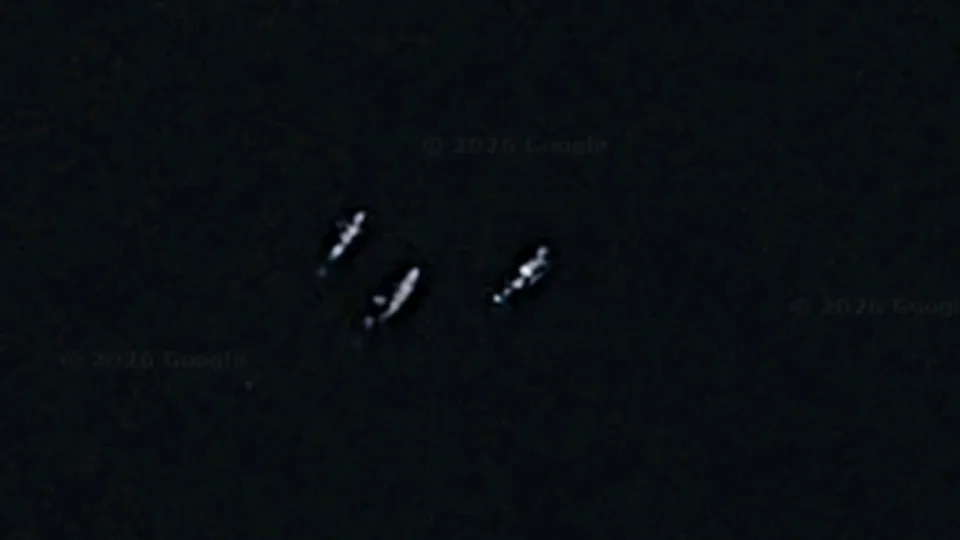
Zoomed in screenshot of Google Maps image that some claim show three Loch Ness Monsters (Google Maps)
"I'm not a crank. I'm not as familiar as probably local people, but it definitely looks like something significant to me," Fraser said.
Steve Feltham, a well-known, full-time Nessie observer who lives by Loch Ness, told NewsNation he believes the image is not of a monster. Feltham said the objects resemble "three Canadian canoes," pointing to small water splashes and protrusions he interprets as paddles and paddlers.
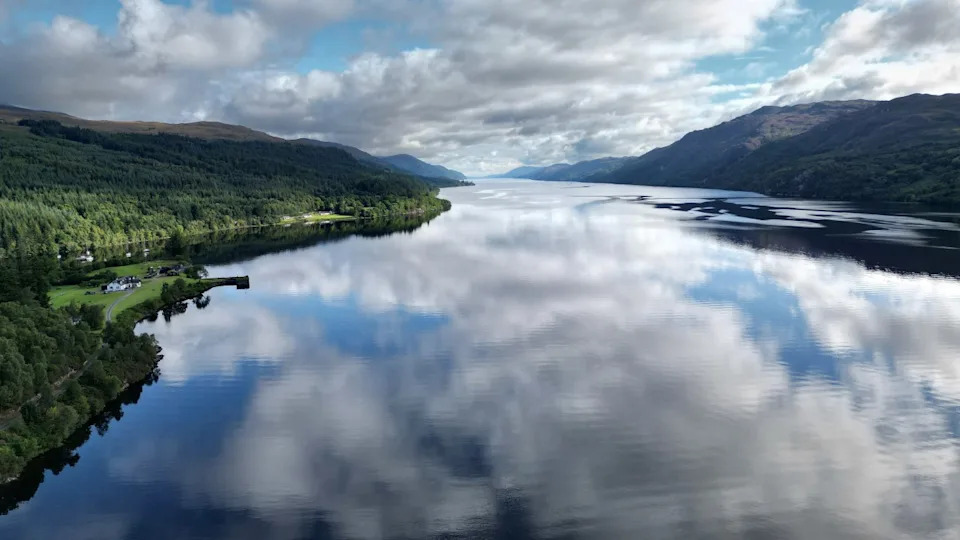
An aerial view of Loch Ness. (Photo by Jeff J Mitchell/Getty Images)
"That photograph, lovely as it is, there is nothing that I've ever seen that looks more like three Canadian canoes," Feltham said. "If you look closely at each canoe, you can see a little protuberance and a splash of water. That's the paddle action. There's two people in each canoe."
Skepticism and Historical Context
Paleontologist Donald Prothero, co-author of Abominable Science: Origins of the Yeti, Nessie, and Other Famous Cryptids, described the image as typical of countless blurry, unverified sightings. He emphasized that scientific proof requires physical remains or other tangible evidence.
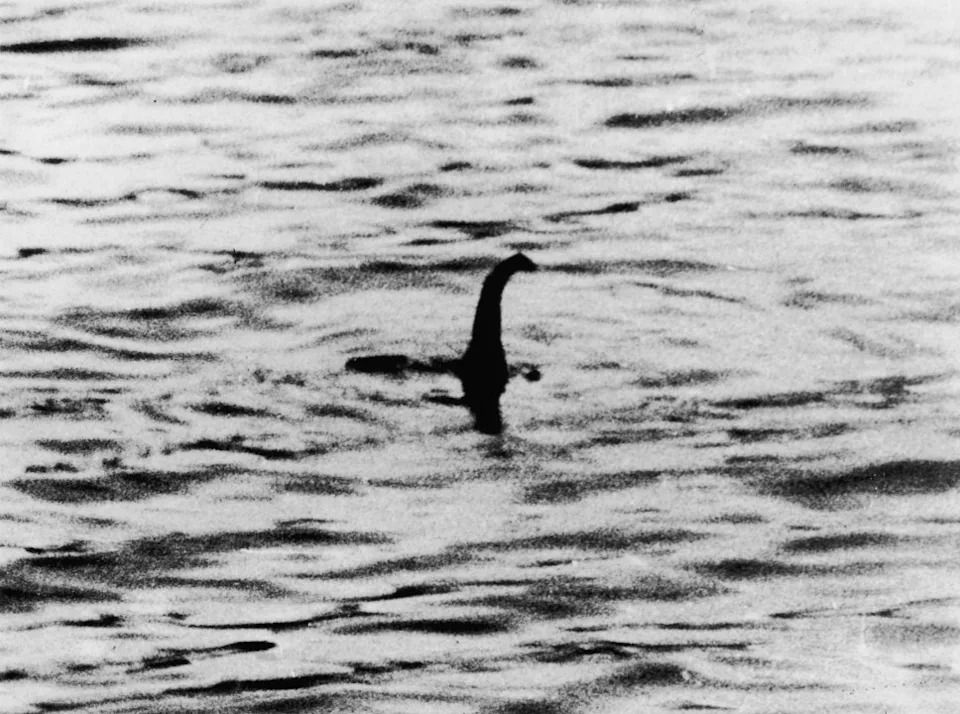
A view of the Loch Ness Monster, near Inverness, Scotland, April 19, 1934. The photograph, one of two pictures known as the 'surgeon's photographs,' was allegedly taken by Colonel Robert Kenneth Wilson, though it was later exposed as a hoax by one of the participants, Chris Spurling, who, on his deathbed, revealed that the pictures were staged by himself, Marmaduke and Ian Wetherell, and Wilson. References to a monster in Loch Ness date back to St. Columba's biography in 565 AD. More than 1,000 people claim to have seen 'Nessie' and the area is, consequently, a popular tourist attraction. (Photo by Keystone/Getty Images)
"Real evidence is actual physical remains that can be touched and seen and protected and so on," Prothero said. "The entire history of the Loch Ness Monster story is one of a combination of lots of people saying what they saw that nobody can really verify and lots of well-known hoaxes."
The Nessie story stretches back centuries. Encyclopedia Britannica notes an early account in a 7th-century biography of St. Columba describing a creature in the River Ness. Public fascination spiked in the 20th century after a 1933 search and the 1934 "surgeon's photograph," an image later admitted to be a hoax staged with a toy submarine and a fake neck.
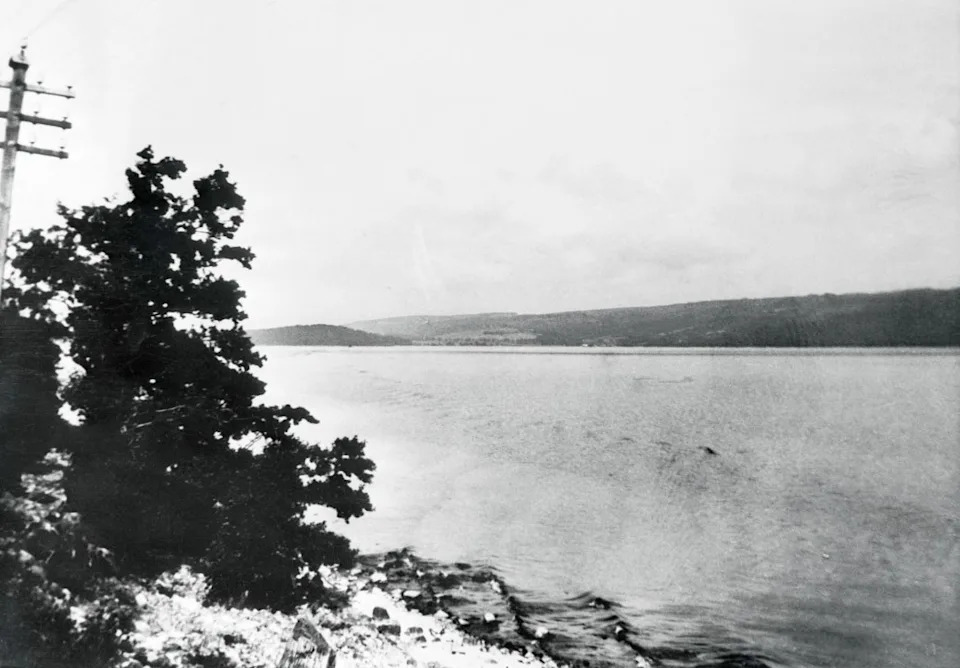
(Original Caption) Authentic Picture of Loch Ness Monster. Scotland: After a four weeks wait the searching party organized by Sir Edward Mountain to seek the Loch Ness monster, has been rewarded. The "monster" had been observed by watchers no less than 21 times. Photographs obtained by the watchers clearly prove the existence of some huge and strange animal in the loch. The above photograph, taken under extreme difficulty, shows the "monster" -- the dark object indicative of a large form beneath the water. (Bettmann/Getty Images)
Despite documented hoaxes and decades of inconclusive evidence, sightings continue. The Official Loch Ness Sightings Register recorded a rise in reports this year, logging 15 sightings so far compared with six in all of 2025.
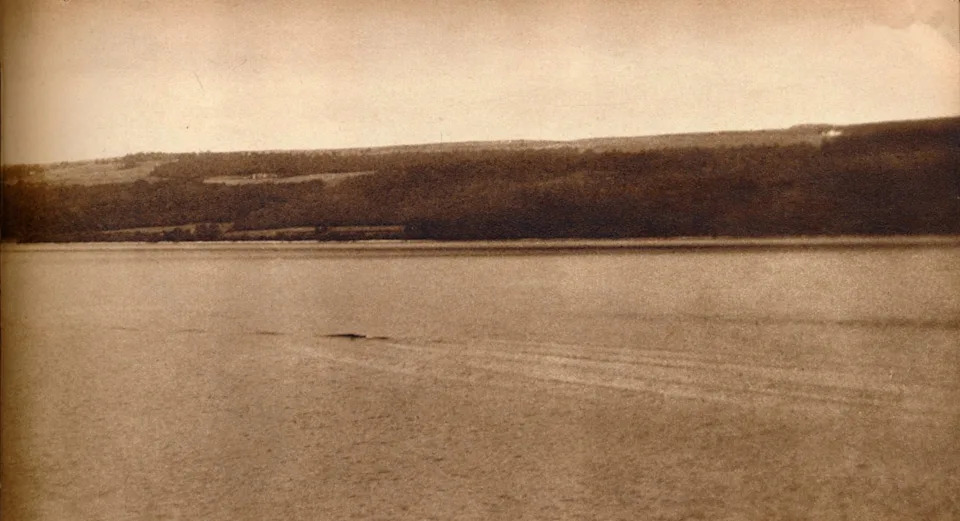
The Loch Ness Monster', 1933, (1938). A photograph purporting to show the Loch Ness Monster (Nessie). From These Tremendous Years 1919-1938. [Daily Express, London, 1938] Artist: Unknown. (Photo by The Print Collector/Getty Images)
Why It Matters
The exchange highlights the divide between eyewitness impressions and scientific standards. For enthusiasts like Feltham and Fraser, unexplained images are worth scrutiny; for skeptics like Prothero, they amount to more noise until verifiable physical evidence appears.
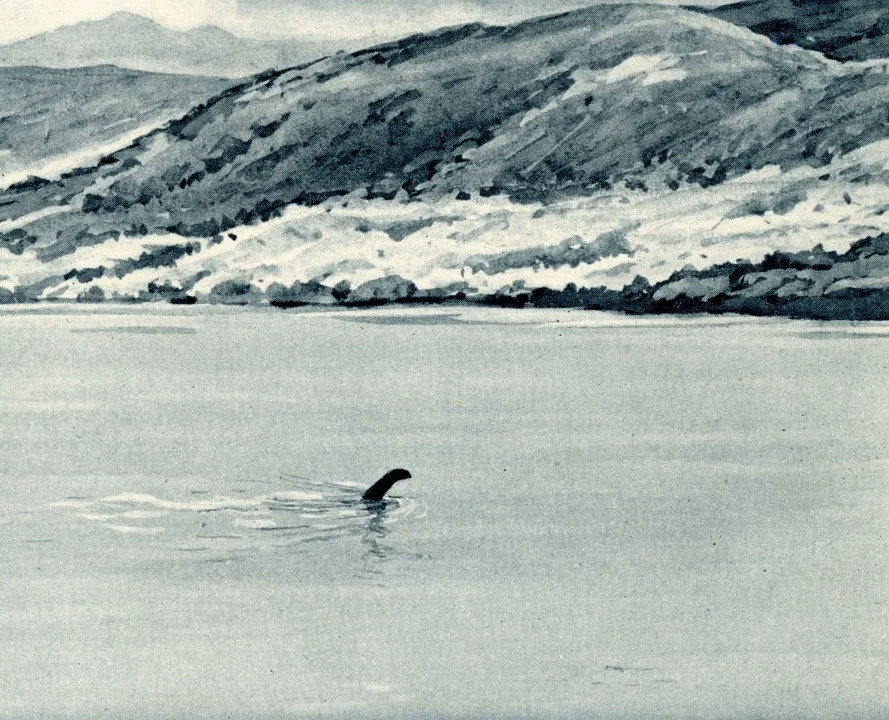
Loch Ness Monster, 1933 illustration The Illustrated London News Silver Jubilee Record Number: King George V & Queen Mary, 1910-1935. London, 1935. (Photo by Culture Club/Bridgeman via Getty Images)
Bottom line: The Google Maps image has prompted curiosity and local debate, but experts say it remains inconclusive — most likely explained by ordinary objects such as canoes until stronger evidence emerges.
Help us improve.