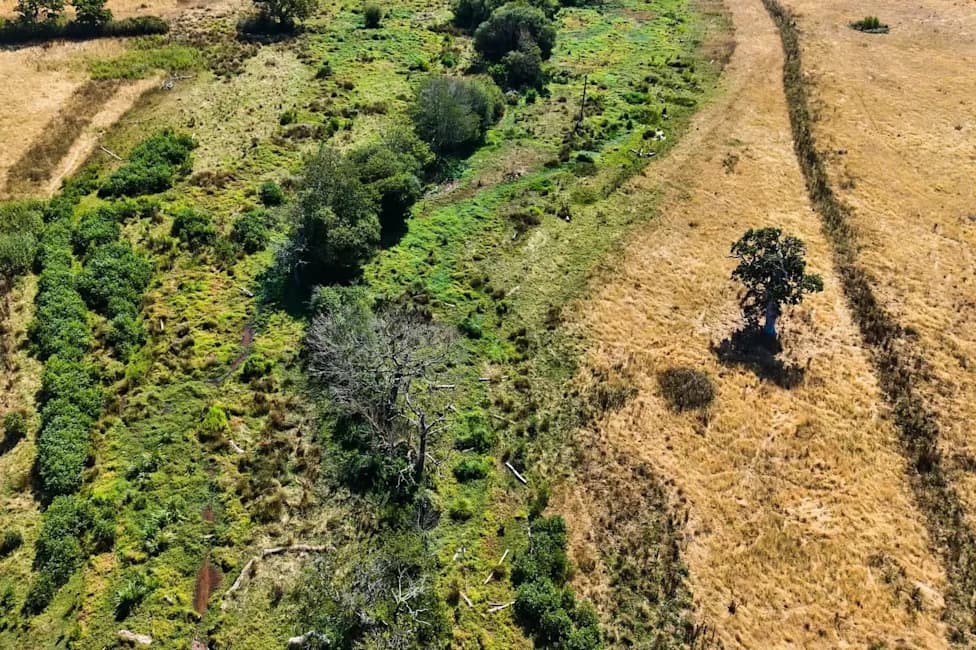
Aerial photos show a vivid green ribbon that survived a wildfire because it follows a beaver dam and wetland. Posted by Louis De Jaeger on July 27, the image illustrates how retained water and saturated soils can act as natural firebreaks. Managers are increasingly protecting wetlands and using low-tech, beaver-like structures to boost landscape resilience, though these measures are not a cure-all.
Beaver Dam Creates a Living Firebreak: Lush Green Ribbon Survives Wildfire
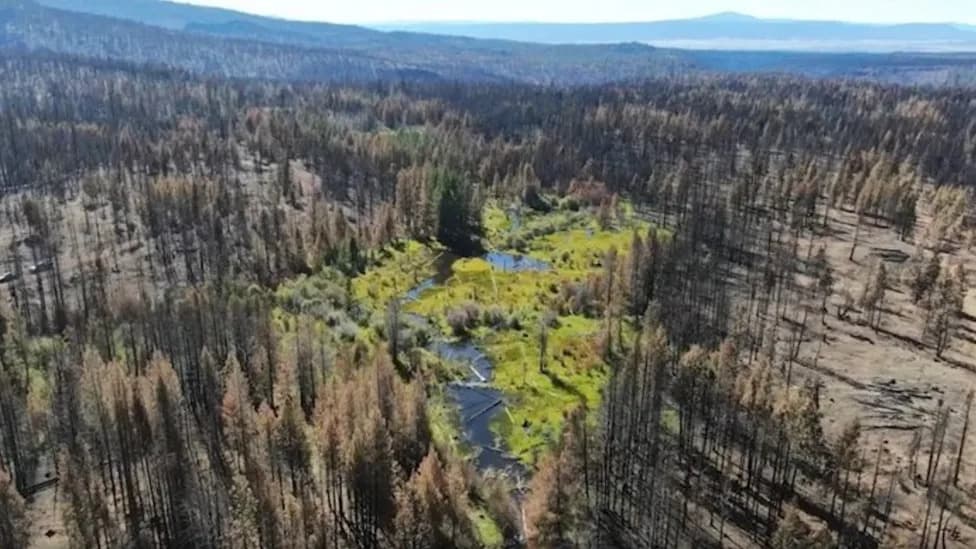
Photo Credit: Instagram
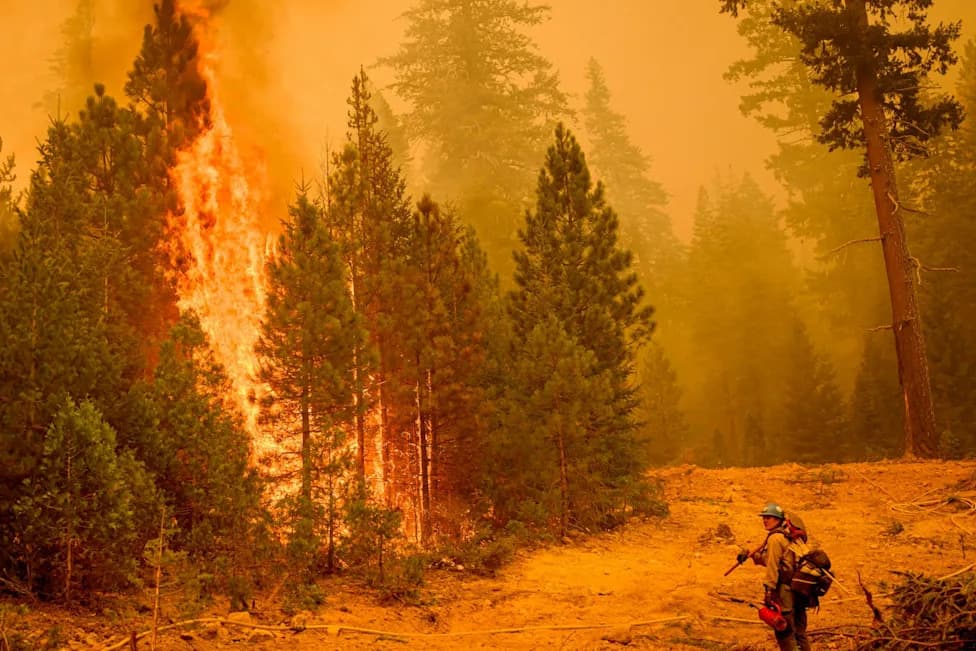
A recent wildfire blackened much of a landscape, yet a striking ribbon of deep green remained intact. Aerial imagery shows that this unburned corridor follows a beaver dam and its associated wetland, underscoring how stored water can protect parts of a landscape from fire.
On July 27, landscape-regeneration creator Louis De Jaeger (@louis.de.jaeger) posted the photograph on Instagram to highlight water's role during wildfire season. As he put it in the post:
Hydrated landscapes don't burn.
The photo shows mostly scorched ground interrupted by a narrow, lush corridor where vegetation and standing water persist. De Jaeger credited João Brites for passing along the image and pointed to a video by Zach Weiss and Nick Steiner of Water Stories for additional context.
Why Wet Areas Resist Fire
Where water lingers on the surface and soils remain saturated, vegetation is less flammable and flames have less fuel to carry. Wetlands and ponds created or maintained by beavers can therefore act as natural firebreaks, slowing fire spread and shielding nearby habitat, soil and water systems.
Beavers as Ecosystem Engineers
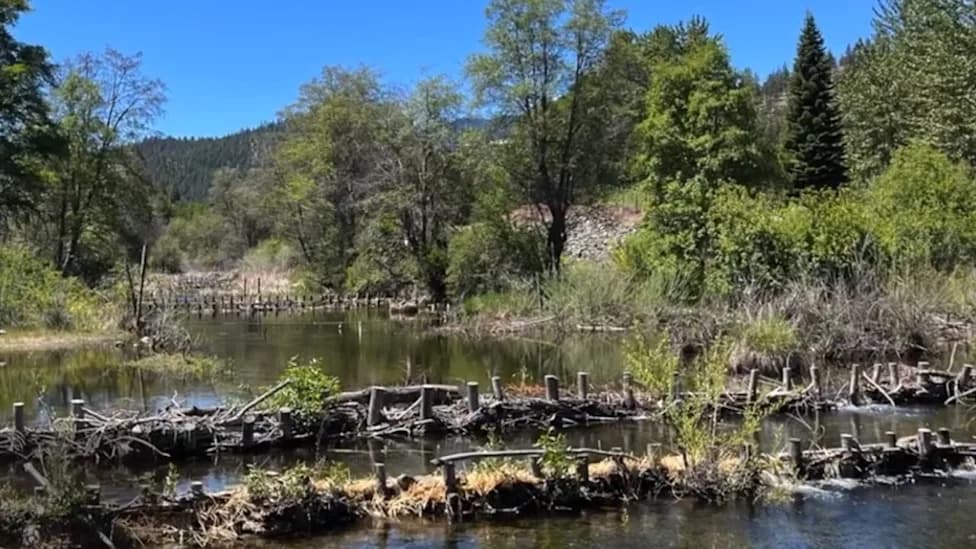
Beavers build dams that create ponds and wetlands, holding water longer, encouraging diverse plant growth and providing refuges for wildlife during dry spells. These wet patches not only help prevent burning during a wildfire but also improve post-fire recovery by reducing erosion and supporting rapid regrowth.
Practical, Nature-Based Actions
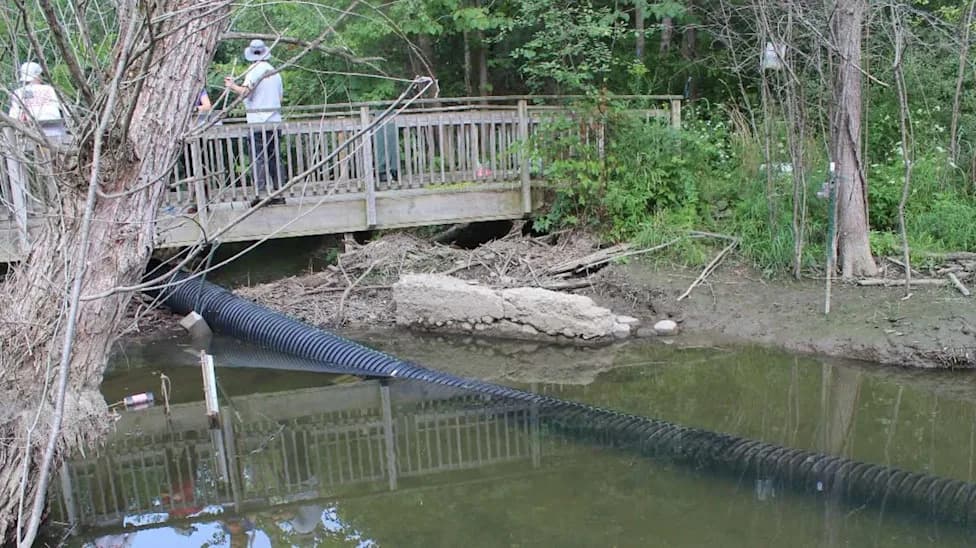
Land managers and restoration groups in fire-prone regions are increasingly recognizing the value of beavers and beaver-like interventions. Actions include protecting existing wetlands, reconnecting streams to floodplains and installing simple low-tech structures that mimic dams (for example, beaver dam analogues or small grade-control structures) to slow water and raise the water table.
These measures are not a universal solution and will not stop every wildfire. However, by retaining more water across a watershed they can reduce fire damage in key locations while also enhancing habitat for birds, fish, insects and other wildlife.
"The beaver didn't know there was a wildfire coming. It just did what beavers do: slow the water down, spread it across the land and keep the ground wet. And that wet ground didn't burn." — Louis De Jaeger
In short, a single beaver dam can provide a powerful, low-cost example of nature-based resilience: keeping water on the land helps protect ecosystems and communities from some impacts of increasing wildfire risk.
Help us improve.