After paying more than $200 monthly for electricity, Sanbornton resident Kevin Riley spent $23,000 on a 5 kW solar system; two years later the system has paid for itself and his monthly bill is about $4. New Hampshire added $6 million in energy assistance, while federal Inflation Reduction Act funds of over $34 million for home electrification have been delayed. Advocates say aid helps in emergencies but is insufficient, and community groups warn some residents turn to dangerous stopgap heating measures.
New Hampshire Homeowner Cuts $200+ Electric Bills to About $4 After Installing Solar
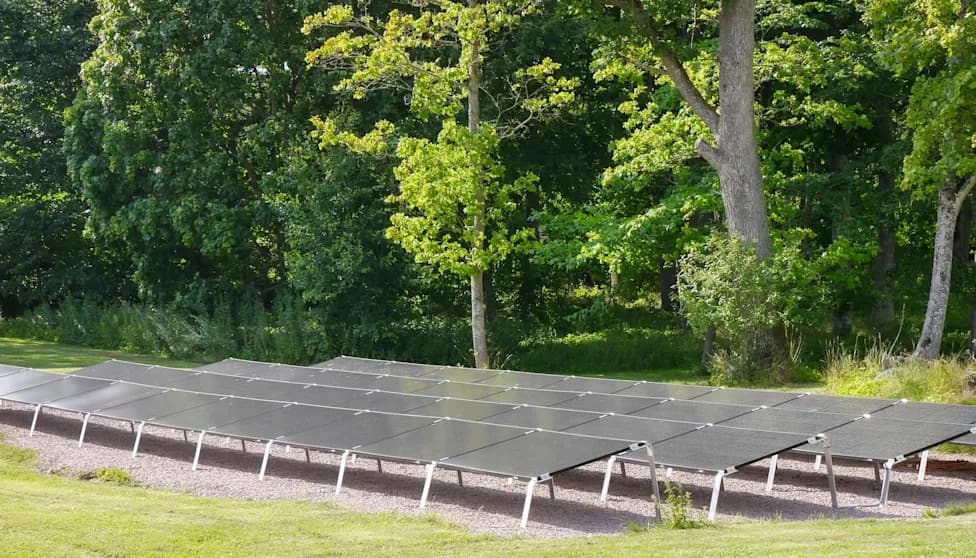
Photo Credit: iStock
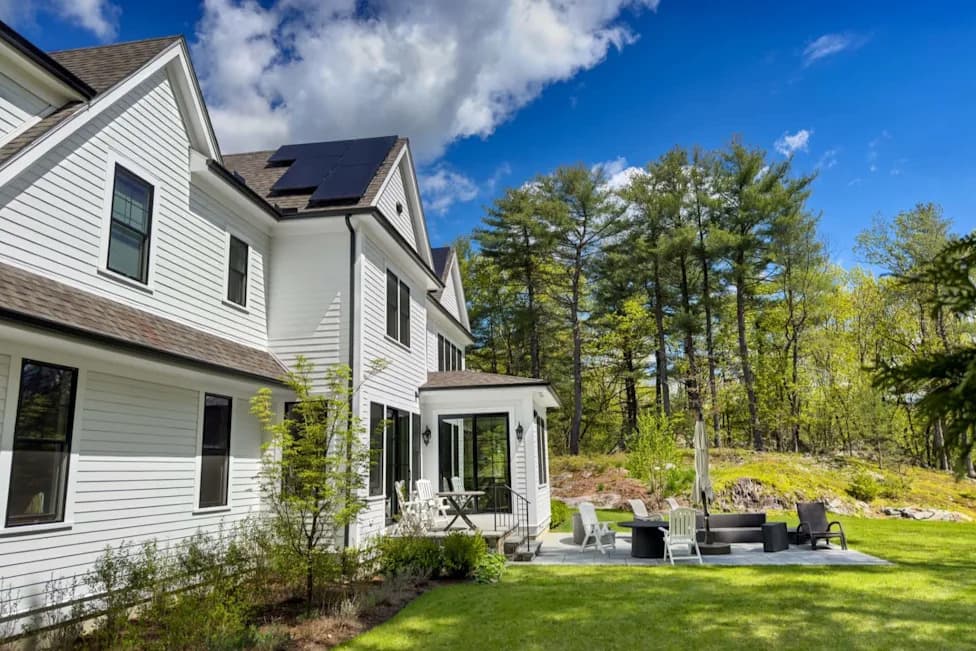
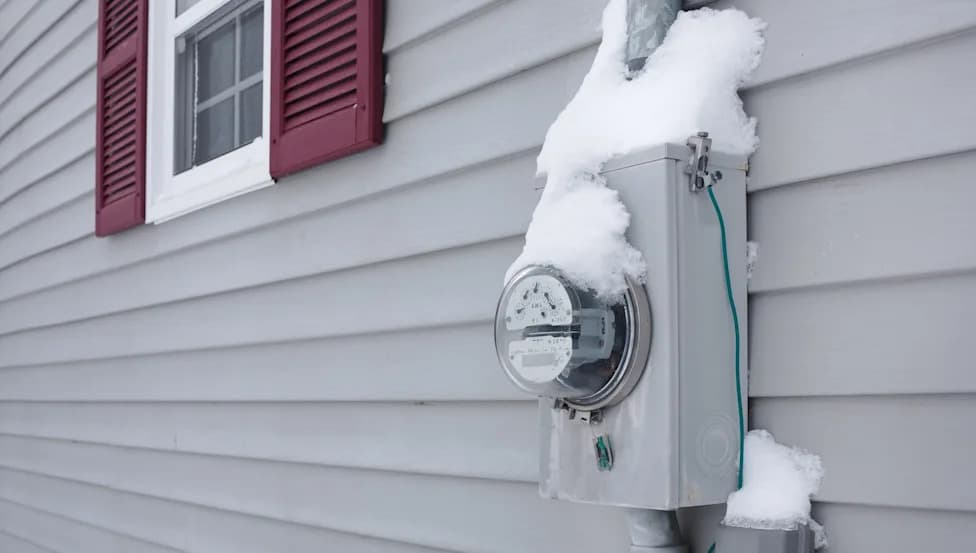
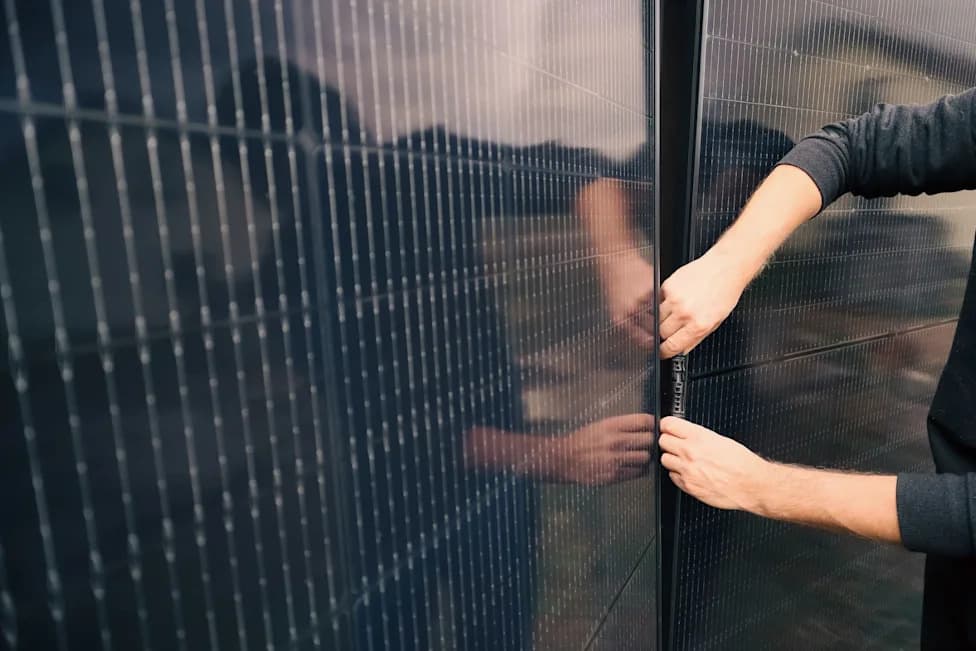
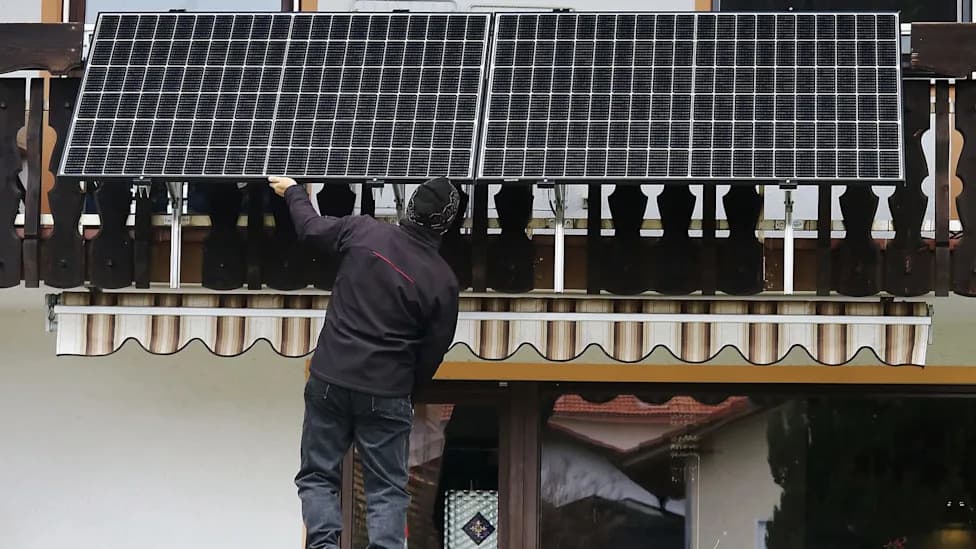
Kevin Riley of Sanbornton, New Hampshire, was paying more than $200 a month for electricity while living on a fixed income. After spending $23,000 from his savings to install a 5-kilowatt (5 kW) solar system, Riley told the Concord Monitor that two years later the system has paid for itself and his monthly electric bill is now roughly $4.
Riley said rising utility costs had become unsustainable — he had even started tapping his 401(k) to pay bills before going solar. "For older folks, it's huge," he said, noting that fixed incomes make it difficult to absorb higher winter and summer energy use as people heat and cool their homes to stay comfortable.
State officials have taken steps to ease the burden. New Hampshire added $6 million in assistance benefits this year. Through the state's Electric Assistance Program, eligible households can receive year-round discounts on electricity bills ranging from 5% to 86% depending on income and household size. The Fuel Assistance Program offers seasonal heating help, with a typical benefit of about $1,045.
Those supports are especially important in a state with some of the nation's highest electricity rates. Approved rate changes that were set to take effect on Aug. 1 are expected to raise typical monthly bills by approximately $6 to $18, according to New Hampshire Public Radio.
Advocates say that while these programs provide critical relief, they are not enough to protect households already stretched by housing, food and transportation costs. "It's critical, but it's not enough," said Sarah Kelly, director of Dartmouth College's Energy Justice Clinic, to the Concord Monitor. She emphasized that most aid programs are designed to respond to emergencies rather than fully shield families from ongoing energy cost burdens.
Community groups warn that without sufficient help, some residents resort to dangerous short-term measures. Mary Congoran of the Contoocook Carry Community Fund said some people burn diesel or leave oven doors open for heat during winter — practices that can create serious health and safety risks.
Community action agencies are distributing fuel aid and have opened applications for priority groups, including older residents, families with children under 6, and households that have already experienced heating emergencies. Emergency applications are also being accepted. Michael Tabory, chief operating officer at the Community Action Program, urged residents not to assume they won't qualify: "People should apply because there is a possibility they're eligible even if they don't think they are."
Federal funds from the Inflation Reduction Act could expand options in the future. New Hampshire received more than $34 million for the Home Electrification and Appliance Rebates Program and the Home Efficiency Rebates Program, which are intended to help households pay for efficient appliances and home upgrades, but distribution delays have slowed access to this support.
"Everybody deserves to have a safe place to live — clean, dry — and food to eat and good medical care. It's a right. It's not a privilege," Riley said.
Riley said the delays in distributing federal and local incentives are frustrating, but he hopes future programs will make solar and other efficiency upgrades more accessible to households that need them.
Help us improve.