BNEF now projects U.S. hyperscale data centers could consume about 194 GW by 2035—roughly 20% of national electricity use. A growing grassroots environmental movement has already blocked or delayed dozens of projects and spurred 300+ local moratoriums, prompting state pauses, tariff proposals, and other policy responses. Broad, bipartisan public concern and renewed local civic engagement are driving momentum for guardrails to protect climate, water, air quality, and household energy bills.
How A Grassroots Environmental Movement Is Rewriting The AI Data Center Boom
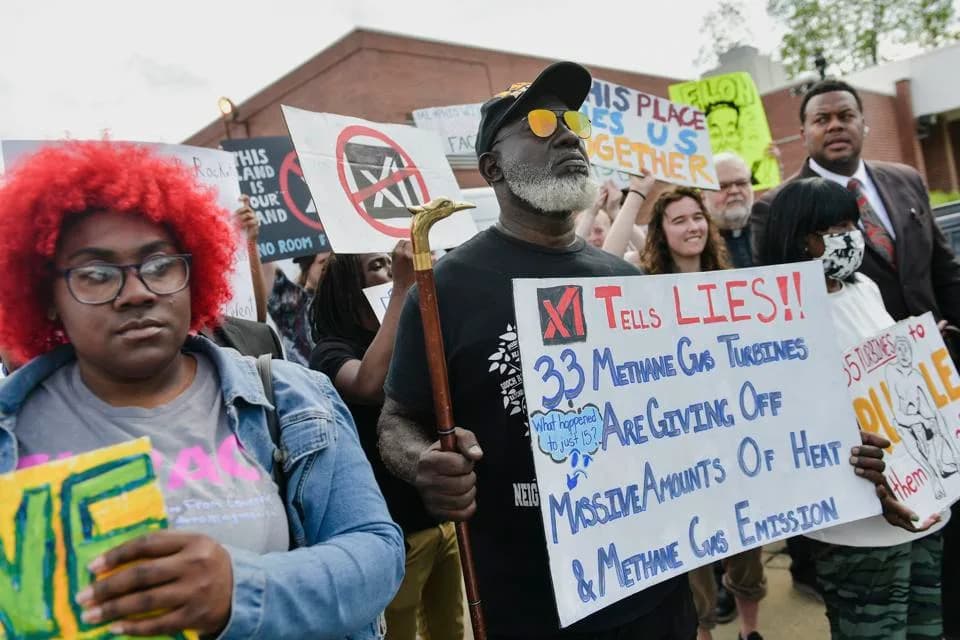
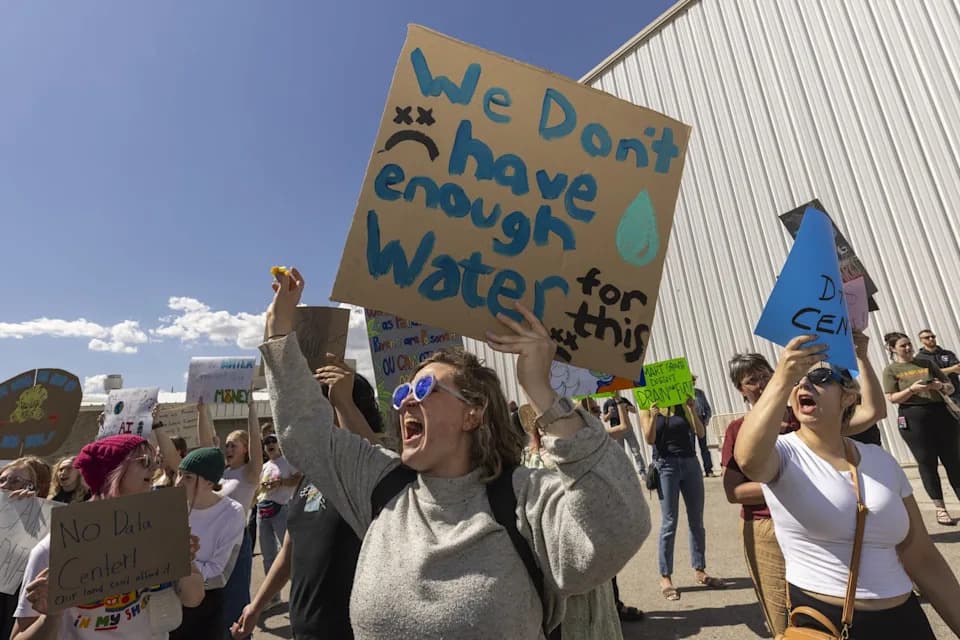
MEMPHIS, TN - APRIL 25: Demonstrators rally in opposition to a plan by Elon Musks's xAI to install gas turbines at a new data center complex in Memphis, TN. (Photo by Brandon Dill for The Washington Post via Getty Images)
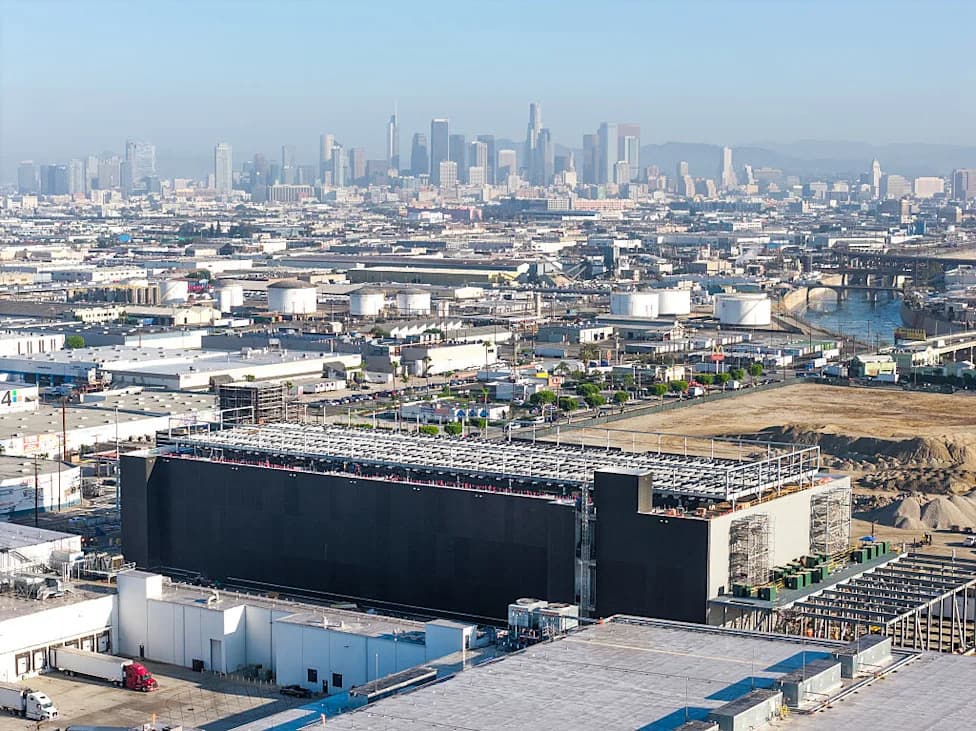
Bloomberg New Energy Finance (BNEF) recently revised its outlook, projecting a dramatic expansion of hyperscale data centers in the United States over the next decade. BNEF now expects electricity demand from data centers to reach about 194 gigawatts by 2035—an 83% increase from its forecast eight months earlier. To put that number in perspective, 194 GW would represent roughly 20% of U.S. electricity consumption, comparable to the combined output of nearly 194 typical nuclear reactors.

Ohio Governor Mike DeWine is among the Republican governors that have shifted their positions on data centers in response to environmental and cost concerns voiced by constituents. (Bill Clark/CQ-Roll Call, Inc via Getty Images)
Why This Matters
The rapid buildout of energy‑intensive facilities has already produced tangible local and regional consequences. Fast‑tracked approvals over the last three years contributed to strained freshwater supplies, localized air and water quality concerns, and shifting electricity costs from tech companies onto household ratepayers. Without timely policy guardrails, advocates warn the expansion could create long‑lasting environmental and affordability harms.
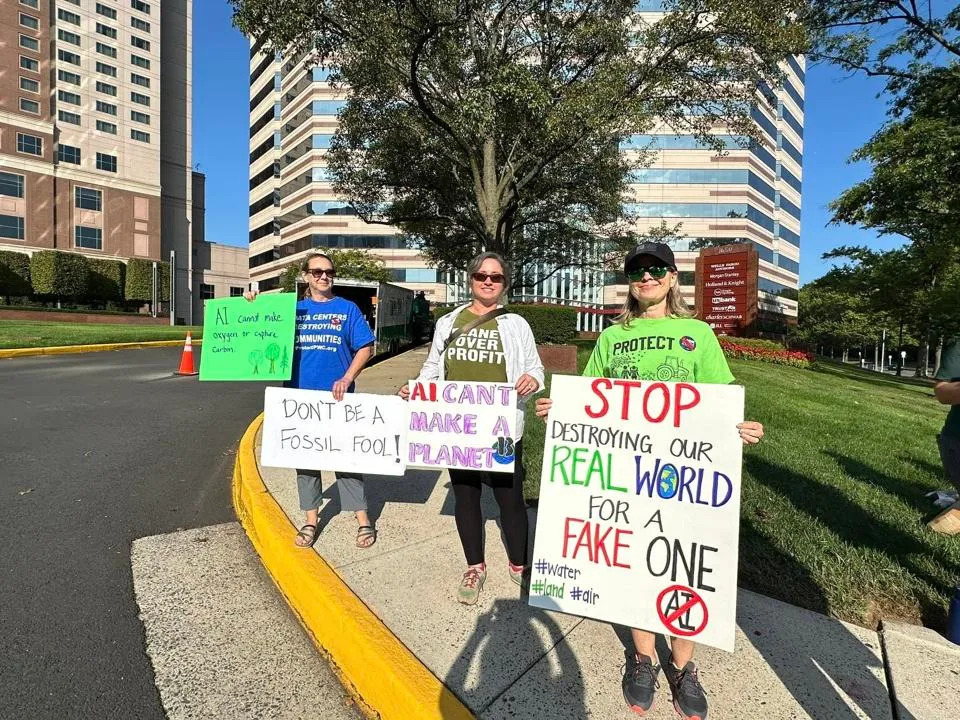
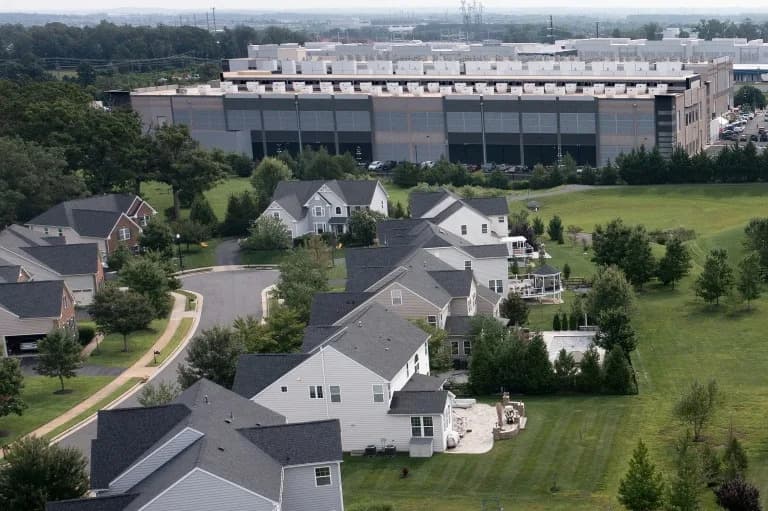
Volunteers with Coalition to Protect Prince William County expressing their concerns about harmful impacts of data centers in their communities.
People Power: Policy Wins and Delays
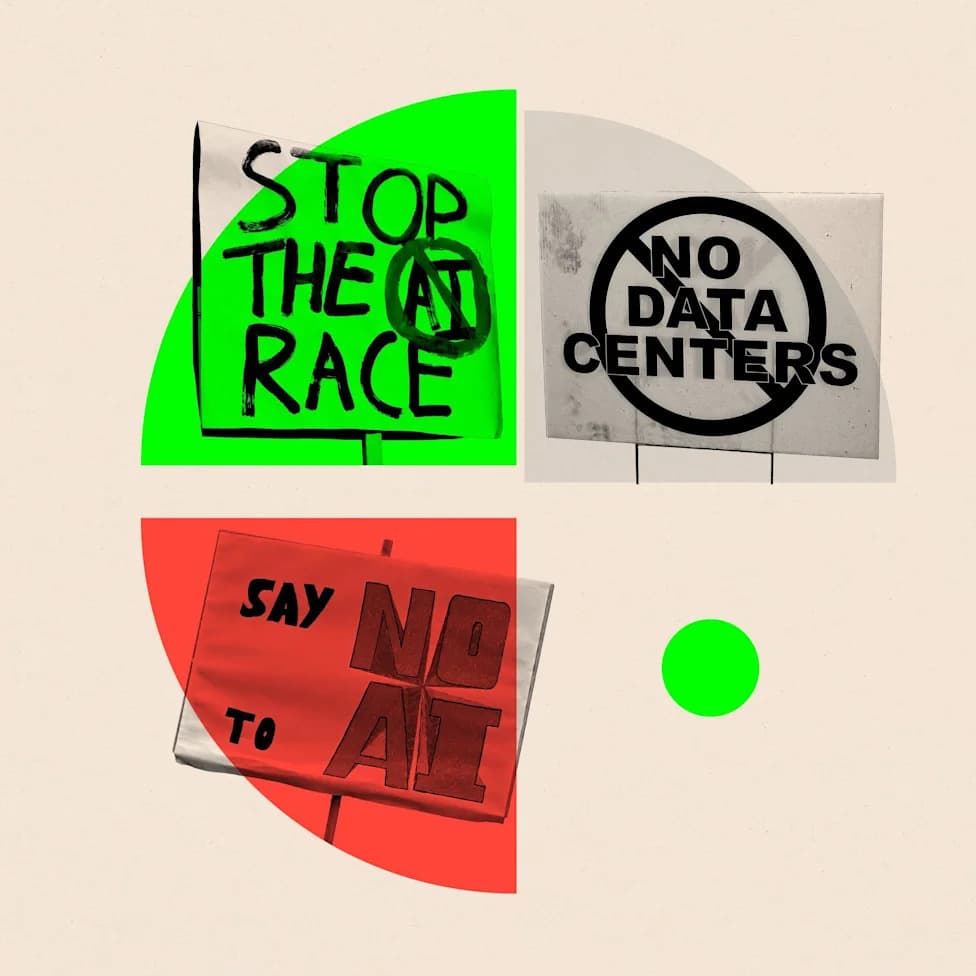
A newly energized, citizen‑led environmental movement has begun to push back—and win. Research group Data Center Watch reports that in the first three months of 2026 advocates blocked or delayed at least 75 data center projects nationwide, roughly $130 billion worth of development—matching the total for all of 2025. More than 300 local bans and moratoriums on new data center construction have been enacted across the country.

Willie Nelson is among those expressing concern about data centers' impacts on the environment, recently publishing an open letter stating that "America deserves thoughtful stewardship ... not data centers that only destroy the environment around them." Photo from his performance during Farm Aid in September 2023 in Noblesville, Indiana. (Photo by Gary Miller/Getty Images)
Those local campaigns have translated into state‑level action: New York implemented a statewide moratorium on new data centers, several states have paused tax incentives and permit processing for new facilities, and regulators in 37 states have approved or proposed 104 large‑load tariffs intended to prevent cost‑shifting to ordinary electricity customers.

The defeat of J. Stuart Adams, president of the Utah State Senate, in the 2026 Republican primary has been attributed to his championing of a massive proposed data center without any serious effort to engage the public.
Grassroots Organizing In Action
The movement is predominantly bottom‑up. Longstanding community groups and volunteer coalitions—such as the Coalition to Protect Prince William County in Virginia—have combined local knowledge, persistence, and coalition building to block large proposed complexes and protect regional air and water resources. These victories demonstrate how sustained local organizing can influence land‑use outcomes and preserve quality of life.
"One of the largest expansions of people recognizing their power," said Abre' Conner of the NAACP, describing the wave of community activism shaping the public conversation.
Bipartisan Concern—and Civic Renewal
Polling shows broad concern across the political spectrum about the environmental and economic impacts of AI data centers. A May 2026 Gallup survey found seven in 10 Americans oppose building AI data centers in their local area, while a June 2026 Reuters/Ipsos poll reported 77% of Americans worry such facilities will drive up electricity costs. Additional surveys from Data for Progress and other pollsters show strong support for local moratoria among Democrats, Independents, and a majority of Republicans.
The surge in public participation at county and municipal meetings—documented by observers and echoed by BNEF analysts—suggests a revitalization of civic engagement at the local level. In some places that energy has even affected electoral outcomes when voters replaced officials perceived as dismissive of public input on large development projects.
What Comes Next
Given the scale of the projected buildout—which some describe as the largest private infrastructure project in U.S. history—policymakers face a choice: accelerate development without new constraints, or adopt guardrails that protect climate stability, local natural resources, and household budgets. The rising, cross‑ideological environmental movement provides political cover and momentum for the latter option. As communities and regulators weigh tradeoffs, the evolving debate will shape how AI infrastructure is sited, paid for, and governed.
This article was originally published on Forbes.com.
Help us improve.