Researchers working in the Chagos Archipelago found that invasive rats on islands shift nearby reef communities from tiny cryptobenthic fishes (like gobies and triplefins) toward a dominance of small invertebrates. On rat-free islands, cryptobenthic fish biomass was more than five times that of small invertebrates. The mechanism starts with seabirds: rat-free islands have about 760 times higher seabird densities, and seabird guano delivers nutrients that support fish-dominated reef food webs. Removing rats and restoring seabird colonies can help rebuild these nutrient flows and strengthen reef resilience.
Island Rats Are Rewiring Coral Reef Food Webs — Tiny Fish Lose Out
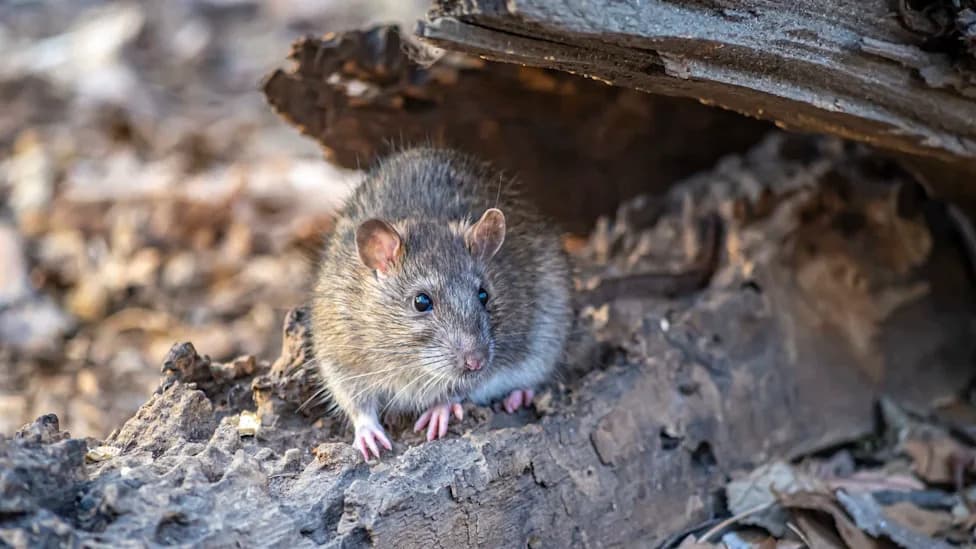
Photo Credit: iStock
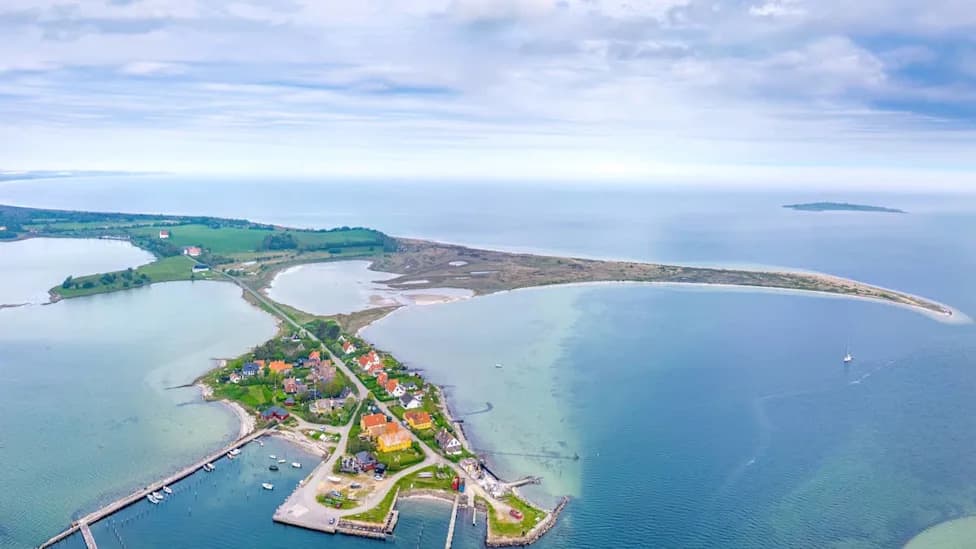
In the Chagos Archipelago, invasive rats on islands are triggering a chain reaction that reaches from shorelines down to nearby coral reefs.
What the Study Found
Researchers from Lancaster University and the University of Texas analyzed reef cryptofauna — the tiny fishes and invertebrates that live within coral and on the seafloor — in a study published in Ecology. Comparing reefs adjacent to rat-free islands with reefs next to rat-infested islands revealed consistent, ecosystem-wide differences tied to the presence of rats.
Key Results
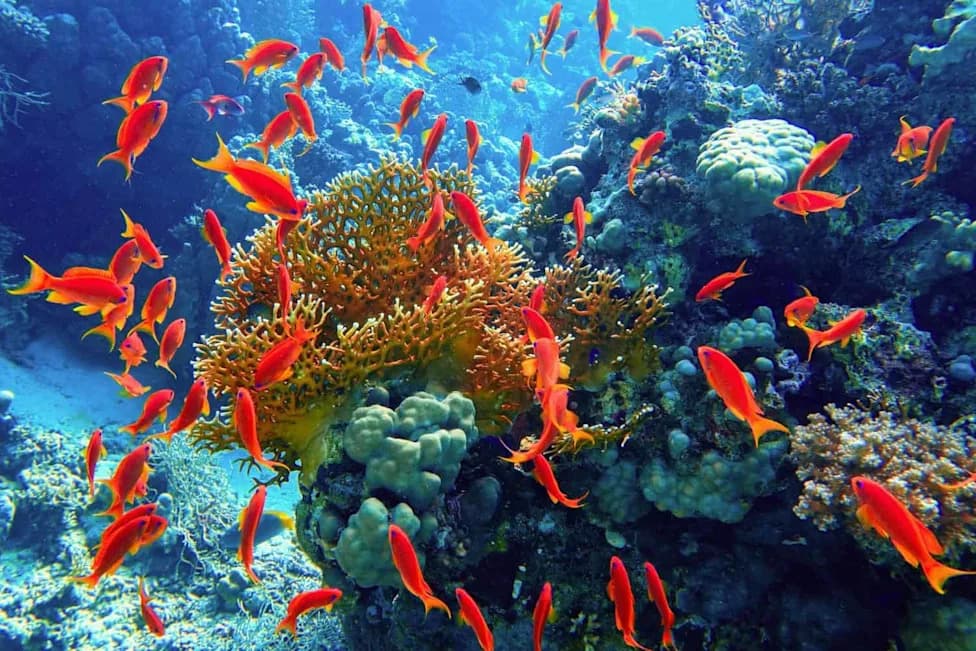
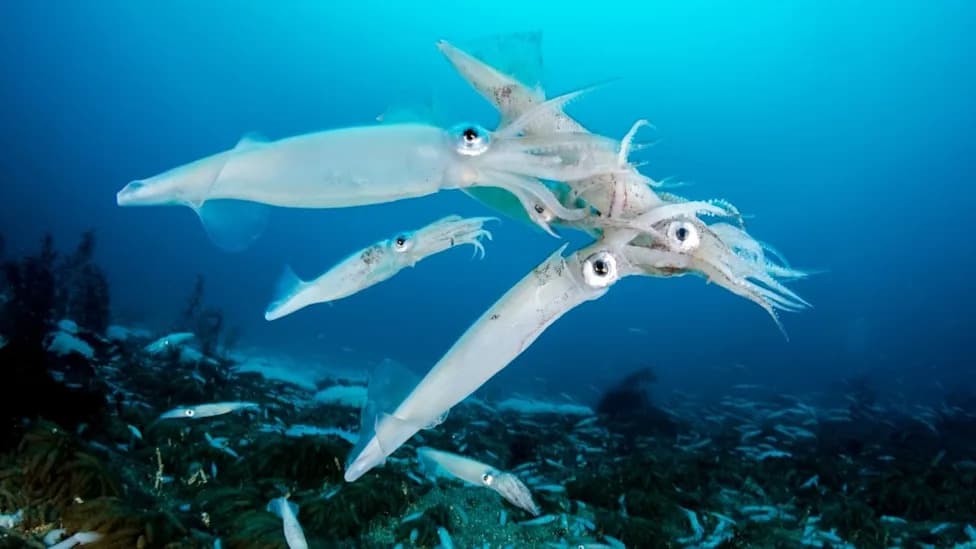
On islands with rats, small invertebrates made up a much larger share of reef biomass. By contrast, reefs beside rat-free islands were dominated by minute cryptobenthic fishes such as gobies and triplefins: their combined biomass exceeded that of small invertebrates by more than fivefold.
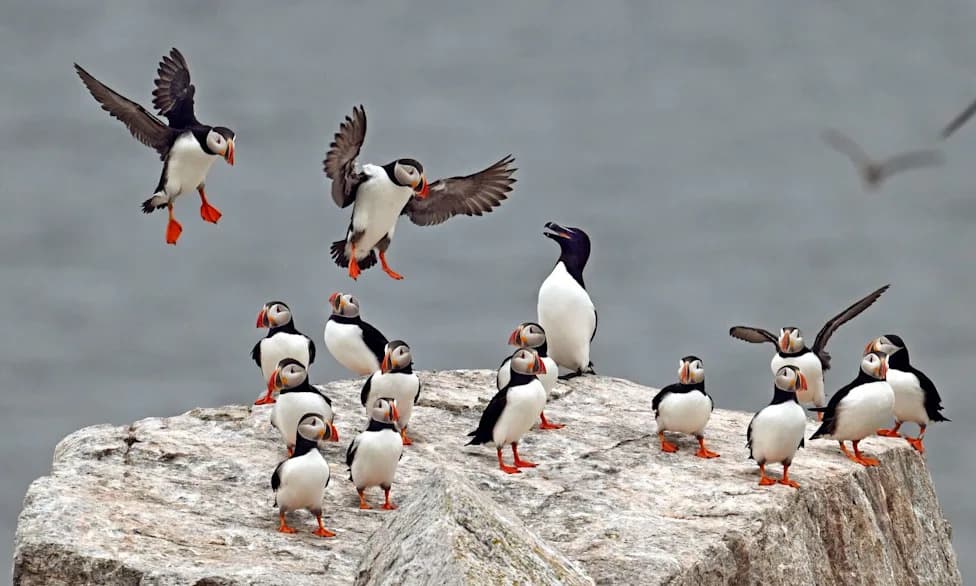
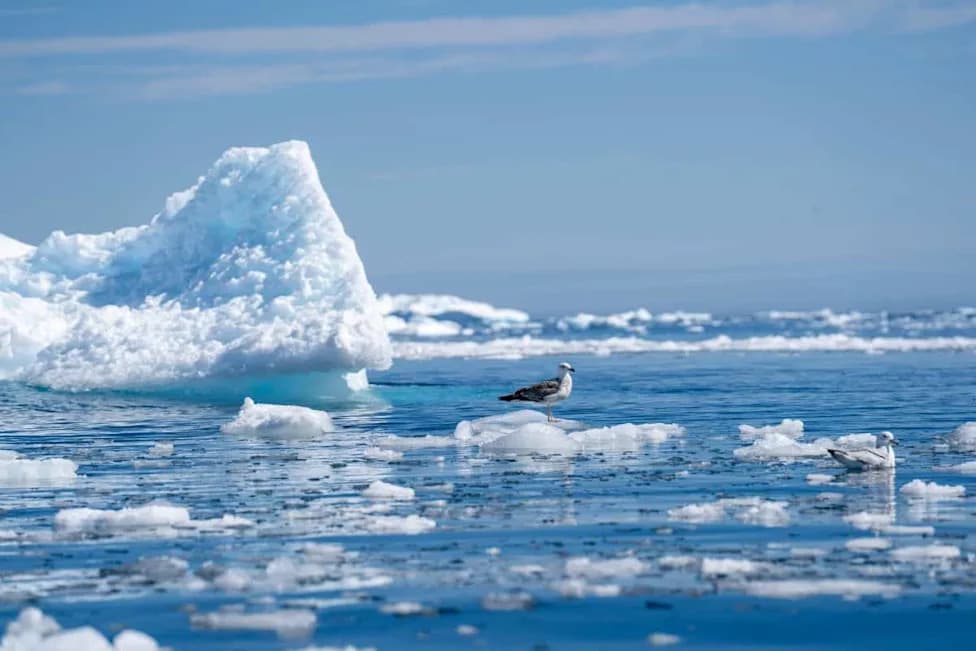
The researchers trace this shift to seabirds. Invasive rats reduce seabird populations by preying on eggs, chicks and sometimes adult birds. Islands without rats supported seabird densities roughly 760 times higher, and the birds’ guano delivers important nutrients from land to nearby reefs.
Why It Matters
These small, often overlooked animals play a crucial role in moving energy through marine food webs. When the balance between cryptobenthic fishes and invertebrates changes, effects can cascade upward to larger reef fishes and alter overall ecosystem functioning. Because coral reefs support food systems, local livelihoods and coastal resilience, weakening reef food webs reduces the reefs’ capacity to recover from other stresses.
Conservation Implications
Removing invasive rats and protecting or restoring seabird colonies can help re-establish the natural nutrient flows that nearby reefs depend on. The study highlights that invasive-species control on land can produce benefits far beyond the shoreline; conservation planning should integrate island wildlife protection, nutrient cycling and reef management rather than treating reef health in isolation.
Study location: Chagos Archipelago — a group of about 60 islands in the central Indian Ocean.
Bottom line: Protecting seabirds and removing invasive rats can restore the nutrient linkages that favor tiny reef fishes and strengthen reef ecosystems.
Help us improve.