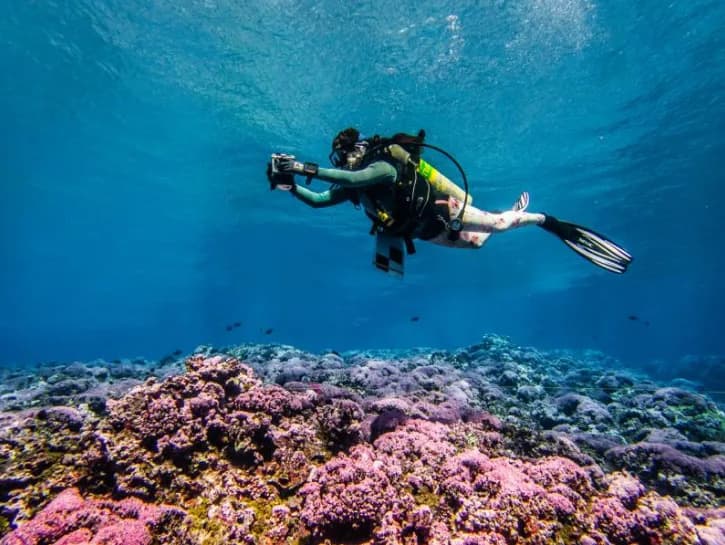
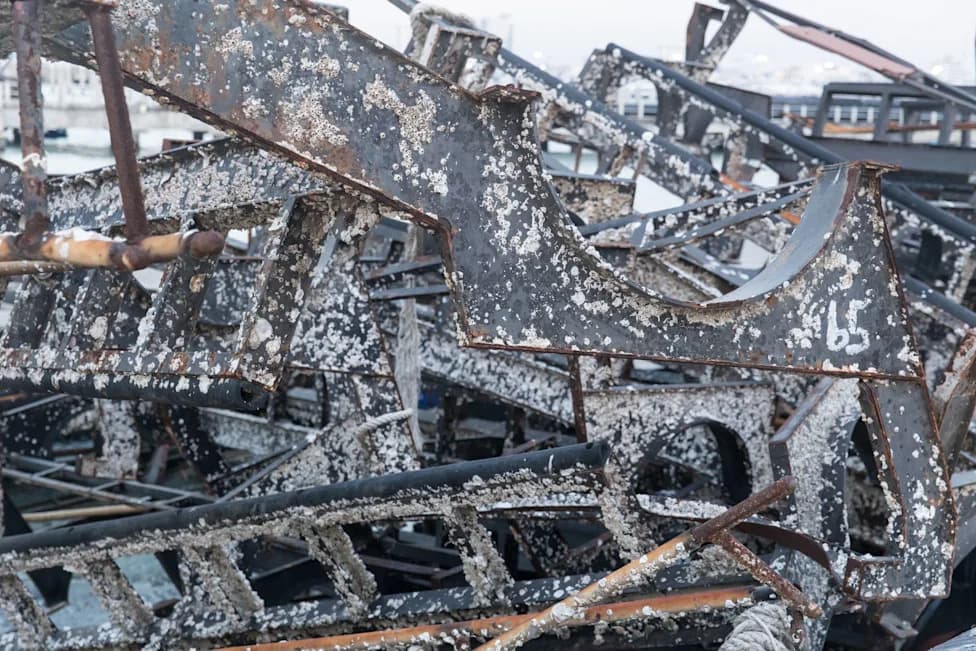
Samsø, the Danish island known for pioneering renewable energy, is restoring seabed habitat that was stripped by centuries of stone fishing. Between 1900 and 2000 about 21 square miles of seafloor near Samsø were cleared of stone, and roughly nine million tonnes were removed from Danish waters before a 2010 ban. The island has deployed BARREEF, a 100-meter artificial reef built from ~6,000 metric tonnes of Norwegian granite, to rebuild habitat and shield the coast. Early studies suggest reef restoration can trigger rapid increases in fish populations.
Samsø's Second Act: How a Renewable Island Is Rebuilding Its Lost Seabed
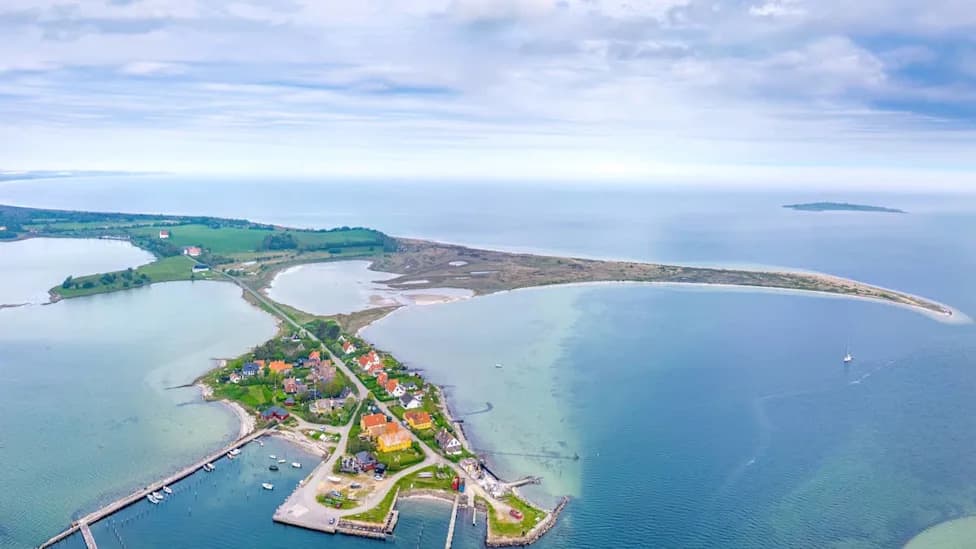
Future Forward: The Renewable-Powered Island Rebuilding Its Seabed
After earning global recognition as the world’s first renewable-energy island, Samsø in central Denmark is tackling another environmental challenge: restoring seabed habitat lost to centuries of stone fishing. Rather than asking where the fish have gone, islanders now ask where the habitat went.
From Glacial Boulders to a Barren Seafloor
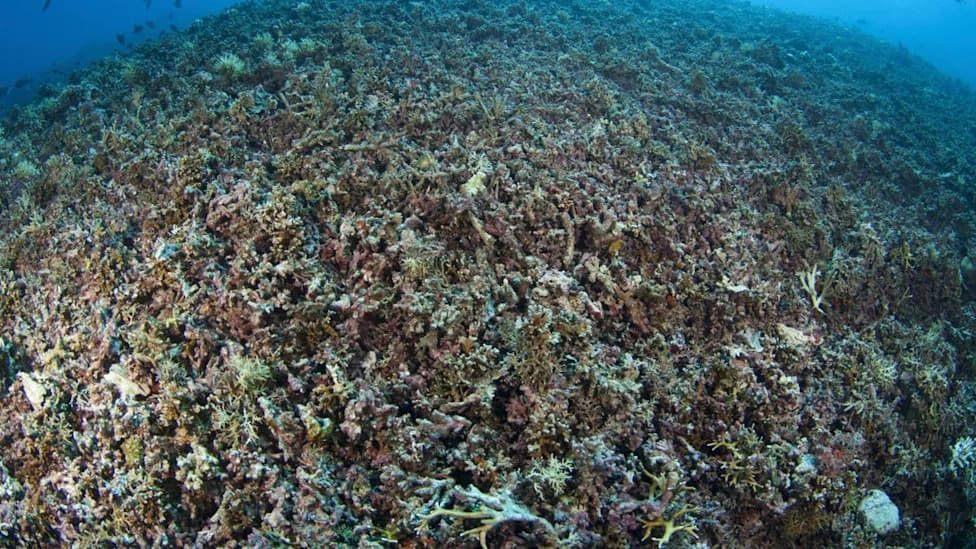
During the last ice age, glaciers left billions of boulders across Northern European seabeds, creating the hard, rocky substrate that seaweeds, mussels and many fish species depend on. Over the last few hundred years, however, stone fishing removed much of that natural structure. Off Samsø, an estimated 21 square miles of seafloor were stripped of stone between 1900 and 2000.
“When I was a child, we could fish straight from the beach,” native Michael Kristensen told Adventure.com. “As I grew older, I realized that this was no longer possible because marine habitats had been depleted by stone-fishing.”
By the time stone fishing was banned in Denmark in 2010, roughly nine million tonnes of rock had been removed from Danish waters. For an island widely celebrated for renewable energy, the depleted seabed presented an unexpected and pressing conservation problem.
BARREEF: An Old Idea With New Purpose
Samsø responded by revisiting a proven conservation tool: artificial reefs. The flagship project, BARREEF, is a 100-meter-long structure built from about 6,000 metric tonnes (roughly 6,600 US tons) of Norwegian granite and installed off the coast near the harbor village of Ballen. The reef is designed to provide hard substrate for seaweeds, mussels and other marine life to recolonize while also buffering the vulnerable coast from storm damage.
Dual purpose: BARREEF aims both to jump-start ecological recovery and to strengthen coastal protection for local communities.
Rapid Ecological Response
Early monitoring and related restoration projects suggest the ecological benefits can be substantial and fast. A study published in the Journal of Applied Ecology reportedly found cod populations rising by 60 to 129 times within five to six months after reef restoration—an illustration of how quickly species can return when essential habitat is restored.
BARREEF is part of a broader Danish programme to restore rocky marine habitat around the country. The approach combines simple, well-understood engineering with ecological goals: provide the physical structure the ecosystem needs, allow time for recolonization, and protect both marine life and coastal communities.
Looking Ahead
Samsø’s seabed project shows how islands and coastal communities can pair renewable-energy leadership with active habitat restoration. Provide an ecosystem with the substrate it needs and the opportunity to recover, and life may return far sooner than expected.
Originally published by Surfer on Oct 5, 2026 (News).
Help us improve.