The KAUST-led study shows that oysters, mussels, shrimp and other aquatic invertebrates provide far more micronutrients than their share of seafood weight suggests. Using 2019 global catch and aquaculture data plus nutrient profiles for 30 nutrients, researchers found invertebrates punch above their mass for minerals and vitamins—especially in aquaculture. A 100 g serving can supply up to ~85% of daily selenium, chromium and B12 needs. The authors stress this is not a justification for heavier harvesting and call for improved monitoring and sustainability assessments.
Small by Weight, Mighty by Nutrients: Study Finds Oysters, Mussels and Shrimp Pack a Powerful Nutritional Punch
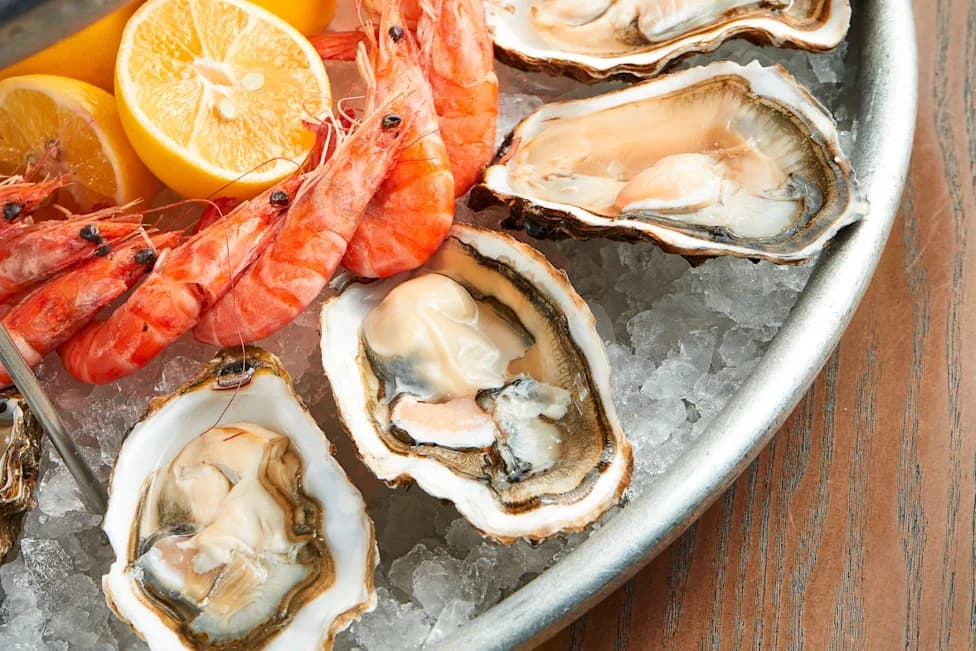
Photo Credit: iStock
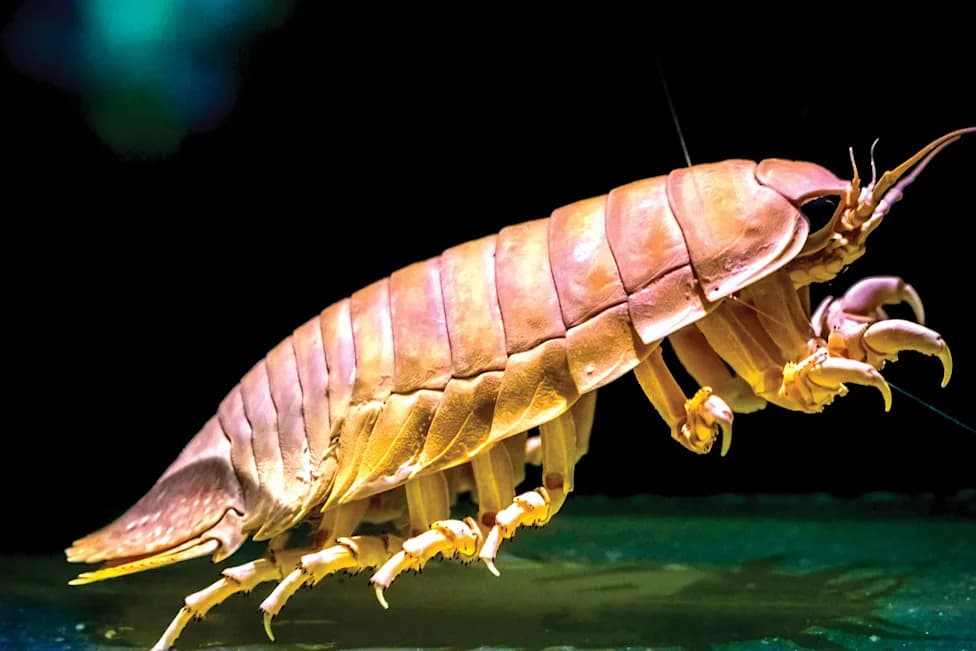
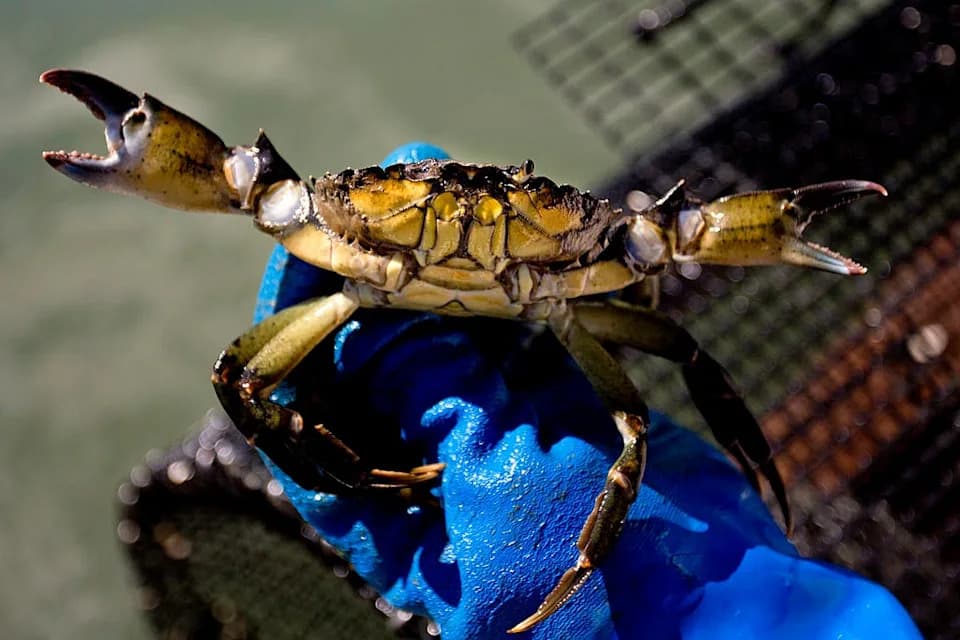
A new analysis led by marine scientist Jessica Zamborain-Mason (KAUST) finds that oysters, mussels, shrimp and other aquatic invertebrates supply a disproportionately large share of several essential micronutrients — despite making up a relatively small share of global seafood by weight.
Study Overview
The research used 2019 as a reference year and combined global catch records, aquaculture production data, and nutrient profiles for 30 nutrients. The team compiled 13,888 nutrient samples from 465 invertebrate species and then used models to estimate nutrient values across the 50,807 animals SeaLifeBase lists as potentially edible.
Key Findings
Across marine fisheries, aquatic invertebrates represented roughly 15% of landings by weight but exceeded that proportion for 11 of the 30 nutrients examined. In marine landings alone, these species supplied more than 30% of available vitamin C and manganese, and more than a quarter of global folate, selenium and sodium.
The imbalance was even more pronounced in aquaculture: invertebrates made up about one-third of farmed aquatic output by weight while providing over 70% of copper and zinc from aquaculture, and more than half of sodium, iodine, vitamin B12, vitamin C and iron supplied by farmed sources.
Within invertebrates, bivalves (oysters, mussels and clams) were estimated to be especially rich in iron, iodine, zinc and vitamin B12. Sea urchins and sea cucumbers showed higher estimated concentrations of selenium, magnesium, manganese and sodium. Cold-water species tended to have more omega-3 fatty acids, and some deeper-water species were associated with higher omega-3s as well as iron, iodine and selenium.
"For far too long, we have measured success of aquatic food systems in tonnes of production, rather than in the nutrients they deliver to people," Zamborain-Mason said, summarizing the study's central message.
Practical Nutritional Example
The authors estimate that a single 3.5-ounce (100-gram) serving of raw invertebrate muscle can provide up to about 85% of an adult's daily needs for selenium, chromium and vitamin B12, and more than half of daily copper and iodine requirements — highlighting how nutrient-dense these foods can be relative to their weight.
Caveats and Conservation
The study quantifies nutrient supply across the global seafood system but does not track who actually consumes those nutrients, how much they cost, or how equitably they are distributed. The authors caution that the results are not a license to increase harvesting: many invertebrate groups are under fishing pressure yet remain data-poor or unassessed for sustainability, making safe harvest limits difficult to determine.
Implications
By shifting the focus from tonnes to nutrients, this nutrient-focused accounting can help governments, aquaculture producers and public-health officials prioritize food planning, aquaculture development and conservation strategies to improve nutrition security. The findings also connect to wider conversations about affordable protein sources, novel low-emissions protein production, and household-level recycling of nutrients (for example, composting eggshells).
Bottom line: Aquatic invertebrates deliver outsized micronutrient benefits relative to their mass, but sustainable management and better monitoring are essential to realizing those benefits without harming marine ecosystems.
Help us improve.