A new study in Ecology finds that starfish from the family Pterasteridae act as dominant predators on the Arctic seafloor, combining active hunting with scavenging of sinking carcasses. Researchers analysed 881 benthic samples (97 groups) and 699 pelagic specimens near Southampton Island, Hudson Bay, and discovered benthic and pelagic communities operate at similar trophic levels. The findings suggest benthic communities play a major, previously underappreciated role in marine food webs and should be regularly included in ecosystem studies.
Arctic Starfish: Seafloor Super-Predators Rivaling Polar Bears
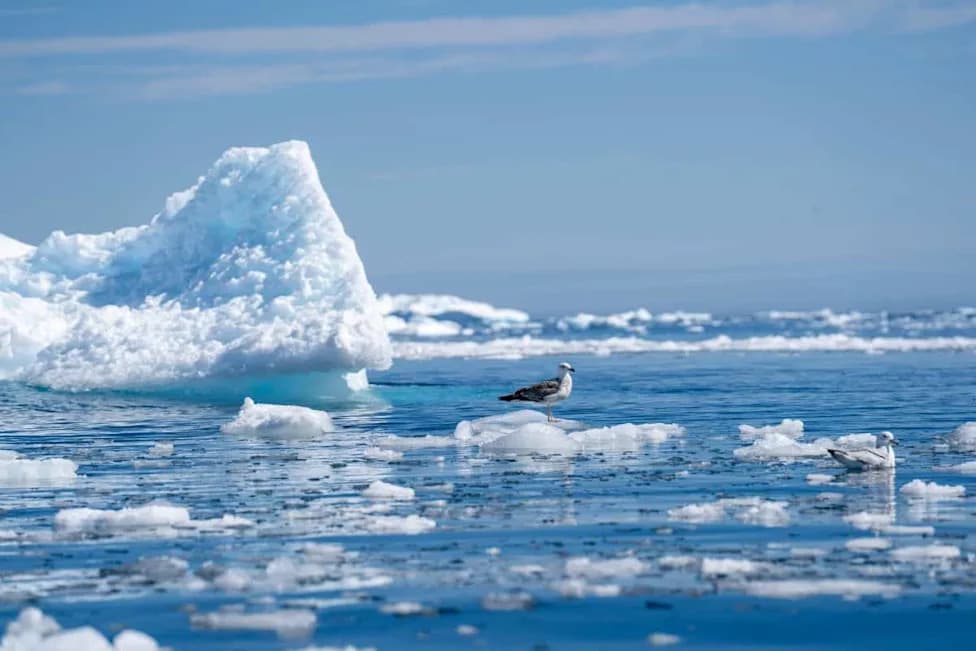
This Arctic predator rivals the polar bear, and it lives on the seafloor© Jan Tang/ via Canva.com
In the icy waters of the Arctic, researchers have uncovered a surprising seafloor powerhouse: certain starfish from the family Pterasteridae, which act as dominant predators on the benthic (seafloor) community. A new study led by Rémi Amiraux and colleagues reshapes our view of Arctic food webs by showing that complex predator–prey interactions deep on the seabed can rival those above the surface.
Research Overview
Published in the journal Ecology, the study examined life around Southampton Island in Hudson Bay, Nunavut. The team analysed 881 benthic invertebrate samples representing 97 taxonomic groups and compared them with 699 specimens collected from the pelagic (open-water) zone. By mapping trophic positions across both communities, they found that benthic and pelagic assemblages operate at similar trophic levels, contradicting the idea that seafloor food webs are simple and strictly linear.
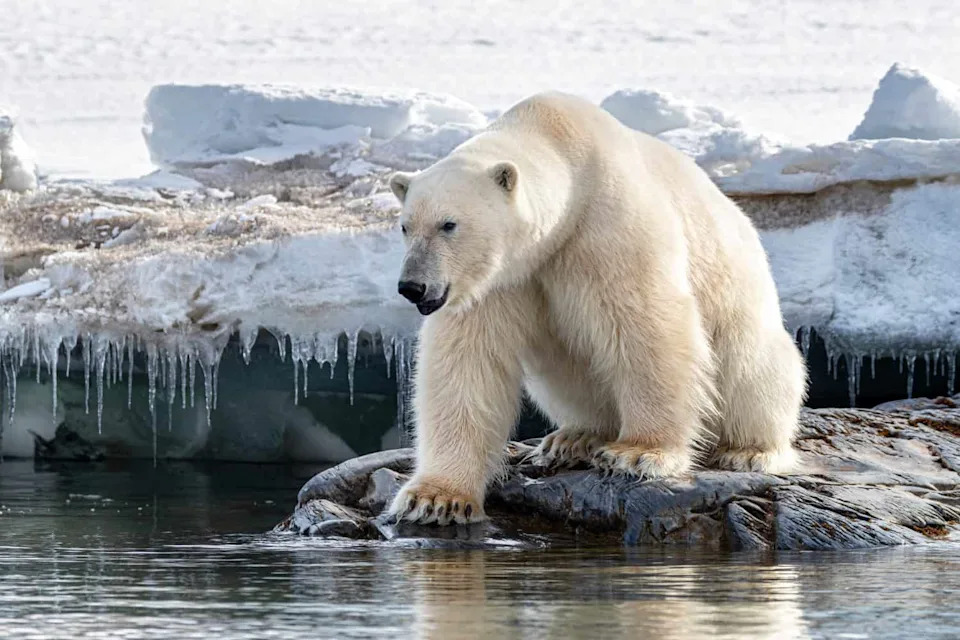
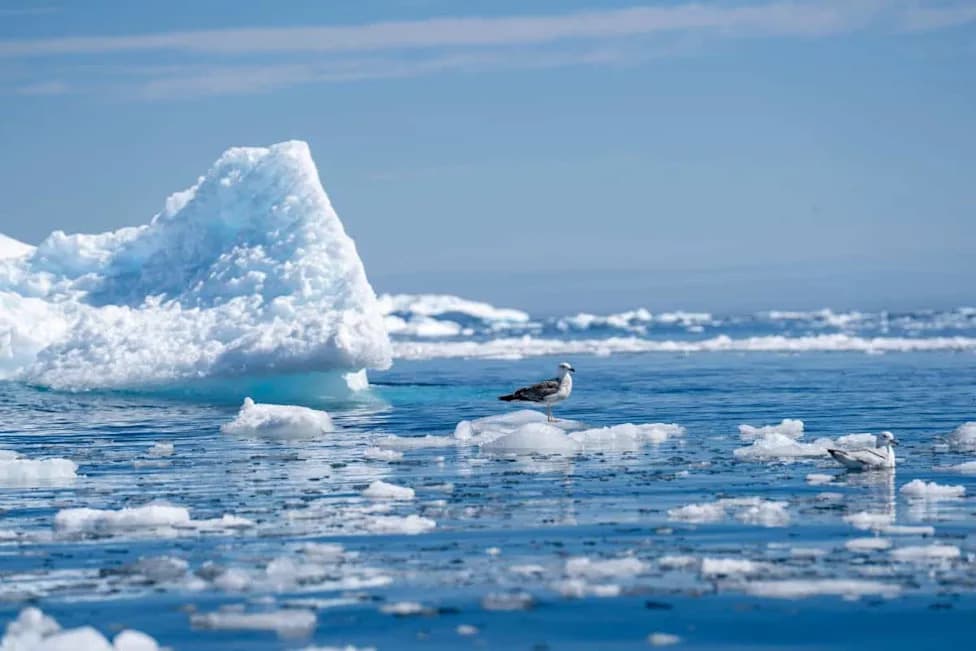
Adult male polar bear sits at the edge of the fast ice in Svalbard, aNorwegian archipelago between mainland Norway and the North Pole
Pterasteridae: Unexpected Apex Actors
One group rose consistently to the top in the benthic analyses: the starfish family Pterasteridae. Far from the passive image often associated with sea stars, these echinoderms are carnivorous and prey on secondary predators, giving them outsized influence over local food-web structure. They are also highly opportunistic: when dead pelagic organisms sink to the seafloor, Pterasteridae rapidly consume these carcasses, combining active hunting with scavenging to maximize energy intake.
"This changes our understanding of how the Arctic coastal marine food web works," said Rémi Amiraux, highlighting the importance of benthic dynamics in coastal marine ecosystems.
Ecological Parallels
The researchers draw an ecological parallel with the polar bear: both predators mix active hunting with scavenging of large carcasses (whales for bears; sinking pelagic organisms for starfish). Although the prey items differ, each plays a dominant, ecosystem-shaping role within its domain.
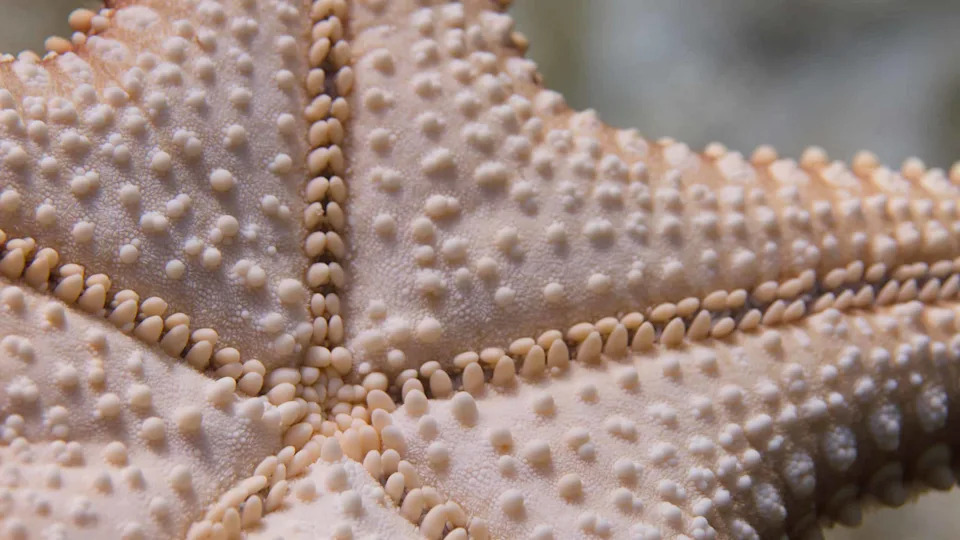
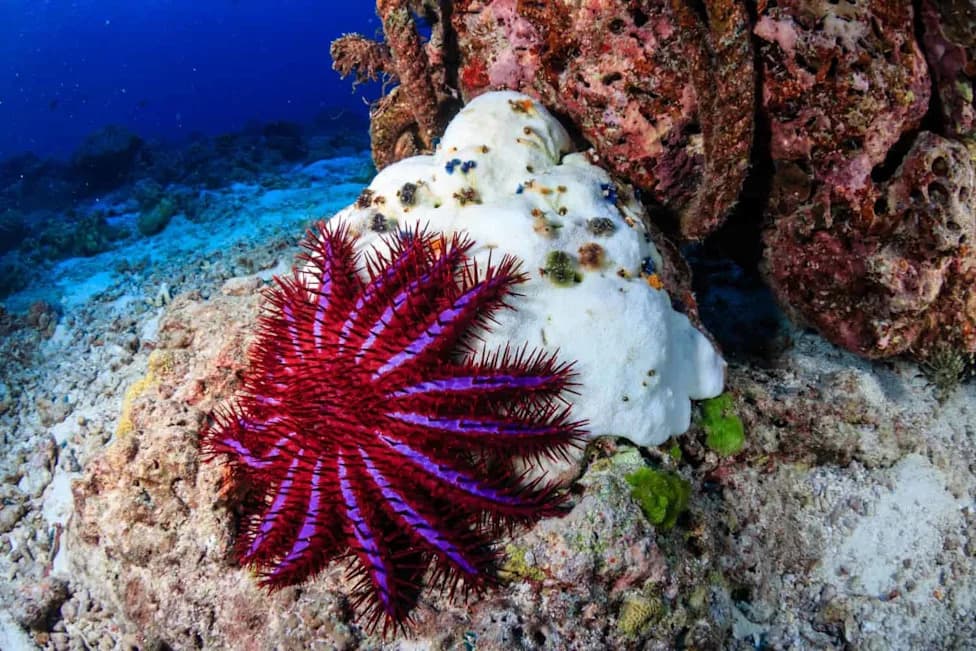
Bottom side of a red cushion starfish showing its mouth.
Broader Implications
Because Pterasteridae species occur in nearly all ocean basins, similar seafloor super-predator roles could exist elsewhere. The study underscores that omitting benthic communities from ecological surveys risks an incomplete picture of marine ecosystems. The authors call for routine inclusion of seabed data in future research to capture the hidden complexity and influence of benthic life.
Bottom side of a red cushion starfish showing its mouth.
As research continues, the discovery of these Arctic starfish highlights that consequential predators and dramatic ecological interactions can be found where few look — quietly shaping marine systems from the seafloor up.
Help us improve.