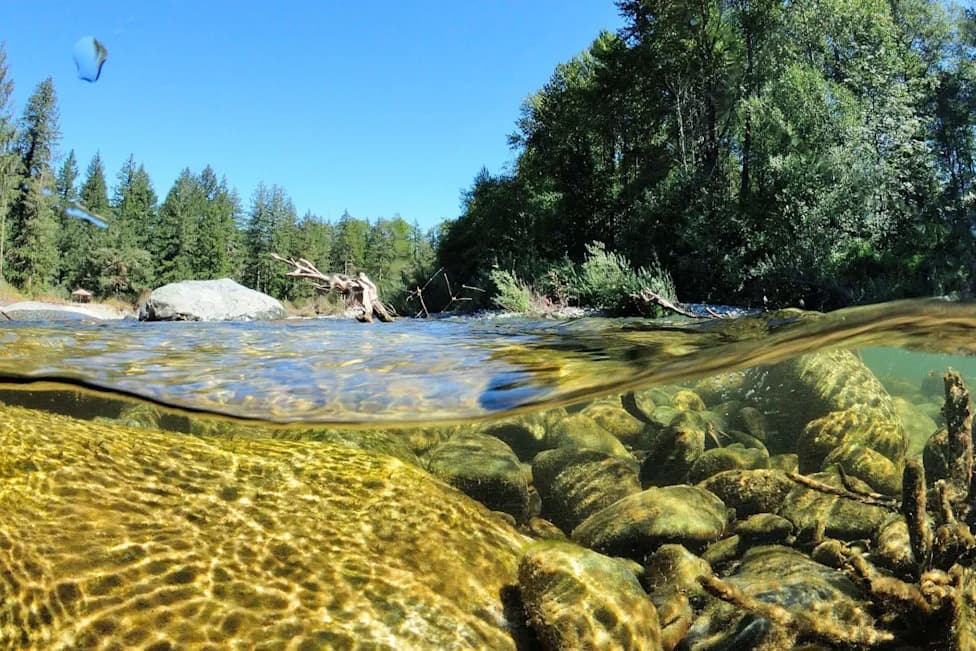
Study Finds Backfire: Scientists removed submerged vegetation in the Sacramento–San Joaquin Delta to reduce largemouth bass ambushes, then tethered juvenile Chinook to measure predation. Although largemouth bass counts fell by nearly one-third, predation on tethered salmon rose to almost four times the pre-removal rate. Video evidence suggests striped bass moved into the cleared open water and increased attacks. The cleared plants also regrew within a year, and the small oxygen benefit likely does not offset the higher predation.
Weed Removal Backfired: Clearing Vegetation in California Delta Increased Salmon Losses Nearly Fourfold
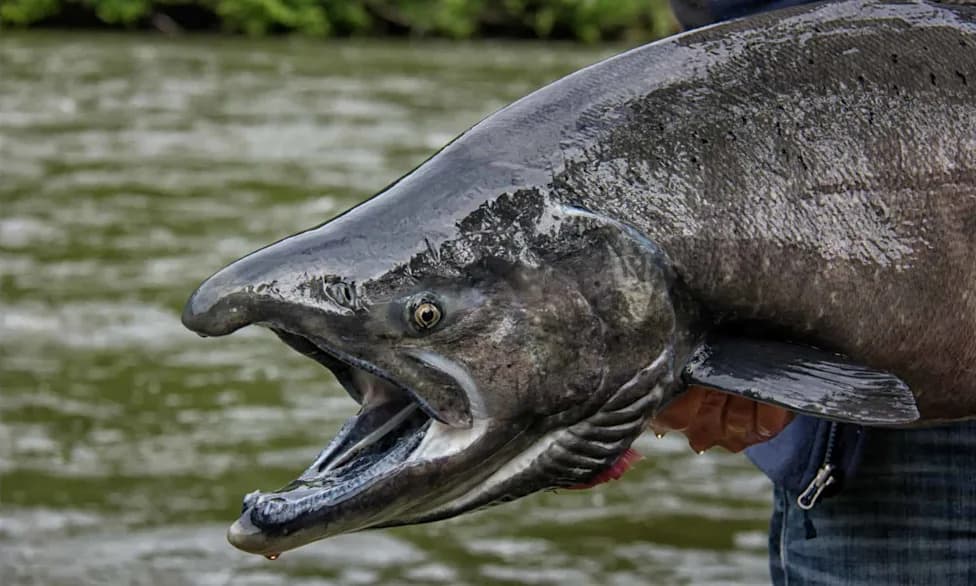
A black streak along the gum line of the Chinook Salmon gives them the alternate name of blackmouth.© Martin Rudlof Photography/Shutterstock.com
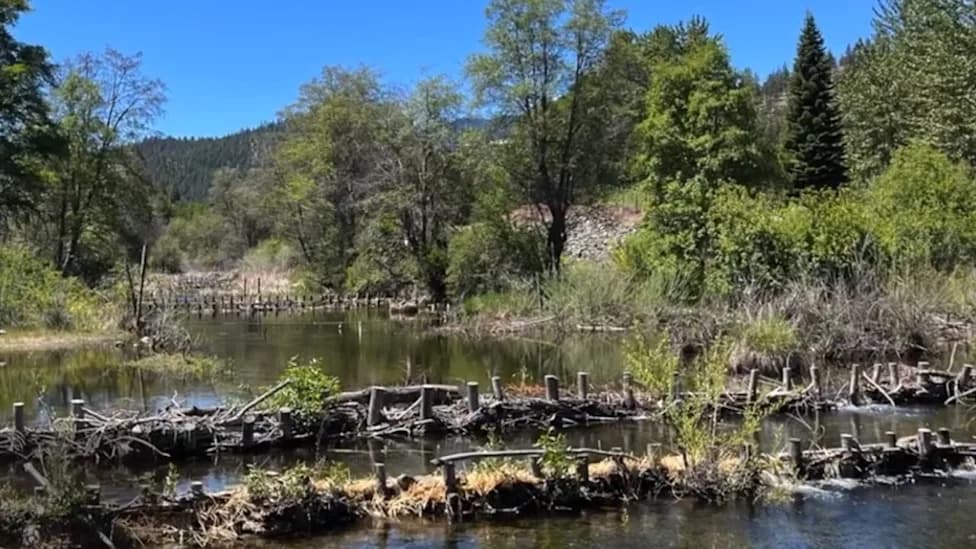
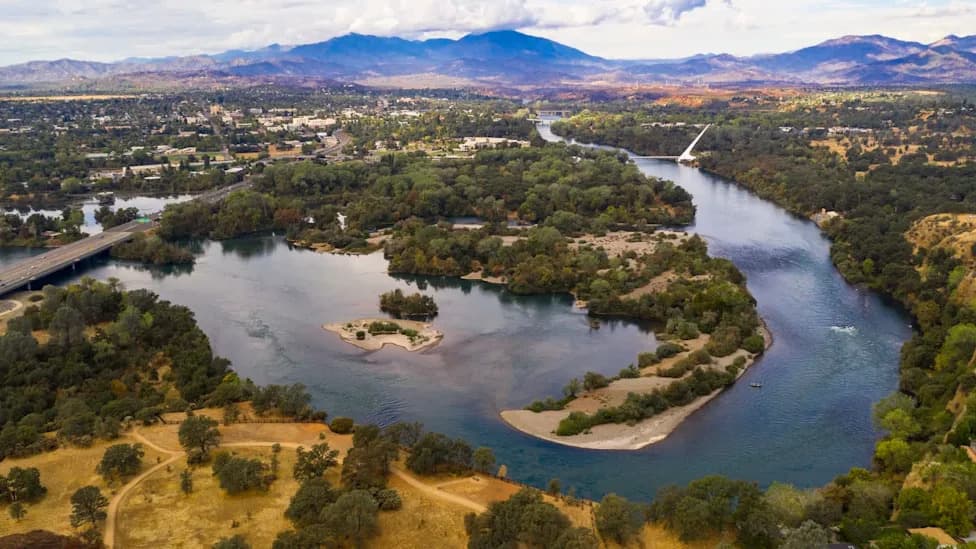
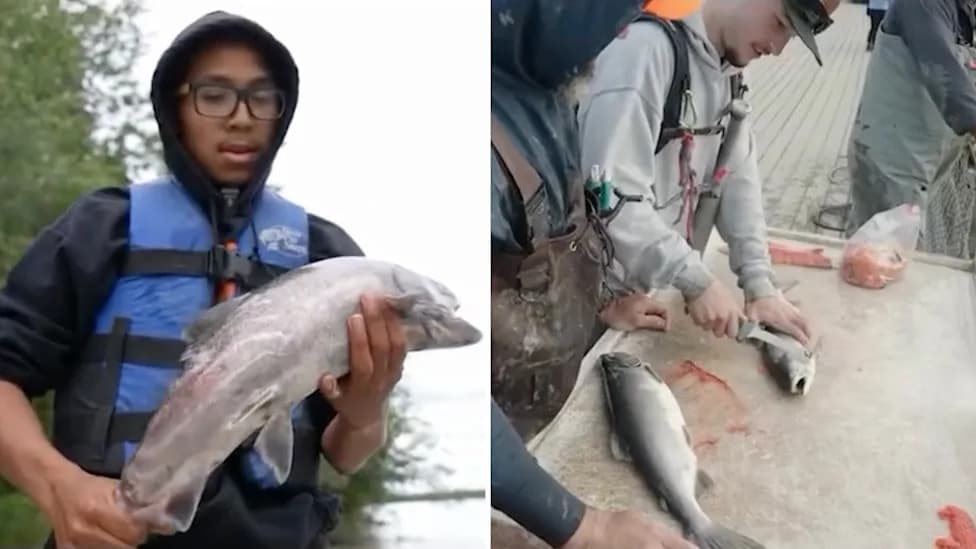
What sounded like a straightforward fix for declining juvenile Chinook salmon survival in California produced a surprising result. A team working in the Sacramento–San Joaquin Delta removed patches of submerged vegetation to reduce ambush habitat for largemouth bass, then tethered young salmon in cleared and uncleared areas to measure predation. Instead of improving survival, predation on the tethered fish nearly quadrupled in cleared patches.
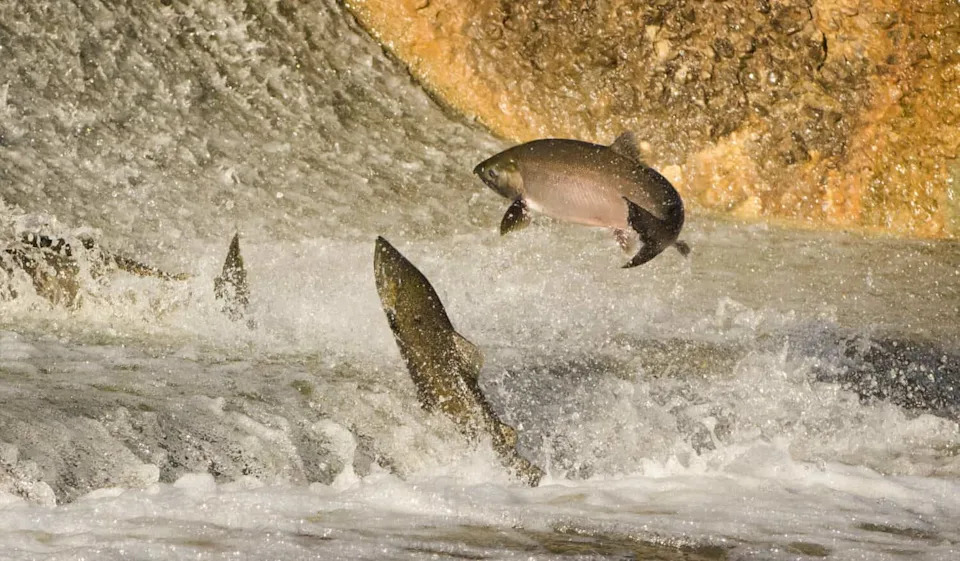
The Largest Chinook Salmon Ever Caught in Washington Was a Pacific Prize©Evan Linnell/Shutterstock.com
How the Study Worked
Researchers selected matched patch sites across the Delta, took baseline measurements, and then hand-removed vegetation in some areas while leaving control patches intact. They counted predator fish and later tethered juvenile Chinook to short lines so they could record the exact timing and identity of attacks—some of which were captured on video.
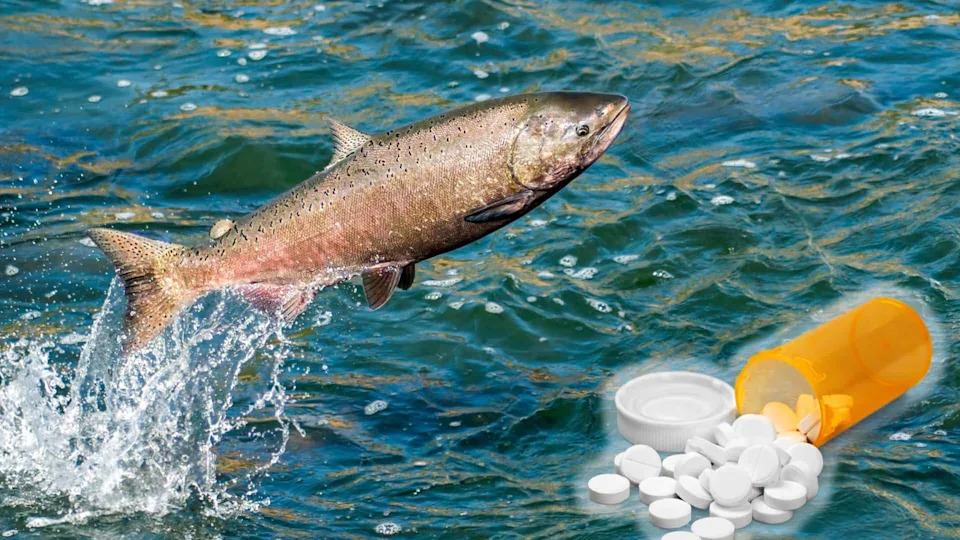
How More Than 900 Pharmaceutical Substances are Impacting the Natural Behavior and Migratory Patterns of Salmon©
Unexpected Results
Largemouth bass counts did fall—by almost one-third in cleared areas—but that did not translate into lower risk for juvenile salmon. Predation on tethered salmon rose sharply after vegetation removal; for roughly every salmon lost before clearance, nearly four were eaten afterward.
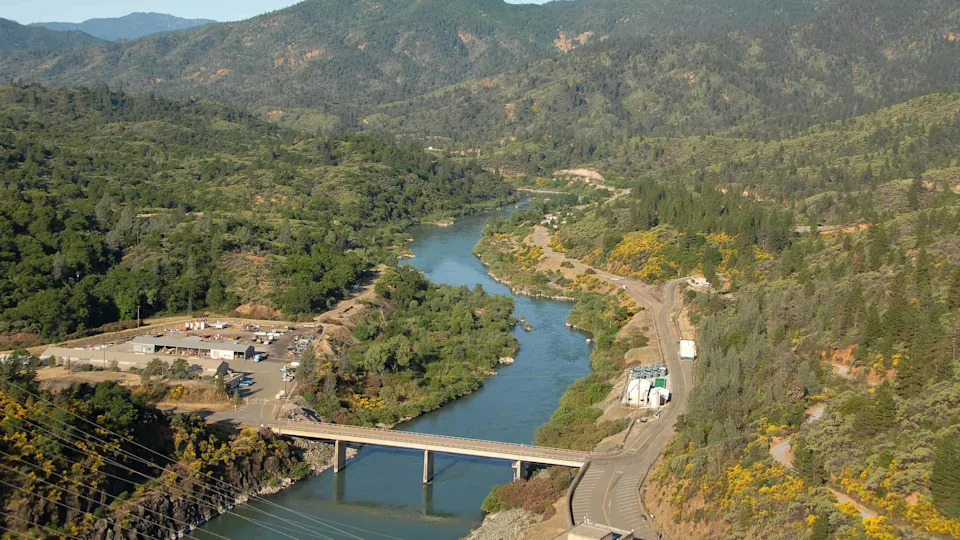
How Deep Is the Sacramento River?©Hank Shiffman/Shutterstock.com
Why Clearing Made Things Worse
Video and catch data point to a simple explanation: the vegetation provided essential refuge for small salmon. Removing that cover reduced ambush habitat for largemouth bass but opened the area to cruising, open-water predators—most notably striped bass. Striped bass live mostly at sea but move into the Delta and Sacramento River in summer, and they are effective hunters in open water. By stripping away the only hiding places, the clearance traded one predator guild for another.
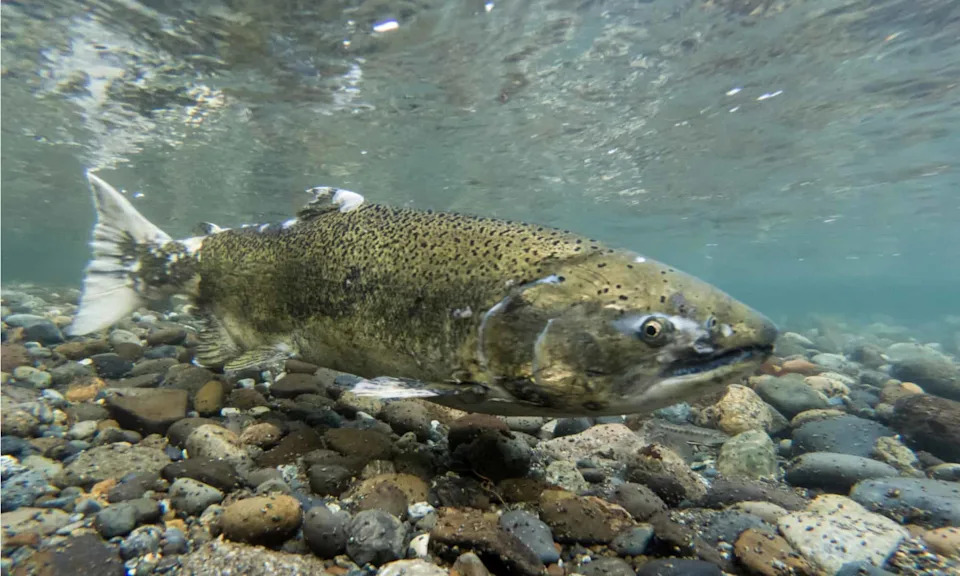
The 8 Best Fish to Catch in California this Summer©Kevin Cass/Shutterstock.com
Supporting Example From Texas
A decades-old case at Lake Conroe, Texas, showed a similar dynamic. When vegetation was dense, largemouth bass rarely preyed on fish until they reached about 140 mm. After plant removal, even bass as small as ~60 mm began eating fish. Researchers concluded that cover, not prey abundance, strongly governed predation behavior.
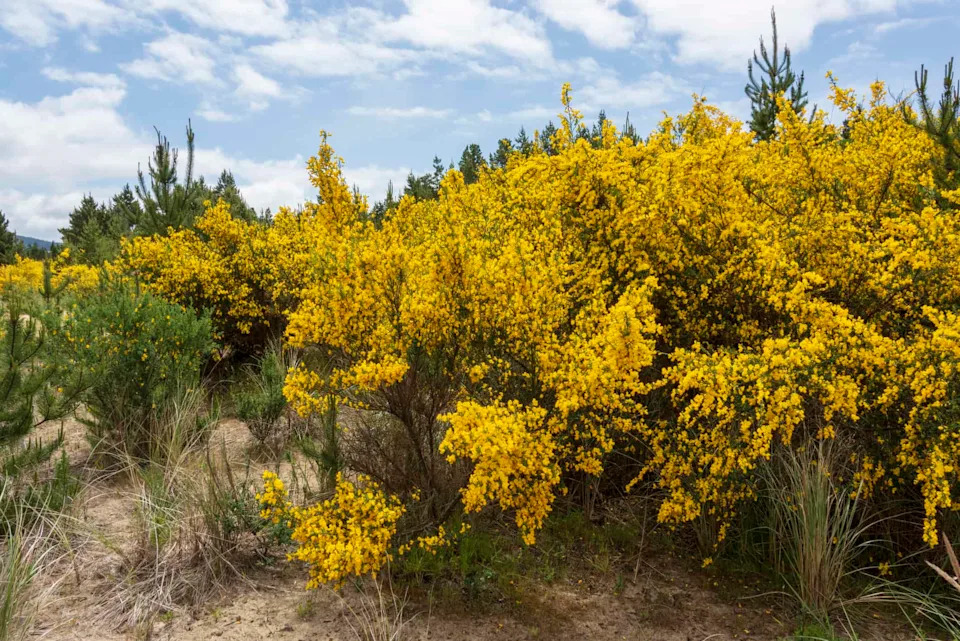
Discover Why Invasive Plants Are Costing California a Staggering Million Per Year©iStock.com/David Rigg
Other Findings And Practical Limits
The study did note one modest benefit: as water warmed later in the season, dissolved oxygen was slightly higher in cleared patches—potentially easing a physiological stress for juveniles. However, that benefit appears small compared with the large increase in predation. Aerial photos also showed the removed plants rebounded within a year, limiting the durability of the intervention.
Takeaway
This experiment highlights that habitat structure matters as much as predator abundance. Removing invasive submerged vegetation reduced some ambush predators but also eliminated crucial refuge for juvenile salmon, making them far more vulnerable to open-water hunters. In systems with multiple predator types and resilient invasive plants, simple removal can produce unintended and severe consequences for vulnerable native species.
Implication: Conservation actions that change habitat structure should be tested carefully at scale—what reduces one threat can increase another.
Help us improve.